
Liverpool is a city defined by a profound geographical and cultural football divide between Liverpool Football Club and Everton Football Club. Located in the North West of England, this municipality houses two of the most successful football institutions in English sporting history. Navigating both territories in a single day requires understanding stadium travel routes, historic origins, matchday logistics, and urban cultural landmarks.
- What is the origin of the rivalry between Liverpool and Everton?
- How close are Anfield and Goodison Park to each other?
- What should you expect on an Anfield stadium tour?
- What are the highlights of exploring Everton’s home grounds?
- How can day-trippers efficiently navigate transport in Liverpool?
- Where can visitors experience authentic Liverpool football culture?
- How to plan a complete 1-day Liverpool and Everton itinerary?
- Frequently Asked Questions
- What is the best way to travel from London to Liverpool for a day trip?
- Can you visit both Liverpool and Everton stadiums on the same day?
- Is Liverpool FC or Everton more popular among local residents?
- How do I get from Anfield stadium to the Royal Albert Dock?
- Are football stadium tours in Liverpool open on matchdays?
What is the origin of the rivalry between Liverpool and Everton?
The football rivalry between Liverpool and Everton originated from an internal board dispute over ground rent at Anfield stadium in 1892. Everton Football Club was founded in 1878 at St Domingo’s Methodist Church and originally played home matches at Stanley Park before leasing Anfield in 1884. John Houlding, a local brewery owner and politician who held the lease to Anfield, raised the annual ground rent from 100 pounds to 250 pounds in 1891. Everton’s board of directors rejected the financial terms, vacated Anfield in March 1892, and purchased land at Goodison Park for 8,090 pounds. Houlding subsequently formed a new sports entity on March 15, 1892, naming it Liverpool Football Club, which left the city divided between two major professional clubs.
This split established the structural framework for the Merseyside derby, which remains the longest-running top-flight derby in English football history. Unlike rivalries split by religious or political affiliations, the Liverpool and Everton divide is historically familial and geographic, earning the title of the Friendly Derby. Families across the city often split allegiances between Red and Blue, sharing matchday transport and city spaces without strict fan segregation outside stadium turnstiles.
How close are Anfield and Goodison Park to each other?
Anfield stadium and Goodison Park are situated less than 1 mile apart across Stanley Park in the L4 postal district of Liverpool. Walking directly between Anfield, home to Liverpool FC, and Goodison Park, the long-standing historic home of Everton FC, takes approximately 15 minutes along a 0.8-mile pedestrian path crossing Stanley Park. This proximity makes the two grounds the closest major rival stadiums in top-flight English football, allowing day-trippers to visit both historic sites on foot during a single itinerary.
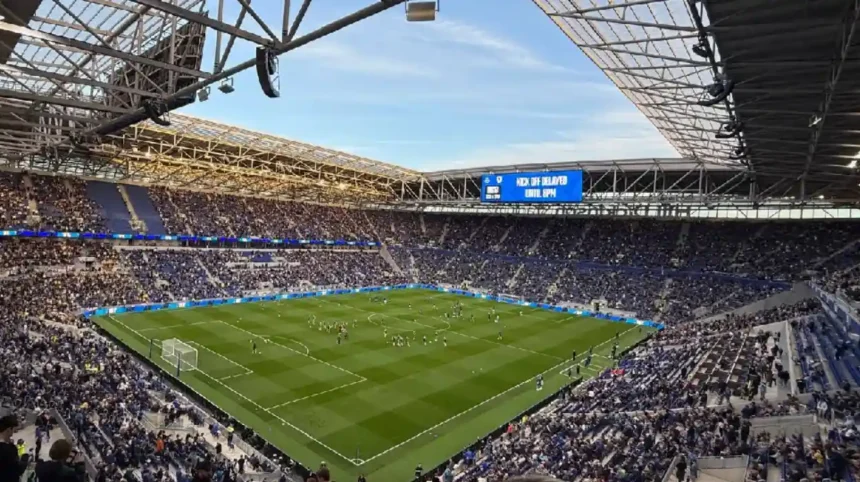
The geography of northern Liverpool changed as Everton FC transitioned to the 52,888-seat venue at Bramley-Moore Dock on the River Mersey waterfront. The waterfront stadium site is located approximately 2 miles southwest of Stanley Park and 1.5 miles north of the city center Pier Head. Travelers can transit between Anfield and the waterfront using public bus routes, municipal taxi services, or a 35-minute urban walk along the Liverpool Waters development corridor.
What should you expect on an Anfield stadium tour?
The official Liverpool FC stadium tour at Anfield provides self-guided multimedia access to key operational areas, historical exhibitions, and pitchside access points. Visitors enter through the Main Stand, which stands as one of the largest single stands in European football, providing panoramic views across the 53,394 to 61,276-capacity bowl. Tour routes cover the home team dressing room, the press conference room, the iconic This Is Anfield tunnel sign, the managerial dugouts, and the lower tier of the historic Kop stand.
Included in the stadium entry ticket is admission to the Liverpool FC Museum, which displays the club’s collection of major domestic and international trophies. Key artifacts on display include six European Cup replicas, original match-issued shirts, and dedicated archives detailing managerial eras under Bill Shankly, Bob Paisley, and Jürgen Klopp. Standard adult ticket prices range between 23 and 27 pounds, with interactive audio handsets provided in over 11 languages for international visitors.
What are the highlights of exploring Everton’s home grounds?

Exploring Everton’s football heritage covers both the historic Goodison Park venue and the modern waterfront development at Bramley-Moore Dock. Goodison Park, opened in 1892 as England’s first purpose-built double-decker football stadium, offers heritage tours covering classic wooden architecture designed by Archibald Leitch. Highlights of the Goodison Park walkthrough include the player tunnel, pitchside dugouts, the vintage dressing room corridors, and the statue of Dixie Dean, who scored a record 60 league goals in the 1927–28 season.
The modern Everton venue on the Mersey waterfront incorporates historic 19th-century maritime architecture into a state-of-the-art sports arena. The site preserves the listed Bramley-Moore dock wall and hydraulic engine house alongside a modern brick-and-steel facade. Visitors traveling along the Mersey waterfront can tour the exterior plazas, visit official retail stores, and view panoramic vistas extending toward the Wirral Peninsula and Liverpool city center.
How can day-trippers efficiently navigate transport in Liverpool?
Liverpool offers a connected public transportation network operated by Merseytravel, comprising Merseyrail train lines, municipal bus routes, and pedestrian trails. Travelers arriving at Liverpool Lime Street Railway Station can access city center landmarks, waterfront attractions, and both football districts using direct public transit options.
- Merseyrail Northern Line trains run every 15 minutes from Liverpool Central to Sandhills or Kirkdale stations for access to the northern stadium hubs.
- The 17 and 27 Arriva bus routes depart directly from Queen Square Bus Station to Anfield Road in approximately 20 minutes.
- Matchday express shuttle buses operate continuously between Commutation Row in the city center and Stanley Park.
- The Mersey Ferry provides cross-river transport between the Pier Head terminal and Woodside, offering access to views of the city waterfront.
- Voi e-scooters and city bicycle rentals operate across designated docking stations in the city center, Everton, and Baltic Triangle districts.
Where can visitors experience authentic Liverpool football culture?
Authentic football culture in Liverpool centers around historic pubs, community hubs, and fan spaces surrounding Anfield Road, County Road, and the city center waterfront. Matchday and non-matchday visitors gather in these long-standing establishments to experience local fan traditions, historic memorabilia, and regional food specialties like Scouse, a traditional meat and vegetable stew.
- The Sandon Pub on Oakfield Road, where John Houlding founded Liverpool FC in 1892 after Everton departed Anfield.
- The Winslow Hotel on Goodison Road, located directly opposite the Main Stand, acting as a historic gathering point for Everton supporters.
- Hotel Football and the Hotel TIA near Stanley Park, offering rooftop fan parks, live music, and former player Q&A sessions.
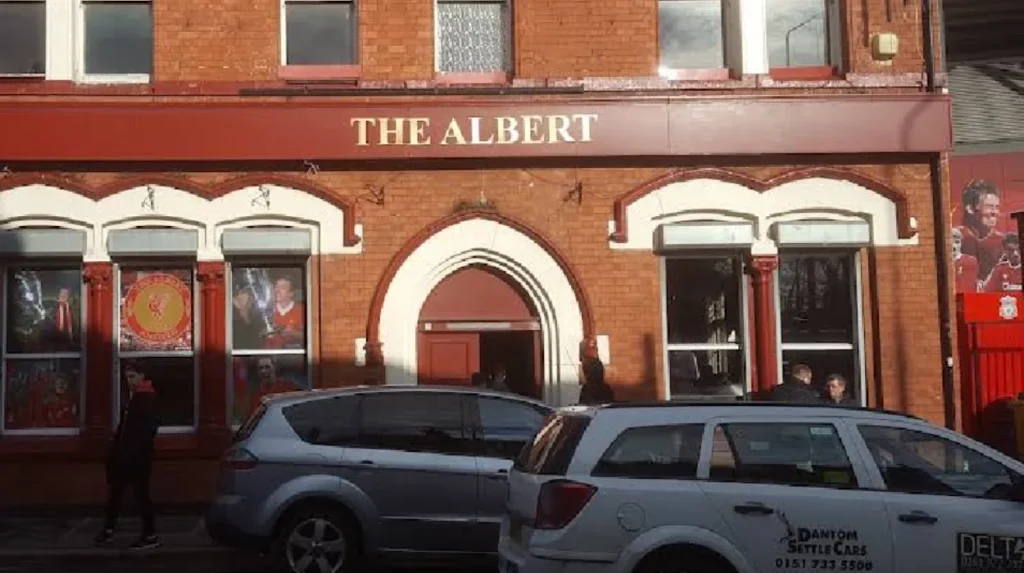
- The Albert Pub located adjacent to the Kop at Anfield, known for pre-match songs, historic scarves, and memorabilia collections.
- The Baltic Market in the Baltic Triangle, serving regional craft drinks, street food, and sports viewings in a converted industrial warehouse.
How to plan a complete 1-day Liverpool and Everton itinerary?
A structured 1-day itinerary allows day-trippers to visit both football grounds, explore maritime landmarks, and experience central Liverpool within 8 to 10 hours. Commencing early minimizes transit delays and ensures sufficient time for guided stadium tours, museum visits, and historic city walks.
Executing this itinerary requires pre-booking stadium tour tickets online at least 2 weeks in advance, especially during peak travel months between April and August. Carrying a Merseytravel Day Saver ticket allows unlimited bus and train travel across Zone 1, keeping total local transport costs under 6 pounds per person.
Frequently Asked Questions
What is the best way to travel from London to Liverpool for a day trip?
The fastest way to travel from London to Liverpool for a day trip is by taking an Avanti West Coast train directly from London Euston to Liverpool Lime Street Station. The direct rail journey takes approximately 2 hours and 15 minutes. Booking advance train tickets 8 to 12 weeks prior to travel significantly reduces transport costs.
Can you visit both Liverpool and Everton stadiums on the same day?
Yes, you can easily visit both stadiums on the same day because Anfield and Goodison Park are situated less than 1 mile apart across Stanley Park. Walking between the two original grounds takes only 15 minutes, allowing ample time for back-to-back stadium tours. Local buses and Merseyrail trains connect Stanley Park to Everton’s waterfront venue at Bramley-Moore Dock in under 20 minutes.
Is Liverpool FC or Everton more popular among local residents?
Liverpool’s local population is split relatively evenly between Liverpool FC and Everton FC supporters, earning the city a reputation for split households. Fan allegiances are typically passed down through generations of families rather than divided along socio-economic or geographical lines. Everton maintains a deep local fan base within Merseyside, while Liverpool FC possesses a larger international fanbase alongside its local support.
How do I get from Anfield stadium to the Royal Albert Dock?
To get from Anfield to the Royal Albert Dock, take the 17 or 26 Arriva bus route from Anfield Road directly to Queen Square Bus Station or Liverpool ONE Bus Station. The bus ride takes approximately 20 minutes. From the Liverpool ONE transport hub, the Royal Albert Dock waterfront is a flat 5-minute walk across the Strand pedestrian crossing.
Are football stadium tours in Liverpool open on matchdays?
Matchday stadium tours run on a restricted schedule and do not allow entry into player dressing rooms, press areas, or pitchside tunnels close to kickoff times. Non-matchday visits are strongly recommended if you want full access to all behind-the-scenes areas and club museums. Always book tickets online in advance, as tour slots fill rapidly during weekend match fixtures.