
Business travelers can maximize an evening in Everton by exploring famous architectural landmarks, enjoying scenic views from elevated green spaces, dining at historic local pubs, and discovering rich sports heritage before returning to central hotels.
- What Makes Everton Park the Best Location for Sunset Views of Liverpool?
- Why Should You Visit the Historic Everton Lock-Up Tower?
- Where Can You Experience Authentic Local Food and Historic Pub Culture in Everton?
- How Has Everton’s Sports and Community Heritage Shaped the Neighborhood?
- What Is the Best Evening Walk Itinerary for a Business Traveler in Everton?
- Frequently Asked Questions
Everton is an inner-city district located in Liverpool, Merseyside, England, situated north of Liverpool city center. Historically part of Lancashire, Everton sits on an elevated ridge rising to 232 feet above sea level, providing panoramic views across the River Mersey, the Wirral peninsula, and the Liverpool city skyline. Corporate travelers arriving in Liverpool for conferences or meetings often seek leisure activities after working hours. Everton provides a quieter alternative to the busy commercial center while maintaining proximity to major transport hubs such as Liverpool Lime Street station.
The district originated as an ancient township recorded in the Domesday survey of 1086 under the name Evretona, meaning wild boar settlement. During the eighteenth century, rich merchants built suburban villas on the hill to escape the industrial pollution of the seaport. The nineteenth century brought rapid urbanization, turning Everton into a densely populated residential area for industrial laborers and shipping workers. Today, Everton undergoes urban regeneration, combining historic brick structures, public parks, and modern infrastructure. Exploring Everton allows corporate visitors to observe authentic local culture, architectural heritage, and green leisure areas within a short commute from primary business districts.
An evening itinerary in Everton offers relaxation, cultural exposure, and high factual value for visitors seeking structured activities between five o’clock and ten o’clock at night. Corporate schedules require time efficiency, precise routes, and dependable transport options. Everton provides accessible street networks, reliable taxicab routes, and regular public bus services running along Netley Street, Shaw Street, and Everton Brow. Business travelers can stroll through historic parks, view designated heritage structures, and sample traditional Northern English food. The following detailed guides explain specific destinations, historical contexts, and practical steps for spending a productive evening in Everton.
What Makes Everton Park the Best Location for Sunset Views of Liverpool?
Everton Park is the top location for sunset views because its elevated hilltop position offers uninterrupted panoramas of the Liverpool skyline, the River Mersey, and the distant Welsh mountains.
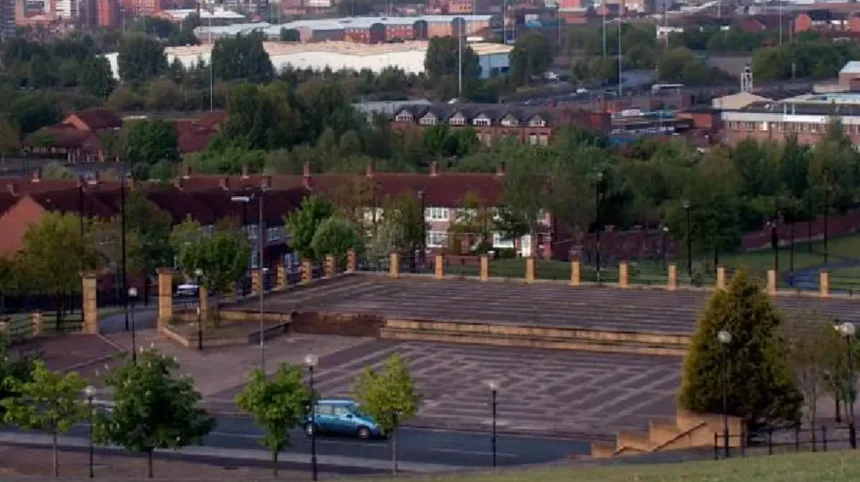
Everton Park is a 100-acre modern urban park established in the 1980s to replace cleared nineteenth-century housing developments. The park occupies the high ridge of Everton, rising substantially higher than the surrounding urban basin. The highest point, known as Everton Brow, delivers a 360-degree viewpoint over Liverpool Bay, the Wirral, and North Wales. The park contains paved pedestrian paths, native tree plantations, wild flower meadows, and formal seating areas. The Heritage Lottery Fund and Liverpool City Council support ongoing park maintenance, ensuring safe public access throughout daytime and early evening hours.
Visiting Everton Park at dusk allows business professionals to unwind while watching the sun set over the Mersey estuary. The view incorporates key architectural icons, including the Royal Liver Building, the Cunard Building, the Port of Liverpool Building, and both city cathedrals. Photographers and urban observers frequent Everton Brow to capture the evening transition as streetlights illuminate the docks and central business district. The park features heritage interpretation boards detailing the historical layout of former streets, providing clear historical context for visitors interested in British urban development.
To reach Everton Park safely in the evening, travelers can take a ten-minute taxi ride from Liverpool Lime Street station or use the Arriva bus services 26 and 27. The park remains well-lit along main arterial walkways, though visitors should remain on primary paved routes after dark. Professional visitors should spend forty-five minutes walking the upper footpaths before descending toward nearby heritage sites. The peaceful ambient environment makes Everton Park an ideal initial stop to clear one’s mind after intense business negotiations or day-long corporate seminars.
Why Should You Visit the Historic Everton Lock-Up Tower?
You should visit the Everton Lock-Up because it is an eighteenth-century village jail that serves as the official symbol on the Everton Football Club crest.
The Everton Lock-Up, also known as Prince Rupert’s Tower or the Everton Village Lock-Up, is a Grade II listed structure built in 1787. Situated on Everton Brow at Netherfield Road, the building is a small, round, domed stone structure designed originally to detain intoxicated individuals or criminal suspects overnight before appearing before local magistrates. The structure features thick red sandstone walls, a conical slate roof, and a heavy iron door. Architecturally, it stands as one of only two surviving eighteenth-century village lock-ups in the county of Merseyside, with the other located in Wavertree.
The Everton Lock-Up holds global cultural recognition due to its direct association with Everton Football Club, founded in 1878. The club incorporated the image of the lock-up into its official crest in 1938, creating a permanent bond between the neighborhood landmark and international sports heritage. In 2014, Everton Football Club funded a comprehensive restoration project in partnership with local heritage groups, installing permanent LED lighting that illuminates the sandstone tower after dark. The lit tower provides a visually striking historic display visible from surrounding streets throughout the evening.
Visiting the Everton Lock-Up takes approximately twenty minutes, making it an easy addition to a tight corporate schedule. Travelers can stand on the historic paved square surrounding the tower, read the official plaque, and take photographs of the illuminated building. The site represents the transition of Everton from a rural hilltop village to a major municipal district. Positioned adjacent to Everton Park, the lock-up allows visitors to step directly from natural parkland into authentic eighteenth-century architectural history without incurring admission fees or long queuing times.
Where Can You Experience Authentic Local Food and Historic Pub Culture in Everton?
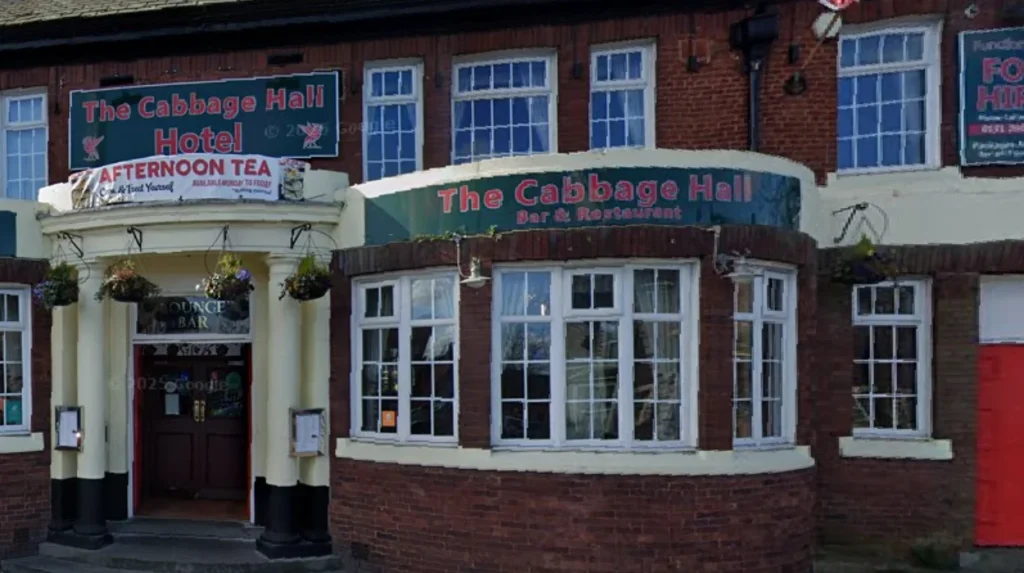
You can experience authentic food and pub culture by visiting long-standing local establishments on Shaw Street and County Road that serve traditional dishes like Scouse.
Everton’s pub culture reflects two centuries of industrial community life, maritime commerce, and sports gatherings. Local public houses in Everton maintain Victorian interiors, traditional timber bars, tiled foyers, and real ale selections sourced from regional breweries. Establishments such as the Cabbage Hall Hotel, the Everton Hotel, and nearby classic venues along the perimeter of Everton offer a welcoming environment for solo business travelers. These venues serve as social hubs where visitors interact with local residents and sample authentic Merseyside culinary specialties.
The central dish of traditional Everton dining is Scouse, a thick meat stew containing beef or lamb, potatoes, carrots, onions, and swede. Scouse originated from lobscouse, a Norwegian sailor stew brought to Liverpool port during the eighteenth century. Pubs serve Scouse alongside pickled red cabbage, crusty bread, and salted butter. Alternative evening dining options include classic fish and chips, savory meat pies, and modern gastropub meals. Dining in these heritage pubs provides insight into local working-class history while offering substantial, affordable meals in a relaxed neighborhood setting.
When planning an evening meal in Everton, business travelers should schedule dinner between six o’clock and eight o’clock in the evening. Most kitchen facilities in traditional pubs close around nine o’clock, though beverage service continues until late evening. Visiting a pub after a walk through Everton Park offers a warm environment to review business notes, answer emails, or chat with publicans about local history. Selecting a pub near main transport routes ensures a fast taxi ride back to central business hotels later in the night.
How Has Everton’s Sports and Community Heritage Shaped the Neighborhood?
Everton’s sports heritage shaped the neighborhood by fostering global football roots, creating iconic stadium landmarks, and building strong local community identities.
Everton is the historic birthplace of professional football in Liverpool, serving as the original home for both Everton Football Club and Liverpool Football Club. St. Domingo’s Methodist Church Sunday School formed a football team in 1878 to keep local youth active during winter months. In 1879, the team changed its name to Everton Football Club to represent the entire district. Everton FC played initially at Stanley Park, located on the northern boundary of Everton, before moving to Priory Road and subsequently to Anfield in 1884. A rent dispute in 1892 caused Everton FC to move to Goodison Park in adjacent Kirkdale, leading to the formation of Liverpool FC at Anfield.
Stanley Park spans 111 acres and separates the historic football territories of the two clubs. Designed by Edward Kemp and opened in 1870, Stanley Park features Grade II listed Victorian architecture, including the restored Isla Gladstone Conservatory. The conservatory is a magnificent glass structure constructed in 1899, surrounded by ornamental lakes, historic stone bridges, and sandstone bandstands. Business travelers walking through Stanley Park during early evening hours can admire the illuminated glasswork of the conservatory and observe the physical proximity of two world-famous football grounds.
The impact of sports heritage extends deeply into the social structure of Everton. The neighborhood contains numerous monuments, mural artworks, and community centers dedicated to iconic players and managers. Walking through the streets surrounding Everton Brow reveals vibrant street art celebrating civic history, worker solidarity, and athletic achievements. This dense concentration of sporting identity gives Everton a distinct character compared to commercial shopping districts, allowing visiting executives to appreciate the deep cultural roots of Merseyside’s working community.
What Is the Best Evening Walk Itinerary for a Business Traveler in Everton?
The best evening itinerary begins at Everton Brow for sunset, moves to the Everton Lock-Up, crosses Stanley Park, and finishes with dinner at a historic pub.
A structured walking tour maximizes limited leisure time for corporate guests while ensuring safety and convenience. The recommended route starts at five-thirty in the afternoon at Everton Brow to capture daylight and sunset views across the River Mersey. Visitors can access Everton Brow via a quick taxi trip from central Liverpool business hotels. The elevated vantage point provides immediate geographic orientation, showing the relationship between the elevated residential district, the historic port docks, and the modern commercial high-rises.
From Everton Brow, travelers walk south for five minutes along Netherfield Road to examine the illuminated Everton Lock-Up. After spending fifteen minutes exploring the lock-up site, visitors walk north toward Stanley Park along Heyworth Street. This stretch features nineteenth-century brick terraced housing, local shopfronts, and views of St. George’s Church, a historic parish church built in 1814 known locally as the Iron Church due to its extensive internal cast-iron frame. The walking distance between Everton Brow and the edge of Stanley Park is approximately one mile, taking twenty minutes at an easy pace.
Frequently Asked Questions
What is the best time of evening to visit Everton Park?
The optimal time to visit Everton Park is 45 minutes before sunset. This timing allows business travelers to observe the transition from daylight to evening light across the River Mersey. The elevated vantage point provides clear views as city lights turn on across the Liverpool skyline.
How far is Everton from Liverpool Lime Street Station?
Everton Park sits approximately 1.5 miles northeast of Liverpool Lime Street Station. A taxi or rideshare trip takes seven to ten minutes under normal traffic conditions. Public buses running from Queen Square Bus Station reach the park in roughly ten minutes.
Is Everton Lock-Up open for public entry?
Everton Lock-Up is a historical stone monument that is viewed from the outside. Public entry inside the tower is restricted to preserve the structural integrity of the 1787 building. Visitors can view, photograph, and study the historic exterior architecture freely along Everton Brow.
Are there luggage storage facilities available in Everton?
Everton is primarily a residential and park area without dedicated luggage storage facilities. Business travelers should store heavy bags at Liverpool Lime Street Station lockers or their hotel before traveling up to Everton for an evening walk.
What should business travelers wear when visiting Everton Park in the evening?
Visitors should wear comfortable walking shoes suitable for paved park trails and inclined paths. Because Everton sits on an exposed sandstone ridge 120 feet above sea level, wind speeds are higher than in the city center. Bringing an extra warm jacket or windbreaker ensures comfort.