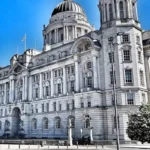

Liverpool city centre living represents a distinct residential lifestyle characterized by high-density housing, immediate proximity to commercial hubs, and reliance on public transportation networks. The geographical boundary of Liverpool city centre encompasses districts such as the Baltic Triangle, the Ropewalks, and the Waterfront. Suburban life in the Liverpool City Region refers to residential settlement patterns outside the core commercial district, including established locations like Aigburth, Allerton, Woolton, and Crosby. Historically, the Industrial Revolution initiated a stark separation between urban workplaces and suburban residential zones, a trend that accelerated during the mid-twentieth century due to expanded car ownership and the development of commuter infrastructure.
- What Are The Main Differences In Property Types And Costs Between Liverpool City Centre And The Suburbs?
- How Do Commuting Times And Transportation Options Compare Between Urban And Suburban Liverpool?
- What Variations Exist In Lifestyle Amenities and Social Infrastructure Across These Regions?
- How Do Educational Facilities And Family Environments Differ Between The Two Locations?
- What Are The Long Term Investment Potentials And Demographic Trends For Each Area?
- Frequently Asked Questions
- What is the average cost of renting a flat in Liverpool city centre compared to the suburbs?
- Which suburban areas of Liverpool are best for commuting into the city centre via train?
- Are there any large public parks located directly within Liverpool city centre?
- How does the crime rate in central Liverpool compare to the surrounding suburban areas?
- Is parking widely available for residents living in Liverpool city centre housing developments?
The Office for National Statistics demonstrates that residential preferences fluctuate based on economic factors, age demographics, and employment models across the United Kingdom. Modern urban regeneration projects have transformed derelict industrial spaces into high-specification apartment complexes, thereby positioning urban centers as viable alternatives to traditional suburban environments. Selecting between these two residential models requires a systematic evaluation of financial outlays, commuting efficiency, space requirements, and lifestyle amenities.
What Are The Main Differences In Property Types And Costs Between Liverpool City Centre And The Suburbs?
Liverpool city centre living offers immediate access to high-density apartments and converted warehouses, whereas suburban areas provide detached houses, semi-detached properties, and private gardens. Average property prices per square meter remain higher in the commercial core, while suburban locations offer greater total square footage for equivalent financial investments.
The residential property landscape of central Liverpool features a high concentration of purpose-built student accommodation, luxury penthouses, and historic warehouse conversions. According to data from the HM Land Registry, the average cost of a one-bedroom apartment in the city centre differs significantly from the cost of a three-bedroom semi-detached family home in outer boroughs. Suburban areas feature architectural styles ranging from Victorian terraces to modern new-build developments, providing diverse options for property purchasers. Monthly service charges, ground rents, and management fees frequently apply to urban apartments, whereas suburban freeholders bear direct responsibility for structural maintenance and building insurance. Council tax bands also vary between the Metropolitan Borough of Liverpool and surrounding authorities, impacting the overall monthly cost of occupation for residents. First-time buyers often evaluate these financial parameters to determine their purchasing power across different postal districts. For those entering the market, exploring what are the top liverpool locations for first time property buyers provides specific geographic insights into affordability. Ultimately, urban properties prioritize location and proximity, whereas suburban real estate investments prioritize physical space, land ownership, and long-term asset appreciation.
How Do Commuting Times And Transportation Options Compare Between Urban And Suburban Liverpool?
Urban residents rely primarily on walking, cycling, and localized rail networks like Merseyrail, experiencing minimal daily commute times to central employment hubs. Suburban residents face longer journeys dependent on scheduled bus timetables, commuter rail lines, and personal vehicles navigating peak traffic.
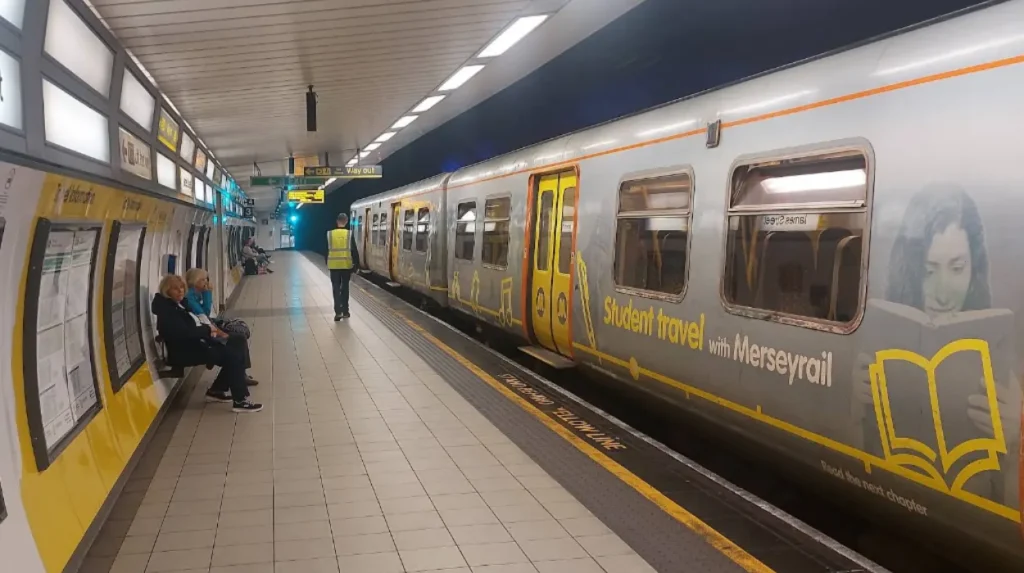
Transportation infrastructure in central Liverpool centers around major railway hubs, specifically Lime Street, Central, Moorfields, and James Street stations. These stations connect the urban core directly to the wider Merseyside region and national rail networks, facilitating rapid transit without the necessity of private vehicle ownership. Suburban commuters residing in areas such as Formby, Maghull, or West Kirby face fixed rail schedules or rely on the local road network, including the A562 and the M57 motorway. Peak-hour traffic congestion routinely extends travel times for suburban motorists, adding to daily fuel costs and parking fees within the city centre commercial zones. The Liverpool City Region Combined Authority continues to invest in active travel infrastructure, installing dedicated cycle lanes that benefit urban dwellers more than long-distance suburban commuters. Furthermore, evening and weekend public transport services operate with reduced frequency in outer zones, limiting spontaneous travel options for suburban residents after midnight. The choice of location directly dictates weekly transport expenditures, carbon footprint metrics, and the total time lost during daily transit routines.
What Variations Exist In Lifestyle Amenities and Social Infrastructure Across These Regions?
Liverpool city centre provides dense concentrations of retail outlets, restaurants, museums, and night entertainment venues within walking distance of residential blocks. Suburban areas offer lower densities of commercial amenities, relying instead on localized high streets, retail parks, and outdoor recreational spaces.
The social infrastructure of central Liverpool includes major cultural institutions, such as the Tate Liverpool, the World Museum, and the historic Royal Albert Dock complex. Residents in the urban core can access multiple supermarkets, independent coffee shops, theatres, and medical clinics without utilizing vehicular transport. Conversely, suburban neighborhoods feature localized commercial strips, such as Lark Lane in Aigburth or South Road in Crosby, which offer community-focused retail experiences. Green spaces in the city centre are limited to urban squares like Chavasse Park, whereas the suburbs boast expansive public parks, including Sefton Park, Calderstones Park, and Birkenhead Park. For instance, the Wirral peninsula offers substantial recreational events, as seen when birkenhead park hosts we are wirral festival this july weekend, drawing visitors from across the region. Suburban life also positions residents closer to natural coastal landscapes like Crosby Beach and Formby Pinewoods, enhancing opportunities for outdoor leisure activities. The variance in amenity distribution means urban living supports a fast-paced, consumer-driven lifestyle, while suburban environments favor localized community engagement and nature-oriented recreation.
How Do Educational Facilities And Family Environments Differ Between The Two Locations?
Suburban Liverpool contains a higher density of primary schools, secondary schools, and specialized academies rated highly by Ofsted inspectors, alongside larger family-oriented housing. The city centre contains fewer comprehensive schools, focusing its infrastructure instead on higher education campuses and young professional housing.
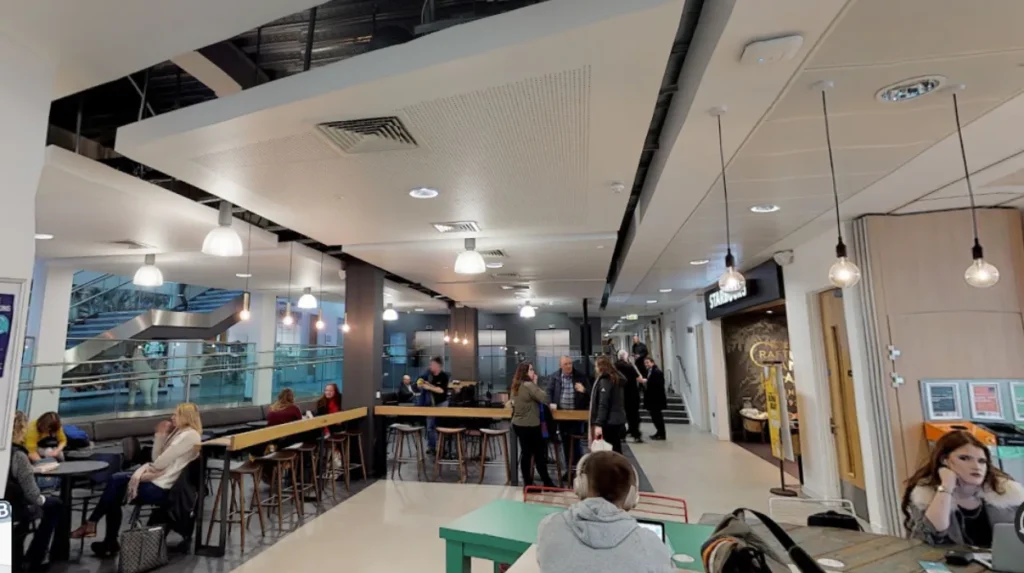
Families choosing a residential location frequently prioritize proximity to reputable educational institutions and low-density neighborhoods. Suburban districts like Woolton, Childwall, and Allerton feature established catchments for schools with strong academic track records, making them preferred choices for growing households. These areas provide safe play areas, cul-de-sacs, and community youth groups that are less prevalent in heavily commercialized urban environments. To understand how these neighborhoods rank for households, reviewing the best family friendly communities across liverpool and surrounding areas highlights the specific suburbs leading in childcare infrastructure. The city centre population consists predominantly of students attending the University of Liverpool, Liverpool John Moores University, and young working professionals without school-aged children. Urban apartments rarely feature private gardens or safe communal outdoor play zones, presenting logistical challenges for raising children. Consequently, demographic shifts show a clear pattern of residents migrating from the urban centre to outer suburban rings as their household sizes expand.
What Are The Long Term Investment Potentials And Demographic Trends For Each Area?
Urban property markets in Liverpool experience high rental demand from students and young professionals, yielding strong short-term returns for corporate investors. Suburban property markets exhibit steady, long-term capital appreciation driven by stable owner-occupiers and consistent demand from growing families.
Demographic analysis by urban planners indicates that Liverpool city centre has undergone rapid population growth over the past two decades, driven by regeneration initiatives. This trend maintains low void periods for landlords operating in the urban rental market, particularly in emerging quarters like the Baltic Triangle. However, suburban properties tend to retain their value more effectively during macroeconomic downturns due to the permanent demand for family housing. Capital growth statistics from the past decade show consistent upward trajectories in affluent suburban postcodes like L18 and L23 compared to volatile urban apartment sectors. Furthermore, emerging working models, including hybrid and remote office employment, have enhanced the appeal of suburban properties with dedicated home-office spaces. Investors must balance the immediate high rental yields found in central apartment complexes against the long-term asset security and capital growth characteristic of suburban houses. Future infrastructure developments, such as expanded rail links and green energy grids, will continue to influence property valuations across both urban and suburban landscapes.
Frequently Asked Questions
What is the average cost of renting a flat in Liverpool city centre compared to the suburbs?
Renting a one-bedroom apartment in Liverpool city centre generally costs between £800 and £1,200 per month depending on the specific district and property specifications. In contrast, renting an equivalent one-bedroom property in suburban areas like Bootle or Huyton typically costs between £550 and £750 per month, offering a substantial reduction in monthly housing expenditure.
Which suburban areas of Liverpool are best for commuting into the city centre via train?
Aigburth, Blundellsands, Crosby, Maghull, and West Kirby offer the most efficient rail connections to central Liverpool via the Merseyrail Northern and Wirral lines. Commute times from these specific stations into Moorfields or Liverpool Central range from fifteen to thirty minutes, operating with high frequency throughout the standard working week.
Are there any large public parks located directly within Liverpool city centre?
Liverpool city centre lacks expansive natural parks, offering instead smaller pocket parks and landscaped public zones such as Chavasse Park at Liverpool ONE and St John’s Gardens. Residents seeking expansive green spaces must travel to outer suburban zones to access major parks such as Sefton Park or Calderstones Park.
How does the crime rate in central Liverpool compare to the surrounding suburban areas?
Public data indicates that Liverpool city centre records a higher volume of transient crime, anti-social behavior, and retail theft due to its high density of commercial venues. Suburban neighborhoods generally report lower overall crime frequencies, though specific rates vary significantly between individual outer boroughs and residential estates.
Is parking widely available for residents living in Liverpool city centre housing developments?
Dedicated parking spaces are limited and highly expensive within Liverpool city centre, with many historic warehouse conversions and new apartment blocks offering no resident parking. Suburban properties almost universally include private driveways, dedicated garages, or unrestricted on-street parking options without requiring expensive local authority permits.