
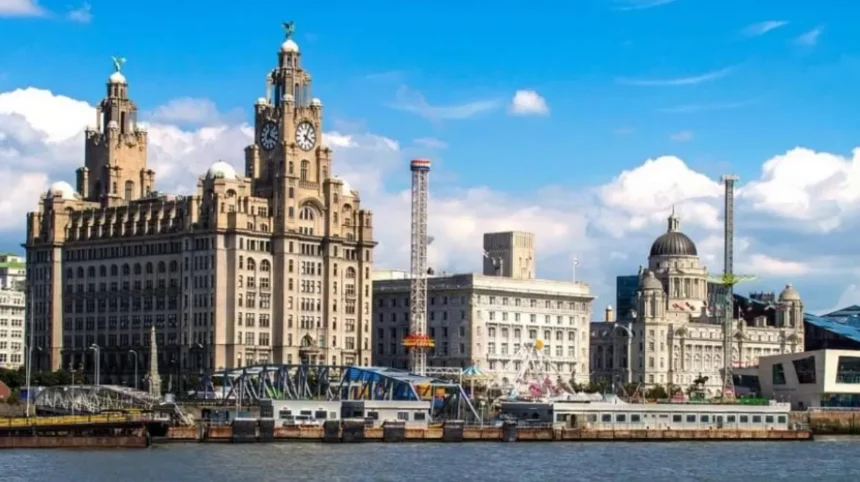
The residential property market in the city of Liverpool offers distinct financial advantages for individuals purchasing their initial home. According to official data from the Office for National Statistics, the average price paid by first-time buyers in Liverpool reached 169000 pounds in April 2026, marking a 3.8 percent increase from the previous year. This baseline valuation sits significantly below the United Kingdom national average house price of 270000 pounds, making the region a prime destination for entering the housing ladder. Buyers must evaluate macroeconomic indicators, transport infrastructure, and localized regeneration strategies to identify the specific neighborhoods that align with their personal budgets and long-term financial goals. Navigating this marketplace requires a comprehensive understanding of boundaries, historic property trends, and local municipal developments.
- Why is Liverpool an attractive property market for first-time buyers?
- Which northern neighborhoods offer affordable starter homes in Liverpool?
- What makes south Liverpool suitable for long-term residential property investment?
- How do central regeneration zones benefit young professional buyers in Liverpool?
- How to Utilize Internal Linking and Related Article Callouts Effectively
- Frequently Asked Questions
- What is the minimum deposit needed to buy a house in Liverpool?
- Are leasehold flats in the Liverpool City Centre a safe investment?
- Which Liverpool postcodes offer the highest potential capital growth?
- How much should a first-time buyer budget for extra purchasing fees?
- Is it better for a first-time buyer to choose north or south Liverpool?
Purchasing a property for the first time involves analyzing structural elements such as proximity to Merseyrail train stations, municipal council tax bands, and regional employment hubs. The Liverpool City Region contains diverse housing stocks that cater to specific buyer demographics, ranging from urban apartments to suburban terraced configurations. The local market is shaped by massive public capital projects and private sector investments that continuously alter neighborhood valuations and amenities. First-time buyers must systematically assess entry costs, historical capital appreciation, and immediate lifestyle factors before executing a purchase contract. By examining historical data alongside current market conditions, buyers can secure assets that protect their capital while providing stable accommodation. The following comprehensive assessment details the top micro-markets within the city boundaries to guide strategic investment decisions.
Why is Liverpool an attractive property market for first-time buyers?
The city of Liverpool provides an accessible entry point to the property ladder due to low average purchase costs and highly competitive mortgage deposit requirements. The Office for National Statistics confirms that provisional housing data for 2026 establishes Liverpool as one of the most affordable metropolitan areas in England. A standard two-bedroom terraced home or a modern city apartment allows buyers to maximize their purchasing power relative to surrounding regions. First-time buyers benefit from an abundant choice of housing styles, which includes historical brick terraces, converted dockland warehouses, and newly constructed suburban townhouses. These options ensure that individuals can find suitable properties without experiencing the extreme price inflation seen in southern English counties.
The ongoing economic expansion of the Knowledge Quarter and the Baltic Triangle creates sustainable local employment opportunities for incoming residents. Excellent transport infrastructure via the Merseyrail network links peripheral residential zones directly to the central business district within fifteen minutes. The city features massive municipal investment initiatives, such as the ten-billion-pound Liverpool Waters dockland redevelopment scheme and the ongoing expansion of local health sciences campuses. These structural enhancements guarantee long-term asset value growth and safeguard initial capital investments made by young property owners. The presence of three major universities, including the University of Liverpool, ensures that surrounding residential neighborhoods maintain strong localized retail economies and public amenities.
Which northern neighborhoods offer affordable starter homes in Liverpool?
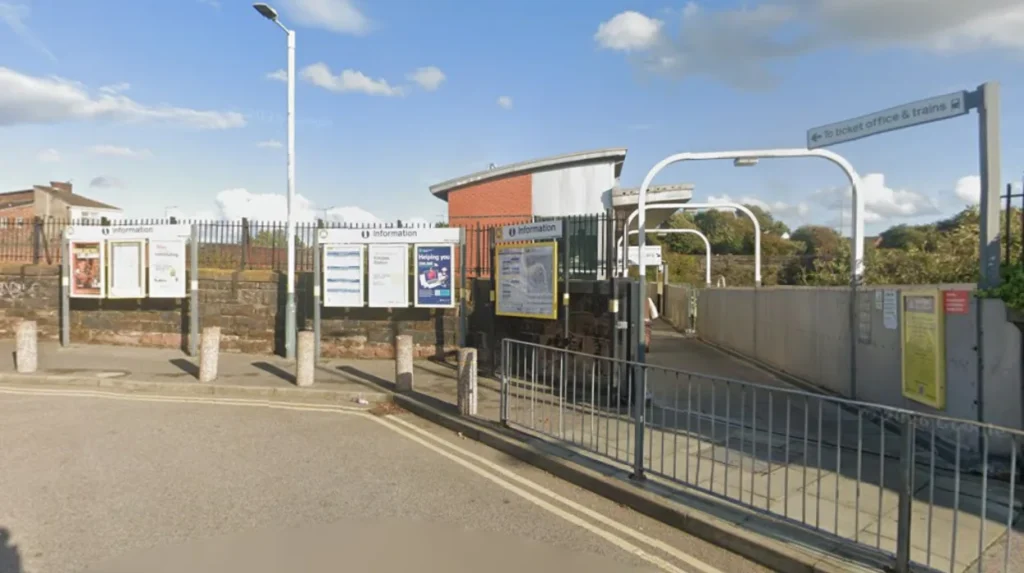
Northern districts within the Liverpool boundaries provide the lowest financial barriers to entry for individuals purchasing their very first residential asset. The postcodes of L4 and L5 encompass established districts, including Anfield, Everton, and Walton, where median property prices range from 95000 pounds to 150000 pounds. These areas consist predominantly of traditional brick terraced houses that feature two or three bedrooms, making them highly efficient spaces for small households. Buyers frequently choose these northern locations because the mortgage payments are mathematically lower than the average monthly private rental cost of 901 pounds. The proximity to the city centre allows residents to commute via regular municipal bus routes or direct rail links from Kirkdale station.
Significant investment from Liverpool City Council has transformed the infrastructure of these historic northern neighborhoods over the last decade. The local authority has directed millions of pounds into public parks, new schooling facilities, and commercial high streets to support working families. Potential buyers can review comprehensive regional breakdowns within the best family-friendly communities across Liverpool and surrounding areas to evaluate local safety and school performance metrics. Property values in districts like Walton remain highly stable due to consistent demand from both domestic occupiers and property investors. Choosing a home in these northern zones provides buyers with immediate affordability while preserving the potential for future equity growth.
What makes south Liverpool suitable for long-term residential property investment?
South Liverpool attracts first-time buyers who prioritize established green spaces, high-performing educational institutions, and premium cafe culture districts. Neighborhoods such as Wavertree, Aigburth, and Allerton feature higher entry prices, with average terraced and semi-detached properties selling between 170000 pounds and 260000 pounds. The L15 and L17 postcodes are characterized by expansive public parklands, such as Sefton Park and Calderstones Park, which elevate local land values. First-time buyers look toward these locations as permanent, long-term options where they can transition seamlessly from young professionals into growing family units. The availability of diverse independent retail outlets along Lark Lane and Smithdown Road provides excellent lifestyle amenities close to residential streets.
The transport connectivity in south Liverpool relies on frequent rail services from stations such as St Michaels, Mossley Hill, and Liverpool South Parkway. Properties located in the suburban enclave of Aigburth command a premium due to the low crime rates and the presence of top-tier primary schools. Similarly, the desirable district of Allerton continues to experience commercial commercial growth, with new leisure venues consistently enhancing the local nighttime economy. While the initial capital requirement is higher than northern alternatives, south Liverpool assets deliver excellent historical capital appreciation trends. First-time buyers in these areas secure resilient properties that maintain strong resale demand throughout all phases of the wider United Kingdom economic cycle.
How do central regeneration zones benefit young professional buyers in Liverpool?
Central regeneration zones appeal directly to young professional first-time buyers who require immediate proximity to corporate employers and urban nightlife entertainment. The Baltic Triangle and the commercial Business District offer modern apartment living, with average flat valuations hovering around 127000 pounds in 2026. These areas consist of newly constructed residential blocks that feature energy-efficient designs, secure underground parking facilities, and dedicated concierge services. Buying a leasehold apartment in the city centre eliminates the immediate maintenance responsibilities associated with older freehold terraced housing options. The location allows residents to walk to major work complexes, the Royal Albert Dock, and the Liverpool One retail district without incurring commuting costs.
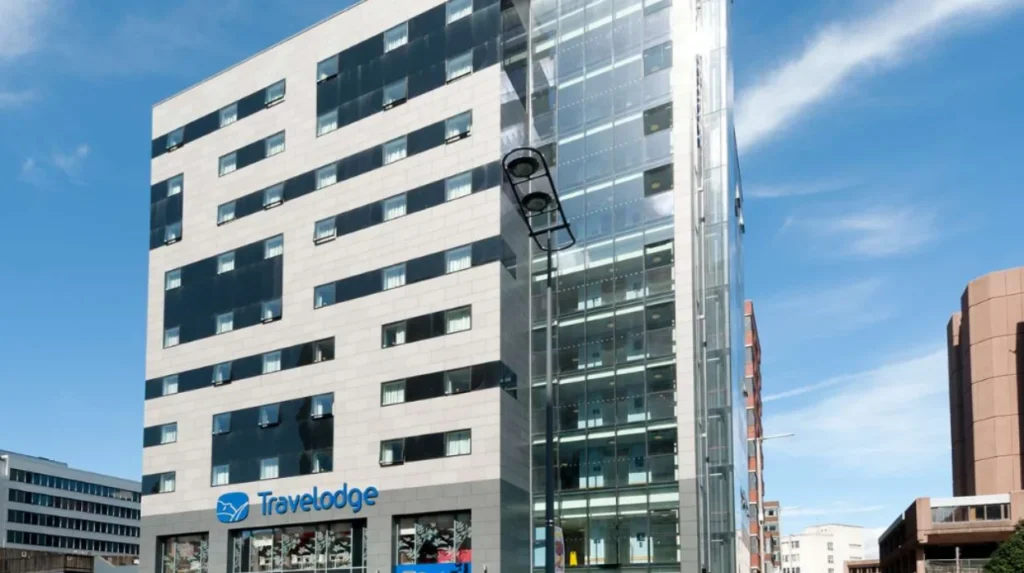
Capital growth in the central districts remains supported by ongoing commercial developments and the expanding digital technology sector based in L1 postcodes. The transformation of former industrial warehouses into creative workspaces attracts global corporations and creates high-value employment positions within the city. Young professionals utilize these central apartments as strategic stepping stones, building equity over several years before moving to outer suburbs. The high density of population in the city centre ensures that these residential units remain highly liquid assets if owners decide to sell. Investing in a central apartment provides immediate lifestyle integration alongside a reliable asset that benefits from the macroeconomic growth of Liverpool.
How to Utilize Internal Linking and Related Article Callouts Effectively
To maximize the search engine performance and user navigation of this property article, publishers must implement structural internal links strategically. Publishers must place clear callouts such as Read More or Related Article directly between major content sections to guide readers toward hyper-local news and neighborhood safety updates. These contextual links must use precise anchor text that describes the destination page exactly, avoiding generic phrases like click here. For example, placing a related article link regarding south Liverpool amenities right below the south Liverpool H2 section directly improves user engagement metrics. This technical arrangement allows search engine web crawlers to map the site hierarchy efficiently and index new neighborhood reports quickly.
Frequently Asked Questions
What is the minimum deposit needed to buy a house in Liverpool?
First-time buyers generally require a minimum deposit of 5 percent to 10 percent of the total property purchase price. Based on the 2026 average first-time buyer price of 169000 pounds, a buyer needs a saved capital sum between 8450 pounds and 169000 pounds. Lenders evaluate individual credit scores and annual salaries to determine the exact mortgage loan terms.
Are leasehold flats in the Liverpool City Centre a safe investment?
Leasehold apartments in central Liverpool offer stable long-term value if the underlying lease exceeds one hundred and twenty-five years. Buyers must verify the annual ground rent terms and service charge costs with a qualified property conveyancer before exchanging contracts. Central apartments deliver strong rental demand and consistent liquidity within the local market.
Which Liverpool postcodes offer the highest potential capital growth?
The postcodes showing consistent capital appreciation include L8 on the edge of the city centre and L15 encompassing Wavertree. These areas benefit from continuous private sector housing renovations and expanding transport infrastructure connections. The ongoing commercial developments in the Knowledge Quarter drive sustained demand in these specific boundary lines.
How much should a first-time buyer budget for extra purchasing fees?
Buyers must allocate between 2000 pounds and 4000 pounds above the standard deposit amount to cover mandatory transactional expenses. These expenses include independent building surveys, professional conveyancing solicitor fees, mortgage arrangement costs, and local land registry charges. First-time buyers in Liverpool are generally exempt from standard Stamp Duty Land Tax on properties under 425000 pounds.
Is it better for a first-time buyer to choose north or south Liverpool?
North Liverpool postcodes like L4 and L5 suit buyers who prioritize low purchase prices and high immediate affordability options. South Liverpool postcodes like L17 and L18 suit individuals focusing on premium public parks, top-tier schools, and long-term family accommodation. The final choice depends entirely on individual salary levels and specific commuting requirements.