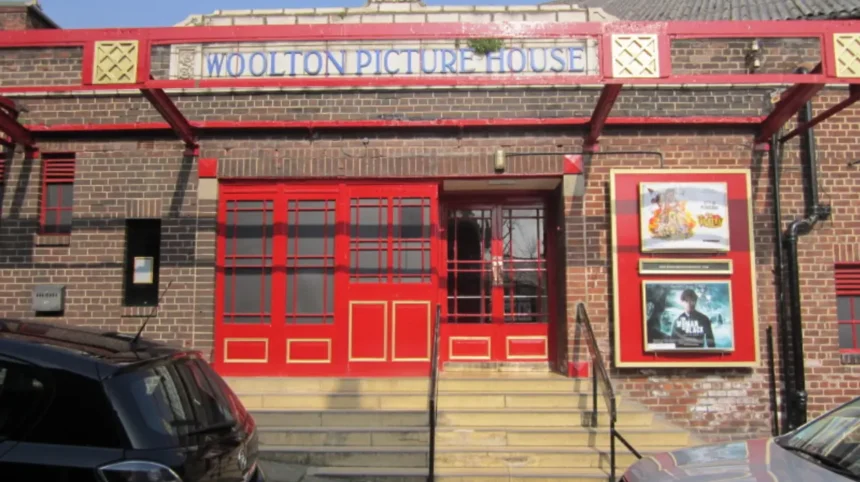
Woolton Picturehouse is Liverpool’s oldest surviving single-screen independent cinema, opening its doors on January 28, 1928. Designed by architect Lionel Arthur George Prichard, the auditorium originally accommodated 860 patrons in a classic Art Deco layout.
- What Cinematic Experience and Screenings Does the Venue Offer?
- How Does Woolton Picturehouse Connect to Beatles History and Film Culture?
- Where Is Woolton Picturehouse Located and How Can Visitors Access It?
- What Impact Does Independent Cinema Have on Liverpool’s Local Community?
- Frequently Asked Questions
- What makes Woolton Picturehouse different from multiplex cinemas in Liverpool?
- Is Woolton Picturehouse the oldest cinema operating in Liverpool?
- Did The Beatles actually visit Woolton Picturehouse?
- How do I get to Woolton Picturehouse using public transport from Liverpool City Centre?
- What film genres and events are screened at Woolton Picturehouse?
The establishment of the cinema marked a major cultural development for the suburban village of Woolton in south Liverpool. Entrepreneur Alfred Adams formed the Woolton Picture House Co. Ltd. to construct a neighborhood picture palace capable of presenting silent cinema and newsreels. Construction work was carried out by general contractor G.R. Wright of Litherland under a magistrate license. The venue opened during the golden age of British picture houses when neighborhood screens formed the primary social hub for working-class and suburban communities.
Architecturally, the venue retains structural features rare in modern exhibition venues. Lionel Arthur George Prichard designed the interior with classical proscenium framing and single-tier auditorium seating. During the 1930s, operators adjusted the front screen structure to accommodate early audio speakers for sound films. The building maintained continuous operation through World War II, serving as a vital news reel station for residents. In the mid-1980s, extensive renovations modernized the seating layout, reducing total capacity to 256 seats to improve patron comfort.
The cinema represents an enduring architectural bridge between historic exhibition formats and contemporary suburban entertainment. Many independent venues across the United Kingdom underwent conversion into bingo halls, supermarkets, or residential units during the late twentieth century. Woolton Picturehouse preserved its original single-screen configuration, retrofitting modern digital projection while retaining legacy equipment like Westar 35mm projectors. The preservation of its internal proscenium arch, vintage front canopy, and ticket foyer keeps the structural integrity of early twentieth-century cinema design intact.
What Cinematic Experience and Screenings Does the Venue Offer?
Woolton Picturehouse provides a single-screen cinema experience that combines digital projection standards with vintage auditorium charm. The venue screens mainstream blockbusters, independent films, holiday classics, and curated retrospective cinema in an intimate setting.
The auditorium features a total capacity of 256 plush Pullman-style seats arranged across a single rake. Viewers experience traditional interval pauses, an iconic feature maintained from mid-century cinema traditions. Ice cream treats are served directly to audience members during these intermissions by usher staff. Projection options bridge historic media and modern formats, utilizing digital projection setups alongside classic 35mm film equipment stored in the projection room. Sound delivery relies on direct acoustics reinforced by modern sound processing units.
Programming at the venue balances current theatrical releases with special seasonal events. Traditional film runs focus on acclaimed drama titles, family-friendly animated features, and independent British productions. Special holiday events include annual screenings of festive films during December, attracting multi-generational family visitors. Cinema clubs and heritage film circles frequently utilize the venue for retrospective screenings of classic Hollywood features and classic British cinema. This varied programming provides an alternative to multiplex theater chains operating across Merseyside.
The exhibition style prioritizes cinematic immersion and social connection over commercial high-throughput screening. Multiplex operators emphasize rapid turnover between digital screenings across dozen-screen complexes. Woolton Picturehouse concentrates community focus onto a single communal screen event. Viewers share a single projection experience in an acoustic space uncompromised by partition walls. The inclusion of traditional ushering, physical tickets, and interval refreshment services reinforces a historic cinema culture that modern commercial venues have phased out.
How Does Woolton Picturehouse Connect to Beatles History and Film Culture?
Woolton Picturehouse forms a structural part of south Liverpool’s Beatles heritage trail and cultural film history. John Lennon and Paul McCartney attended film screenings at the cinema during their formative childhood years in Woolton.
The geographic location of the venue on Mason Street places it near key sites in Beatles history. John Lennon lived nearby at Mendips on Menlove Avenue, while Paul McCartney resided a short distance away in Allerton. Both figures visited the venue regularly during the 1940s and 1950s to watch weekend matinees and newsreels. The neighborhood surrounding the cinema contains St Peter’s Church, where Lennon and McCartney met in July 1957. The venue thus forms an essential stop for cultural historians tracking the early environments of the musicians.
The cinema’s distinct aesthetic led to its selection as an authentic filming location for motion pictures. Director Sam Taylor-Wood featured the exterior and interior of the cinema in the 2009 biographical drama Nowhere Boy. The film depicted John Lennon’s early life, youth culture, and first band, The Quarrymen. Including the picture house in the production highlighted its authentic visual match for 1950s Britain. National publications, including The Guardian, recognized the location by placing it on lists of top independent film venues in Britain.
The cultural footprint of the cinema extends beyond film projection into music history tourism. Thousands of international visitors travel to Woolton annually to explore Beatles-related landmarks. The picture house provides tangible physical context for the mid-century suburban environment that shaped post-war British pop culture. Visiting the venue allows tourists to experience the exact physical spaces frequented by local artists prior to their global fame, connecting suburban architecture directly to international music history.
Where Is Woolton Picturehouse Located and How Can Visitors Access It?
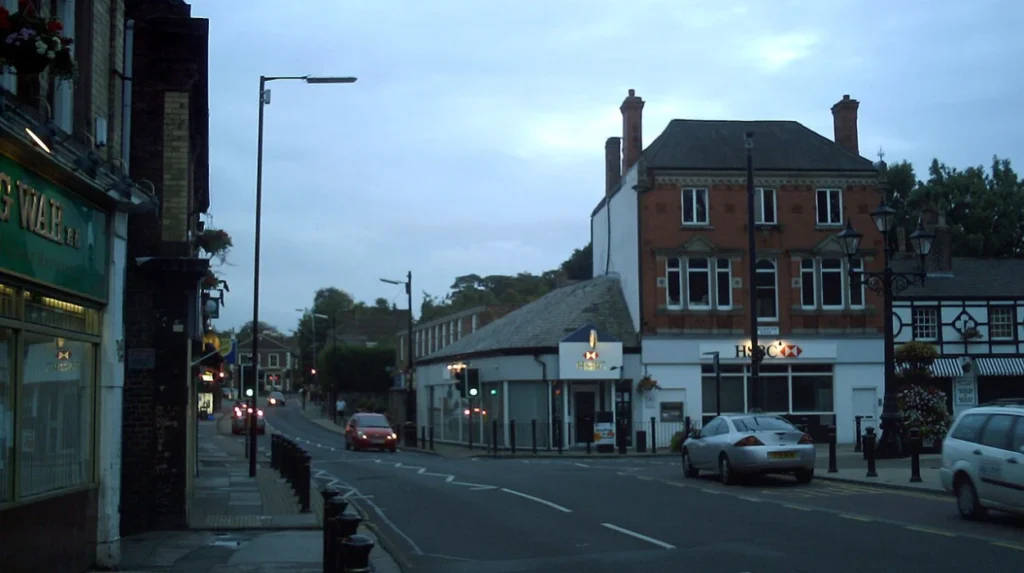
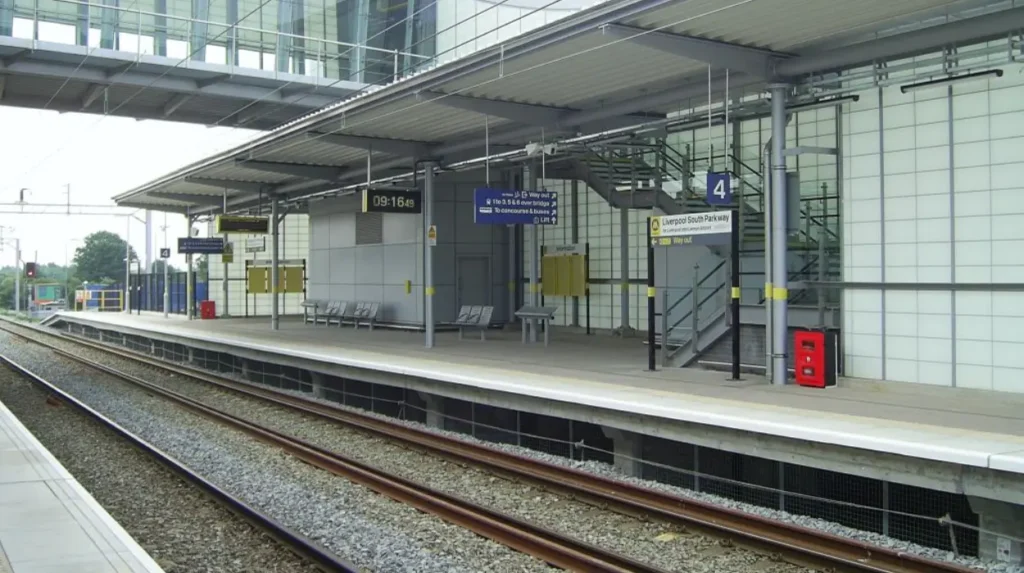
Woolton Picturehouse is located at 3 Mason Street, Woolton, Liverpool, L25 5JH. Visitors can access the venue via local public bus routes, regional rail connections at nearby stations, or direct road networks via the A562. The venue sits in the heart of Woolton Village, a designated conservation area located approximately 6 miles southeast of Liverpool City Centre. Mason Street connects directly to Woolton Street and Church Road, forming part of the primary historic quarter. Arriving by public transport is straightforward using Merseytravel bus network routes 75, 78, 79, and 81, which stop near Woolton Street. Regional trains operated by Northern Rail stop at nearby Hunts Cross Station and Liverpool South Parkway, where visitors can catch connecting local buses.
Visitors driving to the location access Woolton via the A562 road network or the M62 motorway via the A5080 exit. On-street parking is available along Mason Street and surrounding residential roads, though spaces are limited during peak hours. Off-street public parking options exist near Woolton Street and High Street within short walking distance of the cinema entrance. Visitors using ride-share services or taxis can set pick-up and drop-off points directly outside the main canopy entrance on Mason Street.
Accessing the site connects travelers to a wider pedestrian-friendly village precinct. The venue is positioned within short walking distances of local eateries, historic pubs, and green spaces like Reynolds Park and Woolton Woods. Accessible entrances are positioned at street level on Mason Street to assist visitors with mobility equipment. Clear signage throughout Woolton Village directs walking visitors from major bus stops directly to the front facade of the cinema on Mason Street.
What Impact Does Independent Cinema Have on Liverpool’s Local Community?
Independent cinemas like Woolton Picturehouse generate localized economic activity, preserve architectural heritage, and foster community cohesion. They provide distinct spaces for local cultural engagement distinct from commercial entertainment complexes.
Independent picture houses act as anchor institutions for suburban high streets and village centers. Patrons visiting the picture house generate foot traffic for neighboring independent businesses, including cafes, restaurants, and retail shops. Local supply chains benefit through venue operations, maintenance contracting, and food purchasing. Unlike multiplex cinemas situated in out-of-town retail parks, historic single-screen venues circulate consumer spending directly within traditional high-street economies.
Social cohesion increases through localized cinema operations. Woolton Picturehouse serves as a intergenerational meeting place where residents gather for shared cultural experiences. Community campaigns to protect and support the venue during period closures demonstrate strong local civic engagement. Educational groups, historical societies, and youth organizations utilize the facility to host community events, screenings, and local heritage discussions. The venue offers a physical anchor for community identity in south Liverpool.
The preservation of independent exhibition venues safeguards cultural diversity in film distribution. Commercial multiplex chains prioritize wide-release studio blockbusters to maximize seat occupancy across multi-screen complexes. Independent venues dedicate screen time to regional films, historic retrospectives, and niche documentaries. Preserving single-screen venues ensures varied film programming remains accessible to local audiences, protecting cinematic heritage and supporting independent filmmakers across the region.
Frequently Asked Questions
What makes Woolton Picturehouse different from multiplex cinemas in Liverpool?
Woolton Picturehouse offers a historic single-screen environment featuring Art Deco architecture, Pullman seating, and traditional intermission ice cream service. Unlike modern multiplexes, it retains classic mid-century cinema charm, operating as a preserved heritage venue rather than a multi-screen commercial complex.
Is Woolton Picturehouse the oldest cinema operating in Liverpool?
Woolton Picturehouse is recognized as Liverpool’s oldest surviving single-screen independent cinema. Opening in January 1928, it has survived nearly a century of changes in film exhibition, remaining a key landmark of Merseyside’s cultural heritage.
Did The Beatles actually visit Woolton Picturehouse?
John Lennon and Paul McCartney both frequented Woolton Picturehouse during their childhood and teenage years growing up in south Liverpool. The cinema sits close to their former childhood homes and St Peter’s Church, making it an integral part of Beatles local history.
How do I get to Woolton Picturehouse using public transport from Liverpool City Centre?
Visitors can take Merseytravel bus services 75, 78, or 79 directly from Liverpool City Centre to Woolton Village. Alternatively, take a train to Liverpool South Parkway or Hunts Cross station, followed by a short local bus or taxi ride to Mason Street.
What film genres and events are screened at Woolton Picturehouse?
The venue screens a curated mixture of contemporary mainstream releases, family features, independent British films, and special seasonal classics. It frequently hosts holiday screening events and classic retrospective films for local cinema enthusiasts.