

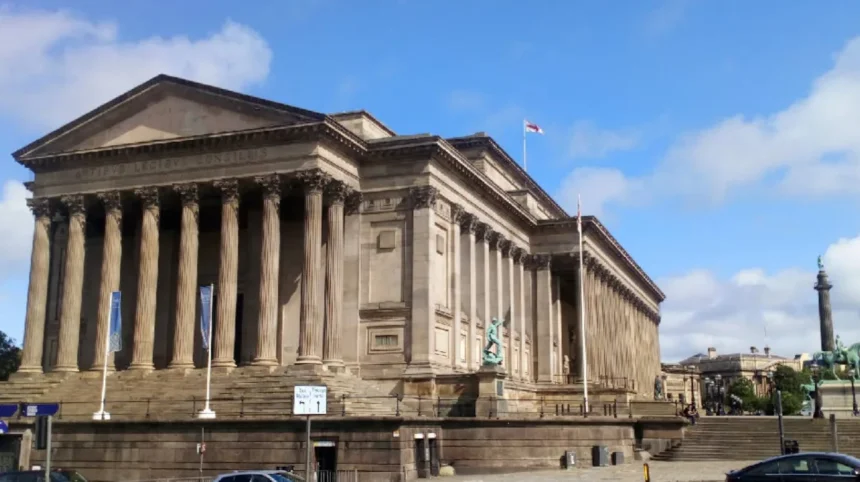
Liverpool is a major metropolitan city in North West England with a population of approximately 500,000 residents. The city features a diverse property market spanning historic city center districts and affluent suburban neighborhoods. Identifying the optimal residential location depends on proximity to employment hubs, educational institutions, and transport infrastructure. South Liverpool contains highly sought-after areas featuring Victorian architecture and extensive green spaces. Northern suburbs provide coastal access and established residential communities. The urban core offers high-density apartment living near commercial and cultural centers.
- What are the top residential areas in Liverpool?
- How does the cost of living compare across Liverpool neighborhoods?
- Which Liverpool areas offer the best transport links?
- Where are the best places for families with children to live in Liverpool?
- Which Liverpool neighborhoods attract young professionals and creatives?
- What historical factors shaped the best residential areas in Liverpool?
- FAQs About the Best Place To Live In Liverpool
What are the top residential areas in Liverpool?
The top residential areas in Liverpool include the Georgian Quarter for historic city living, Aigburth and Allerton for suburban family environments, and Crosby for coastal access. The Baltic Triangle district serves as the primary hub for young professionals and creatives.
The Georgian Quarter features 18th-century terraced townhouses and sits adjacent to the Liverpool Cathedral. Aigburth borders the 235-acre Sefton Park and provides immediate access to Lark Lane commercial amenities. Allerton offers excellent educational facilities and contains the historic Penny Lane district. Crosby provides residents with waterfront access and contains the famous Another Place art installation. The Baltic Triangle functions as the central creative district with numerous converted industrial warehouses. These areas represent the highest demand zones within the current Liverpool property market.
South Liverpool Neighborhoods
South Liverpool encompasses districts such as Woolton, Childwall, and Mossley Hill. Woolton operates as a designated conservation area with a distinct village center and historic sandstone buildings. Childwall features semi-detached residential properties built during the 1930s suburban expansion. Mossley Hill provides direct rail connections to the city center via the local Merseyrail station. These southern districts consistently record the highest property values within the metropolitan boundary. Buyers target these locations for their established infrastructure and extremely low crime rates.
Coastal and Northern Suburbs
The northern corridor includes areas such as Formby, Maghull, and Waterloo. Formby features extensive pine woods and a coastline protected by the National Trust. Maghull sits eight miles northeast of the city center and provides lower-density housing options. Waterloo serves as a transition zone between the urban core and the Sefton coastline. These locations offer larger plot sizes compared to central and southern districts. Residents benefit from the Northern Line rail services connecting these suburbs directly to Liverpool Central.
How does the cost of living compare across Liverpool neighborhoods?
Living costs in Liverpool vary significantly by postal code, with South Liverpool demanding premium property prices and higher rental rates. Northern suburbs offer moderate pricing, while East Liverpool provides the most affordable housing options for entry-level buyers and residential renters.
The overall cost of living in Liverpool remains approximately 20 percent lower than the United Kingdom national average. Property prices in the Georgian Quarter routinely exceed 350,000 pounds for a standard terraced home. Aigburth and Allerton maintain average property values of 280,000 pounds. In contrast, eastern districts such as West Derby offer average property prices near 180,000 pounds. Rental markets follow similar pricing trajectories across these geographical boundaries. Premium postcodes dictate higher council tax bands and elevated local service costs.
Average Property Prices
The Liverpool property market experiences steady capital appreciation across all major residential zones. Detached properties in Formby and Woolton frequently command prices above 500,000 pounds. Semi-detached homes in Maghull and Childwall average between 220,000 and 260,000 pounds. City center apartments in the Baltic Triangle range from 140,000 to 200,000 pounds depending on total floor space. Terraced housing remains the dominant property type across the entire metropolitan area. Buyers must calculate stamp duty and local search fees when budgeting for a Liverpool purchase.
Rental Market Trends
The rental sector in Liverpool caters to a massive population of university students and young professionals. Average monthly rents in the city center reach 950 pounds for a one-bedroom apartment. Suburban family homes in Aigburth and Crosby rent for approximately 1,200 to 1,500 pounds per month. The Baltic Triangle experiences high tenant turnover due to its demographic of transient young workers. Landlords in Liverpool must comply with specific local authority property licensing schemes. Rental yields in central districts remain highly competitive compared to other northern English cities.
Which Liverpool areas offer the best transport links?
Central Liverpool, Aigburth, and Maghull provide the best transport links through direct access to the Merseyrail network and major arterial roads. These specific locations guarantee commute times under twenty minutes to the central business district and regional transport infrastructure hubs.
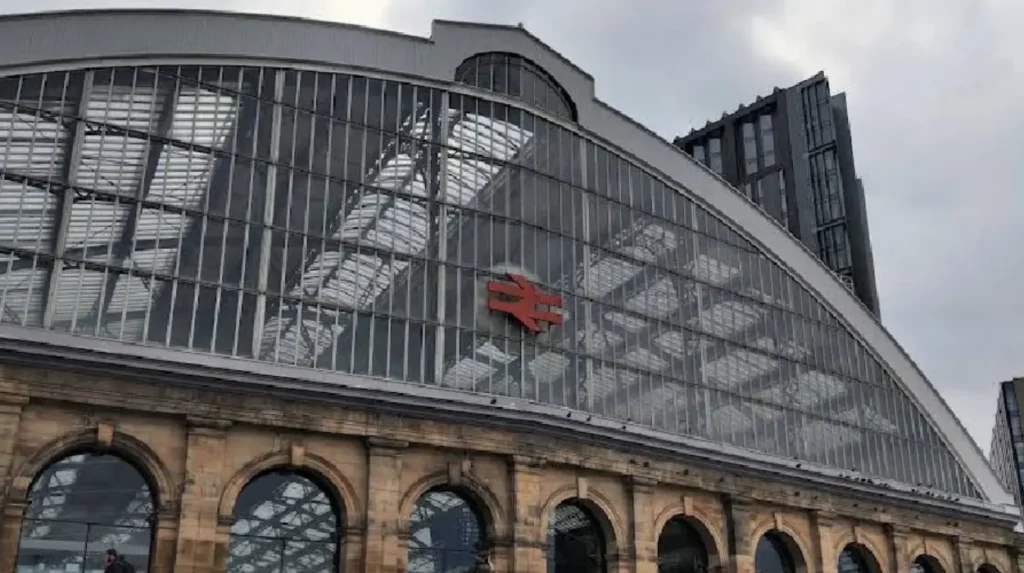
The Merseyrail network operates 68 individual stations across the metropolitan area and surrounding boroughs. Liverpool Lime Street serves as the primary terminus for national rail services connecting to London and Manchester. The M62 motorway originates in Liverpool and provides a direct route across the Pennines. Aigburth benefits from St Michaels station, delivering passengers to the city center in exactly 10 minutes. Crosby utilizes the Northern Line for rapid public transit along the Sefton coast. Effective transport infrastructure directly correlates with sustained property demand in these specific neighborhoods.
Merseyrail Network Connectivity
Merseyrail operates two primary routes known as the Northern Line and the Wirral Line. The Northern Line connects Hunts Cross in the south directly to Southport in the north. The Wirral Line provides subterranean transit beneath the River Mersey to the Wirral Peninsula. Stations such as Waterloo and Mossley Hill feature high daily footfall from commuting professionals. The system maintains a high punctuality rate compared to other regional rail transport networks. Properties located within a 10-minute walk of a Merseyrail station consistently command a verified price premium.
Road and Bus Infrastructure
Arterial roads such as Queens Drive form a functional ring road around the city center. The A561 connects South Liverpool directly to the Baltic Triangle and commercial docks. Arriva and Stagecoach operate extensive bus networks serving areas without direct rail access. The city center features dedicated bus lanes to expedite public transit during peak hours. Liverpool John Lennon Airport sits in the southern district of Speke. This local airport provides vital international flight connections for residents across the entire metropolitan region.
Where are the best places for families with children to live in Liverpool?
Woolton, Childwall, and Crosby represent the absolute best places for families to live in Liverpool. These areas feature outstanding educational institutions, low crime rates, abundant green spaces, and community-focused infrastructure specifically designed to support family development and extensive child welfare.
Family demographics heavily influence the housing market dynamics in South and North Liverpool. Woolton contains multiple primary schools rated as outstanding by the Office for Standards in Education. Childwall provides a quiet suburban environment completely removed from late-night commercial activities. Crosby offers families direct access to coastal environments for outdoor recreational activities. These areas feature large semi-detached and detached homes equipped with private rear gardens. Families prioritize these locations to secure placements in high-performing local secondary schools.
Proximity to Educational Institutions
School catchment areas dictate property purchasing decisions for most families relocating to Liverpool. The Blue Coat School in Wavertree stands as a highly selective and prestigious educational institution. St Margarets Church of England Academy in Aigburth consistently achieves excellent annual academic results. Crosby houses prominent independent facilities such as Merchant Taylors School. Properties located within tight catchment radii of these schools rarely enter the open property market. Parents monitor boundary changes annually to ensure their property retains its strategic educational advantages.
Access to Green Spaces and Parks
Liverpool contains over 10 recognized parks and expansive municipal green corridors. Sefton Park spans 235 acres and features a historic Grade II listed palm house. Calderstones Park in Allerton includes botanical gardens and a large recreational boating lake. Croxteth Country Park in West Derby offers 500 acres of woodland and agricultural pasture. These green spaces provide vital infrastructure for children’s physical health and daily exercise routines. Municipal authorities maintain designated play areas and sports facilities strictly within these park boundaries.
Which Liverpool neighborhoods attract young professionals and creatives?
The Baltic Triangle and the Georgian Quarter attract the majority of young professionals and creatives in Liverpool. These districts offer high-density apartment living, immediate access to cultural venues, independent commercial enterprises, and co-working spaces tailored strictly for modern digital industries.
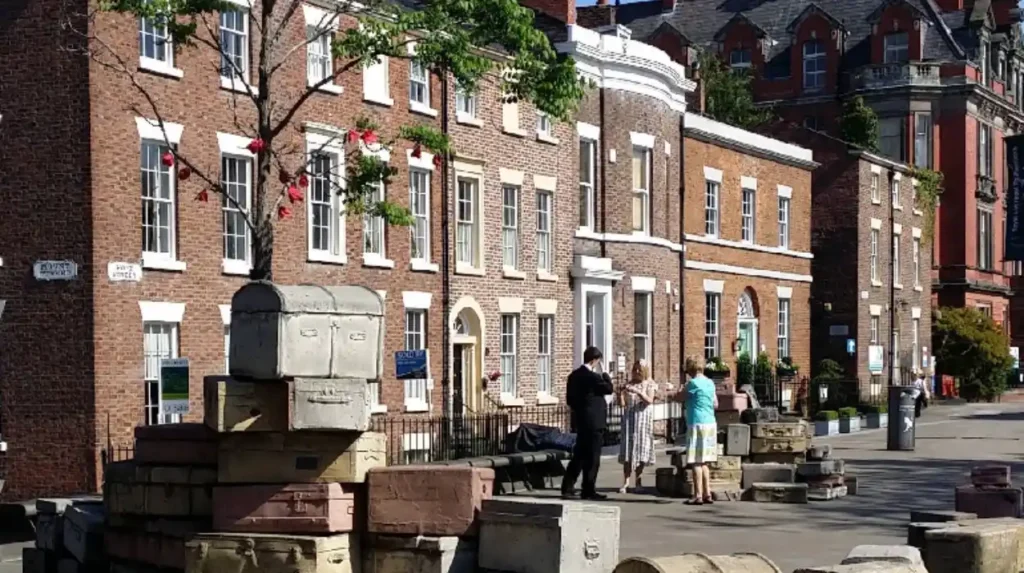
The Baltic Triangle transformed from an abandoned industrial zone into a premier digital hub. This area houses numerous technology startups, creative agencies, and independent hospitality venues. The Georgian Quarter appeals to professionals seeking historic architecture and a refined dining culture. Both locations sit within a 15-minute walking radius of the central business district. Young professionals prioritize walkability and cultural engagement over private outdoor living spaces. These demographics drive the rapid construction of new residential towers and historic warehouse conversions.
The Baltic Triangle District
The Baltic Triangle borders the southern edge of the city center and the historical docklands. The area features prominent venues such as the Baltic Market and Cains Brewery Village. Developers continuously convert former shipping warehouses into modern loft apartments and studio spaces. The district hosts regular networking events, technology summits, and creative industry exhibitions. A new Merseyrail station is planned for this district to increase overall public connectivity. This specific neighborhood functions as the primary economic engine for Liverpool’s modern digital economy.
The Georgian Quarter
The Georgian Quarter contains the highest concentration of Georgian townhouses outside of London. The area houses the Royal Liverpool Philharmonic Orchestra and the Everyman Theatre. Professionals working in higher education and medicine frequently purchase property in this district. The neighborhood connects the University of Liverpool campus directly to the city center core. Residents enjoy wide cobbled streets and mature street trees lining the historic residential avenues. The strict architectural preservation of this district maintains its status as a premium urban destination.
What historical factors shaped the best residential areas in Liverpool?
The mercantile wealth generated during the nineteenth century directly shaped Liverpool’s best residential areas. Wealthy merchants constructed the Georgian Quarter and South Liverpool suburbs to escape the industrial pollution of the central docklands and the heavily congested commercial riverfront zones.
Liverpool operated as a dominant global port during the height of the British Empire. This economic prosperity funded the construction of grand civic buildings and expansive public parks. Merchants built massive villas in areas like Aigburth and Allerton to display their immense personal wealth. The arrival of the railway network in the mid-19th century facilitated early suburban expansion. Areas like Waterloo and Crosby developed as designated seaside resorts for the Victorian elite. These historical development patterns permanently established the baseline desirability of the southern and coastal districts.
Industrial Expansion and Urban Flight
The rapid expansion of the northern docks brought severe overcrowding to the city center. Industrial pollution from factories and shipping operations blanketed the immediate urban core. Affluent citizens actively relocated upwind to the south to avoid the dense industrial smog. This migration pattern concentrated municipal investments and infrastructure improvements in specific southern neighborhoods. The legacy of this urban flight remains visible in the stark architectural contrasts across the city. Modern residential desirability still largely mirrors these specific historical boundaries established centuries ago.
Architectural Heritage and Conservation
Local authorities actively protect the historic character of premium Liverpool neighborhoods through conservation area designations. The Georgian Quarter strictly regulates any exterior modifications to preserve visual architectural uniformity. Woolton Village maintains its distinct sandstone architecture through rigorous local planning enforcement. Sefton Park retains its original Victorian landscaping and structural municipal monuments. These preservation efforts prevent commercial overdevelopment and successfully maintain high regional property valuations. Buyers invest in these areas specifically to secure properties with verified historical provenance and structural integrity.
FAQs About the Best Place To Live In Liverpool
Is the cost of living in Liverpool cheaper than in other major UK cities?
Yes, the overall cost of living in Liverpool remains approximately 20 percent lower than the United Kingdom national average, making it highly attractive for relocation. While premium areas like South Liverpool demand higher property prices, the city generally offers significantly more affordable housing and rental options compared to London or Manchester. This affordability makes it an excellent choice for first-time buyers and young renters.
Which Liverpool neighborhoods are the safest and best for young families?
South Liverpool districts such as Woolton and Childwall, alongside coastal Crosby, are highly recommended for families prioritizing safety and community infrastructure. These established neighborhoods boast extremely low crime rates, outstanding Ofsted-rated schools, and expansive green spaces like Sefton Park. The abundance of large semi-detached homes with private gardens makes them the perfect environment for raising children safely.
Where should young professionals and creatives look to rent in Liverpool?
The Baltic Triangle and the historic Georgian Quarter are the premier residential destinations for young professionals, tech workers, and creatives. The Baltic Triangle functions as a thriving digital hub featuring modern warehouse conversions, co-working spaces, and vibrant independent markets. Alternatively, the Georgian Quarter offers a more refined, historic atmosphere that sits just a short 15-minute walk from the central business district.
What are the average property and rental prices in Liverpool’s city center?
In highly sought-after city center hotspots like the Baltic Triangle, modern apartment purchases typically range from 140,000 to 200,000 pounds, depending heavily on total floor space. For those looking to rent, average monthly costs in the city core reach approximately 950 pounds for a standard one-bedroom apartment. These central districts experience high tenant demand and offer excellent rental yields for property investors.