
Liverpool is one of the United Kingdom’s most historically significant cities. Its maritime heritage, cultural institutions, music history, architecture, and museums make it a destination that remains accessible throughout the year. Rain, strong winds, and overcast skies are common features of Liverpool’s climate, yet the city’s indoor attractions preserve centuries of history and culture regardless of weather conditions.
- Why is Liverpool still worth visiting during bad weather?
- What museums reveal Liverpool’s history during rainy weather?
- How does the Museum of Liverpool explain the city’s development?
- How does Merseyside Maritime Museum preserve Liverpool’s port history?
- Why is the International Slavery Museum historically important?
- How can visitors explore Liverpool’s architecture without spending time outdoors?
- What makes St George’s Hall an important historic building?
- Why are Liverpool’s cathedrals useful destinations during bad weather?
- What can visitors learn from Liverpool’s historic libraries?
- How does Liverpool’s cultural heritage provide indoor experiences?
- Why is Liverpool associated with music history?
- What role do galleries play in preserving Liverpool’s heritage?
- How does theatre contribute to Liverpool’s identity?
- What indoor activities help visitors understand Liverpool’s maritime heritage?
- How did the docks transform Liverpool?
- Why is migration history important in Liverpool?
- How does maritime heritage influence Liverpool today?
- Which indoor heritage sites offer educational value for families and students?
- How do museums support historical education?
- Why are archives important for researchers?
- What makes Liverpool useful for genealogy?
- How has Liverpool adapted to weather and environmental challenges throughout history?
- How did climate affect urban planning?
- How did transportation evolve?
- Why does this historical adaptation matter now?
- What makes Liverpool one of Britain’s best cities for all-weather tourism?
Visitors often plan waterfront walks, football stadium tours, and outdoor sightseeing. When weather conditions change unexpectedly, Liverpool still offers a broad range of experiences that provide insight into the city’s development from a medieval settlement to a global port. Understanding how Liverpool adapted to changing economic, social, and environmental conditions helps explain why the city remains attractive during every season.
Why is Liverpool still worth visiting during bad weather?
Liverpool offers museums, galleries, historic buildings, libraries, cultural venues, and heritage attractions that operate throughout the year. These indoor destinations preserve the city’s maritime, industrial, architectural, and cultural history, allowing visitors to experience Liverpool’s significance regardless of rain, wind, or seasonal weather conditions.
Weather has influenced Liverpool since its emergence as a trading settlement on the eastern side of the River Mersey. The city developed around maritime commerce, and local architecture evolved to accommodate a climate characterized by frequent rainfall and strong Atlantic weather systems.
Many of Liverpool’s most important attractions were designed as indoor institutions. During the nineteenth century, civic leaders invested heavily in libraries, museums, galleries, and public buildings. These developments reflected Liverpool’s status as one of the world’s leading ports during the Industrial Revolution.
Today, visitors can continue exploring these historic spaces even when outdoor plans become impractical. Indoor attractions provide direct access to collections, archives, architecture, and exhibitions that explain Liverpool’s role in global trade, migration, science, and popular culture.
The city’s concentration of indoor heritage sites is unusually high. Several institutions are located within walking distance of one another, reducing exposure to poor weather while allowing visitors to experience multiple aspects of Liverpool’s history in a single day.
What museums reveal Liverpool’s history during rainy weather?
Liverpool’s museums preserve evidence of maritime trade, industrial growth, migration, scientific innovation, and social change. Their collections span several centuries and provide structured historical narratives that help visitors understand how Liverpool became one of Britain’s most influential urban centres.
Museums occupy a central position in Liverpool’s cultural landscape. Their collections document the city’s transformation from a small medieval borough into a major international port.
How does the Museum of Liverpool explain the city’s development?
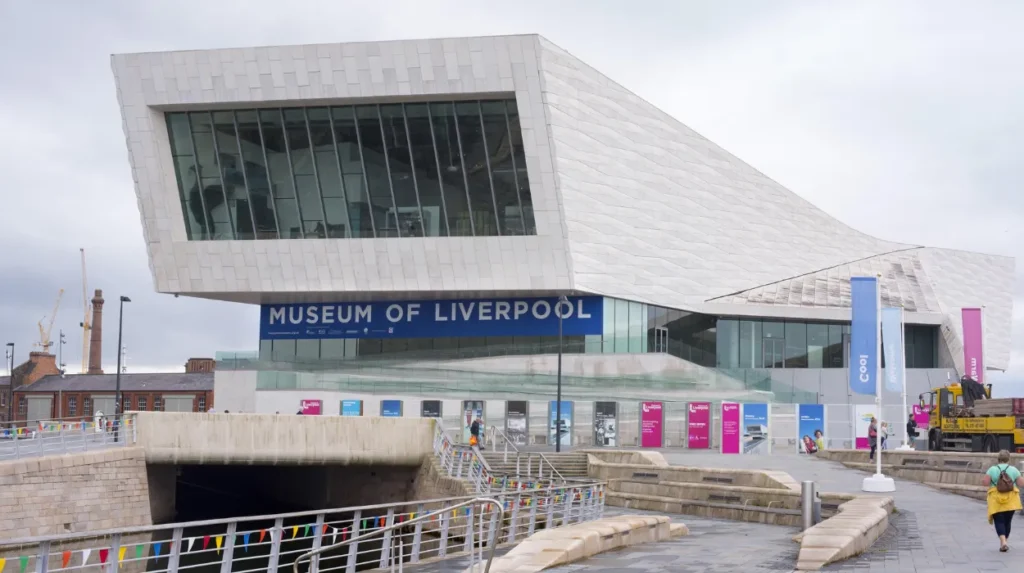
The Museum of Liverpool opened in 2011 and serves as the principal institution dedicated to the city’s social and urban history. Its galleries trace Liverpool’s evolution through commerce, transportation, housing, sport, and cultural life.
Exhibits examine the expansion of the docks during the eighteenth century and nineteenth century. They also document population growth driven by migration from Ireland, Wales, Scotland, and overseas territories.
Objects, photographs, maps, and oral histories demonstrate how industrialisation altered daily life. Visitors gain insight into economic cycles, wartime experiences, and regeneration efforts that reshaped the city during the twentieth century and twenty-first century.
How does Merseyside Maritime Museum preserve Liverpool’s port history?
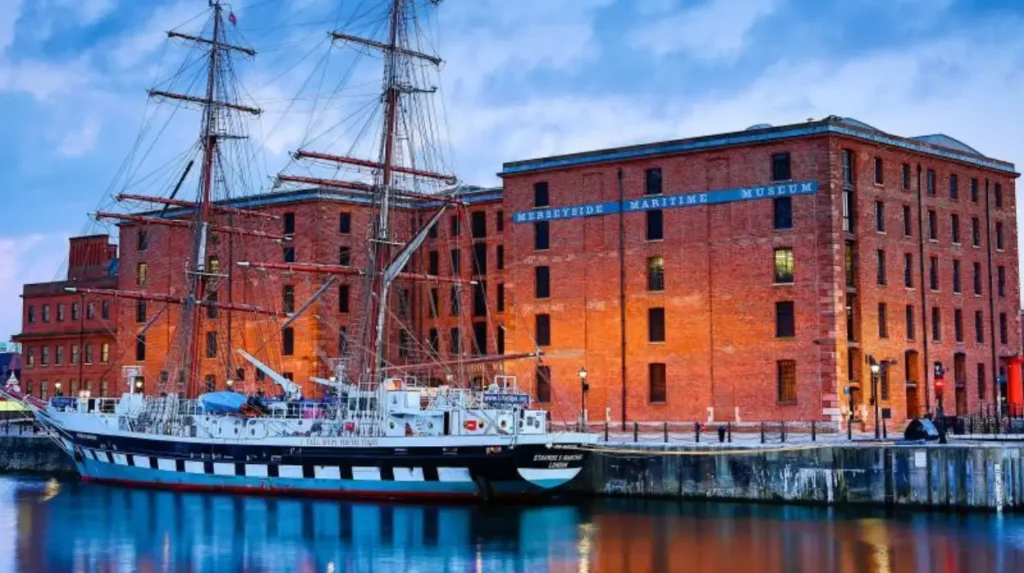
Liverpool’s identity is closely linked to maritime commerce. The Merseyside Maritime Museum documents shipping, navigation, migration, and naval history.
The museum contains records relating to the Port of Liverpool, which became one of the busiest ports in the world during the nineteenth century. Historical material explains the movement of goods, passengers, and information across global trade routes.
Collections also address transatlantic migration. Millions of travellers passed through Liverpool while journeying to North America and other destinations. These records remain valuable for genealogical researchers tracing family histories.
Why is the International Slavery Museum historically important?
The International Slavery Museum examines the transatlantic slave trade and its long-term consequences. Liverpool played a major role in Britain’s involvement in the trade during the eighteenth century.
Exhibitions present historical evidence relating to economic systems, human exploitation, resistance movements, and abolition campaigns. Educational resources connect historical events with contemporary discussions about human rights and social justice.
The museum contributes to a broader understanding of Liverpool’s global influence and historical responsibilities.
How can visitors explore Liverpool’s architecture without spending time outdoors?
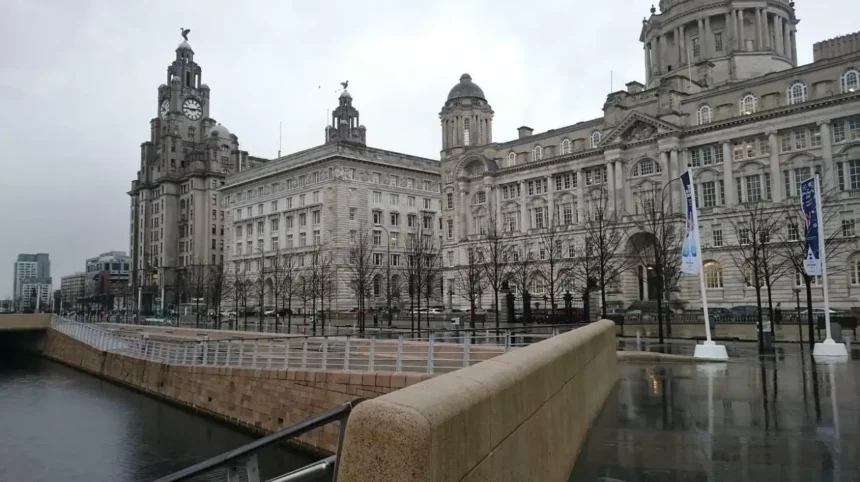
Liverpool’s major historic buildings contain accessible interiors that showcase Victorian engineering, civic ambition, religious architecture, and commercial development. These structures allow visitors to study architectural history while remaining protected from adverse weather conditions throughout the year.
Architecture represents one of Liverpool’s greatest historical assets. Many significant buildings include public interiors that remain open regardless of weather.
What makes St George’s Hall an important historic building?
Completed in 1854, St George’s Hall is widely regarded as one of the finest examples of neoclassical architecture in Europe.
The building served judicial, civic, and ceremonial functions. Its Great Hall contains one of the largest barrel-vaulted ceilings in the world. Decorative features include marble columns, mosaics, sculptures, and intricate stonework.
Architect Harvey Lonsdale Elmes designed the structure during a period when Liverpool sought to express economic strength and civic confidence through monumental public architecture.
Visitors can study Victorian engineering techniques and decorative arts while remaining entirely indoors.
Why are Liverpool’s cathedrals useful destinations during bad weather?
Liverpool contains two internationally significant cathedrals.
The Anglican Cathedral was designed by architect Giles Gilbert Scott. Construction began in 1904 and continued for decades. The structure ranks among the largest cathedrals in the world.
The Metropolitan Cathedral, completed in 1967, represents a contrasting modern architectural style. Its circular design reflects post-war religious and architectural innovation.
Together, these buildings demonstrate changing approaches to religious architecture across the twentieth century.
What can visitors learn from Liverpool’s historic libraries?
Libraries preserve documentary evidence that supports historical research and education.
Liverpool Central Library reopened after extensive restoration in 2013. Its collections include archives, manuscripts, maps, newspapers, and local records.
The historic Picton Reading Room remains one of the city’s most impressive interior spaces. Researchers, students, and visitors use these resources to investigate Liverpool’s social, economic, and cultural development.
How does Liverpool’s cultural heritage provide indoor experiences?
Liverpool’s cultural institutions preserve artistic, musical, literary, and theatrical traditions. These venues demonstrate how creativity contributed to the city’s identity and continue offering educational experiences that remain accessible despite changing weather conditions.
Cultural heritage extends beyond traditional museums. Liverpool’s artistic institutions reveal the city’s influence on national and international culture.
Why is Liverpool associated with music history?
Liverpool achieved global recognition through its contribution to popular music.
The city became internationally famous during the 1960s through the success of The Beatles. Their influence transformed Liverpool into a destination for music tourism.
Exhibitions dedicated to the group document recording history, performance culture, and social change during post-war Britain.
Music venues, archives, and interpretive displays provide visitors with opportunities to understand the broader Merseybeat movement and its historical context.
What role do galleries play in preserving Liverpool’s heritage?
Art galleries preserve visual records of changing societies.
The Walker Art Gallery houses collections ranging from medieval works to contemporary art. Paintings, sculptures, and decorative objects provide evidence of artistic trends across several centuries.
Exhibitions frequently explore historical themes connected to politics, industry, religion, and everyday life.
Indoor galleries offer educational experiences that complement museum visits and deepen understanding of Liverpool’s cultural development.
How does theatre contribute to Liverpool’s identity?
Theatre has played an important role in Liverpool since the eighteenth century.
Historic venues and performance spaces continue traditions of drama, music, and public entertainment. Productions often explore regional history, social issues, and cultural identity.
These institutions demonstrate how performing arts contribute to civic life and historical memory.
What indoor activities help visitors understand Liverpool’s maritime heritage?
Liverpool’s maritime history can be explored through dockside museums, preserved records, exhibitions, and historic waterfront buildings. Indoor interpretation centres explain the commercial networks, migration patterns, and technological developments that shaped Liverpool’s rise as a global port city.
The city’s waterfront remains central to its historical narrative.
How did the docks transform Liverpool?
Dock construction expanded significantly during the eighteenth century and nineteenth century.
Liverpool developed one of the world’s largest dock systems. Engineers introduced new technologies to handle increasing cargo volumes associated with industrialisation and global trade.
Indoor exhibitions explain how dock operations functioned and how maritime infrastructure supported economic growth.
Why is migration history important in Liverpool?
Liverpool served as a major migration gateway.
Millions of people departed from or arrived through the city. Irish migration became particularly significant during the nineteenth century, especially during the Great Famine.
Museum collections preserve passenger records, photographs, letters, and personal objects that document these journeys.
Genealogical researchers often use these materials to reconstruct family histories and migration pathways.
How does maritime heritage influence Liverpool today?
Modern regeneration projects continue to draw upon maritime identity.
Historic warehouses, dock buildings, and commercial structures have been adapted for new purposes while retaining historical character.
To experience this historic landmark in person today, consult our comprehensive [Top Indoor Things to Do in Liverpool During Rainy Days] for itineraries and visiting parameters.
The integration of heritage preservation and contemporary development demonstrates how historical assets continue contributing to economic and cultural life.
Which indoor heritage sites offer educational value for families and students?
Liverpool’s museums, libraries, galleries, archives, and cultural institutions provide structured educational resources. These facilities support historical learning through exhibitions, primary documents, artefacts, and interpretation programmes that remain accessible throughout the year regardless of weather conditions.
Educational tourism forms an important component of Liverpool’s visitor economy.
How do museums support historical education?
Museum collections provide direct engagement with historical evidence.
Artefacts, documents, photographs, and interactive exhibits help explain chronological developments and historical processes.
Students can examine examples from multiple periods, including medieval Liverpool, industrial Liverpool, wartime Liverpool, and contemporary Liverpool.
Why are archives important for researchers?
Archives preserve primary sources that support historical investigation.
Documents such as municipal records, census data, shipping manifests, newspapers, and correspondence provide detailed evidence of historical events.
Researchers use these materials to analyse demographic change, economic development, urban planning, and social conditions.
What makes Liverpool useful for genealogy?
Liverpool’s migration history created extensive documentary records.
Passenger lists, parish registers, census records, and local archives help genealogists trace family connections.
These resources attract researchers from Britain, Ireland, North America, Australia, and New Zealand seeking information about ancestors connected to Liverpool.
How has Liverpool adapted to weather and environmental challenges throughout history?
Liverpool’s urban development reflects centuries of adaptation to coastal weather, maritime conditions, and industrial demands. Public buildings, transport systems, and civic institutions were designed to maintain economic activity and community life despite challenging environmental conditions.
Environmental factors have influenced Liverpool since its earliest development.
How did climate affect urban planning?
Frequent rainfall and maritime weather shaped architectural design.
Public buildings incorporated durable materials, covered entrances, and substantial interior spaces. Commercial districts developed around structures capable of supporting year-round activity.
These design choices improved resilience and supported economic continuity.
How did transportation evolve?
Transport networks reduced dependence on favourable weather.
Railways, covered stations, tunnels, and enclosed commercial facilities improved movement throughout the city. Infrastructure investments strengthened Liverpool’s role as a trading and transportation hub.
Many of these historic systems continue serving residents and visitors today.
Why does this historical adaptation matter now?
Historical adaptation demonstrates the relationship between environment and urban development.
Liverpool’s institutions evolved to function effectively despite climatic challenges. Modern visitors benefit from this legacy through access to extensive indoor heritage attractions.
The city’s ability to preserve and repurpose historic buildings ensures that cultural experiences remain available regardless of seasonal conditions.
What makes Liverpool one of Britain’s best cities for all-weather tourism?
Liverpool combines concentrated cultural institutions, preserved historic architecture, internationally significant museums, and accessible educational resources. This combination allows visitors to engage with centuries of history and heritage without depending on favourable weather, making the city a reliable year-round destination.
Liverpool’s historical significance extends far beyond its waterfront views and outdoor landmarks. The city preserves evidence of maritime expansion, industrial growth, migration, architectural innovation, artistic achievement, and social change within institutions designed for public access.
Museums document centuries of economic and cultural transformation. Galleries preserve artistic traditions. Libraries safeguard documentary heritage. Cathedrals illustrate architectural evolution. Maritime collections explain Liverpool’s role in global trade and migration networks.
These resources create a resilient tourism environment that functions effectively in every season. Rainy days do not limit opportunities for historical exploration. Instead, they often encourage deeper engagement with the collections, archives, and architectural spaces that define Liverpool’s heritage.
For visitors, educators, students, historians, and cultural tourists, Liverpool remains one of the United Kingdom’s most rewarding destinations when weather conditions alter outdoor plans. Its indoor attractions preserve the city’s past while continuing to educate new generations about the forces that shaped one of Britain’s most influential urban centres.
What are the best indoor things to do in Liverpool when it rains?
Some of the best indoor attractions include the Museum of Liverpool, Merseyside Maritime Museum, International Slavery Museum, The Beatles Story, Walker Art Gallery, and Liverpool Central Library.