
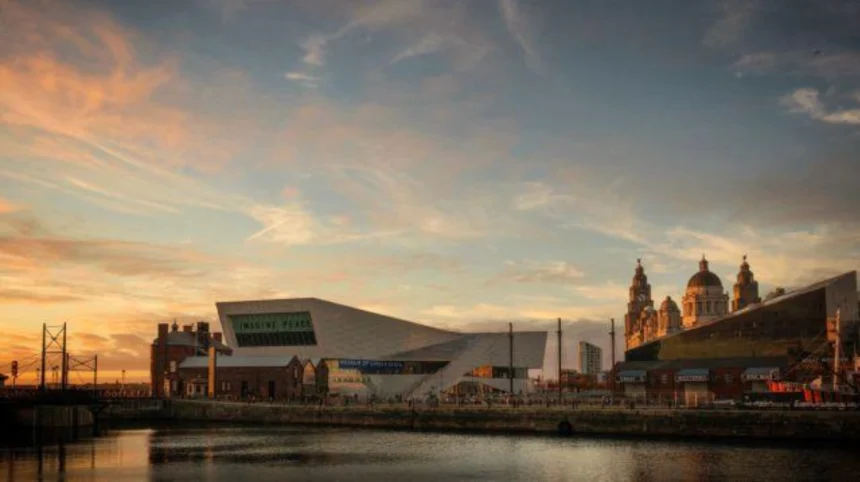
Liverpool is one of the United Kingdom’s most historically significant cities. Located on the eastern side of the River Mersey in northwest England, the city developed into a major maritime centre during the eighteenth and nineteenth centuries. Today, Liverpool combines its maritime heritage, cultural institutions, architectural landmarks, and creative industries to provide a wide range of indoor attractions that remain accessible throughout the year. Rain is a common feature of Liverpool’s climate, making indoor experiences an important part of the city’s tourism offering.
- Why is Liverpool an ideal city for indoor cultural experiences during rainy weather?
- Which museums provide the best insight into Liverpool’s history?
- What can visitors learn inside Liverpool’s historic waterfront buildings?
- How does The Beatles Story explain Liverpool’s musical heritage?
- What art collections can visitors explore indoors in Liverpool?
- Why are Liverpool’s libraries and archives important historical resources?
- How do indoor heritage attractions preserve Liverpool’s maritime past?
- What educational experiences are available for families on rainy days?
- How do Liverpool’s theatres and performance venues contribute to cultural heritage?
- Why do indoor attractions remain essential to Liverpool’s tourism economy?
For visitors interested in history, culture, education, and heritage, Liverpool offers museums, galleries, libraries, performance venues, historic buildings, and immersive exhibitions that reveal the city’s development from a medieval borough to a global port. These attractions preserve significant collections, support research, and provide educational opportunities while remaining suitable for rainy-day visits.
Why is Liverpool an ideal city for indoor cultural experiences during rainy weather?
Liverpool contains nationally important museums, galleries, historic buildings, archives, and cultural institutions concentrated within a compact city centre. This combination allows visitors to explore maritime history, music heritage, architecture, art, and science without weather-related disruption while gaining a comprehensive understanding of Liverpool’s development.
Liverpool’s modern identity is closely linked to its role as a major trading port. During the nineteenth century, it became one of the world’s busiest maritime gateways. The city’s prosperity funded the construction of civic buildings, museums, libraries, and educational institutions that continue to operate today.
Many indoor attractions are located within the historic waterfront district and surrounding city centre. This concentration reduces travel time between sites and allows visitors to spend entire days exploring cultural landmarks regardless of weather conditions.
The city also possesses a diverse historical record. Liverpool’s history includes maritime trade, industrial expansion, migration, architecture, music, social reform, and scientific advancement. Indoor attractions preserve evidence from each of these areas, creating a broad educational experience.
To experience Liverpool’s historic districts and attractions in person today, consult our comprehensive [How to Enjoy Liverpool When the Weather Ruins Your Plans] for itineraries and visiting parameters.
Which museums provide the best insight into Liverpool’s history?
Liverpool’s museums preserve evidence of maritime commerce, international migration, industrial development, archaeology, military history, and social change. Their collections contain millions of artefacts that document local, national, and global events connected to Liverpool across several centuries.
The Museum of Liverpool is the city’s largest museum dedicated specifically to local history. Opened in 2011, it houses collections covering urban development, transportation, sporting culture, and community life. Exhibitions explain how Liverpool evolved from a small medieval settlement into a major global port.
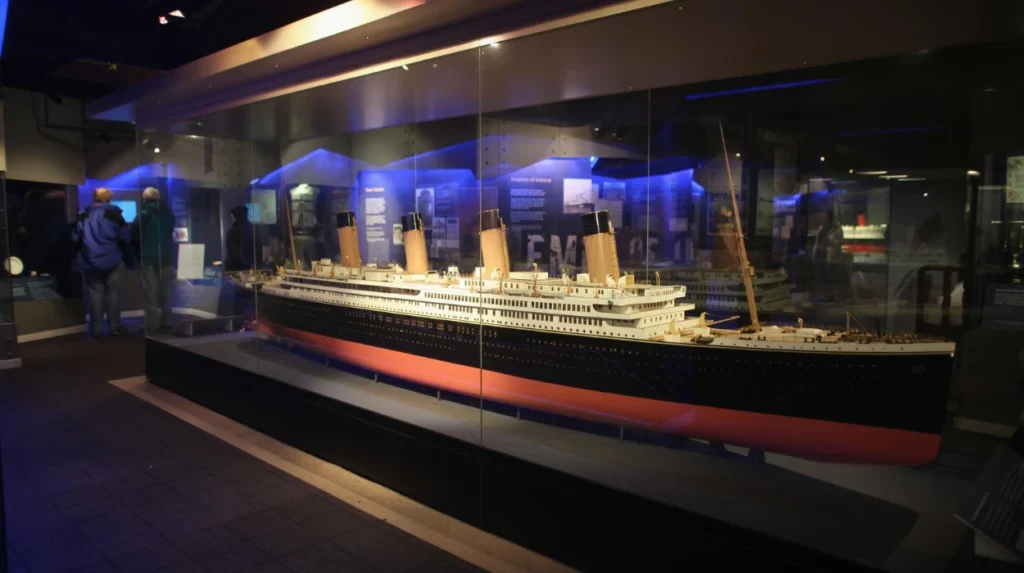
The Merseyside Maritime Museum examines Liverpool’s relationship with shipping and international trade. The museum documents the city’s role in Atlantic commerce, passenger migration, naval history, and maritime technology. Exhibits include ship models, navigation equipment, archival records, and personal accounts from seafarers.
The International Slavery Museum explores the history of the transatlantic slave trade and its lasting consequences. Liverpool played a significant role in the eighteenth-century slave economy, making this institution an important educational resource. The museum examines economic systems, resistance movements, abolition campaigns, and contemporary human rights issues.
World Museum Liverpool contains collections relating to archaeology, natural history, physical sciences, and world cultures. The institution traces its origins to 1851 and remains one of the city’s most visited attractions. Its exhibits connect local history to global developments across thousands of years.
Together, these museums provide a chronological understanding of Liverpool’s emergence as a commercial, cultural, and international city.
What can visitors learn inside Liverpool’s historic waterfront buildings?
Liverpool’s waterfront buildings demonstrate the city’s economic growth during the nineteenth and early twentieth centuries. Their interiors reveal architectural innovation, commercial administration, maritime operations, and civic development that supported Liverpool’s position within global trade networks.
The Liverpool waterfront became one of the world’s most significant commercial districts during the Victorian period. Warehouses, offices, customs facilities, and shipping headquarters lined the docks and riverfront.
The Royal Liver Building, completed in 1911, remains one of Liverpool’s most recognizable landmarks. Constructed using reinforced concrete technology, it represented modern engineering during the early twentieth century. Interior tours explain the building’s design, commercial purpose, and significance within Liverpool’s skyline.
The Cunard Building reflects Liverpool’s role in passenger shipping. During the era of transatlantic migration, shipping companies managed passenger movements between Britain, Europe, North America, and other destinations from offices located along the waterfront.
Port administration buildings preserved records of cargo movements, shipping schedules, customs procedures, and commercial transactions. These operations connected Liverpool to international markets and contributed significantly to Britain’s industrial economy.
Today, guided tours and exhibitions inside historic waterfront buildings provide insight into the systems that supported one of the world’s busiest ports.
How does The Beatles Story explain Liverpool’s musical heritage?
The Beatles Story documents the formation, development, and global impact of The Beatles through immersive exhibitions, archival materials, reconstructed environments, and multimedia displays that connect Liverpool’s local music scene to international cultural history.
Liverpool’s musical identity extends beyond tourism. The city produced numerous influential performers, but The Beatles remain its most globally recognized cultural export.
The Beatles Story traces the band’s origins from Liverpool’s post-war music scene. Exhibitions explain how John Lennon, Paul McCartney, George Harrison, and Ringo Starr developed their musical careers within local clubs and performance venues.
Reconstructed environments allow visitors to understand the social and cultural settings that influenced the band’s early years. Displays include photographs, recordings, instruments, personal memorabilia, and documentary materials.
The attraction also examines the broader impact of the British music industry during the 1960s. Liverpool became associated with the Merseybeat movement, a musical phenomenon that influenced popular culture internationally.
Educational exhibits connect local developments to global trends in entertainment, media, youth culture, and recording technology.
What art collections can visitors explore indoors in Liverpool?
Liverpool possesses one of the United Kingdom’s most significant public art collections. Galleries preserve works spanning several centuries, including European paintings, contemporary art, sculpture, decorative arts, and nationally important cultural collections accessible throughout the year.
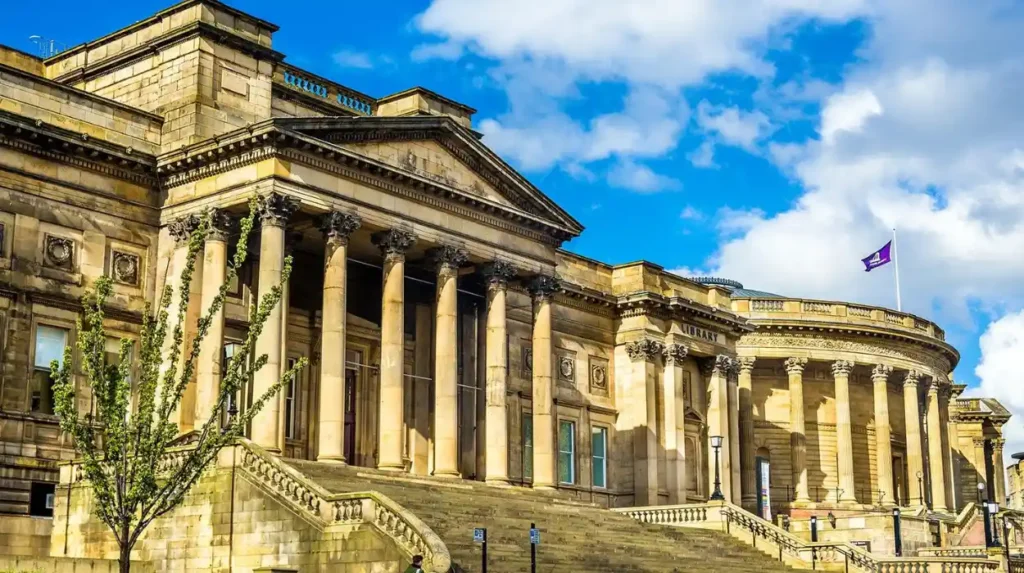
The Walker Art Gallery is often described as the “National Gallery of the North.” Established in 1877, it houses extensive collections covering British and European artistic traditions.
Its galleries contain works from multiple periods, including Renaissance examples, Victorian paintings, twentieth-century art, and contemporary exhibitions. These collections document changing artistic movements, cultural values, and technical developments.
Tate Liverpool has played a significant role in presenting modern and contemporary art since opening in 1988. The institution expanded Liverpool’s reputation as a centre for cultural engagement and artistic research.
Art galleries provide important educational value because they preserve visual records of historical events, social conditions, political ideas, and cultural identities. Through paintings, sculpture, and mixed-media works, visitors gain insight into changing perspectives across different periods.
Liverpool’s galleries therefore complement its museums by documenting historical change through artistic expression rather than artefacts alone.
Why are Liverpool’s libraries and archives important historical resources?
Liverpool’s libraries and archives preserve documentary evidence relating to local government, commerce, family history, architecture, education, and social development. These collections support academic research, genealogical investigation, and public understanding of Liverpool’s historical evolution.
Central Library serves as Liverpool’s principal public research library. The current building incorporates historic architectural elements while providing modern research facilities.
Its collections include rare books, newspapers, maps, photographs, and municipal records. Researchers use these materials to study urban development, population changes, commercial activities, and social history.
Genealogical researchers frequently consult archival materials to trace family connections within Liverpool and surrounding regions. Passenger records, census documents, and local directories provide valuable evidence regarding migration and settlement patterns.
Libraries also preserve intellectual history. Collections reveal how education, literacy, publishing, and public knowledge developed over time. Historical newspapers document political debates, economic changes, and everyday life across multiple generations.
These resources make Liverpool an important destination for historians, educators, and family-history researchers.
How do indoor heritage attractions preserve Liverpool’s maritime past?
Liverpool’s maritime heritage attractions preserve ships, artefacts, engineering records, navigation technology, and personal accounts that illustrate how maritime activity shaped the city’s economy, population growth, and international connections across several centuries.
Maritime commerce formed the foundation of Liverpool’s economic development. The city expanded rapidly between the eighteenth and twentieth centuries because of shipping activity.
Historic dock systems demonstrate advances in engineering and logistics. Liverpool’s enclosed dock network became one of the world’s most sophisticated port infrastructures during the Industrial Revolution.
Indoor exhibitions explain how cargo handling, shipbuilding, navigation, and trade administration operated. Artefacts include maritime instruments, communication equipment, shipping documents, and engineering models.
Migration history also forms a major component of Liverpool’s maritime story. Millions of passengers travelled through the port during the nineteenth and early twentieth centuries. These movements connected Liverpool to North America, Australia, and other destinations.
Museums preserve passenger records, personal belongings, and oral histories that document the experiences of migrants and seafarers.
Through these collections, visitors gain a detailed understanding of maritime systems that influenced both local and global history.
What educational experiences are available for families on rainy days?
Liverpool offers educational indoor experiences combining history, science, archaeology, natural history, and cultural learning. Interactive exhibitions encourage engagement while presenting evidence-based information suitable for children, students, educators, and lifelong learners.
The World Museum provides one of Liverpool’s most comprehensive educational environments. Archaeological collections document ancient civilizations, including Egypt, Greece, and Rome.
Natural history exhibits explain biodiversity, geology, and environmental change. Scientific displays introduce concepts relating to physics, astronomy, and technological development.
Planetarium presentations help visitors understand astronomical research and space exploration. Educational programming supports curriculum objectives for schools and universities.
Museums also provide temporary exhibitions focused on specific historical themes. These exhibitions introduce new research findings and expand public access to specialist knowledge.
Educational institutions increasingly emphasize experiential learning. Liverpool’s indoor attractions support this approach by allowing visitors to interact directly with historical artefacts, scientific models, and documentary evidence.
As a result, rainy weather does not limit opportunities for meaningful educational exploration.
How do Liverpool’s theatres and performance venues contribute to cultural heritage?
Liverpool’s theatres preserve traditions of performance, music, literature, and public entertainment. Historic venues document the development of cultural life while continuing to host productions that contribute to the city’s contemporary artistic identity.
The history of Liverpool’s performing arts extends across several centuries. Theatre, music, and public entertainment formed important aspects of civic life during periods of industrial growth.
Historic venues such as the Liverpool Empire Theatre and Royal Court Liverpool reflect changing architectural styles and audience expectations. Their buildings demonstrate developments in theatre design, acoustics, and public accessibility.
Performance spaces contributed to Liverpool’s reputation as a cultural centre. Touring productions, orchestral performances, comedy shows, and musical events attracted audiences from across the region.
Cultural institutions preserve intangible heritage alongside physical structures. Traditions of performance, storytelling, and musical expression remain important components of historical identity.
Modern programming ensures that historic venues continue serving contemporary communities while maintaining links to their historical origins.
Why do indoor attractions remain essential to Liverpool’s tourism economy?
Indoor attractions preserve Liverpool’s heritage while supporting tourism, education, research, and economic activity. Their year-round accessibility ensures that visitors can engage with the city’s history and culture regardless of seasonal weather conditions or travel schedules.
Tourism forms an important sector of Liverpool’s economy. Museums, galleries, heritage sites, and cultural institutions attract millions of visitors annually.
Indoor attractions distribute tourism activity throughout the year rather than concentrating visits during summer months. This stability supports employment, conservation projects, educational programming, and cultural investment.
Heritage institutions also contribute to preservation efforts. Revenue generated through admissions, memberships, exhibitions, and events helps maintain collections and historic buildings.
Research conducted by museums, archives, and universities continues to expand understanding of Liverpool’s past. New discoveries improve historical interpretation and strengthen public engagement.
The long-term significance of indoor attractions extends beyond tourism. They preserve evidence, support scholarship, encourage education, and strengthen cultural identity for future generations.
Liverpool’s rainy climate has therefore become less of a limitation and more of an opportunity. Visitors can explore centuries of maritime history, artistic achievement, architectural development, scientific discovery, and musical innovation within protected indoor environments. These experiences provide a comprehensive understanding of one of Britain’s most influential historic cities while ensuring that cultural exploration remains possible throughout every season.
What are the best indoor things to do in Liverpool when it rains?
The best indoor activities in Liverpool on rainy days include visiting museums, art galleries, historic buildings, music attractions, libraries, theatres, and cultural exhibitions. Popular options include the Museum of Liverpool, Merseyside Maritime Museum, World Museum, The Beatles Story, Walker Art Gallery, and Tate Liverpool.