Woolton is a historic suburban area located in the southeast sector of Liverpool, England, positioned approximately six miles from the city centre. The district dates back to the Domesday Book of 1086, where it was recorded as Ultone, derived from Old English terms meaning the farmstead of a man named Wulf. During the medieval period, the manor belonged to the Lathom family before passing through various aristocratic lineages, including the Gascoignes of Parbold.
- Where Can Visitors Find the Hidden Architectural and Natural Wonders of Woolton Village
- How Does Woolton Connect to Greater Liverpool Infrastructure and Regional Transport Networks
- What Are the Economic and Tourism Implications of Overlooked Suburban Heritage Sites
- Frequently Asked Questions
- How far is Woolton from central Liverpool and what is the best way to travel there?
- Can visitors access the interior of Woolton Hall and what is its current status?
- What connection does St Peter Churchyard have to popular music history?
- Are there any designated nature reserves or parks to explore within Woolton?
- Where can I read more local Liverpool news and regional developments?
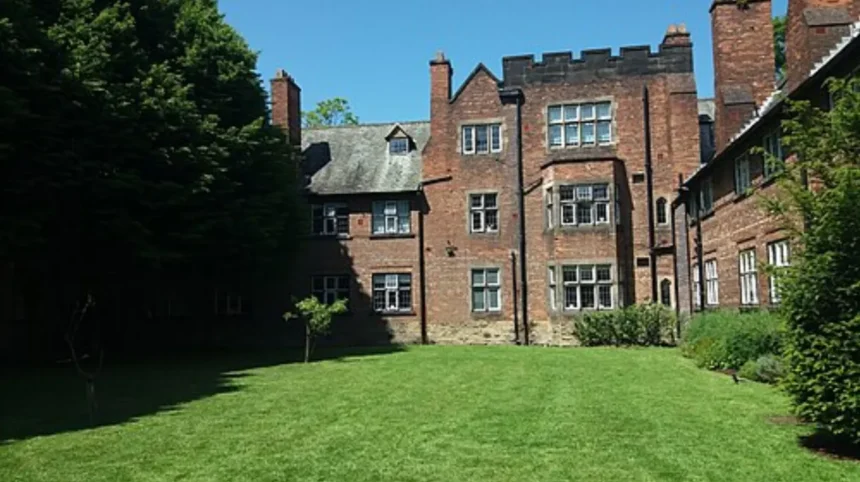
The nineteenth century brought significant residential expansion, transforming the rural settlement into a wealthy merchant enclave characterized by sandstone villas and leafy lanes. Architectural landmarks from this era include Woolton Hall, an eighteenth century grade one listed mansion designed by the architect Robert Taylor for local merchant Nicholas Ashton. The surrounding conservation area protects over fifty listed structures, preserving the distinct Victorian and Georgian streetscapes that contrast sharply with the industrial docklands of central Liverpool.
Modern administrative boundaries place Woolton within the Liverpool City Council district, specifically forming part of the Church and Woolton ward. Local demographic data from the Office for National Statistics indicates a resident population of approximately twelve thousand inhabitants, maintaining a quieter residential character compared to inner city neighborhoods. The suburb sits upon a prominent sandstone ridge, reaching an elevation of over two hundred feet above sea level at its highest point, which historically provided strategic views across the Mersey estuary.
Where Can Visitors Find the Hidden Architectural and Natural Wonders of Woolton Village
Woolton Village houses several architectural and natural sites that routinely escape the standard tourist itineraries focused exclusively on central Liverpool attractions. Camp Hill is a notable public park and geological feature adjacent to Woolton Woods, containing exposed sandstone outcrops formed during the Carboniferous period over three hundred million years ago. The park spans approximately one hundred and twenty acres of mature woodland and open grassland, managed by the local authority as a designated local nature reserve.
St Peter Churchyard, situated on Church Road, serves as the final resting place of historical figures and features a twelfth century church hall structure that predates the main Victorian church building. The graveyard contains the grave of Eleanor Rigby, a local resident whose name famously inspired the Beatles song, alongside war graves maintained by the Commonwealth War Graves Commission. Woolton Cinema, originally opened in nineteen twenty seven as the Picture House on Mason Street, represents one of the oldest surviving suburban cinema structures in the region, operating continuously until two thousand twelve.
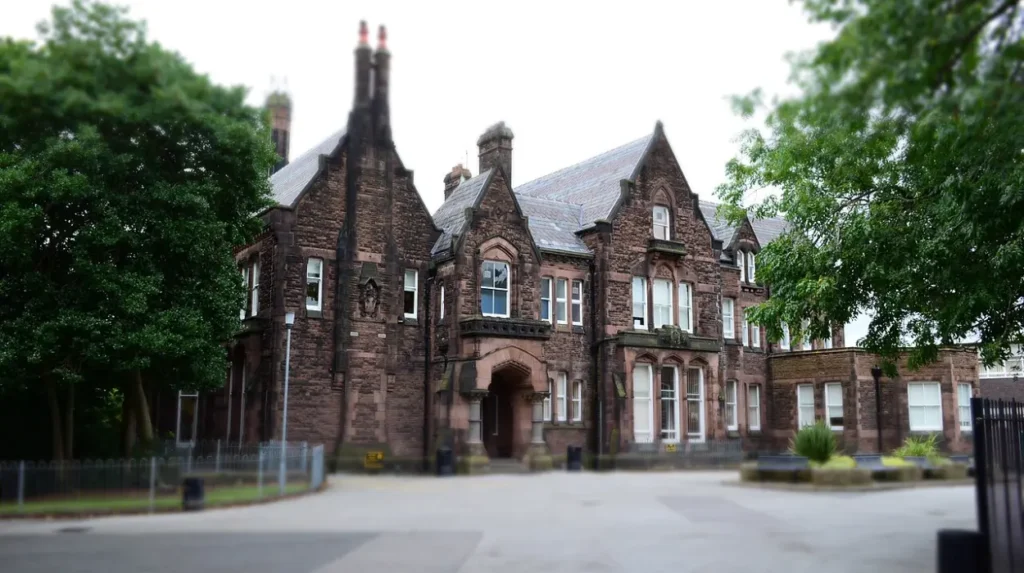
Quarry Bank High School, located nearby on Harthill Road, stands as the former educational institution attended by John Lennon, featuring Victorian red brick architecture and foundational stone plaques. The surrounding streets contain numerous residential properties constructed from locally quarried Woolton sandstone, a material extensively utilized in nineteenth century municipal buildings across Merseyside.
How Does Woolton Connect to Greater Liverpool Infrastructure and Regional Transport Networks
Transport connectivity linking Woolton to central Liverpool relies primarily on established bus networks and arterial road corridors managed by the local highways authority. Merseytravel coordinates public transport services in the region, operating multiple bus routes such as the seventy five and eighty one that connect Woolton Village directly to Liverpool ONE bus station. The journey time from Woolton to the city centre averages approximately thirty five minutes during standard traffic conditions, utilizing major thoroughfares including Speke Road and Gateacre Park Drive. Rail connectivity depends on nearby suburban stations, with the closest operational passenger railway facility located at Hunts Cross, approximately one and a half miles west of the village centre.
Hunts Cross station forms part of the Northern Line on the Merseyrail network, providing regular direct services to Liverpool Central and Southport with a frequency of four trains per hour. Road access is facilitated by the A five hundred and sixty two road, which links the outer suburbs to the Knowsley Expressway and the wider motorway network including the M six and M fifty seven. Active travel infrastructure has seen recent municipal investment, incorporating designated cycling corridors along Menlove Avenue and improved pedestrian pathways through the local conservation area. Freight movement and industrial traffic are strictly routed away from the residential core of Woolton, preserving the historic ambiance and minimizing air pollution levels recorded by environmental monitoring sensors.
What Are the Economic and Tourism Implications of Overlooked Suburban Heritage Sites
Suburban heritage tourism in Woolton generates modest economic activity while presenting ongoing challenges for municipal preservation and visitor management strategies. Visitor expenditure primarily benefits local independent retailers, traditional pubs, and family run cafes situated within the historic village high street along Woolton Street and High Street. Economic impact assessments commissioned by regional tourism agencies indicate that cultural heritage visitors spend an average of twenty five pounds per person daily on hospitality and retail services. Preservation efforts are coordinated through the Liverpool City Council planning department, which enforces strict conservation guidelines to protect historic building facades and prevent unauthorized modern developments.
The lack of large scale commercial hotels within Woolton ensures that overnight tourism remains minimal, with most visitors arriving on day trips from central Liverpool accommodation bases. Educational outreach programs involving local schools and historical societies help maintain awareness of the area’s heritage among younger residents, supported by archival records held at the Liverpool Record Office. Future strategic initiatives focus on sustainable tourism models that distribute visitor footfall evenly across both Beatles related landmarks and lesser known architectural sites without causing residential disruption. Economic sustainability depends on balancing heritage preservation with the commercial needs of local businesses operating within a competitive metropolitan landscape.
Frequently Asked Questions
How far is Woolton from central Liverpool and what is the best way to travel there?
Woolton is located approximately six miles southeast of central Liverpool. The most efficient method of public transportation is taking the Merseytravel bus routes seventy five or eighty one directly from the city centre, which takes around thirty five minutes depending on traffic conditions.
Can visitors access the interior of Woolton Hall and what is its current status?
Woolton Hall is a privately owned grade one listed eighteenth century mansion and is not currently open to the general public for interior tours. Visitors can view the historic exterior architecture and the surrounding historic grounds from the public boundaries along Woolton Hill Road.
What connection does St Peter Churchyard have to popular music history?
St Peter Churchyard contains the grave of a local resident named Eleanor Rigby, whose headstone attracts music enthusiasts from around the world. The adjacent church hall is also historically significant as the venue where John Lennon and Paul McCartney met for the first time in nineteen fifty seven.
Are there any designated nature reserves or parks to explore within Woolton?
Woolton features Camp Hill and Woolton Woods, which together form a combined green space spanning over one hundred and twenty acres. This public area contains mature woodland trails, historic sandstone rock formations, and open grasslands managed for local biodiversity conservation.
Where can I read more local Liverpool news and regional developments?
You can explore regional infrastructure updates and local community reporting by visiting stories such as four new Liverpool rail stations take major step forward. Additional insights into regional trade initiatives are available via coverage of Liverpool tourism grows in India after northern trade mission.