Woolton and Strawberry Field represent two iconic cultural landmarks in South Liverpool that connect directly to the formative years of The Beatles. Woolton is a historic suburb known for St Peter Church yard where John Lennon and Paul McCartney met for the first time in 1957. Strawberry Field is a Salvation Army site in Beaconsfield Road featuring the famous red iron gates immortalized by John Lennon in the 1967 song Strawberry Fields Forever. Both locations sit approximately two miles apart in the Liverpool City Region and draw thousands of international music tourists annually.
The geographical proximity allows visitors to explore both sites within a single afternoon using local public transport or walking routes. Local heritage boards and preserved structures provide authentic historical context regarding mid twentieth century suburban life in post war Britain. The sites operate under preservation trusts and community organizations that maintain visitor centers exhibition spaces and memorial gardens. Visitors encounter original architectural elements landscape features and interactive displays detailing the exact locations where music history unfolded. The two landmarks function as primary anchors for Beatles heritage tourism routes across Merseyside and northern England.
The historical trajectory of Woolton village dates back to the Domesday Book of 1086 when it was recorded as an agricultural settlement. During the Victorian era wealthy merchants constructed large sandstone residences throughout the area transforming Woolton into an affluent residential suburb. St Peter Church was consecrated in 1887 and serves as the architectural focal point for local parish history and community events. Strawberry Field opened in 1936 as a residential home for vulnerable children run by the Salvation Army providing care and education. John Lennon grew up nearby at Mendips on Menlove Avenue and spent his childhood playing in the wooded grounds surrounding the children home.
The intersection of these two locations created a permanent cultural legacy that defines the musical identity of South Liverpool today. Urban development projects over subsequent decades preserved the green spaces and historic buildings despite modern infrastructural expansion across Merseyside. Historical preservation societies and local councils collaborated to protect these sites from commercial redevelopment ensuring permanent public access for global visitors. Archival records photographs and audio testimonies preserved at both locations document the daily lives of residents during the mid twentieth century.
The structural composition of Woolton village features narrow limestone lanes historic public houses and Victorian sandstone structures that retain their original character. St Peter Church is constructed from local red sandstone and features traditional ecclesiastical architecture surrounded by a historic burial ground. The church hall where the fateful meeting between Lennon and McCartney occurred remains an active community venue hosting local gatherings. Strawberry Field comprises a modern visitor pavilion exhibition spaces a landscaped garden and the original iconic red wrought iron gates.
The Salvation Army redeveloped the site in 2019 to include an interactive exhibition space a café and a vocational training garden. The surrounding environment consists of mature oak trees rhododendrons and open lawns that mirror the landscape of Lennon childhood memories. Walking paths connect the main entrance to the memorial garden and the exhibition zones ensuring accessible navigation for all visitors. The architectural integration of modern visitor facilities with historic preservation zones maintains the contemplative atmosphere of the original estate. Signage and descriptive markers throughout both locations provide comprehensive details regarding the architectural heritage and historical significance of every building.
The operational mechanisms governing tourist visits to Woolton and Strawberry Field involve scheduled opening hours ticketing systems and transport coordination. Visitors typically begin their afternoon at St Peter Church in Woolton before traveling south toward Beaconsfield Road in Beaconsfield. Public bus routes operated by Arriva North West connect Woolton village to the Strawberry Field site with average transit times of ten minutes. Walking between the two locations takes approximately thirty minutes via Woolton Road and Menlove Avenue passing notable residential landmarks. The Strawberry Field visitor center requires pre booked admission tickets for the indoor exhibition while the red gates and gardens offer free access.
Guided walking tours and hop on hop off buses provide structured transport options for tourists unfamiliar with the Liverpool transport network. Staff members and volunteers at both sites offer specialized knowledge and assistance to ensure a seamless visitor experience throughout the afternoon. Digital audio guides available in multiple languages enhance the self guided tour experience by providing historical commentary at key points of interest. Coordinate arrival times carefully to maximize the duration spent exploring the exhibitions and surrounding heritage areas without rushing.
Real world examples of successful itineraries demonstrate how visitors maximize a single afternoon exploring both cultural landmarks in Liverpool. A typical visitor arrives at Woolton village by bus at noon to inspect St Peter Church and the historic church hall. Tourists photograph the grave of Eleanor Rigby in the churchyard and explore the local independent shops along Woolton Street. After lunch at a traditional Victorian pub in the village visitors board a local bus to reach Strawberry Field by two o clock. At Strawberry Field guests tour the interactive exhibition detailing the life of John Lennon and the history of the Salvation Army home. Visitors then walk through the peaceful gardens and take photographs beside the famous red iron gates before departing at four o clock. Another example involves cycling enthusiasts utilizing local cycle hire schemes to navigate the two mile route between Woolton and Beaconsfield Road. These practical itineraries ensure that travelers experience both cultural sites thoroughly without encountering logistical delays during their afternoon excursion. Educational groups and music historians frequently utilize these exact routes to conduct field studies regarding mid century popular culture in Britain.
Quantitative data and research insights highlight the significant economic and cultural impact of Beatles tourism on the Liverpool economy. According to tourism statistics published by Liverpool City Council over thirty seven million visitors travel to the region annually for music heritage. Strawberry Field welcomes more than one hundred thousand visitors each year from over one hundred different countries worldwide. Studies conducted by Liverpool John Moores University indicate that Beatles related tourism generates over three hundred million pounds annually for local businesses. The preservation of sites like Woolton and Strawberry Field supports hundreds of local jobs in hospitality retail and cultural administration.
Visitor feedback surveys consistently rate the authenticity and emotional resonance of these historic sites among the highest in European cultural tourism. Economic impact reports demonstrate that cultural heritage funding directly preserves architectural assets while fostering community development and youth training programs. Statistical analysis of seasonal visitor trends indicates steady year round engagement with peak volumes occurring during the summer months and annual Beatles festivals. These data points confirm the enduring global appeal of South Liverpool as a premier destination for cultural and musical heritage tourism.
How do you travel between Woolton and Strawberry Field efficiently?
Efficient travel between Woolton and Strawberry Field requires utilizing local bus networks or walking routes along major South Liverpool thoroughfares. The direct distance between Woolton village and Beaconsfield Road is approximately two point two miles heading in a southwesterly direction. Public transport options include Arriva bus services operating regularly along Woolton Road and Menlove Avenue with frequent daily departures. Walking offers an alternative route past significant cultural landmarks such as Mendips and Woolton Golf Club within thirty minutes. Taxis and private hire vehicles provide rapid point to point transit for visitors with limited mobility or strict scheduling constraints.
Understanding the local transport infrastructure ensures a smooth transition between the two heritage sites during a tight afternoon itinerary. Clear signage and digital transport applications assist travelers in navigating the South Liverpool road network with minimal confusion or delay. Planning the transit segment ahead of time prevents unnecessary waiting and maximizes the time available for site exploration. Local transport authorities maintain accessibility standards across all bus routes and visitor drop off zones for disabled travelers.
The historical development of the South Liverpool transport network reflects the suburban expansion of the city during the nineteenth and twentieth centuries. Tramways originally connected Woolton to the city center before being replaced by motor bus operations in the mid twentieth century. Menlove Avenue was constructed as a major arterial bypass to accommodate growing vehicular traffic between Liverpool and the suburban outskirts. The preservation of these transport corridors allows modern visitors to traverse the exact pathways once traveled by young musicians in the nineteen fifties.
Public transport integration policies implemented by Merseytravel ensure seamless ticketing options across buses and trains throughout the Merseyside region. Infrastructure investments in pedestrian pathways and cycle lanes have improved safety for tourists walking between Woolton and Beaconsfield Road. Historical transport archives housed in the Liverpool Central Library document the evolution of suburban transit routes connecting South Liverpool communities. Urban planners continue to balance tourist vehicular access with residential quietude in the historic neighborhoods surrounding both cultural attractions. This historical continuity enhances the authenticity of the visitor journey by retaining the spatial relationships between key Beatles landmarks.
The structural mechanics of the local bus network involve integrated ticketing systems and designated stops located near both cultural attractions. Visitors use contactless payment methods or municipal travel cards to board Arriva buses directly from Woolton High Street to Beaconsfield Road. Bus stops feature real time digital displays indicating arrival times and route numbers for incoming services heading toward the city center. Walking routes follow well maintained concrete pavements along Woolton Road crossing major junctions controlled by pedestrian traffic lights.
The terrain between Woolton and Strawberry Field is gently undulating with mild inclines as the route descends toward the Woolton ridge. Cycling infrastructure includes advisory bike lanes along sections of Menlove Avenue though cyclists must exercise caution during peak traffic hours. Visitor centers at both locations provide printed transport guides maps and schedule information to assist travelers with onward journeys. Emergency contact numbers and local taxi dispatch details are displayed prominently at transit hubs for visitor security and convenience. The combination of reliable bus services and pedestrian walkways guarantees flexible travel choices for every demographic of visitor.
The operational process for planning an afternoon transit schedule involves calculating dwell times transit durations and buffer periods for unexpected delays. Visitors should allocate forty five minutes for exploring Woolton village fifteen minutes for transit and two hours for Strawberry Field. The journey begins at St Peter Church followed by a short walk to the nearest bus stop on Woolton Road. Passengers board the southbound bus and alight at the Beaconsfield Road stop situated directly outside the Strawberry Field gates.
Real time navigation apps help travelers monitor vehicle locations and traffic conditions along the Menlove Avenue corridor. If walking visitors follow Woolton Road west toward Church Road before turning south onto Beaconsfield Road past residential properties. Arriving at Strawberry Field requires presenting pre booked tickets at the main reception pavilion for scheduled exhibition entry. Staff members coordinate with local transport providers to accommodate large tour groups and ensure orderly arrival and departure procedures. Establishing a clear timeline prevents itinerary bottlenecks and guarantees a relaxed exploration of both historic destinations.
Real world examples of successful transit execution illustrate the practical application of these travel methods during peak tourist seasons. A family of four traveling from central Liverpool utilizes the 75 bus to Woolton village before walking to St Peter Church. After completing their churchyard tour they catch the local 80A bus service to Beaconsfield Road arriving precisely at their booked time slot. Another example features a solo traveler walking the entire distance while listening to an audio documentary about the childhood homes of Lennon and McCartney. This pedestrian journey allows the traveler to observe architectural details and historical blue plaques mounted on nearby residential properties. Local taxi drivers frequently offer bespoke heritage tours combining Woolton Strawberry Field and Penny Lane into a unified one hour transit package. These varied examples prove that multiple transit modalities cater to diverse visitor preferences physical abilities and time constraints. Selecting the appropriate travel method ensures a stress free afternoon fulfilling all sightseeing objectives across South Liverpool.
Data and research regarding urban mobility in Liverpool indicate high passenger satisfaction rates across local bus and active travel networks. Merseytravel performance reports show that over eighty percent of public transport users in South Liverpool arrive at destinations on schedule. Pedestrian safety audits conducted by Liverpool City Council confirm that walking routes between major heritage sites meet national accessibility standards. Tourism analytics reveal that twenty percent of visitors choose to walk between Beatles attractions when weather conditions are favorable.
Economic studies emphasize that efficient public transport connectivity encourages longer stays and increased spending at local cafes and gift shops. Quantitative metrics regarding carbon emissions demonstrate that utilizing public buses or walking significantly reduces the environmental footprint of heritage tourism. City planners utilize these transport data sets to optimize bus frequencies and improve pedestrian infrastructure around high traffic cultural zones. Continuous monitoring of visitor movement patterns ensures that urban transit systems adapt successfully to growing international tourism demands.
What can visitors expect to see inside Strawberry Field today?
Strawberry Field today offers a multi sensory visitor experience combining a permanent exhibition gardens a cafe and a community vocational hub. The indoor exhibition utilizes cutting edge audio visual technology and rare archival artifacts to narrate the history of the site. Visitors explore the personal life of John Lennon through interactive displays handwritten lyrics childhood photographs and oral history recordings. The exhibition highlights the philanthropic work of the Salvation Army and the children home that operated on the grounds for decades.
Outside visitors access the tranquil memorial garden where benches and reflective spaces encourage contemplation amidst mature trees. The original red iron gates stand proudly at the entrance serving as an iconic photo opportunity for global music fans. A gift shop offers exclusive merchandise books and memorabilia supporting the charitable initiatives managed by the Salvation Army. The Good Garden cafe serves locally sourced food and beverages providing a relaxing environment overlooking the historic estate grounds.
The historical background of Strawberry Field traces its evolution from a private Victorian estate into a charitable children home and modern attraction. Wealthy shipping merchant George Warren Chadwick built the original Gothic revival mansion on the estate in the late nineteenth century. The Salvation Army purchased the property in 1934 and officially opened it as a children convalescent home in July 1936. John Lennon found solace in the wooded grounds of the home during his turbulent childhood living nearby with his aunt Mimi Smith. The home closed its residential children facility in 2005 due to changing social care models favoring foster placement over institutional care. The Salvation Army subsequently transformed the vacant site into a vision for youth empowerment and Beatles heritage tourism. The redeveloped complex opened to the global public in September 2019 following a multi million pound fundraising campaign supported by philanthropic donations. Archival exhibitions inside the pavilion preserve this rich social history ensuring that the charitable legacy endures for future generations. Historical documents and letters display the deep personal connection John Lennon maintained with the estate throughout his life.
The structural layout of the Strawberry Field complex is divided into distinct zones prioritizing accessibility education and reflection for every visitor. The welcome pavilion houses the main ticket desk reception area and the primary exhibition galleries on the ground floor. The exhibition space features acoustic isolation pods touchscreen media tables and display cases housing authentic historical instruments and manuscripts. The gardens feature accessible paved pathways meandering through wooded areas lawns and sensory flower beds maintained by program participants.
The vocational hub provides training spaces and workshops for young people with learning disabilities and barriers to employment. The cafe area incorporates large glass windows offering panoramic views of the gardens and the surrounding Beaconsfield Road neighborhood. Restroom facilities baby changing stations and locker storage are located adjacent to the main reception area for visitor convenience. Architectural design elements incorporate sustainable materials energy efficient lighting and climate control systems to protect sensitive archival documents. Every structural component complies with modern accessibility legislation ensuring wheelchair users and visually impaired individuals navigate freely.
The operational processes governing a tour of Strawberry Field involve timed entry ticketing security screening and guided audio navigation. Visitors check in at the welcome desk where staff issue digital audio guides and provide an orientation briefing. Guests proceed through the exhibition galleries at their own pace listening to narrated stories about Lennon childhood and Salvation Army history. Interactive stations allow visitors to record their own memories or contribute digital artwork to community display boards within the gallery. Upon exiting the indoor exhibition guests step into the memorial gardens where outdoor signage explains the botanical features of the estate.
Visitors frequently pause at the red iron gates to take photographs before entering the gift shop and cafe facilities. Staff members monitor visitor capacity within the exhibition spaces to prevent overcrowding and ensure an intimate contemplative atmosphere. Educational workshops and guided tours led by trained volunteers operate at scheduled times throughout the week for organized groups. These streamlined operational procedures guarantee an organized and enriching experience for every guest entering the property.
Real world examples of community engagement at Strawberry Field demonstrate the profound social impact of the Steps to Work program. Young adults facing barriers to employment participate in horticulture catering and retail training programs hosted within the facility. Program graduates have secured permanent employment in local Liverpool businesses transforming their career prospects and personal confidence. International musicians and celebrities frequently visit the site to donate memorabilia perform acoustic sessions or support charitable fundraising campaigns. For example music icons and global fans have contributed signed guitars and rare records displayed in special exhibition cases. Educational institutions utilize the facility for sociological studies regarding child welfare and the evolution of charitable care in Britain. These practical examples highlight how Strawberry Field transcends standard tourist attractions by actively funding local social welfare initiatives. The synergy between Beatles heritage and charitable philanthropy creates a unique visitor experience unmatched anywhere else in the world.
Quantitative data and research metrics regarding Strawberry Field highlight its rapid growth as a premier international cultural and philanthropic destination. Visitor analytics indicate that tourists from over one hundred and twenty different countries visit the site annually since its reopening. The Steps to Work program has achieved a high success rate in placing vulnerable young adults into sustainable employment roles across Merseyside. Economic audits show that visitor spending at the cafe and gift shop directly funds the ongoing operational costs of the charity.
Social return on investment studies confirm that every pound invested in the redevelopment generates substantial measurable community benefits. Academic research papers published in cultural tourism journals frequently cite Strawberry Field as a benchmark for sustainable heritage management. Statistical surveys demonstrate exceptionally high visitor satisfaction ratings with over ninety five percent of respondents recommending the attraction to others. These robust data sets confirm the lasting significance of Strawberry Field as a beacon of hope music and social welfare.
What can visitors experience at St Peter Church and Woolton village?
St Peter Church and Woolton village offer visitors an authentic journey into Victorian architecture and the birthplace of musical history. Woolton village features preserved limestone cottages independent artisan shops and historic coaching inns dating back several centuries. St Peter Church situated at the top of Church Road serves as the exact location where John Lennon met Paul McCartney. Visitors explore the tranquil churchyard to discover the historic gravestone of Eleanor Rigby which inspired the famous Beatles song.
The parish hall adjacent to the church hosts community events and preserves the stage where the fateful teenage encounter occurred. Guided tours of the church interior reveal stunning stained glass windows intricate woodwork and centuries of parish records. The surrounding conservation area protects the historical streetscape ensuring visitors experience the authentic atmosphere of nineteen fifties Liverpool. Local cafes and traditional pubs provide resting spots for tourists exploring the rich heritage of this iconic South Liverpool suburb.
The historical background of St Peter Church dates back to its consecration in eighteen eighty seven to serve the expanding Woolton community. The parish records contain centuries of genealogical data detailing the families merchants and laborers who shaped South Liverpool. On the sixth of July nineteen fifty seven the Woolton Parish Fete took place on the field behind the church hall. During this parish event Ivan Vaughan introduced fifteen year old Paul McCartney to sixteen year old John Lennon and his band The Quarrymen. This legendary musical collision altered the trajectory of modern popular music and cemented the churchyard into global cultural folklore.
The graveyard contains the mortal remains of various historical figures including the real life Eleanor Rigby whose name resonated universally. Local historians and conservationists fought successfully over decades to protect these structures from urban clearance schemes during the twentieth century. Archival exhibitions inside the church display historical photographs programs and newspaper clippings from the nineteen fifties parish fete. This rich historical tapestry provides visitors with a tangible connection to the origins of the greatest songwriting partnership in history.
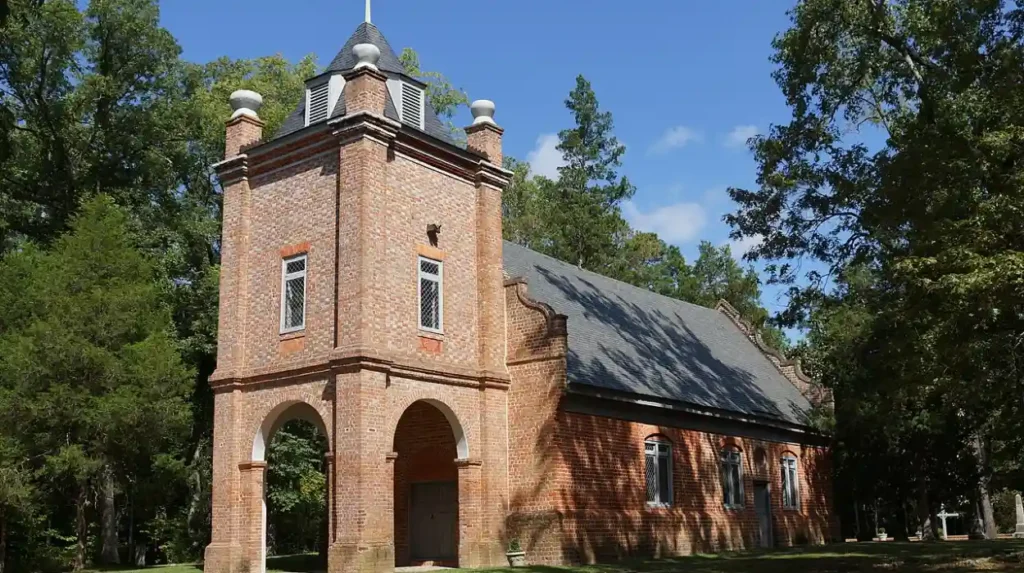
The structural composition of St Peter Church features Gothic revival architecture characterized by pointed arches buttresses and a prominent tower. The exterior walls are constructed from durable red sandstone quarried locally in the Merseyside region ensuring structural longevity. The interior sanctuary boasts soaring timber roof trusses polished stone pillars and handcrafted pews arranged around the central altar. The churchyard spans several acres containing mature yew trees ornate Victorian headstones and clearly marked historical graves.
The adjacent parish hall is a brick and stone building featuring a large assembly room stage facilities and community meeting spaces. Paved stone pathways wind through the graveyard connecting the main entrance to the church doors and the famous gravestone. Accessibility ramps and handrails have been installed discreetly to ensure visitors with mobility challenges navigate the historic grounds safely. Conservation architects monitor the structural integrity of the sandstone masonry to prevent weathering and preserve the historical aesthetic. Every architectural detail contributes to the solemn and reflective atmosphere experienced by thousands of annual pilgrims.
The operational process for visiting St Peter Church involves self guided exploration of the grounds and scheduled access to the interior. Visitors arrive in Woolton village and access the churchyard via the main pedestrian gates located on Church Road. Signage directs visitors along designated pathways toward the church entrance and the marked grave of Eleanor Rigby. Volunteers and parish wardens are stationed inside the church during peak hours to answer historical questions and manage visitor flow. Donations collected at the church entrance directly support the ongoing maintenance costs of the historic building and graveyard grounds.
Photography is permitted within the churchyard and exterior structures though respectful behavior is expected due to the sacred nature. Visitors interested in accessing the interior parish hall coordinate with church administrators in advance or attend open days. Local walking tours often begin their itineraries at the church gates providing comprehensive historical commentary before entering the grounds. These structured operational practices ensure a respectful and orderly environment for both tourists and local parishioners.
Real world examples of cultural tourism initiatives at St Peter Church demonstrate its enduring appeal as a global pilgrimage destination. International fans frequently travel to the churchyard on the anniversary of the nineteen fifty seven parish fete to commemorate the meeting. Music documentary crews utilize the church grounds and parish hall to film retrospective pieces about the formative years of The Beatles. Local schools conduct history field trips to the churchyard to study Victorian architecture and the cultural heritage of South Liverpool.
For example music therapy groups and community choirs occasionally perform acoustic sessions within the historic parish hall. Preservation societies collaborate with the local council to maintain clear informational plaques detailing the historical events that occurred on site. These practical examples highlight how St Peter Church remains a vibrant community hub while honoring its monumental place in music history. Visitors leave with a profound appreciation for the unassuming suburban setting where global musical legends first converged.
Quantitative data and research metrics regarding Woolton village tourism confirm its status as a vital anchor for Liverpool heritage economies. Visitor tracking studies indicate that over one hundred and fifty thousand tourists visit St Peter Churchyard annually. Economic impact assessments show that heritage tourists visiting Woolton spend money in local tea rooms pubs and retail shops. Academic surveys regarding cultural tourism motivation reveal that ninety percent of visitors cite Beatles history as their primary reason for coming.
Maintenance logs confirm that thousands of pounds are allocated annually by heritage trusts to preserve the weathered sandstone and historic headstones. Statistical analyses of travel blogs and review platforms rank St Peter Church among the top cultural landmarks in Northwest England. Research papers on musical geography examine Woolton as a prime example of how everyday suburban spaces acquire sacred status. These data metrics underline the economic and cultural significance of Woolton village within the broader landscape of British tourism.
How can you plan the ultimate Beatles heritage afternoon in Liverpool?
Planning the ultimate Beatles heritage afternoon in Liverpool requires strategic time management booking coordination and transport familiarity across South Liverpool. The itinerary begins with a morning arrival in the city followed by an afternoon journey encompassing Woolton and Strawberry Field. Visitors secure advance tickets for Strawberry Field while keeping schedule flexibility for exploring Woolton village and St Peter Church. Essential gear includes comfortable walking footwear weather appropriate clothing and a charged mobile device for navigation and photography.
Allocating four to five hours for the complete afternoon excursion ensures adequate time for deep exploration without feeling rushed. Combining these suburban sites with a quick drive past nearby childhood homes like Mendips and Forthlin Road completes the musical pilgrimage. Dining options in Woolton village provide authentic British pub fare or afternoon tea to sustain travelers throughout the afternoon. Reviewing local transport schedules and traffic updates prevents unexpected delays and guarantees a seamless sightseeing experience.
The historical context of Beatles heritage touring in Liverpool evolved from grassroots fan gatherings into a sophisticated global tourism industry. During the nineteen sixties fans roamed South Liverpool unguided searching for the childhood haunts of their musical idols. Local entrepreneurs eventually established organized coach tours and taxi services to accommodate the rapidly growing influx of international visitors. The establishment of heritage trusts and national lottery funding in subsequent decades transformed neglected sites into premier cultural attractions. Preserving locations like Strawberry Field and Woolton village ensures that future generations understand the socio economic environment of post war Liverpool. Historical societies archive thousands of visitor memoirs photographs and tickets documenting the evolution of Beatles tourism over sixty years. Urban regeneration projects across Merseyside integrated cultural tourism routes with residential community needs creating sustainable economic benefits. This rich historical foundation provides modern travelers with a structured and deeply authentic engagement with music history.
The structural components of a successful afternoon itinerary comprise precise scheduling transit mapping and resource allocation for every hour. The timeline begins at twelve thirty with a guided tour of St Peter Church and the historic graveyard in Woolton. At two o clock travelers board the connecting bus or drive south toward Beaconsfield Road arriving by two fifteen. The Strawberry Field exhibition and garden tour occupies the timeframe from two thirty until four fifteen in the afternoon. A final thirty minute stop at the Good Garden cafe provides refreshments before departing the area at four forty five. Information packets digital maps and audio guides serve as the primary operational tools utilized throughout the excursion. Emergency protocols contingency plans for inclement weather and alternative transport options are established prior to departure. Every structural element of the plan minimizes friction and maximizes enjoyment across all designated sightseeing locations. This meticulous organization guarantees that visitors experience the full depth of South Liverpool musical heritage within a single afternoon.
The operational execution of the afternoon plan relies on disciplined adherence to time blocks and responsive adaptation to local conditions. Visitors monitor transit apps to ensure bus arrivals align with scheduled exhibition entry times at Strawberry Field. Clear communication with taxi drivers or tour guides prevents misunderstandings regarding pickup locations and drop off points. Staff members at both heritage sites assist travelers with luggage storage accessibility inquiries and ticket verification procedures. Visitors adhere to site regulations including quiet zones in churchyards and photography restrictions inside specific exhibition galleries. Respecting local residential neighborhoods prevents friction with permanent residents living adjacent to these major tourist attractions. Purchasing souvenirs and dining at estate cafes directly contributes to the financial sustainability of the host organizations. These operational practices ensure harmony between the tourism industry local communities and heritage conservation mandates.
Real world examples of optimized afternoon itineraries demonstrate how independent travelers successfully navigate the South Liverpool music heritage trail. A couple from North America rents a car in central Liverpool drives to Woolton village and parks near St Peter Church. They spend ninety minutes exploring the churchyard and village before driving five minutes down the road to Strawberry Field. After touring the exhibition and enjoying tea in the garden they conclude their afternoon by driving past Penny Lane. Another example features a group of university students utilizing public bicycles to cycle the entire heritage circuit over four hours. These diverse examples prove that independent planning yields a highly personalized and rewarding cultural exploration of South Liverpool. Travel blogs and official Liverpool tourism boards frequently publish these exact itineraries as recommended benchmarks for visitors. Adopting proven scheduling models eliminates guesswork and guarantees an unforgettable afternoon immersed in musical history.
Quantitative data and research insights into Liverpool tourism patterns highlight the growing popularity of self guided and customized heritage itineraries. Tourism board statistics show that independent travelers account for over sixty percent of all cultural visitors to South Liverpool. Surveys indicate that visitors utilizing structured afternoon itineraries visit twenty five percent more cultural sites than unorganized tourists. Economic research confirms that independent heritage tourists distribute their spending more widely across local independent businesses and cafes. Visitor satisfaction indices consistently score highest among travelers who combine public transport with pre booked exhibition entries.
Data analytics from digital tourism platforms reveal peak search volumes for Woolton and Strawberry Field occurring during spring and summer. Environmental studies demonstrate that organized heritage trails encourage active travel and public transit utilization over private vehicle dependency. These robust metrics validate the strategic importance of comprehensive planning for anyone seeking the ultimate Liverpool music afternoon.
Frequently Asked Questions
How long does it take to visit both Woolton and Strawberry Field?
Visiting both locations typically takes between three to four hours in total. This timeframe includes exploring St Peter Churchyard in Woolton and touring the exhibition and gardens at Strawberry Field. Travel time between the two sites adds approximately thirty minutes by public transport or walking.
Can you walk between Woolton village and Strawberry Field?
Walking between Woolton village and Strawberry Field is entirely possible and takes about thirty minutes. The route covers roughly two miles along well paved footpaths past historic residential areas. Many visitors choose this walk to enjoy the suburban atmosphere and view local landmarks.
Do you need to pre-book tickets for Strawberry Field?
Pre-booking tickets online is strongly recommended for the indoor exhibition at Strawberry Field. While accessing the outdoor gardens and the iconic red gates is free exhibition entry requires scheduled ticketing. Booking in advance ensures preferred time slots during peak tourist seasons.
Is parking available at St Peter Church and Strawberry Field?
Limited street parking is available near St Peter Church in Woolton village for visiting motorists. Strawberry Field offers designated parking spaces for visitors with accessible permits and general guests. Public transport or local taxis are frequently recommended to avoid parking congestion.
Are the sites accessible for visitors with limited mobility?