
Allerton is a suburban district located 4 miles southeast of Liverpool city centre in the county of Merseyside, England. The area covers approximately 3 square miles within the L18 postcode district and connects directly to central Liverpool via the A562 road.
- What Are The Primary Parks And Botanical Gardens In Allerton?
- Which Historical Monuments And Ancient Landmarks Stand In Calderstones Park?
- What Are The Architectural Attractions And Hidden Estates In Allerton?
- How Does Allerton Connect To Beatles Heritage And Cultural Landmarks?
- What Recreational Activities And Outdoor Spaces Can Visitors Experience In Allerton?
- How Has Allerton Evolved From A Domesday Manor To A Residential Hub?
- Frequently Asked Questions
The geographic positioning of Allerton places it between Mossley Hill, Woolton, Aigburth, and Garston. Public transportation connects Allerton to the broader Liverpool metropolitan area through regular bus services and rail networks. Merseyrail operates train services from nearby stations including Mossley Hill railway station and Hunts Cross railway station. Bus routes 80, 86, and 86A run along Allerton Road, offering continuous links to Liverpool One Bus Station and Liverpool John Lennon Airport. Drivers access Allerton via Menlove Avenue and Mather Avenue. Parking facilities exist at Calderstones Park and Allerton Manor Golf Club.
What Are The Primary Parks And Botanical Gardens In Allerton?
Allerton contains 3 major public green spaces: Calderstones Park, Allerton Tower Park, and Clarke Gardens. Calderstones Park covers 126 acres of parkland and includes 4 distinct garden zones: Harthill Botanical Gardens, the Japanese Garden, the Old English Garden, and the Rock Garden.
Liverpool City Council manages Calderstones Park under Green Flag status criteria. Harthill Botanical Gardens opened to the public in 1964 under Park Superintendent Percy Conn and houses 4,000 plant species collected globally. The park features a 10-acre artificial lake home to mallard ducks and Canada geese. Allerton Tower Park spans 35 acres and occupies the site of the former Hardman Earle estate built in 1849. The park preserves classical garden architecture, including an Italianate orangery, a red sandstone lodge, and a 19th-century walled garden. Clarke Gardens borders Springwood Cemetery and features woodland walking trails alongside Allerton Hall.
Which Historical Monuments And Ancient Landmarks Stand In Calderstones Park?
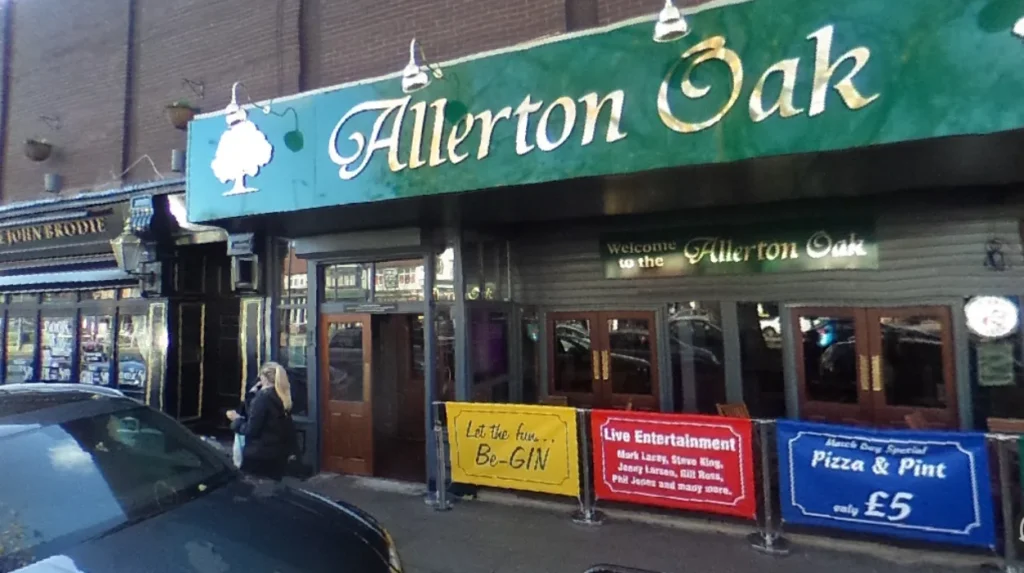
Calderstones Park holds 2 ancient historic monuments: the Calderstones neolithic monoliths and the Allerton Oak. The Calderstones consist of 6 sandstone blocks that formed a megalithic passage tomb in 2000 BCE. The Allerton Oak is a 1,000-year-old Sessile oak tree.
The 6 Calderstones feature ancient cup-and-ring carvings and receive legal protection under the Ancient Monuments and Archaeological Areas Act 1979. Liverpool Corporation sheltered the stones inside the Calderstones Mansion House glasshouse in 1954 to prevent erosion. The Allerton Oak stands 49 meters above sea level and measures over 6 meters in girth. Medieval records confirm that the Pennines Hundred Court met under the branches of the Allerton Oak in 1350. The explosion of the gunpowder ship Lottie Sleigh on the River Mersey in 1864 cracked the trunk of the Allerton Oak. Metal props now support the structure of the tree, which won England Tree of the Year in 2019.
What Are The Architectural Attractions And Hidden Estates In Allerton?
Allerton features 4 Grade II listed architectural structures: Calderstones Mansion House, Allerton Hall, Sudley House, and the remaining outbuildings of Allerton Tower Estate. These historic estates display Georgian, Victorian, and Neoclassical architecture constructed between 1736 and 1849.
Calderstones Mansion House was constructed in 1828 for Liverpool merchant Joseph Need Walker in the Georgian architectural style. The national literature charity The Reader acquired the building in 2013, creating a community reading hub, the Storybarn children’s center, and an interactive exhibition space. Allerton Hall, known locally as the Pub in the Park, was built in 1736 by industrialist Richard Lathom. Sudley House sits on the western boundary of Allerton and opened in 1824. Merchant Nicholas Robinson built Sudley House, which now operates under National Museums Liverpool and exhibits 18th-century fine art by George Romney, Thomas Gainsborough, and J.M.W. Turner.
How Does Allerton Connect To Beatles Heritage And Cultural Landmarks?
Allerton contains 3 primary locations associated with The Beatles: Mendips on Menlove Avenue, 20 Forthlin Road in nearby Allerton boundaries, and Penny Lane. These sites mark the childhood residences and songwriting inspirations of John Lennon and Paul McCartney.
John Lennon lived at Mendips, located at 251 Menlove Avenue in Allerton, from 1945 to 1963 with his Aunt Mimi and Uncle George Smith. The National Trust purchased Mendips in 2002 after Yoko Ono acquired the 1930s semi-detached property for conservation. Paul McCartney lived at 20 Forthlin Road, a 1950s council house situated near the Allerton and Woolton border, from 1955 to 1964. The National Trust offers guided tours inside both homes, where John Lennon and Paul McCartney composed early Beatles songs, including I Saw Her Standing There and Please Please Me. Allerton Road intersects the area made famous by the 1967 single Penny Lane, written by Paul McCartney.
What Recreational Activities And Outdoor Spaces Can Visitors Experience In Allerton?
Allerton provides 4 outdoor sports and leisure facilities: Allerton Manor Golf Club, the Calderstones Park miniature railway, public tennis courts, and fitness trails. These facilities cater to sports enthusiasts, families, and outdoor recreation visitors year-round.
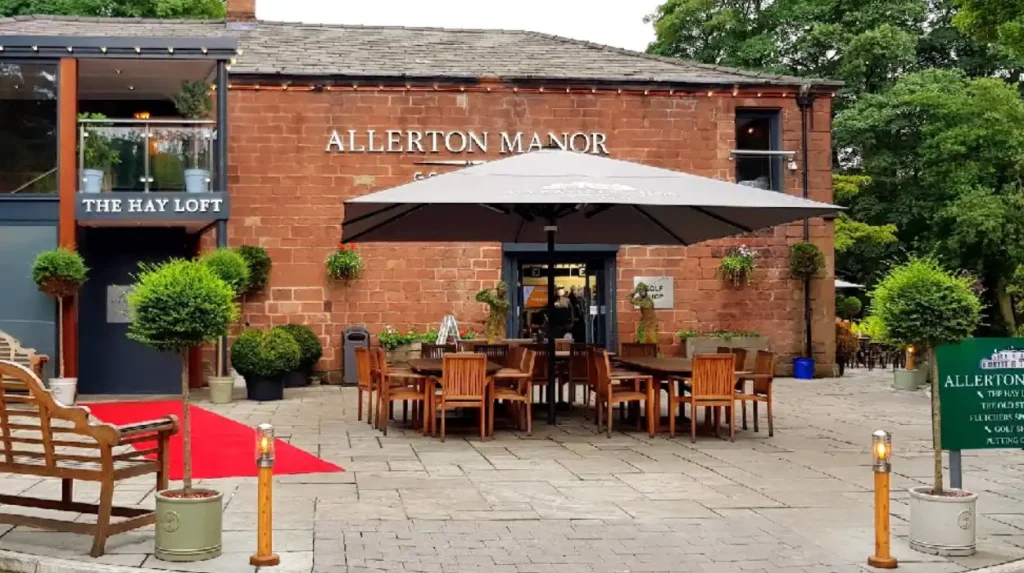
Allerton Manor Golf Club features two golf courses: the 18-hole Sherwood Course and the 9-hole Academy Course. Liverpool Corporation originally opened the public golf course in 1924 on land from the former Allerton Estate. The Merseyside Society of Model and Experimental Engineers operates a miniature railway inside Calderstones Park, running steam and diesel train rides on select weekends. Calderstones Park contains 6 hard-surface tennis courts that hosted the Liverpool International Tennis Tournament from 2002 to 2019. The 5-mile Allerton Country Walk route links Calderstones Park, Allerton Tower Park, Clarke Gardens, and Camp Hill.
How Has Allerton Evolved From A Domesday Manor To A Residential Hub?
Allerton transformed over 900 years from an Anglo-Saxon agricultural manor into an affluent residential district. The historical progression covers 3 distinct eras: the medieval manorial period, 19th-century merchant estate expansion, and 20th-century municipal parkland conversion.
The Domesday Book of 1086 records Allerton as Alretune, meaning town of alder trees, under the ownership of Anglo-Saxon lord Uctred. Following the Norman Conquest, William the Conqueror granted the manor to Roger of Poitou. The Grendonet, Lathom, and Norris families held the Manor of Allerton during the Middle Ages. Merchant families acquired the land in the 18th and 19th centuries, building private grand estates across the township. Liverpool Corporation purchased these private estates between 1902 and 1924, converting private mansion grounds into public parks for urban residents. Modern Allerton functions as a residential suburb with thriving independent retail strips along Allerton Road.
Frequently Asked Questions
What is the best time of year to visit Calderstones Park in Allerton?
Calderstones Park is open year-round, but spring and summer offer the best conditions to view the Harthill Botanical Gardens. Summer brings outdoor events and café seating at Calderstones Mansion House. Autumn highlights the changing foliage around the 1,000-year-old Allerton Oak.
Are there entry fees for visiting parks and attractions in Allerton?
Entry to Calderstones Park, Allerton Tower Park, and Clarke Gardens is entirely free for all visitors. Public access to the green spaces, walled gardens, and play areas requires no tickets. Specific attractions like guided National Trust Beatles tours require advance paid booking.
How far is Allerton from central Liverpool and how long does travel take?
Allerton sits approximately 4 miles southeast of central Liverpool. Travel time by car or taxi along the A562 takes 15 to 20 minutes outside peak traffic hours. Merseyrail trains from Liverpool Central to Mossley Hill station take 10 minutes, followed by a short walk.
Is Allerton suitable for family day trips and children’s activities?
Allerton provides numerous family amenities, including playgrounds, wide open spaces, and interactive story venues. Children visit the Storybarn inside Calderstones Mansion House for literature sessions and explore the miniature railway on operational weekends. The flat paved walking paths accommodate strollers and wheelchairs easily.