
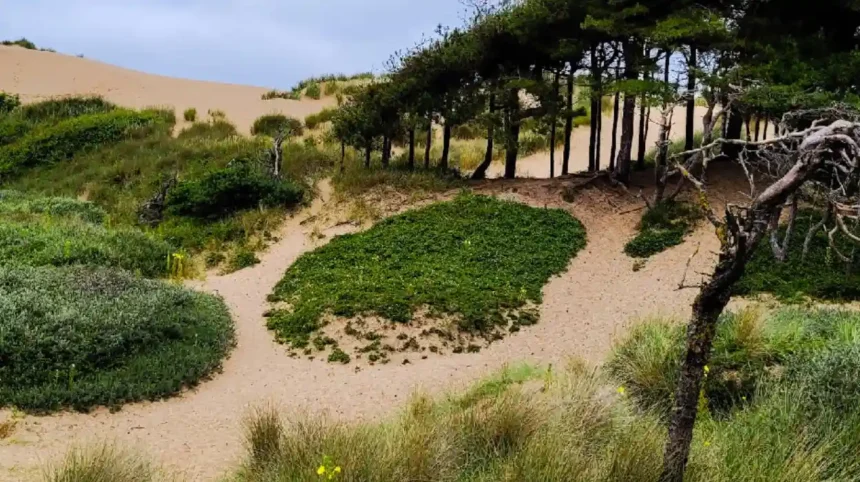
Formby is a coastal town in the Metropolitan Borough of Sefton, Merseyside, positioned 13 miles north of Liverpool city centre. The destination contains 500 hectares of protected coastal habitat managed by the National Trust. Visitors experience prehistoric footprints, red squirrel habitats, shifting sand dunes, and pine woodlands within a single geographical footprint. The location provides direct environmental contrast to urban Liverpool, making it a primary ecological refuge in North West England.
- How do you travel from Liverpool to Formby efficiently?
- What is the best itinerary for exploring Formby in one day?
- Where can you see red squirrels in Formby?
- How do you find the ancient prehistoric footprints on Formby Beach?
- What facilities and accessibility options exist at Formby?
- What safety rules and regulations apply to visitors at Formby?
- Frequently Asked Questions
The coastal ecosystem sits along the Irish Sea and forms a vital component of the Sefton Coast Special Area of Conservation. Historically, the area functioned as a agrarian region famous for asparagus cultivation during the nineteenth and twentieth centuries. Today, the reserve protects the native Eurasian red squirrel, Sciurus vulgaris, which maintains a rare stronghold here despite grey squirrel competition. The wide, sweeping beaches also feature exposed mudstone beds where 7,000-year-old human and animal footprints appear during specific low-tide conditions. The combination of rare fauna, geological history, and accessible natural landscapes makes Formby an essential excursion for international visitors, nature enthusiasts, and regional day-trippers.
How do you travel from Liverpool to Formby efficiently?
Travel from Liverpool to Formby takes thirty minutes via the Merseyrail Northern Line service departing from Liverpool Central or Moorfields stations. Trains run every fifteen minutes throughout the day, providing reliable transit directly to Formby or Freshfield stations.
1.Depart from Central Liverpool:Merseyrail Northern Line.
Board the Northern Line train heading toward Southport from Liverpool Central or Moorfields Station. Services run every 15 minutes during standard operational hours.
2.Arrive at Freshfield or Formby Station:30-Minute Transit Time.
Disembark at Freshfield Station for direct, immediate access to the Red Squirrel Reserve and Victoria Road pinewoods. Alternatively, disembark at Formby Station for town amenities and Lifeboat Road access.
3.Walk to the National Trust Entry Points:15-Minute Pedestrian Route.
Follow Victoria Road west from Freshfield Station for 1 mile to reach the main National Trust woodland entrance, or walk along Lifeboat Road from Formby Station.
Driving requires taking the A565 Formby Bypass northbound from Liverpool city centre. Driving time ranges between 30 and 45 minutes across a 14-mile route depending on traffic conditions. Parking is available at the Victoria Road and Lifeboat Road car parks managed by the National Trust. Car parks fill to capacity rapidly during summer weekends and bank holidays, making public rail transit the preferred access method for first-time visitors.
What is the best itinerary for exploring Formby in one day?
A complete Formby day trip requires four to six hours to explore the three primary ecosystems: pinewoods, sand dunes, and the intertidal beach zone.
Arrival & Red Squirrel Trail
10:00 AM
Arrive at Freshfield Station and walk down Victoria Road into the National Trust Red Squirrel Reserve. Follow the designated 1.8-mile woodland loop while observing high canopy branches for active Eurasian red squirrels.
Dune Navigation & Picnic Lunch
12:30 PM
Ascend the high coastal sand dune ridge framing the western edge of the woods. Enjoy panoramic views of the Irish Sea shoreline and pack a zero-waste lunch to consume in the designated picnic spaces.
Prehistoric Beach & Mudstone Exploration
02:00 PM
Descend to Formby Beach at low tide to inspect the shoreline. Search exposed silt beds for preserved Mesolithic human and animal footprints dating back over 7,000 years.
Formby Village Return
04:00 PM
Walk back toward Formby village centre via Chapel Lane to visit local independent tearooms and pubs before boarding the return Merseyrail train to Liverpool Central.
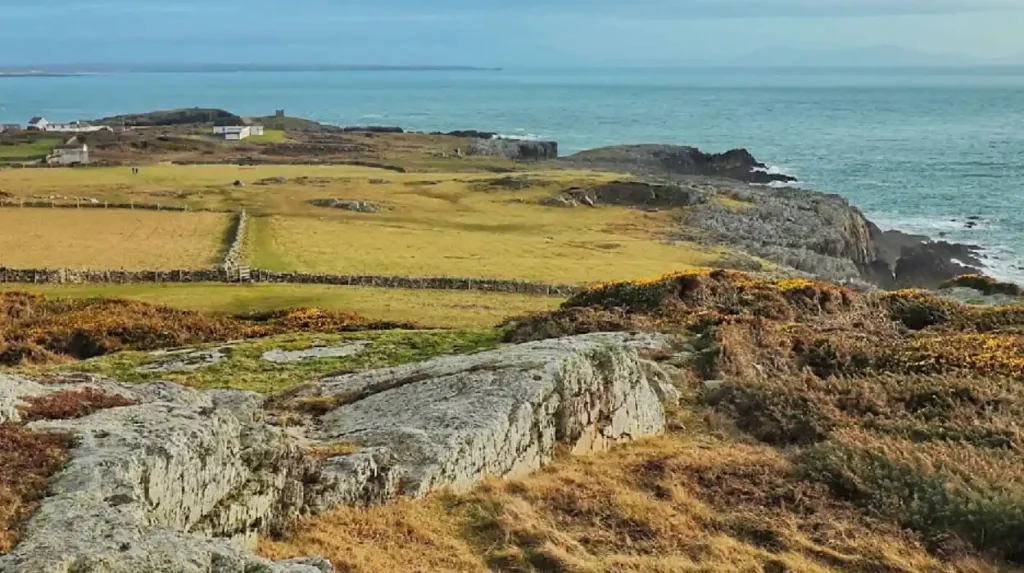
Visitors should align their beach walk schedule with local tide tables published daily by the National Coastwatch Institution. Arriving two hours before low tide maximizes access to the exposed tidal flats where ancient footprints appear. The layout allows seamless transitions between shaded pine forests, expansive open dunes, and flat sandy beaches without requiring vehicular transport between sites.
Where can you see red squirrels in Formby?
Red squirrels inhabit the coastal Scots pine and Corsican pine woodlands running parallel to Victoria Road in Freshfield. The 125-acre reserve protected by the National Trust forms a specialized habitat sanctuary free from dominant grey squirrel populations.
To increase wildlife sightings:
- Walk quietly along the Red Squirrel Walk early in the morning when forest noise remains minimal.
- Scan the mid-to-upper canopy level of Corsican pines where squirrels forage for pine cones.
- Look for discarded pine cone cores, often called “cob-webs,” scattered around the base of mature trees.
- Keep domestic dogs on short leads to prevent disturbing active wildlife along the designated paths.
- Avoid feeding squirrels hand-to-hand to prevent disease transmission and preserve natural foraging habits.
Population numbers inside the reserve fluctuate due to outbreaks of Squirrelpox virus, a fatal disease transmitted by non-native grey squirrels. National Trust conservationists manage surrounding buffer zones to prevent grey squirrel encroachment and protect native populations. Spring and autumn represent peak observation seasons when forest canopy foliage thins and squirrels actively gather food reserves.
How do you find the ancient prehistoric footprints on Formby Beach?
Prehistoric footprints appear in exposed prehistoric mudstone layers situated along the intertidal zone of Formby Beach during low tide. The fossilized tracks record human hunter-gatherers, red deer, aurochs, and wading birds from the Mesolithic period approximately 7,000 to 5,000 years ago.
The footprints form when prehistoric mammals and humans walked across soft silt beds along the post-glacial coastline. Sun exposure baked these tracks dry before sea levels rose, burying them under marine sediments. Coastal erosion along the Sefton Coast continuously uncovers new silt layers while washing older exposures away. Visitors can locate these formations by walking north from the main Victoria Road beach path toward Freshfield during low tide. Patches of dark, compressed mud exposed among the yellow beach sand indicate potential footprint beds. Visitors must not excavate or carve these fragile silt structures, as marine erosion destroys newly exposed layers within weeks.
What facilities and accessibility options exist at Formby?

National Trust Formby maintains infrastructure at two main hubs: Victoria Road and Lifeboat Road. Both locations feature pay-and-display parking lots equipped with automatic number plate recognition systems. National Trust members receive free parking upon scanning valid membership cards.
| Location | Parking Capacity | Restroom Access | Trail Surface Type | Beach Access Level |
| Victoria Road | 300 Vehicles | Accessible Toilets Available | Boardwalk & Hard Silt | Steep Sand Dunes |
| Lifeboat Road | 400 Vehicles | Portable Toilets (Seasonal) | Packed Earth & Sand | Matting Path to Gap |
Mobile catering vans operate at Victoria Road and Lifeboat Road, serving coffee, ice cream, and light refreshments. Formby village, located one mile inland, offers full dining facilities including sit-down restaurants, supermarkets, and traditional British pubs. Accessible timber boardwalks extend through sections of the woodland trail near Victoria Road, allowing wheelchair users and strollers to navigate the pinewoods. Reaching the actual tide line requires navigating deep, loose sand gaps across the dune ridge, which presents mobility challenges.
What safety rules and regulations apply to visitors at Formby?
Formby Beach operates under specific conservation regulations managed by Sefton Council and the National Trust to protect delicate dune systems. The sand dunes function as a protected habitat for endangered natterjack toads and sand lizards, making ecosystem preservation critical.
Essential visitor guidelines include:
- Do not light open fires, BBQs, or campfires anywhere within the woodland, dunes, or beach areas.
- Stay on designated footpaths through the sand dunes to prevent dune erosion and marram grass damage.
- Dispose of all litter in designated bins near car park exits or carry all waste home.
- Keep dogs under close control, especially near livestock grazing areas and protected bird nesting sites.
- Respect tidal changes and avoid getting cut off by incoming water along sandbanks.
Strict enforcement applies to fire prevention due to high wildfire risks in dry pinewood needle beds. Barbecues and open flames carry immediate fines across the Sefton Coastline. Visitors should note that coastal tides rise rapidly along flat sandbanks, requiring awareness of daily tide schedules to prevent isolation on offshore sandbars.
Frequently Asked Questions
How long does it take to travel from Liverpool to Formby by train?
The direct Merseyrail Northern Line train from Liverpool Central or Moorfields to Formby or Freshfield takes approximately 30 minutes. Trains depart every 15 minutes during standard operational hours, offering direct coastal access.
Is Formby Beach free to visit for day trippers?
Formby Beach and the surrounding National Trust woodlands are free to access on foot. Pedestrian entry carries no charge, though fees apply for vehicle parking at National Trust car parks.
Can dogs visit Formby Beach and the Red Squirrel Reserve?
Dogs are welcome at Formby Beach and throughout the woodland trails year-round. Owners must keep dogs on short leads inside the Red Squirrel Reserve to protect native wildlife and prevent disturbance.
What is the best time of day to see red squirrels at Formby?
Early morning provides the best opportunity to spot red squirrels when human foot traffic remains low. Squirrels display highest activity levels during autumn while gathering winter food stores in pine canopies.
Are there places to eat near Formby Beach and the pine woods?
Seasonal mobile catering vans near the main car parks offer drinks, snacks, and ice cream. Formby village centre, situated a short walk inland, features independent cafes, tea rooms, and pubs.