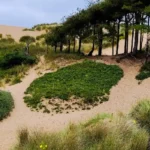


Formby Pinewoods in Merseyside stands as one of the final natural coastal refuges for the native Eurasian red squirrel, known scientifically as Sciurus vulgaris, in England. Managed primarily by the National Trust, this 500-acre woodland reserve provides a critical sanctuary where visitors can observe these rare arboreal mammals foraging in their natural coniferous environment. Successful wildlife watching requires an understanding of squirrel activity patterns, seasonal behaviors, habitat preferences, and local conservation guidelines.
- What Is the Eurasian Red Squirrel and Why Is Formby a Critical Habitat?
- What Are the Best Times of Day and Year to Spot Red Squirrels at Formby?
- Which Trails Offer the Highest Chance of Seeing Red Squirrels?
- What Equipment and Preparation are Needed for a Successful Visit?
- What Field Signs and Behavioral Cues Reveal Red Squirrel Presence?
- What Conservation Rules and Ethical Guidelines Must Visitors Follow?
- Frequently Asked Questions
The Eurasian red squirrel was historically abundant across the British Isles prior to the introduction of the North American grey squirrel, Sciurus carolinensis, in the late nineteenth century. Grey squirrels carry the parapoxvirus, a disease fatal to red squirrels, and outcompete native populations for broadleaf food resources. The isolated coastal woodland in Formby, planted initially in the late nineteenth century with Scots pine and Corsican pine trees to stabilize mobile sand dunes, created an ideal conifer-dominated ecological niche. Conifer seeds provide a stable food source that favors the smaller red squirrel over the larger grey squirrel, allowing the Formby population to persist under managed isolation.
The National Trust works alongside regional wildlife groups to maintain strict biosecurity and monitoring protocols across the Sefton Coast. Conservation efforts include habitat management, grey squirrel control along buffer zones, and monitoring for squirrelpox outbreaks. Visitors play a direct role in protecting this vulnerable species by adhering to designated footpaths, keeping domestic dogs on leads, and refraining from supplemental feeding, which can spread infectious pathogens through contaminated feeding stations. Planning a trip around optimal environmental conditions significantly increases the probability of encountering these elusive rodents.
What Is the Eurasian Red Squirrel and Why Is Formby a Critical Habitat?
What is the Eurasian red squirrel and why is Formby a critical habitat?
The Eurasian red squirrel is a small tree mammal identified by its reddish coat, tufted ears, and bushy tail used for balance in the canopy. Formby provides a rare coastal conifer forest offering specialized food resources like pine cones that protect red squirrels from grey squirrel competition.
Sciurus vulgaris is an arboreal rodent natively adapted to boreal and temperate coniferous forests across Eurasia. Adult red squirrels weigh between 250 and 340 grams, measuring approximately 19 to 23 centimeters in head-and-body length, with a tail measuring 15 to 20 centimeters. Their physical structure is designed for dynamic locomotion through dense tree canopy architectures, utilizing sharp curved claws to scale vertical bark surfaces and long hind limbs to leap up to several meters between pine branches.
The coastal reserve at Formby covers a unique ecological terrain along the Sefton Coast. Planted extensively by local estates during the Victorian era, the dominant tree species include Pinus sylvestris, commonly known as Scots pine, and Pinus nigra subspecies salzmannii, known as Corsican pine. Coniferous trees produce winged seeds encased within tough cones. Red squirrels possess specialized jaw musculature and incisor alignment that allow them to strip pine scales efficiently to harvest seeds.
Grey squirrels prefer broadleaf woodlands rich in acorns, as their digestive systems can neutralize high tannin concentrations that are toxic to red squirrels. Broadleaf oak foliage allows grey squirrels to achieve higher population densities, outcompeting red squirrels for terrestrial resources. The high ratio of pine to broadleaf trees in Formby serves as an ecological barrier, preserving an energetic advantage for the red squirrel population.
The Formby population has faced historical declines due to periodic outbreaks of the squirrelpox virus. A major outbreak between 2007 and 2008 reduced the local population by over 80 percent. Ongoing research, systematic monitoring, and natural genetic selection have enabled partial recovery. The site remains a primary reference area for researchers studying disease immunity and habitat management strategies aimed at securing the long-term survival of Sciurus vulgaris in mainland Britain.
What Are the Best Times of Day and Year to Spot Red Squirrels at Formby?
What are the best times of day and year to spot red squirrels at Formby?
The optimal times to observe red squirrels at Formby are early morning hours within two hours of sunrise, particularly during autumn from September to November. Squirrels exhibit diurnal activity peaks linked to temperature, daylight length, and seasonal food availability.
Squirrel activity follows a clear circadian rhythm dictated by light conditions and metabolic energy requirements. Red squirrels emerge from their nests, known as dreys, shortly after dawn to begin foraging. During the early morning hours, human visitor numbers, traffic noise, and domestic pet activity remain low, encouraging squirrels to descend from high canopy roosts to lower branches and the forest floor.
Midday heat causes squirrels to restrict energy expenditure, leading them to rest within canopy dreys or dense foliage. A second, smaller activity peak occurs in the late afternoon before dusk, as individuals consume additional food before nightfall. Arriving at the reserve early in the morning yields the highest probability of active sightings.
Seasonal dynamics alter behavioral visibility across the four calendar seasons:
- Autumn (September to November): Autumn represents the peak viewing window. Squirrels work to cache food supplies for winter, gathering pine cones, beech mast, and fungi. Ground-level and low-branch foraging increases significantly. Deciduous leaf fall improves sightlines through the canopy.
- Winter (December to February): Squirrels do not hibernate, remaining active throughout winter months. Cold conditions force animals to spend more time foraging during daylight hours to maintain body heat. Dense morning frosts and thin foliage make red coats visible against pine bark.
- Spring (March to May): Spring coincides with the primary breeding season and the birth of early litters. Mating chases occur throughout the canopy, during which multiple males pursue females. Activity remains high, though emerging foliage begins to obstruct canopy viewing.
- Summer (June to August): Summer presents the most challenging viewing conditions. Heavy foliage obscures tree branches, high temperatures suppress midday movement, and high visitor traffic drives wildlife deeper into reserve sanctuaries.
Weather conditions directly influence wildlife encounters. High wind speeds destabilize tree branches, causing squirrels to remain sheltered in tree hollows or dreys. Heavy rainfall dampens fur, increasing risk of hypothermia and lowering active foraging time. Clear, calm, dry mornings with low wind speeds offer optimal environmental conditions for field observation.
Which Trails Offer the Highest Chance of Seeing Red Squirrels?

The Squirrel Walk starting near the Victoria Road car park provides the highest sighting probability. This dedicated 1.2-mile circular loop traverses dense, mature pine canopy where red squirrels nest, feed, and interact naturally.
Formby features a network of marked trails designed for varying physical abilities and interests. Navigating designated paths preserves sensitive dune habitats while keeping observers within core wildlife corridors.
The primary walking routes include:
- The Squirrel Walk (Victoria Road Loop): This 1.2-mile circular path serves as the central wildlife trail within the reserve. Navigating through mature Scots and Corsican pine stands, the path features flat terrain with sandy soil underfoot. The concentration of mature cone-producing trees supports high drey density, making this trail the primary destination for wildlife spotters.
- The Formby Woodlands and Dunes Trail: Spanning 2.5 miles, this route connects the inland pinewoods to the coastal sand dune system. The trail covers variable terrain, including soft sand gradients and exposed roots. The transition zone where pine forest meets open dune habitat allows visitors to observe red squirrels foraging on ground fungi alongside coastal wildlife.
- Lifeboat Road to Victoria Road Link Trail: Measuring approximately 3 miles, this extended trail runs parallel to the coast through mixed woodland and scrub patches. Because this trail experiences lower average foot traffic than the central loop, patient observers can spot shyer individuals away from main visitor nodes.
Positioning along trails requires an understanding of spatial tree architecture. Focus attention on the mid-canopy layer, located between 5 and 15 meters above ground level, where branches overlap to form natural transit pathways. Pausing silently at trail intersections surrounded by mature Scots pine stands provides a higher success rate than continuous walking, as human movement alerts wildlife before observers detect them.
What Equipment and Preparation are Needed for a Successful Visit?
Successful visits require optical gear like compact binoculars, muted weather-resistant clothing, sturdy walking footwear, and pre-downloaded trail maps. Advance planning accounts for limited digital connectivity, variable coastal weather, and strict conservation regulations on site.
Observing small mammals within a high canopy environment requires specific preparation. Standard optical equipment, such as 8×42 or 10×42 binoculars, provides adequate light gathering and magnification to identify animals through foliage without disturbing their natural behavior. Long telephoto camera lenses, spanning 300mm to 600mm focal lengths, are recommended for wildlife photography due to low light levels under dense pine canopies.
Clothing choices directly impact wildlife interactions. Bright, high-contrast colors attract animal attention and signal potential threats. Natural, muted tones such as green, brown, and grey blend into the forest background. Synthetic fabrics that rustle during movement should be avoided in favor of quiet outer layers like fleece or brushed cotton.
Footwear must accommodate loose sand, exposed tree roots, and damp soil. Ankle-high hiking boots with contoured rubber outsoles provide stability across uneven coastal terrain. Dressing in breathable thermal layers permits adjustments as morning temperatures change along the coast.
Logistical preparation requires attention to field conditions:
- Parking and Access: Main access points sit at Victoria Road (L37 1YH) and Lifeboat Road (L37 2EB). Car parks are operated by the National Trust and require parking fees for non-members. Parking spaces fill rapidly on fair-weather mornings and weekends, prompting automatic site closures when capacity is reached.
- Public Transport: The Northern Line rail network operated by Merseyrail provides direct access to the reserve. Freshfield Station sits roughly 0.7 miles from the Victoria Road woodland entrance, providing a direct pedestrian link from Liverpool Central and Southport stations.
- Connectivity: Mobile signal across Formby Pinewoods is limited and intermittent. Navigation maps, parking payment applications, and trail guides should be downloaded to mobile devices prior to arrival on site.
What Field Signs and Behavioral Cues Reveal Red Squirrel Presence?

Field signs indicating red squirrel presence include stripped pine cone cores, discarded cone scales on the forest floor, vocal chattering, and drey structures built high in pine forks. Recognizing these physical markers allows observers to locate active feeding zones.
Wildlife spotters rely on indirect tracking indicators when direct visual sightings are obstructed by dense foliage. Red squirrels leave distinct environmental signatures during daily foraging and territorial activities.
Primary physical field signs include:
- Stripped Pine Cones (Middens): Red squirrels strip pine cones to extract nutritious seeds, leaving a central spindle resembling a bare apple core. Accumulations of these stripped cores and loose scales around the bases of mature trees mark active feeding perches known as middens. In contrast, field mice gnaw cone scales unevenly, while birds split cones down the center.
- Vocalizations: When alarmed or defending territory, red squirrels produce sharp, metallic clicking noises, repetitive scolding vocalizations, and high-pitched chattering sounds. These calls frequently alert observers to an individual’s location before visual contact occurs.
- Drey Structures: Dreys are spherical nests constructed from twigs, pine needles, moss, and bark strips. Measuring roughly 30 centimeters in diameter, dreys sit wedged against main tree trunks or major branch forks at heights exceeding six meters. Unlike bird nests, dreys present a fully enclosed dome designed for thermal insulation.
- Canopy Movement: As red squirrels leap across branches, tree limbs sway sharply in localized sequences. Watching for sudden, isolated movement in the mid-canopy layer often reveals an active squirrel moving through its territorial range.
Tail movements provide insight into current animal behavior. A relaxed squirrel holds its tail flat along its back or trailing fluidly behind. Rapid flicking or twitching indicates agitation, territorial defense, or awareness of a nearby predator, signaling that observers should increase their distance.
What Conservation Rules and Ethical Guidelines Must Visitors Follow?
Visitors must remain on marked paths, keep dogs strictly on leads, avoid supplemental feeding, and maintain respectful observation distances. These actions prevent habitat degradation, limit stress on wildlife, and restrict the transmission of fatal viral infections.
Protecting the red squirrel population at Formby requires active cooperation between visitors and land managers. Human disturbance alters wildlife behavior, forces animals away from optimal feeding zones, and introduces biological hazards.
Key ethical guidelines include:
- Prohibition of Supplemental Feeding: Feeding red squirrels by hand or placing unsecured feeding tables is strictly discouraged. Artificial feeding sites aggregate individual animals, increasing viral transmission rates for diseases like squirrelpox. Unmonitored food stations also attract grey squirrels and rodents, disrupting ecological balance.
- Dog Control Regulations: Domestic dogs pose a direct physical threat to ground-foraging squirrels and induce severe physiological stress. Dogs must remain on short leads throughout designated wildlife sanctuary zones. Free-roaming dogs drive squirrels up into the high canopy, interrupting foraging routines essential for winter survival.
- Habitat Preservation: Stepping off marked paths compacts sandy soil, destroying sensitive fungal networks and shallow tree roots. Trampling ground vegetation prevents the natural regeneration of pine saplings necessary to sustain long-term forest cover.
- Litter Removal: All food wrappers, organic waste, and plastic packaging must be packed out or deposited in secure bins near car park entrances. Food scraps attract invasive scavengers that disrupt native wildlife routines.
Adhering to non-intrusive observation practices ensures that wildlife encounters remain ethical, allowing the reserve to sustain its native population.
Frequently Asked Questions
What time of day are red squirrels most active at Formby?
Red squirrels are most active during the first two hours after sunrise. Early morning visits offer cool temperatures, lower human noise, and peak natural foraging activity along forest floors and low branches. A smaller secondary activity window occurs in late afternoon before dusk.
Are red squirrel sightings guaranteed when visiting Formby?
Sightings are never guaranteed because Formby operates as a wild, un-fenced coastal nature reserve. However, visiting on dry, calm autumn or winter mornings significantly increases your chances. Following designated squirrel trails silently improves observation probability.
Can I feed the red squirrels at Formby Pinewoods?
Hand-feeding red squirrels is strictly prohibited by conservation guidelines. Supplemental feeding congregates animals, accelerating the spread of fatal diseases such as squirrelpox. Artificial feeding also attracts grey squirrels and pest species that disrupt ecosystem dynamics.
Are dogs allowed on the Red Squirrel Trail at Formby?
Dogs are permitted within Formby Pinewoods but must remain strictly on short leads inside wildlife protection zones. Off-lead dogs startle foraging squirrels, induce dangerous stress levels, and force native wildlife to vacate core feeding areas.
What is the best season to see red squirrels at Formby?
Autumn, spanning September through November, offers the highest sighting success rates. Squirrels spend extended periods on the ground gathering winter food stores. Thinning tree leaves during autumn also improves overall canopy visibility.