

Liverpool is one of England’s most historically significant cities. Its maritime heritage, cultural institutions, public parks, museums, and waterfront attractions provide families with an opportunity to combine education, recreation, and heritage exploration within a single weekend. Planning a family-friendly visit requires understanding the city’s geography, historical assets, transport connections, and age-appropriate attractions.
- Why is Liverpool an ideal destination for a family-friendly weekend?
- What historical background should families understand before visiting Liverpool?
- Which historic waterfront attractions should families prioritise?
- Which museums provide the best educational experiences for children?
- How can families explore Liverpool’s cultural heritage during a weekend?
- What outdoor spaces are most suitable for families?
- How should families structure a two-day Liverpool itinerary?
- What historical landmarks beyond the city centre deserve attention?
- How has Liverpool preserved its heritage for future generations?
- Why does Liverpool remain historically relevant today?
The city developed from a small medieval port into one of the world’s most important maritime centres during the eighteenth and nineteenth centuries. Today, many historic sites remain preserved and accessible, allowing visitors to engage directly with centuries of British social, economic, and cultural history while enjoying modern family amenities.
Why is Liverpool an ideal destination for a family-friendly weekend?
Liverpool combines world-class museums, historic landmarks, extensive green spaces, family-oriented attractions, and efficient transport links within a compact urban area. This concentration of educational and recreational opportunities allows families to experience centuries of history, culture, and entertainment during a short weekend visit.
Liverpool is located in North West England on the eastern side of the Mersey Estuary. The city has a population exceeding 490,000 residents, while the wider Liverpool City Region contains more than 1.5 million people.
Its significance stems from several major historical developments. Liverpool became a key Atlantic port during the eighteenth century, played a central role in global maritime trade during the nineteenth century, and later emerged as an internationally influential cultural centre.
Families benefit from the city’s walkable historic core. Major attractions are concentrated around the waterfront, city centre, and surrounding districts. This reduces travel time and allows visitors to maximise sightseeing opportunities over a two-day period.
Liverpool also contains nationally significant museums with free admission. This accessibility makes educational tourism affordable for families while supporting public engagement with heritage and history.
What historical background should families understand before visiting Liverpool?
Liverpool’s modern identity emerged through maritime trade, industrial expansion, immigration, and cultural innovation. Understanding these developments helps families interpret the city’s landmarks, museums, and historic districts while appreciating Liverpool’s influence on British and global history.
The earliest documented reference to Liverpool dates to 1207. King John granted a royal charter establishing a borough intended to support military campaigns in Ireland. At that time, Liverpool consisted of only a small settlement surrounding a natural harbour.
During the seventeenth century, maritime commerce expanded significantly. Liverpool’s position along Atlantic trade routes enabled merchants to develop commercial networks connecting Britain, Europe, Africa, and the Americas.
The eighteenth century transformed Liverpool into one of Britain’s most important ports. Dock construction expanded rapidly. Between 1715 and 1914, numerous dock systems were constructed, including examples such as Old Dock, Prince’s Dock, and Albert Dock.
The nineteenth century brought industrialisation and population growth. Railway development strengthened connections with manufacturing regions across northern England. Liverpool became a gateway for migrants travelling to North America. Millions of emigrants passed through the city during the nineteenth and early twentieth centuries.
The twentieth century witnessed economic restructuring, wartime destruction during the Second World War, and cultural renewal. Liverpool later achieved international recognition through music, sport, architecture, and heritage preservation.
This historical evolution explains why the city contains such a diverse collection of museums, historic buildings, waterfront structures, and cultural institutions suitable for family exploration.
Which historic waterfront attractions should families prioritise?
Liverpool’s waterfront preserves centuries of maritime history through docks, warehouses, museums, and public spaces. These landmarks illustrate the city’s global trading role while offering interactive experiences, educational exhibits, and accessible walking routes suitable for families.
The waterfront represents Liverpool’s most recognisable historic landscape.
The Royal Albert Dock opened in 1846 and remains one of Britain’s most significant preserved dock complexes. Designed by Jesse Hartley and Philip Hardwick, the structure pioneered the use of cast iron, brick, and stone without relying on structural timber.
Today, the dock complex houses museums, galleries, restaurants, and public spaces. Families can examine Victorian engineering while participating in educational exhibitions.
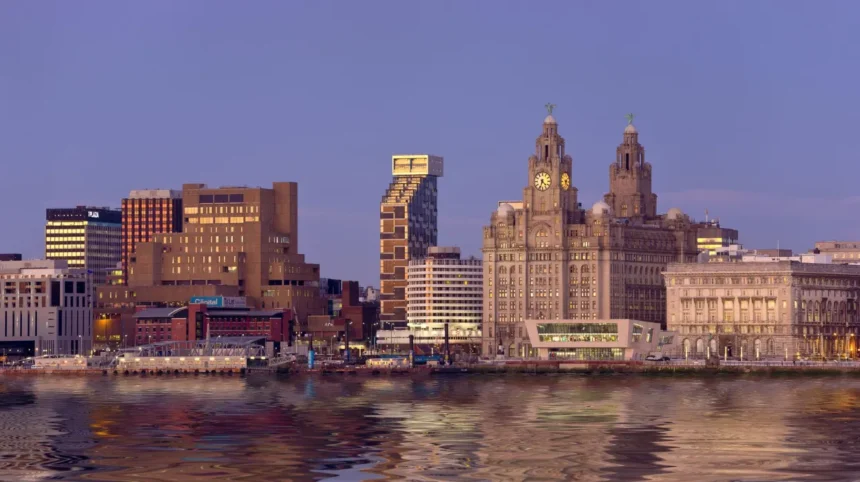
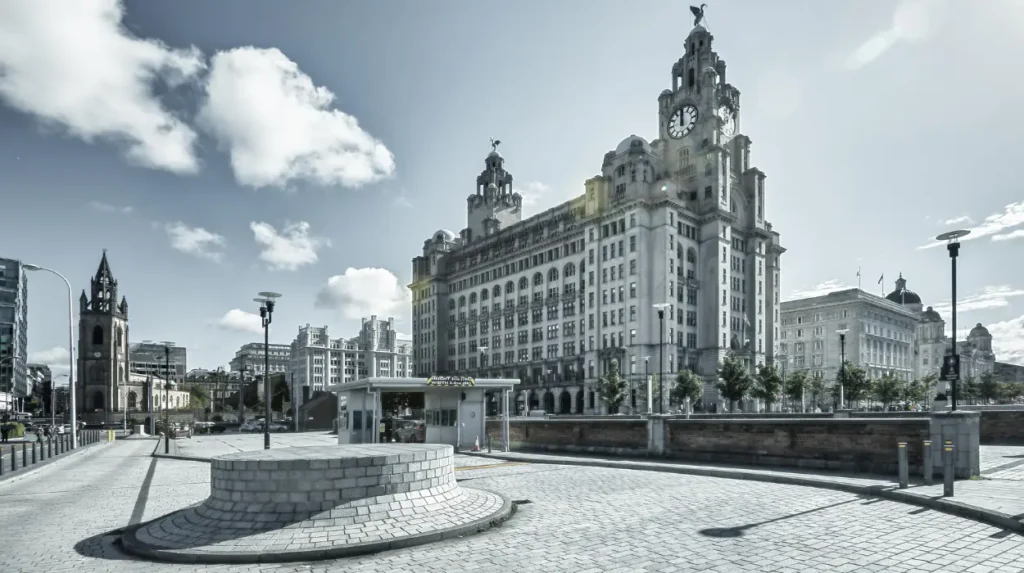
The Pier Head forms another essential waterfront destination. Three prominent buildings dominate the skyline. Examples include the Royal Liver Building, the Cunard Building, and the Port of Liverpool Building.
Collectively known as the Three Graces, these structures symbolise Liverpool’s maritime prosperity during the early twentieth century.
The waterfront also provides opportunities to discuss global migration, shipping technology, and international commerce. These themes help younger visitors connect local landmarks with broader historical developments.
To experience this historic waterfront in person today, consult our comprehensive [Best Family-Friendly Things to Do in Liverpool This Weekend] for itineraries and visiting parameters.
Which museums provide the best educational experiences for children?
Liverpool’s museums present history, archaeology, science, natural history, and social heritage through interactive exhibits designed for varied age groups. These institutions transform complex historical subjects into accessible learning experiences while maintaining strong academic and curatorial standards.
The Museum of Liverpool is the city’s principal institution for interpreting local history.
Opened in 2011, the museum documents Liverpool’s development from medieval settlement to contemporary city. Galleries explore migration, commerce, transportation, sport, and popular culture.
Children benefit from interactive displays that demonstrate how daily life evolved across different historical periods.
Merseyside Maritime Museum examines Liverpool’s maritime connections. Exhibitions address shipbuilding, transatlantic travel, merchant shipping, and seafaring communities.
The museum also provides historical context regarding migration and ocean travel. These subjects shaped Liverpool’s demographic and cultural development.
World Museum Liverpool offers broader educational opportunities. Collections include archaeology, natural sciences, ethnography, and astronomy.
Families can explore ancient civilisations through examples such as Ancient Egypt, Ancient Greece, and Ancient Rome. Scientific galleries introduce geology, biodiversity, and space exploration.
National Museums Liverpool reports millions of annual visitors across its institutions, reflecting the city’s importance as a heritage tourism destination.
How can families explore Liverpool’s cultural heritage during a weekend?
Liverpool’s cultural heritage reflects centuries of immigration, artistic achievement, religious diversity, and community development. Families can explore this legacy through architecture, public institutions, performance venues, and neighbourhoods that preserve evidence of social and cultural change.
Cultural heritage extends beyond museums and monuments.
Liverpool’s population historically included migrants from Ireland, Wales, Scotland, China, Africa, and continental Europe. These communities contributed to the city’s social and economic development.
Liverpool’s Chinatown represents one of Europe’s oldest Chinese communities. Chinese migration began during the nineteenth century through maritime employment and trade networks.
Religious architecture also illustrates cultural diversity. Significant examples include Liverpool Cathedral, Metropolitan Cathedral, and numerous historic churches across the city.
Liverpool Cathedral remains Britain’s largest cathedral and one of the largest religious buildings in the world. Construction began in 1904 and continued throughout much of the twentieth century.
The Metropolitan Cathedral, completed in 1967, demonstrates modern architectural approaches distinct from traditional Gothic styles.
Families exploring these landmarks gain insight into religious history, architecture, and urban development.
What outdoor spaces are most suitable for families?
Liverpool contains extensive historic parks and recreational landscapes that provide opportunities for relaxation, education, and outdoor activities. Many of these green spaces reflect nineteenth-century urban planning principles designed to improve public health and quality of life.
Public parks became increasingly important during the Victorian period.
Sefton Park is among Liverpool’s most celebrated green spaces. Opened in 1872, the park covers approximately 235 acres and exemplifies Victorian landscape design.
Features include lakes, walking paths, ornamental gardens, and the Palm House. The Palm House, completed in 1896, remains an important example of Victorian glasshouse engineering.
Families can combine recreation with historical learning by examining how nineteenth-century cities used public parks to address overcrowding and environmental concerns.
Calderstones Park offers additional educational opportunities. Archaeological features include prehistoric standing stones estimated to be thousands of years old.
The park demonstrates how urban environments can preserve evidence of ancient human activity while serving contemporary recreational needs.
These spaces provide balance within a weekend itinerary, allowing families to alternate between museums and outdoor exploration.
How should families structure a two-day Liverpool itinerary?
An effective family weekend combines waterfront history, museum visits, cultural exploration, and outdoor recreation. Organising activities geographically reduces travel time and allows visitors to experience Liverpool’s major attractions without creating an overly demanding schedule.
A two-day structure helps maximise efficiency.
The first day should focus on the waterfront district. Families can begin at the Museum of Liverpool before exploring Albert Dock, maritime exhibitions, and Pier Head.
This sequence introduces Liverpool’s historical foundations through maritime commerce, migration, and urban growth.
The second day can emphasise broader cultural and environmental heritage. Visits to Liverpool Cathedral, the Metropolitan Cathedral, Sefton Park, and neighbourhood heritage sites provide a wider perspective on the city’s development.
This arrangement balances educational content with leisure activities.
Walking remains practical throughout much of the city centre. Public transport networks, including buses and rail services, provide convenient access to more distant attractions.
Liverpool Lime Street Station serves as the city’s principal rail gateway, connecting Liverpool with major destinations across England.
What historical landmarks beyond the city centre deserve attention?
Several important heritage sites outside Liverpool’s central waterfront reveal additional aspects of the city’s development. These locations provide insight into suburban growth, industrial expansion, religious history, and community life across different historical periods.
Many visitors focus exclusively on central attractions.
However, suburban heritage sites reveal additional layers of history.
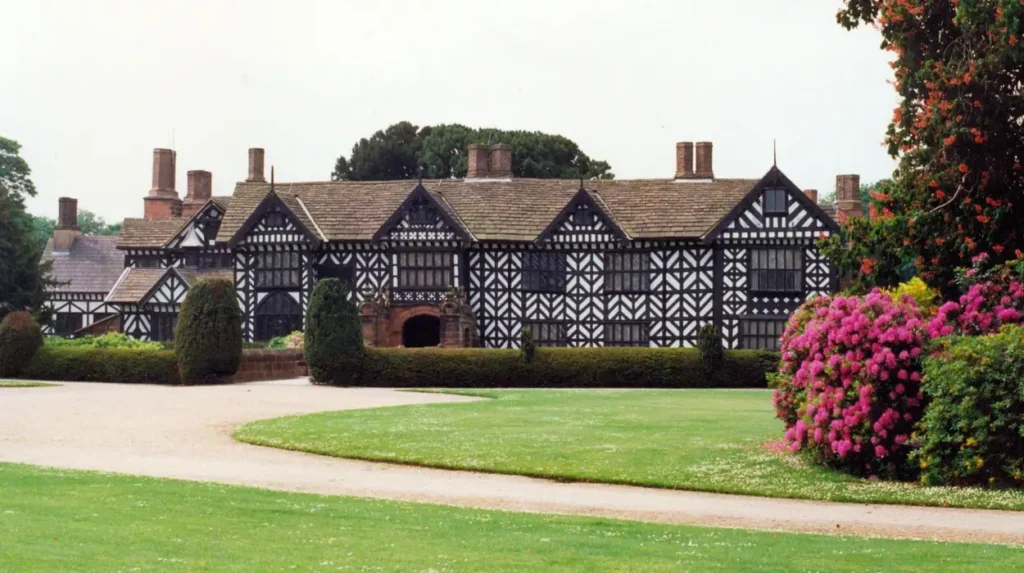
Speke Hall represents one of the region’s most significant historic houses. Built during the Tudor period, the timber-framed manor preserves architectural features associated with sixteenth-century England.
The property offers educational opportunities relating to domestic life, social hierarchy, and architectural development.
St George’s Hall remains another essential landmark. Completed in 1854, the building served judicial and civic functions.
Architectural historians frequently regard it as one of the finest examples of neoclassical architecture in Europe.
Its Great Hall, concert facilities, and civic spaces illustrate nineteenth-century municipal ambition and public investment.
These sites broaden understanding of Liverpool beyond its maritime narrative.
How has Liverpool preserved its heritage for future generations?
Heritage preservation in Liverpool involves museums, conservation programmes, academic research, restoration projects, and public engagement initiatives. These efforts protect historic buildings, cultural traditions, and archaeological resources while ensuring continued educational access for future generations.
Conservation became increasingly important during the late twentieth century.
Numerous historic structures faced redevelopment pressures associated with economic change and urban renewal.
Public institutions, heritage organisations, universities, and local authorities collaborated to preserve significant landmarks.
Examples include restoration projects at Albert Dock, St George’s Hall, and numerous listed buildings across the city.
Historic England identifies thousands of listed heritage assets throughout Merseyside. These designations recognise architectural, cultural, and historical significance.
Universities contribute through archaeological investigations, archival research, and conservation studies. Academic scholarship continuously improves understanding of Liverpool’s historical development.
Digital archives further support preservation efforts by making historical records accessible to researchers, educators, genealogists, and the general public.
These initiatives ensure that future generations can continue studying and experiencing Liverpool’s heritage.
Why does Liverpool remain historically relevant today?
Liverpool remains historically relevant because its development reflects major themes in British and global history, including trade, migration, industrialisation, urbanisation, cultural exchange, and heritage conservation. The city provides tangible evidence of these processes through preserved landmarks and public institutions.
Historical relevance depends upon continued connections between past and present.
Liverpool illustrates how maritime commerce influenced national economies. The city’s docks demonstrate technological innovation and industrial growth.
Migration histories preserved in museums and archives reveal how population movements shaped modern societies.
Architectural landmarks document changing design philosophies across multiple centuries. Examples include Tudor architecture, Victorian engineering, Edwardian commercial buildings, and modern religious structures.
Cultural achievements continue reinforcing Liverpool’s international profile.
Educational institutions, museums, heritage organisations, and community groups maintain active engagement with the city’s historical legacy.
For families, Liverpool provides a rare combination of accessibility and historical depth. Visitors can explore medieval origins, maritime expansion, industrial transformation, cultural diversity, and modern conservation efforts within a single weekend.
This concentration of heritage assets explains why Liverpool remains one of Britain’s most important destinations for historical and cultural tourism. A carefully planned family-friendly weekend offers not only recreation but also a structured introduction to more than eight centuries of urban history, preserving meaningful connections between the city’s past, present, and future.
Is Liverpool good for a family weekend trip?
Yes, Liverpool is ideal for families due to its museums, waterfront attractions, parks, cultural sites, and walkable city centre.