


The Liverpool job market operates within a dynamic urban economy defined by rapid structural diversification and expanding service sectors. Modern employment structures reflect a shift from traditional maritime transport into knowledge-based industries. Public sector institutions remain major employers across health, education, and local governance. Healthcare services represent 18.9 percent of total regional employment. Public administration and defence account for 8.6 percent of active roles. Education provides approximately 9.6 percent of local jobs across schools, colleges, and university networks. Professional, scientific, and technical services constitute 7.2 percent of regional workforce activity. Accommodation and food services generate 9.3 percent of regional positions due to urban tourism. Retail sectors employ 7.6 percent of active workers in commercial districts. Construction accounts for 3.1 percent of regional labor output. Manufacturing activity comprises 3.4 percent of local industrial participation.
Transport and storage operations represent 5.2 percent of local market supply. The overall regional employment rate stands at 57.3 percent among resident adults. Total active employment within Liverpool city boundaries equals approximately 223,400 individuals. Median annual resident earnings are recorded at 37,144 pounds sterling. Median workplace-based annual pay equals 38,430 pounds sterling. The local economic inactivity rate remains steady at 28.2 percent. Unemployment metrics show a model-based rate of 5.3 percent. The active claimant count for out-of-work benefit support stands at 19,300 individuals. Private sector operations provide 73.2 percent of total local wage opportunities. Public sector operations account for the remaining 26.8 percent of structural job supply.
The historical evolution of Liverpool employment traces a transformation from industrial shipping dominance to modern service delivery. Port expansion during the nineteenth century established Liverpool as an international trade gateway. Mid-twentieth-century industrial restructuring caused significant job losses across traditional docklands and heavy manufacturing plants. Subsequent economic regeneration initiatives focused on urban development, infrastructure modernization, and service diversification. Strategic investments established Liverpool as a cultural and financial center in Northern England. Established frameworks now incentivize commercial investment, technology entrepreneurship, and specialized research facilities. Understanding these structural baseline indicators allows job seekers to evaluate long-term career growth in target local sectors.
Which primary industries drive employment growth in Liverpool?
Healthcare delivery represents the single largest sector within Liverpool employment structures. Royal Liverpool University Hospital provides thousands of clinical and administrative positions. Broadgreen Hospital supports specialist medical research, cardiology, and respiratory health roles. Alder Hey Children’s Hospital acts as a major regional pediatric center and clinical employer. The Liverpool University Hospitals NHS Foundation Trust coordinates extensive healthcare staffing networks. Higher education serves as another critical economic driver within the regional job market. The University of Liverpool employs thousands of academic researchers, tutors, and administrative support workers. Liverpool John Moores University maintains expansive urban campuses requiring broad professional staff networks. Liverpool Hope University offers stable employment across educational administration and academic faculties. The Liverpool School of Tropical Medicine delivers specialized global health research positions.
Commercial financial services, digital technology, and retail logistics also drive strong local workforce expansion. Financial firms maintain operational centers within the commercial district around Old Hall Street. Software engineering, data science, and digital media startups expand rapidly within the Baltic Triangle creative hub. Advanced manufacturing operations thrive along peripheral industrial corridors like Speke and Halewood.

The Jaguar Land Rover plant at Halewood provides extensive automotive manufacturing and engineering positions. Pharmaceutical firms including CSL Seqirus and AstraZeneca operate major biomanufacturing facilities in Speke. Logistics hub expansion continues along the Port of Liverpool and Liverpool2 deep-water container terminal. Maritime logistics, supply chain management, and freight forwarding generate steady operational vacancies. For instance, maritime operations include container handling, freight clearance, customs compliance, and port terminal management.
How do workforce demographics impact regional job opportunities?
Demographic factors shape labor availability and skill distribution across the Liverpool metropolitan region. The total working-age population aged 16 to 64 within the Liverpool City Region equals 1,010,900 people. Male residents aged 16 to 64 account for 494,800 individuals in the labor pool. Female residents aged 16 to 64 comprise 516,100 individuals in the labor pool. Economically active residents across the wider city region total 777,900 individuals. Total employment across the combined authority area reaches 739,500 active workers. Salary employees make up 653,700 of these active workers. Self-employed individuals total 82,500 across various regional business sectors. Unemployed residents seeking work across the city region number approximately 38,400 people.
Occupational classifications reveal concentrated skill distribution patterns throughout the local working population. Higher-level professional and managerial positions comprise 49.4 percent of regional jobs. Managers, directors, and senior officials account for 62,100 local positions. Professional occupations represent the largest category, with 194,100 employed residents. Associate professional and technical roles account for 107,600 active job positions. Administrative and secretarial workers total 70,400 across local public and private offices. Skilled trade occupations employ 59,300 individuals in construction, maintenance, and technical services. Caring, leisure, and personal service roles account for 77,000 active employment contracts. Sales and customer service positions employ 52,900 local workers. Process, plant, and machine operators total 41,200 individuals across manufacturing and transport hub operations. Elementary occupations account for 72,000 roles in logistics, cleaning, and basic support services. Demographic diversity supports job availability across every major skills tier in the regional economy.
What skills are most in demand among Liverpool employers?
Employer demand centers on specialized technical capabilities, clinical credentials, and digital expertise. Digital systems development requires proficiency in cloud computing, data analysis, and software engineering. Healthcare recruitment prioritizes registered nursing qualifications, clinical research competencies, and specialized medical support training. Advanced manufacturing facilities require expertise in robotic automation, quality assurance, and mechanical systems engineering. Logistic operations demand skills in supply chain coordination, customs handling, and automated warehouse management. Commercial services look for expertise in corporate finance, risk management, and digital customer relationship management. Educational institutions seek qualified teaching staff, digital learning technicians, and specialized research specialists. Sustainable building projects demand green construction certifications, building information modeling skill sets, and renewable energy installation capabilities.
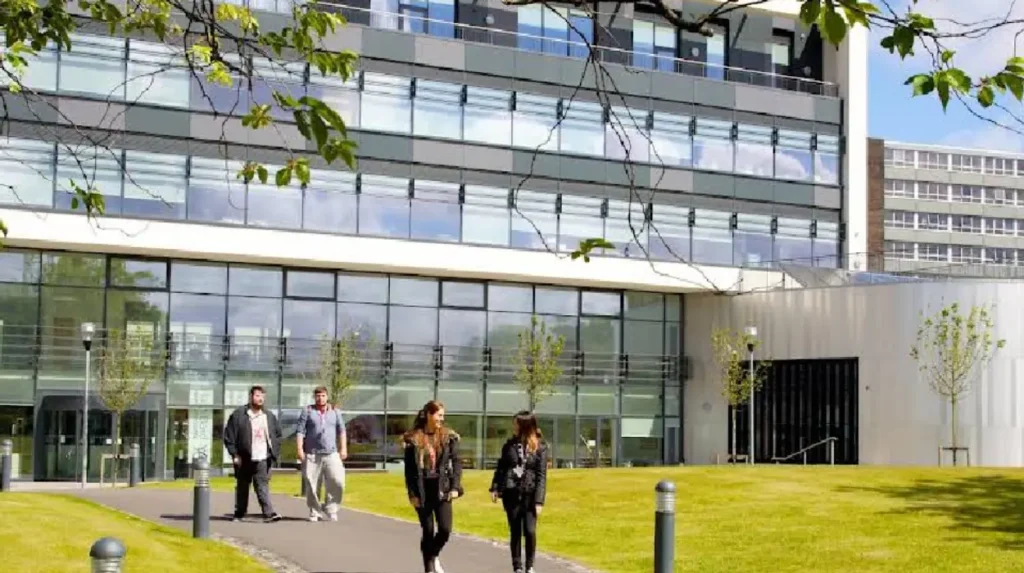
Skill development pathways operate through local universities, further education colleges, and technical training centers. City of Liverpool College delivers specialized vocational programs aligned with key regional growth industries. Hugh Baird College provides practical training in construction trades, engineering disciplines, and digital technologies. Apprenticeship schemes funded by the Liverpool City Region Combined Authority help upskill local residents. These training frameworks target skill gaps across software engineering, green construction, and specialized social care. For example, technical certifications include Cisco network administration, AWS cloud architecture, NVQ health care standards, and CITB construction accreditation.
What future economic developments will shape local hiring trends?
Major capital infrastructure investments will alter recruitment patterns across Liverpool over coming years. Liverpool Waters represents a massive dockland regeneration scheme creating widespread commercial and residential construction positions. The Knowledge Quarter Liverpool project expands research capacity, life science hubs, and tech incubator spaces. Expansion of Sciontec Liverpool facilities supports high-value biotechnology and software engineering job generation. The Mersey Tidal Power Project continues feasibility planning to construct renewable energy infrastructure along the river basin. Freeport status for the Liverpool City Region provides tax incentives that attract logistics and manufacturing operators. Modernization of the Port of Liverpool increases freight capacity and expands supply chain employment.
Strategic development targets digital transformation, carbon reduction, and high-value service exportation across Northern England. Green economy initiatives demand retrofitting specialists, wind energy technicians, and environmental planning consultants. Public policy initiatives emphasize digital infrastructure connectivity to support hybrid corporate working models. Automation will continue restructuring entry-level processing roles while increasing demand for system control specialists. Commercial expansion in the city center will boost demand for corporate legal, accounting, and consulting talent. These structural shifts ensure sustainable, long-term employment opportunities across technical, scientific, and professional services.
Frequently Asked Questions
What are the highest paying sectors in Liverpool?
Financial services, life sciences, software engineering, and advanced manufacturing offer the highest average salaries in Liverpool. Senior roles in corporate law, NHS clinical management, and port logistics management also yield above-average regional compensation.
How can job seekers find remote work in Liverpool?
Job seekers can access remote opportunities through regional recruitment portals, LinkedIn filters, and company career hubs. Local technology firms in the Baltic Triangle frequently offer hybrid or fully remote digital positions.
What qualifications are needed for Liverpool healthcare jobs?
Clinical healthcare roles require recognized university degrees, professional registration with bodies like the NMC or GMC, and cleared DBS checks. Support positions often require NVQ qualifications in health and social care alongside relevant clinical experience.
Is Liverpool a good city for tech job opportunities?
Liverpool features a growing digital tech sector centered in the Baltic Triangle and Knowledge Quarter. Demand remains high for software developers, data analysts, cloud engineers, and cybersecurity specialists across regional firms.
How does Liverpool’s employment rate compare to national averages?
Liverpool maintains a 57.3 percent resident employment rate, which sits below the UK national average of 60.8 percent. However, ongoing regeneration initiatives and public-private investments continue closing regional labor market gaps.