
Liverpool is one of the United Kingdom’s most historically significant cities and one of its most accessible destinations for families. Located on the eastern side of the River Mersey in North West England, Liverpool combines maritime heritage, cultural institutions, public parks, museums, and entertainment venues that appeal to visitors of all ages. The city’s UNESCO-recognised waterfront history, global musical legacy, and extensive collection of free attractions make it a popular destination for family weekend trips.
- Why is Liverpool considered one of the best family-friendly cities in the United Kingdom?
- What can families discover at Liverpool’s Royal Albert Dock?
- Why is the Museum of Liverpool a valuable attraction for families?
- What makes the Merseyside Maritime Museum suitable for children and adults?
- How does World Museum Liverpool create educational experiences for families?
- Why is Knowsley Safari popular with visiting families?
- What family activities can be enjoyed at Sefton Park?
- Why does The Beatles Story attract families across generations?
- What historical experiences are available at Liverpool Cathedral?
- How does Liverpool ONE provide family entertainment alongside historic attractions?
- Why does Liverpool remain an outstanding destination for family weekends?
Families visiting Liverpool during a weekend can explore locations connected to maritime trade, industrial development, social history, architecture, science, wildlife, and music. Many attractions are concentrated within the city centre, allowing multiple sites to be visited in a single day.
Why is Liverpool considered one of the best family-friendly cities in the United Kingdom?
Liverpool offers free museums, historic landmarks, public parks, waterfront attractions, educational experiences, and cultural institutions within a compact city centre. This combination allows families to experience history, entertainment, and learning opportunities during a single weekend while minimising travel time and transportation costs.
Liverpool’s development began as a small fishing settlement before expanding into one of the world’s most important ports during the eighteenth and nineteenth centuries. The city became a major gateway for international trade, migration, and industry.
Today, many historic buildings and former dock facilities have been preserved and repurposed as museums, galleries, and visitor attractions. This preservation allows families to engage directly with the city’s history rather than simply reading about it.
The city welcomes millions of visitors annually. Tourism contributes significantly to Liverpool’s economy, supported by museums, sporting venues, heritage sites, cultural festivals, and waterfront regeneration projects.
Families benefit from a concentration of attractions that combine recreation with education. Children can explore interactive exhibitions while adults gain deeper insight into Liverpool’s role in British and global history.
What can families discover at Liverpool’s Royal Albert Dock?
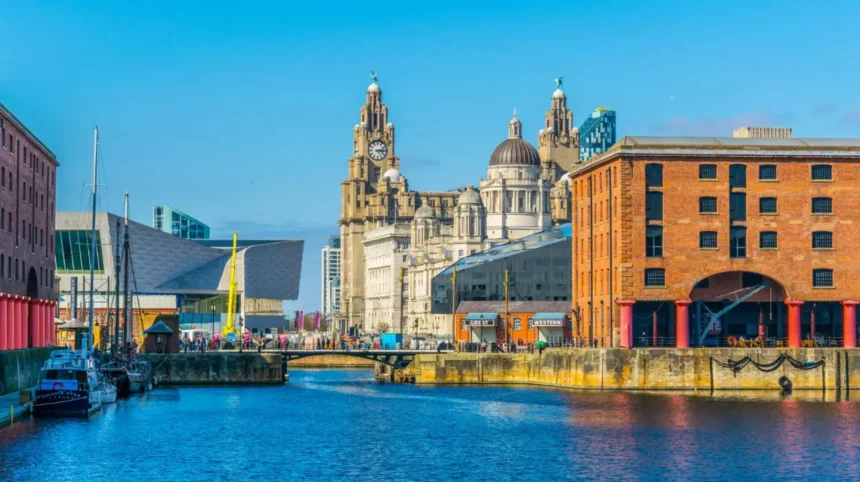
Royal Albert Dock combines Victorian engineering, maritime heritage, museums, restaurants, and waterfront views. Families can learn about Liverpool’s trading history, explore cultural attractions, and experience one of Britain’s most significant nineteenth-century dock complexes within a walkable historic environment.
The Royal Albert Dock opened in 1846 and represented a major advancement in dock engineering. Designed by architect Jesse Hartley and civil engineer Philip Hardwick, the complex became the first British structure built primarily from cast iron, brick, and stone without structural timber.
During the nineteenth century, Liverpool handled substantial volumes of global trade. Goods including cotton, tobacco, tea, and sugar passed through the city’s docks. The Albert Dock formed a crucial component of this maritime network.
Today, the dock complex contains museums, shops, public spaces, and cultural institutions. Historic warehouses remain visible, allowing visitors to observe original architectural features from the Victorian period.
The waterfront environment creates opportunities for family walks while introducing children to concepts such as industrialisation, international trade, and urban development.
To experience this historic landmark in person today, consult our comprehensive How to Plan a Family-Friendly Weekend in Liverpool for itineraries and visiting parameters.
Why is the Museum of Liverpool a valuable attraction for families?
The Museum of Liverpool presents the city’s social, cultural, and industrial history through interactive exhibitions, original artefacts, and educational displays. Families gain a comprehensive understanding of Liverpool’s development while children engage with hands-on learning experiences designed for multiple age groups.
Opened in 2011, the Museum of Liverpool became the largest newly built national museum in Britain for more than a century.
The museum documents Liverpool’s evolution from a medieval settlement into a major international city. Exhibits cover migration, commerce, sporting achievements, popular culture, transportation, and community life.
Families can explore displays featuring historic vehicles, household objects, photographs, and personal stories from local residents.
Educational programmes help younger visitors understand how ordinary people contributed to Liverpool’s history. Interactive elements encourage engagement through observation, problem-solving, and participation.
The museum also examines Liverpool’s connections to global migration. Millions of people passed through the city while travelling to North America, Australia, and other destinations during the nineteenth and early twentieth centuries.
These exhibits provide important context regarding population movement and international cultural exchange.
What makes the Merseyside Maritime Museum suitable for children and adults?
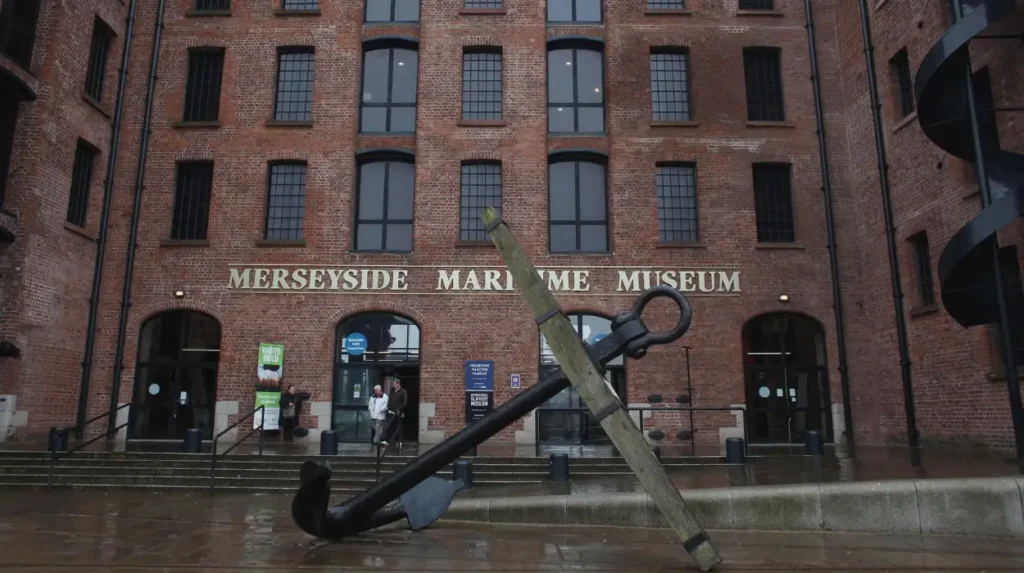
The Merseyside Maritime Museum explains Liverpool’s maritime history through ship models, naval collections, migration records, and interactive displays. Families learn how shipping shaped the city’s economy while exploring real historical events connected to global trade and ocean travel.
Liverpool’s identity is closely connected to maritime activity. For centuries, ships arriving from Europe, Africa, Asia, and the Americas transformed the city into an international trading centre.
The Merseyside Maritime Museum preserves evidence of this history through extensive collections.
Exhibitions examine commercial shipping, passenger travel, naval operations, and port management. Children gain insight into how ships were constructed, navigated, and operated.
The museum also explores the history of the transatlantic slave trade. Liverpool played a significant role in this system during the eighteenth century. Educational displays explain the economic and human consequences of slavery through historical documentation and research.
Another important section examines the RMS Titanic. Liverpool was the ship’s port of registry, making the vessel an important part of the city’s maritime story.
These exhibits connect local history to major international historical events.
How does World Museum Liverpool create educational experiences for families?
World Museum Liverpool combines natural history, archaeology, astronomy, and science collections under one roof. Families encounter ancient civilisations, fossils, wildlife specimens, and space exploration exhibits that support educational learning while providing engaging weekend activities.
The World Museum traces its origins to 1851. Over time, it developed into one of the largest multidisciplinary museums in northern England.
Its collections include archaeology, ethnology, zoology, geology, and astronomy.
Families can examine Egyptian artefacts, including mummies and burial objects that illustrate ancient religious practices and social structures.
Natural history galleries contain specimens representing diverse ecosystems from around the world. These displays support understanding of biodiversity and environmental science.
The museum’s planetarium introduces visitors to astronomy through presentations covering planets, stars, galaxies, and space exploration.
Science exhibitions encourage active participation through interactive displays and experiments.
The combination of disciplines allows families to connect local learning experiences with broader global and historical themes.
Why is Knowsley Safari popular with visiting families?
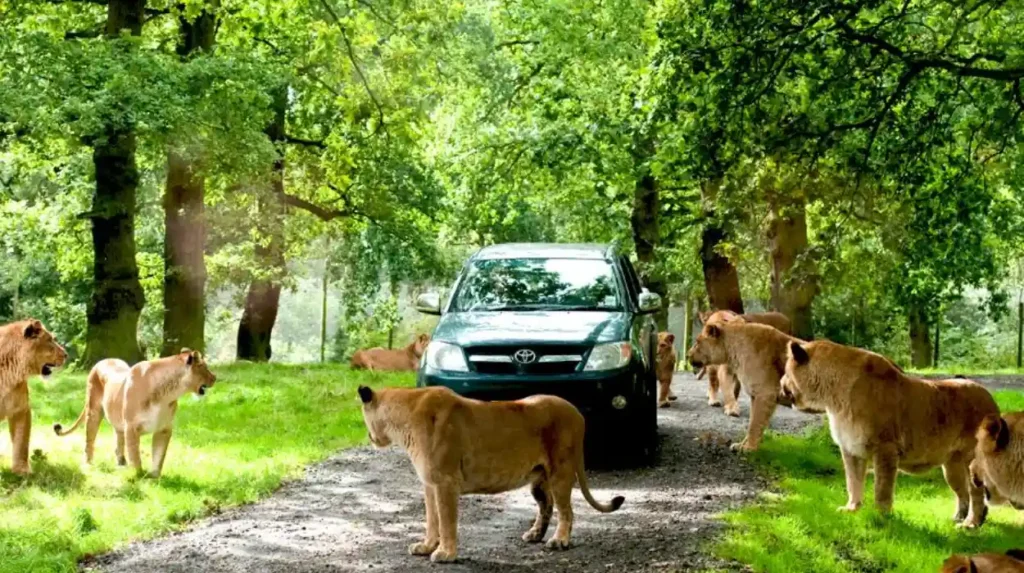
Knowsley Safari offers wildlife experiences, conservation education, and outdoor recreation near Liverpool. Families observe animals from multiple continents while learning about biodiversity, habitat preservation, and modern conservation programmes supported by zoological research and environmental management initiatives.
Located near Liverpool, Knowsley Safari occupies hundreds of acres of parkland.
The attraction traces its origins to the historic Knowsley Estate, associated with the Stanley family, Earls of Derby, for several centuries.
Today, the site houses numerous animal species representing Africa, Asia, Europe, and the Americas.
Educational programmes explain conservation challenges affecting endangered species. Families learn how habitat destruction, climate change, and illegal wildlife trade threaten biodiversity.
The safari environment encourages observation and discussion, helping children understand ecological relationships.
Modern zoological institutions increasingly focus on conservation science, breeding programmes, and public education. Knowsley Safari reflects this broader transformation within wildlife management and environmental awareness.
What family activities can be enjoyed at Sefton Park?
Sefton Park provides open green space, historic landscaping, recreational facilities, and natural habitats. Families can enjoy outdoor activities while experiencing one of Liverpool’s most significant Victorian parks and an important example of nineteenth-century urban planning.
Sefton Park opened in 1872 during a period of major urban expansion. The park was designed by landscape architect Édouard André and surveyor Lewis Hornblower.
Covering approximately 235 acres, the park reflects Victorian ideas regarding public health, recreation, and urban improvement.
During the nineteenth century, rapidly growing industrial cities created demand for accessible green spaces. Parks provided opportunities for exercise, relaxation, and social interaction.
One of Sefton Park’s most recognisable landmarks is the Palm House. This glass conservatory was completed in 1896 and remains a notable example of Victorian engineering and horticultural design.
Families visiting the park encounter lakes, walking paths, gardens, playgrounds, and wildlife habitats.
These features make Sefton Park an accessible destination for both recreation and informal environmental education.
Why does The Beatles Story attract families across generations?
The Beatles Story explains the history of Liverpool’s most famous musical group through exhibits, reconstructions, recordings, and historical artefacts. Families gain insight into cultural history while exploring the global influence of music originating from Liverpool during the twentieth century.
The Beatles formed in Liverpool during the late 1950s and became one of the most influential musical groups in modern history.
Members included John Lennon, Paul McCartney, George Harrison, and Ringo Starr.
The Beatles Story documents the group’s development from local performances to international success.
Exhibitions recreate locations associated with the band’s early career, including Liverpool music venues and recording environments.
Families learn how post-war social changes, technological developments, and popular culture contributed to the emergence of modern music industries.
The attraction also demonstrates Liverpool’s continuing cultural significance within global entertainment and tourism.
What historical experiences are available at Liverpool Cathedral?
Liverpool Cathedral combines architecture, religious heritage, cultural history, and panoramic city views. Families can explore one of the world’s largest cathedrals while learning about twentieth-century architecture, urban development, and the role of religious institutions in community life.
Liverpool Cathedral was designed by architect Sir Giles Gilbert Scott.
Construction began in 1904 and continued through several phases before completion in 1978.
The cathedral ranks among the largest religious buildings in Britain. Its Gothic Revival design incorporates traditional architectural elements alongside modern engineering techniques.
Families visiting the site can examine stained glass, stone carvings, memorials, and historical features.
The cathedral tower provides extensive views across Liverpool and the surrounding region.
Educational displays explain the building’s design, construction, and significance within British architectural history.
The structure also demonstrates how major public projects can evolve over multiple generations while maintaining continuity of purpose.
How does Liverpool ONE provide family entertainment alongside historic attractions?
Liverpool ONE combines shopping, leisure facilities, public spaces, and entertainment venues within a regenerated city-centre district. Families benefit from modern amenities while observing how urban redevelopment transformed former commercial areas into contemporary public destinations.
Liverpool ONE opened in 2008 as part of a large-scale urban regeneration programme.
The project transformed approximately 42 acres of city-centre land through new construction, public landscaping, and infrastructure improvements.
Urban regeneration initiatives became increasingly important across Britain during the late twentieth and early twenty-first centuries. Former industrial and commercial districts were adapted for new economic and social uses.
Liverpool ONE illustrates this process.
Families visiting the area encounter cinemas, restaurants, retail spaces, public art, and open-air gathering areas.
The development demonstrates how cities preserve historical identity while responding to changing economic conditions and visitor expectations.
Why does Liverpool remain an outstanding destination for family weekends?
Liverpool combines maritime heritage, cultural institutions, historic architecture, green spaces, educational museums, and modern attractions. Families experience centuries of British history while enjoying accessible activities that encourage learning, exploration, and engagement across multiple generations during a single weekend.
Few British cities offer such a concentrated collection of educational and recreational attractions.
Liverpool’s maritime heritage connects visitors to global trade networks that shaped the modern world. Museums preserve evidence of industrialisation, migration, science, and cultural development. Historic parks and public spaces reflect nineteenth-century urban planning principles. Music heritage attractions document Liverpool’s contribution to global popular culture.
Importantly, many of the city’s most significant attractions remain accessible to families through free admission or affordable entry costs.
The continued preservation of docks, museums, cathedrals, parks, and cultural institutions ensures that future generations can engage directly with Liverpool’s historical legacy.
For families seeking a weekend destination that combines learning, recreation, and cultural discovery, Liverpool provides a uniquely comprehensive experience. Its historical depth, educational resources, and family-friendly infrastructure continue to make it one of Britain’s most rewarding cities to explore.
Is Liverpool a good destination for a family weekend?
Yes. Liverpool offers museums, parks, waterfront attractions, historic landmarks, wildlife experiences, and family-friendly entertainment within a compact city centre, making it ideal for a weekend break.