
Liverpool underwent severe economic decline during the late twentieth century due to dock deindustrialization. Strategic municipal plans and private investments initiated in the early 2000s have systematically transformed derelict industrial zones into thriving residential, commercial, and cultural hubs.
- How Is the Baltic Triangle Being Transformed into a Creative Hub?
- What Progress Is Being Made on the Liverpool Waters Megaproject?
- Why Are the Ten Streets and North Docks Attracting Tech Investors?
- How Does the Knowledge Quarter Drive Liverpool Innovation District?
- Frequently Asked Questions
- Is Anfield undergoing regeneration beyond the football stadium?
- How has the Liverpool ONE development impacted the city centre economy?
- What is happening to the historic docks in the northern part of Liverpool?
- Are there affordable housing options available in Liverpool’s regenerated zones?
- What transport improvements are supporting Liverpool’s ongoing regeneration plans?
The post-industrial decline of the mid-twentieth century left massive tracts of land vacant along the River Mersey. The Merseyside Development Corporation commenced early structural reclamation in the 1980s, focusing on the historic Albert Dock. This early phase established tourism as a core economic pillar for the modern city. Subsequent frameworks introduced targeted municipal interventions to stimulate private sector confidence across the urban core.
The introduction of the Liverpool Local Plan solidified these early spatial strategies. The municipal government established clear development zones to attract international capital into critical infrastructure schemes. This targeted planning approach laid the foundation for the massive multi-billion pound master plans visible today. Consequently, the city transitioned from structural decline to a rapidly growing metropolitan economy.
How Is the Baltic Triangle Being Transformed into a Creative Hub?
The Baltic Triangle has transitioned from an abandoned industrial area of Victorian warehouses into Liverpool’s primary creative and digital district. The area now supports independent businesses, digital agencies, residential developments, and a major new Merseyrail Baltic station.
The Baltic Triangle occupies a strategic position immediately south of the city centre. During the nineteenth century, the area functioned as a bustling distribution hub for timber and maritime cargo. Deindustrialization eventually left the brick warehouses derelict until creative pioneers began occupying the cheap workspaces in the mid-2000s. The establishment of Baltic Creative Community Interest Company in 2009 institutionalized this grassroots movement.
The modern district contains hundreds of digital, creative, and technology agencies. Major social hubs such as the Baltic Market and Boxpark Liverpool attract high volumes of weekly visitors. Over 200 million pounds in private capital has funded high-quality apartment complexes to accommodate the influx of young professionals. The upcoming 100 million pound Liverpool Baltic railway station will secure permanent transport connectivity.
To discover how these transit links and infrastructure projects affect daily travel patterns for those relocating to the area, refer to our comprehensive guide on what are the best Liverpool areas for commuters across Merseyside and beyond.
What Progress Is Being Made on the Liverpool Waters Megaproject?
Liverpool Waters is a thirty year £5 billion regeneration scheme led by Peel L&P to transform 60 hectares of historic northern docklands. The project delivers five distinct neighborhoods featuring modern residential towers, office spaces, and the new Everton Football Club stadium.
This massive development spans two kilometers of historic waterfront from Princes Dock to Bramley-Moore Dock. The master plan divides the vast site into five distinct waterfront neighborhoods. These neighborhoods include Princes Dock, Central Docks, Clarence Docks, Collingwood Docks, and Northern Docks. Each neighborhood serves a specific purpose, combining high-density residential towers with extensive commercial office space.
The construction of the brand new 52,888-capacity Everton FC stadium at Bramley-Moore Dock acts as the anchor for the northern district. This landmark sports stadium has generated substantial secondary commercial activity in adjacent areas. Concurrently, central government funding of 55 million pounds has enabled the creation of a massive five-acre Central Park. The park introduces essential green infrastructure into the historically industrial northern docklands.
Why Are the Ten Streets and North Docks Attracting Tech Investors?
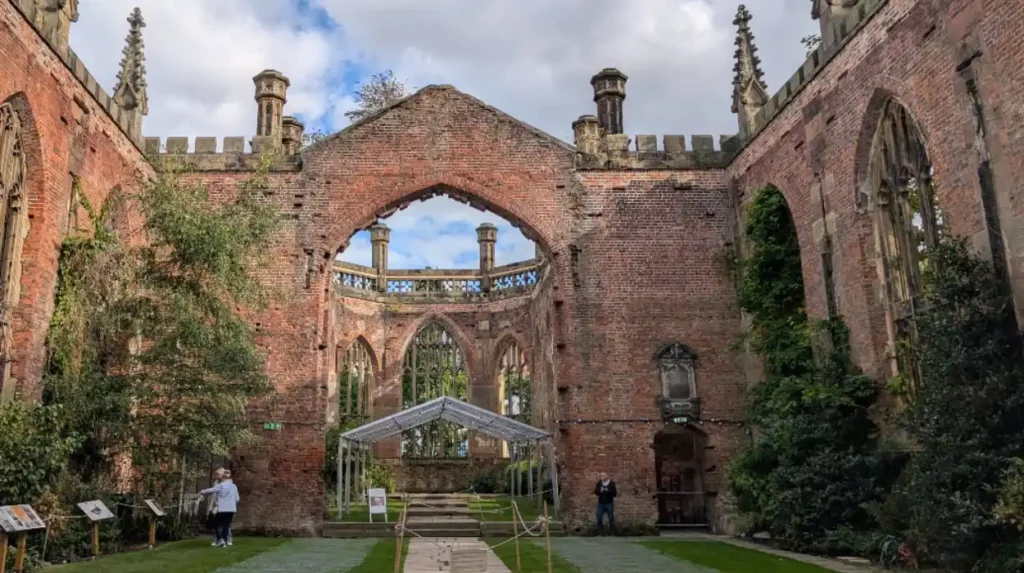
Ten Streets is a 125 acre regeneration zone designed to foster creative, scientific, and technological enterprises. The master plan preserves historic maritime heritage assets while introducing modern digital infrastructure, startup spaces, and cultural venues to stimulate economic growth.
Located directly north of the commercial business district, Ten Streets comprises historic warehouse blocks. The regeneration framework prioritizes the retention of the original Victorian architectural facades. This structural preservation creates a distinct aesthetic appeal that contrasts with standard modern office builds. The municipal vision aims to generate over 2,500 highly skilled jobs within the zone.
Tech startups and creative entities are occupying refurbished maritime structures. High-speed fiber optic networks and collaborative co-working hubs support these modern knowledge-based businesses. Major entertainment venues like the Invisible Wind Factory serve as cultural catalysts for the local night economy. The integration of commercial space with nearby residential developments ensures long-term economic sustainability.
How Does the Knowledge Quarter Drive Liverpool Innovation District?
The Knowledge Quarter is a 450 acre urban innovation district uniting global institutions in education, science, and medicine. Major investments like Paddington Village deliver world class laboratories, clinical research facilities, and workspace to position Liverpool as a global science leader.
The Knowledge Quarter encompasses the University of Liverpool, Liverpool John Moores University, and the Royal Liverpool University Hospital. This concentration of academic and clinical assets creates a highly collaborative research ecosystem. The flagship development within this zone is the 1 billion pound Paddington Village scheme. This site focuses on life sciences, digital technology, and high-performance computing.
The Spine building represents the architectural and scientific heart of Paddington Village. This structure houses the Royal College of Physicians and represents one of the healthiest workspaces globally. These institutions attract international researchers, pharmaceutical companies, and venture capital funding into the regional economy. The resulting high-value employment opportunities support the broader housing market in surrounding central districts.
For prospective residents analyzing the security and crime statistics of these rapidly developing central areas, look at our detailed breakdown of what are the safest areas to live in Liverpool according to local data.
Frequently Asked Questions
Is Anfield undergoing regeneration beyond the football stadium?
Anfield has experienced a 260 million pound regeneration project led by Liverpool City Council, Your Housing Group, and Liverpool Football Club. This project includes over 600 new homes, a refurbished high street on Breck Road, and improved public spaces. The initiative aims to balance major stadium expansions with local neighborhood improvements.
How has the Liverpool ONE development impacted the city centre economy?
Opened in 2008, Liverpool ONE is a 42 acre open-air shopping and leisure complex that completely revitalized the city centre. It attracted billions of pounds in tourism revenue and elevated Liverpool into the top five retail destinations in the United Kingdom. The development serves as a blueprint for successful retail-led urban regeneration.
What is happening to the historic docks in the northern part of Liverpool?
The northern docks are undergoing a 5 billion pound transformation known as Liverpool Waters, which integrates residential towers, commercial offices, and leisure facilities. This massive development project extends from Princes Dock to Bramley-Moore Dock, preserving maritime heritage. The new Everton FC stadium anchors the northernmost point of this corridor.
Are there affordable housing options available in Liverpool’s regenerated zones?
Regeneration schemes like those in Anfield, Everton, and the Baltic Triangle include dedicated affordable housing allocations managed by local housing associations. These initiatives ensure that long-term local residents are not priced out of newly developed urban neighborhoods. Developers must meet specific affordable unit quotas under municipal planning guidelines.
What transport improvements are supporting Liverpool’s ongoing regeneration plans?
Key transport upgrades include the construction of the new Liverpool Baltic Merseyrail station and the expansion of active travel corridors across the city centre. These infrastructure investments improve connectivity between the residential northern docks and the knowledge quarter. The local authority continues to prioritize cycling lanes and pedestrian walkways.