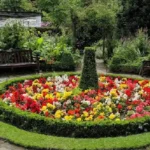

Aigburth is a historic suburban district in South Liverpool that offers an array of green spaces, independent cultural hubs, and historic estates. Visitors can explore the vast expanses of Sefton Park, dine along Lark Lane, and view Victorian art at Sudley House.
- What Is the Historical Significance of Sudley House?
- Why Is Sefton Park the Central Landmark of the Suburb?
- How Does Lark Lane Function as a Cultural Hub?
- What Recreational Activities Does Otterspool Promenade Offer?
- Where Are the Key Hidden Gems Located in Aigburth?
- What Is the Socioeconomic Impact of Aigburth on Liverpool?
- FAQs About Best Things to Do in Aigburth
The geographic footprint of Aigburth extends along the A561 Aigburth Road corridor, bounded by the River Mersey to the west and Mossley Hill to the east. Historically recorded as Eikberei in the thirteenth century, the name originates from Old Norse and Old English elements meaning the hill where oak trees grow. This territory transformed from a collection of medieval agricultural estates, including the monastic grange known as Stanlawe Grange, into an affluent merchant residential enclave during the Industrial Revolution. Today, the suburb preserves its nineteenth-century architectural heritage while operating as a focal point for independent commerce, public recreation, and cultural conservation in the Liverpool City Region.
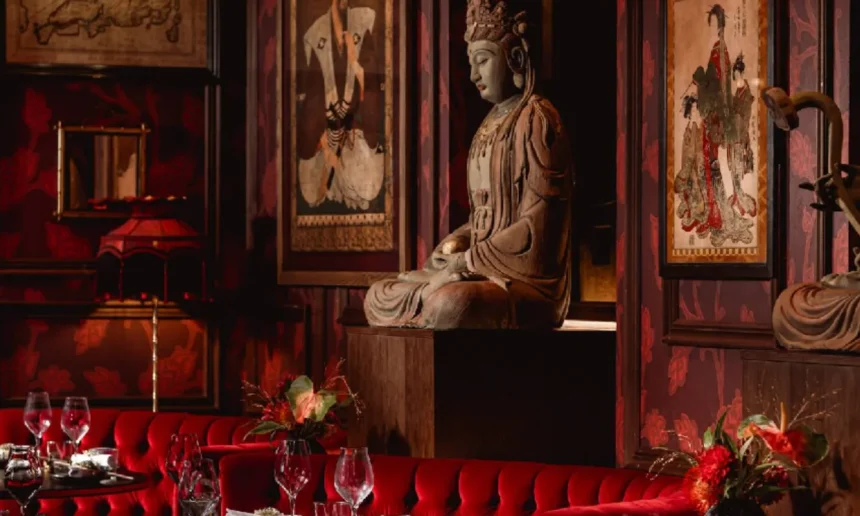
The modern infrastructure of the district relies on specific transport nodes and distinct commercial zones that support both residential life and tourism. The region is served by Merseyrail via the St Michaels and Aigburth railway stations, providing direct links to Liverpool Central within twelve minutes. The primary commercial artery is Aigburth Road, which accommodates local enterprises, corporate services, and independent hospitality venues, including the newly established Japanese culinary concept on the corridor.
This structural framework interfaces directly with the expansive parklands that define the western and northern boundaries of the suburb, establishing a balanced urban ecosystem.
What Is the Historical Significance of Sudley House?
Sudley House is a nineteenth-century heritage mansion that functions as a public museum and art gallery under the management of National Museums Liverpool. The estate showcases the authentic art collection of George Holt, a prominent Victorian shipping merchant and philanthropist.
The construction of Sudley House concluded in 1824 under the architectural direction of Nicholas Robinson, who served as the Lord Mayor of Liverpool from 1828 to 1829. The property underwent substantial structural modifications during the 1880s when the Holt family acquired the estate to accommodate their expanding collection of fine art. The building stands as one of the few remaining suburban merchant mansions in the United Kingdom that retains its original Victorian domestic interior layout and functional decorative features. The institution provides visitors with an uncompromised view of industrial-era wealth, residential philanthropy, and fine art patronage in South Liverpool.
The permanent exhibitions within the mansion feature masterpiece paintings from the eighteenth and nineteenth centuries, including notable works by Thomas Gainsborough, Joshua Reynolds, and J.M.W. Turner. The collection also highlights Pre-Raphaelite artworks by Dante Gabriel Rossetti and John Everett Millais, reflecting the specific aesthetic preferences of the Victorian merchant class. The museum grounds comprise formal manicured gardens, walled brick enclosures, and mature woodland pathways that are completely free for the public to access throughout the calendar year. The site serves as an educational asset, offering insights into local maritime economic history, international trade dynamics, and the domestic lifestyle of regional industrial elites.
Why Is Sefton Park the Central Landmark of the Suburb?
Sefton Park is a Grade I historic green space spanning 235 acres that serves as a recreational and environmental anchor for South Liverpool. The park features a Victorian glass conservatory, historical monuments, active wildlife boating lakes, and multi-use public walking trails.
The design of the park resulted from an international municipal design competition held in 1866, which was won by French landscape architect Edouard André and Liverpool architect Lewis Hornblower. Opened officially by Prince Arthur in 1872, the park introduced distinct French landscape engineering concepts to British municipal park design, utilizing sweeping curved avenues and peripheral boulevards. The structural layout was explicitly designed to create a green belt around the expanding industrial city, thereby inflating local land values and providing public health spaces. The park remains protected under statutory heritage listings, preserving its original nineteenth-century water courses, rockeries, and structural planting arrangements.
The architectural centerpiece of the park is the Sefton Park Palm House, a three-tier domed conservatory designed by MacKenzie and Moncur of Edinburgh which opened in 1896. This glass structure houses an extensive collection of exotic botanical specimens and features exterior marble statues carved by French sculptor Léon-Joseph Chavalliaud. The park also contains a bronze replica of the Shaftesbury Memorial Fountain, an ornate Peter Pan statue donated in 1928, and the Fairy Glen waterfall network. These features attract thousands of annual visitors, making the park a major driver of cultural tourism and outdoor community events in the region.
How Does Lark Lane Function as a Cultural Hub?
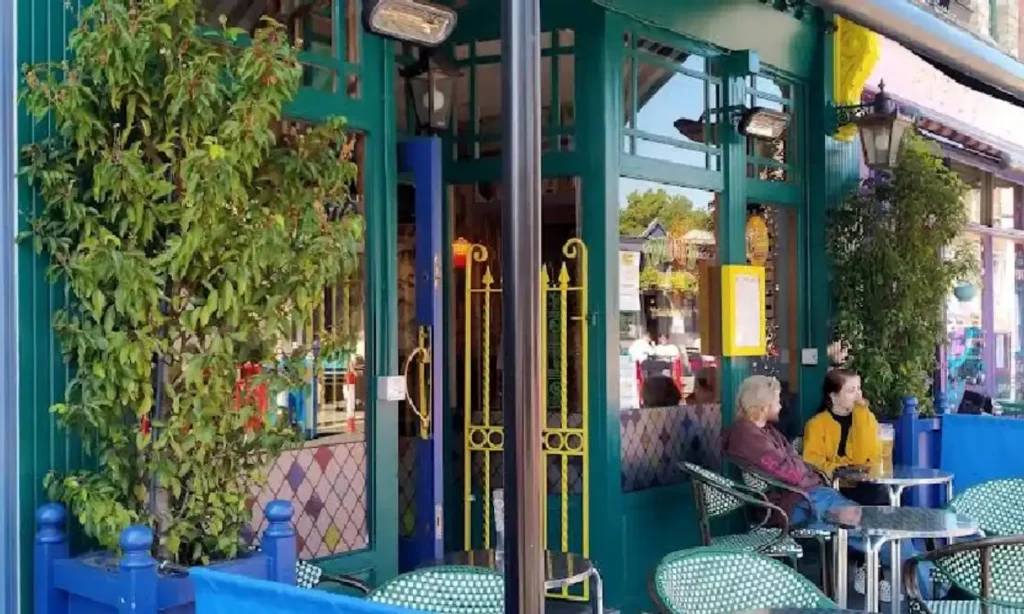
Lark Lane is a vibrant independent commercial street situated between Aigburth Road and Sefton Park that acts as a bohemian culinary and retail destination. The street features unique independent boutiques, international restaurants, craft beer bars, and creative community spaces.
colin frost
The street developed historically as a Victorian shopping lane to service the large villas surrounding Sefton Park and the working-class terraced streets of Aigburth. Over the twentieth century, the zone transitioned into a bohemian enclave, resisting corporate retail dominance in favor of locally owned independent enterprises. The street contains over fifty distinct commercial properties, offering a dense configuration of vintage clothing stores, independent bookshops, and artisan bakeries. This unique commercial density establishes the lane as a premier nightlife and daytime leisure destination outside of Liverpool city centre.
The culinary profile of the lane includes an array of international cuisines, ranging from authentic Greek tavernas to modern plant-based dining establishments. The street hosts the regular Lark Lane Farmers Market, where regional agricultural producers and craft artisans sell organic goods directly to consumers. The evening economy relies on traditional public houses, wine bars, and intimate live music venues that support local musicians and performing artists. This concentrated hospitality ecosystem generates significant economic revenue for the suburb while reinforcing the distinct cultural identity of South Liverpool.
What Recreational Activities Does Otterspool Promenade Offer?
Otterspool Promenade is a riverside linear public park running along the banks of the River Mersey that provides extensive facilities for outdoor recreation. The site includes continuous cycling paths, adventure playgrounds, kite-flying fields, and panoramic views of the Wirral Peninsula.
The construction of the promenade occurred during the 1930s utilizing over one million tons of domestic refuse and industrial spoil to reclaim human-made land from the Mersey estuary. The engineering project, directed by City Engineer John Brodie, created a structural sea wall designed to protect the southern railway lines from maritime erosion. The area underwent significant landscape renewal in the late twentieth century, transforming from an industrial edge into a clean, modern parkland. The promenade extends for multiple miles, linking the historic maritime docks of the city centre directly with the southern suburbs.
The geographic positioning of the promenade creates optimal conditions for specific recreational activities, particularly coastal kite flying due to constant thermal river breezes. The asphalt pathways accommodate long-distance runners, pedestrian walkers, and cyclists participating in the National Cycle Network routes. The adjoining Otterspool Adventure Center provides structured commercial recreation, including mini-golf courses, high-ropes courses, and inflatable outdoor play zones for children. The site serves as an important environmental vantage point for observing migratory estuarine bird species and international shipping vessels entering the Port of Liverpool.
Where Are the Key Hidden Gems Located in Aigburth?
The hidden gems of Aigburth are situated away from the primary thoroughfares, embedded within historic residential streets and secluded coastal woodlands. These sites include Stanlawe Grange, the Festival Gardens, and the unique architectural conservation area of St Michaels Hamlet.
Stanlawe Grange is located on Dunbabin Road and stands as the oldest surviving structural building within the city boundaries of Liverpool, dating back to 1291. The site originally functioned as a monastic granary and agricultural estate managed by the Cistercian monks of Stanlow Abbey in Cheshire. The surviving sandstone structures retain medieval architectural details, providing a physical link to the pre-industrial agrarian history of the Lancashire landscape. This scheduled monument remains a quiet residential feature that highlights the deep medieval roots of the modern suburban district.
Mike 45B
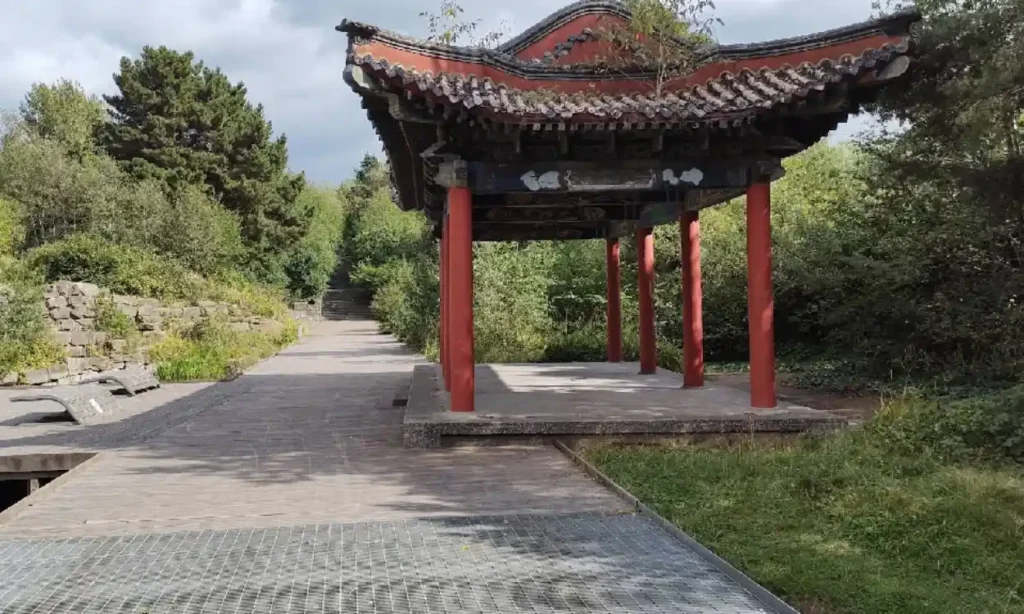
The Liverpool Festival Gardens are located on Riverside Drive and occupy the historical site of the 1984 International Garden Festival. The parklands feature authentic oriental gardens, traditional pagodas, tranquil water lagoons, and constructed viewing hills that look out across the river estuary. St Michaels Hamlet is another secluded architectural gem, consisting of nineteenth-century villas built using ornate ironwork and picturesque cottage designs. These locations provide quiet spaces for historical exploration and specialized botanical study away from the standard tourist paths.
What Is the Socioeconomic Impact of Aigburth on Liverpool?
Aigburth exerts a strong positive socioeconomic impact on Liverpool by acting as a high-value residential sector, a center for independent commerce, and an environmental asset. The suburb retains affluent residents, supports independent businesses, and provides critical green infrastructure for urban health.
The real estate market in the suburb consistently records property values that sit well above the average benchmarks for the wider Liverpool municipality. The diversity of housing stock, which includes large Victorian villa conversions and traditional red-brick terraced houses, attracts a stable demographic of academic, medical, and creative professionals. This residential stability maintains a high level of local disposable income, which directly funds the independent commercial ecosystems of Lark Lane and Aigburth Road. The area functions as a economic model for suburban regeneration through the preservation of historic assets and independent trade.
The environmental infrastructure of the suburb, which includes Sefton Park and Otterspool Promenade, provides massive natural ecosystem services to the city. These green spaces mitigate urban heat island effects, manage regional stormwater runoff through natural drainage, and absorb significant carbon emissions from the A561 transport corridor. The availability of expansive public parklands directly improves the physical health and mental well-being of the local population by encouraging active travel and outdoor recreation. Consequently, the suburb remains a benchmark model for balanced urban planning, sustainable suburban living, and heritage conservation in modern Britain.
FAQs About Best Things to Do in Aigburth
What Are the Top Hidden Gems in Liverpool That Aren’t in the City Centre?
The top suburban hidden gems include Stanlawe Grange in Aigburth, the historical Sudley House gallery, and the subterranean Williamson Tunnels in Edge Hill. Visitors can also explore the architectural villas of St Michaels Hamlet and the serene pathways of the Liverpool Festival Gardens on the southern waterfront.
Where Can I Find the Best Independent Cafes and Shops on Aigburth Road?
The primary cluster of independent shops, artisan bakeries, and craft cafes is located along the central section of Aigburth Road near the St Michaels rail link. This commercial zone features unique local ventures, including specialized coffee houses, traditional greengrocers, and the newly launched authentic Shokupan culinary cafe.
Is Parking Free at Sefton Park and Otterspool Promenade for Visitors?
Free public vehicular parking is available along the circular perimeter of Aigburth Drive and Mossley Hill Drive surrounding Sefton Park. Otterspool Promenade provides dedicated free parking bays within its main waterfront arrival zones, though spaces fill rapidly during peak summer weekends.
What Is the Best Walking Route to See the Historical Landmarks of Aigburth?
The most efficient route starts at Sudley House, moves down through the woodland pathways into the eastern gates of Sefton Park to view the Palm House, and exits onto Lark Lane. From there, walkers can proceed down St Michaels Road, pass through the historic St Michaels Hamlet, and conclude at Otterspool Promenade.