
Liverpool is one of the United Kingdom’s most historically significant cities. Founded as a borough in 1207, the city developed into a major maritime centre, a global trading port, and a cultural capital that continues to attract millions of visitors annually. Its waterfront, architecture, parks, museums, and artistic heritage create an ideal setting for couples seeking a memorable romantic experience.
- Why is Liverpool considered one of the most romantic cities in England?
- What is the best way to start a romantic day in Liverpool?
- How does the Royal Albert Dock create a romantic atmosphere?
- Which historic cultural attractions are ideal for couples?
- Why are Liverpool’s parks important for a romantic itinerary?
- How did Liverpool’s musical heritage become part of its romantic identity?
- What role does Liverpool’s architecture play in a romantic day out?
- Where should couples spend the evening in Liverpool?
- What makes a Liverpool romantic day out historically meaningful?
A romantic day out in Liverpool combines history, culture, scenic landscapes, and world-famous landmarks. The city offers opportunities to explore centuries of heritage while enjoying contemporary attractions. Understanding how Liverpool evolved helps visitors appreciate why its locations remain popular destinations for couples today.
Why is Liverpool considered one of the most romantic cities in England?
Liverpool combines historic waterfront scenery, Victorian parks, cultural landmarks, iconic architecture, and artistic heritage within a compact city centre. These characteristics create varied experiences for couples seeking relaxation, exploration, dining, and memorable shared activities throughout a single day of sightseeing.
Liverpool’s romantic appeal originates from its unique combination of natural beauty and historic development. Situated along the eastern side of the Mersey Estuary, the city grew rapidly during the eighteenth and nineteenth centuries as Britain’s leading port.
The waterfront remains one of Liverpool’s defining features. The historic docks and river views provide a dramatic setting that has attracted visitors for generations. The area’s maritime heritage reflects centuries of commercial and cultural exchange that shaped both Liverpool and the wider British Empire.
Architectural diversity also contributes to Liverpool’s appeal. The city contains Georgian streets, Victorian civic buildings, Edwardian commercial structures, and modern cultural venues. This blend creates visually distinctive surroundings that encourage walking and exploration.
Liverpool’s recognition as a UNESCO World Heritage Site between 2004 and 2021 highlighted the international importance of its maritime history. Although the designation was removed due to redevelopment concerns, many of the historic structures remain preserved and accessible.
The city’s cultural significance extends beyond architecture. Liverpool is internationally associated with music, particularly through the influence of The Beatles during the 1960s. This artistic heritage continues to attract visitors from around the world.
These combined elements make Liverpool an ideal destination for couples seeking both historical depth and contemporary entertainment.
What is the best way to start a romantic day in Liverpool?
Beginning the day along Liverpool’s waterfront provides historic context, scenic views, and opportunities for leisurely exploration. Early morning visits offer quieter surroundings, improved photography conditions, and uninterrupted access to some of the city’s most significant landmarks.
The waterfront represents the historical heart of Liverpool’s rise as a global city. Starting the day here allows visitors to understand the foundations of the city’s development.
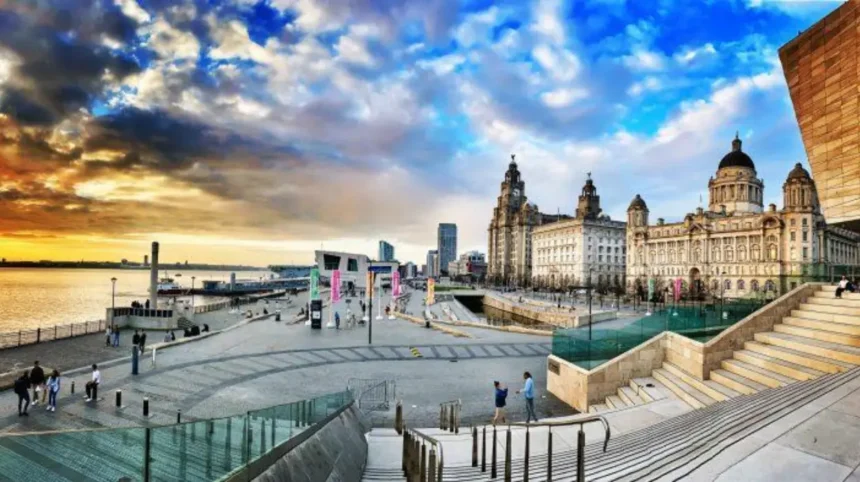
The most recognisable feature is the Three Graces, a collection of landmark buildings facing the River Mersey. These structures include the Royal Liver Building, completed in 1911, the Cunard Building, completed in 1917, and the Port of Liverpool Building, completed in 1907.
Royal Liver Building stands as one of Britain’s most famous waterfront structures. Its twin Liver Birds have become enduring symbols of the city.
Nearby, Pier Head offers panoramic views across the Mersey Estuary. Couples can observe ferry traffic and appreciate the historic relationship between Liverpool and global maritime trade.
Morning walks along the waterfront reveal preserved dock infrastructure that reflects Liverpool’s nineteenth-century economic importance. The city’s dock system once handled a significant proportion of Britain’s international trade.
The calmer atmosphere during early hours allows visitors to experience the area’s architectural details without the larger crowds that arrive later in the day.
How does the Royal Albert Dock create a romantic atmosphere?
The Royal Albert Dock combines historic warehouses, waterside promenades, cultural institutions, and preserved maritime architecture. Its pedestrian-friendly environment encourages relaxed exploration while offering insight into Liverpool’s commercial history and nineteenth-century engineering achievements.
Royal Albert Dock remains one of Britain’s most successful examples of industrial heritage preservation.
Designed by engineer Jesse Hartley and opened in 1846, the dock introduced innovative construction techniques. It became the first British warehouse complex built entirely from cast iron, brick, and stone, reducing fire risks associated with traditional timber structures.
The dock originally functioned as a major cargo-handling centre. Goods arriving from across the world passed through its warehouses, contributing to Liverpool’s economic growth.
Today, the restored complex offers attractive waterside walkways surrounded by historic architecture. The preserved warehouses create a distinctive atmosphere rarely found elsewhere in Britain.
The reflection of nineteenth-century buildings across the dock waters enhances the visual appeal. Couples can spend considerable time exploring the area without encountering vehicle traffic because the complex is primarily pedestrianised.
Several museums and galleries are located within the dock, creating opportunities to combine cultural exploration with leisure activities.
To experience this historic landmark in person today, consult our comprehensive [Best Romantic Things to Do in Liverpool for Couples] for itineraries and visiting parameters.
Which historic cultural attractions are ideal for couples?
Liverpool’s museums, galleries, and cultural institutions provide opportunities to explore art, history, and heritage together. These attractions combine educational value with engaging experiences that encourage conversation, shared discovery, and deeper understanding of the city’s development.
Liverpool possesses one of the largest collections of museums and galleries outside London.
Museum of Liverpool examines the city’s social, cultural, and economic evolution. Exhibits explore themes including migration, industry, transport, and music.
For couples interested in maritime history, Merseyside Maritime Museum provides extensive information about Liverpool’s role in global shipping networks.
Art enthusiasts frequently visit Walker Art Gallery, which houses collections spanning several centuries of European art. The gallery’s holdings include paintings, sculptures, and decorative works from multiple historical periods.
Another important cultural institution is Tate Liverpool, which has contributed significantly to contemporary art appreciation in northern England.
Exploring museums together creates opportunities for discussion and shared learning. Research consistently demonstrates that cultural experiences strengthen visitor engagement with destinations by providing context and meaning.
Liverpool’s concentration of cultural attractions allows couples to visit several institutions within a single day without extensive travel.
Why are Liverpool’s parks important for a romantic itinerary?
Liverpool’s historic parks provide natural landscapes, architectural features, and peaceful environments that contrast with the urban waterfront. These green spaces reflect Victorian planning ideals while offering opportunities for walking, relaxation, and appreciation of the city’s environmental heritage.
The nineteenth century witnessed major urban expansion throughout Britain. During this period, public parks emerged as essential civic amenities designed to improve living conditions and public health.
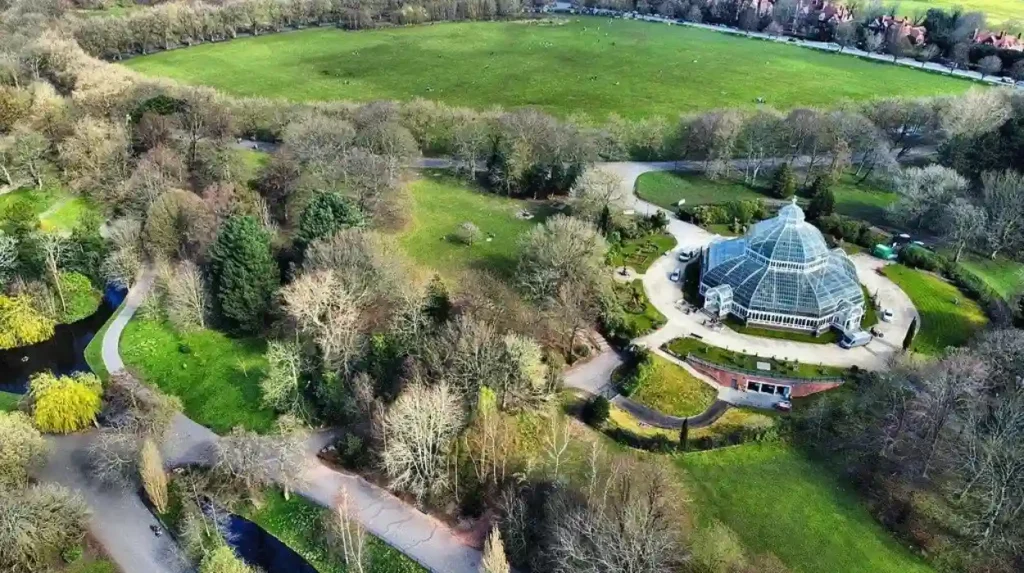
Sefton Park represents one of Liverpool’s finest examples of Victorian landscape design.
Opened in 1872, the park covers approximately 235 acres. Architects and planners designed winding pathways, lakes, bridges, and ornamental gardens intended to provide recreational opportunities for residents.
One of its most notable features is the Palm House, a restored Victorian glasshouse completed in 1896. The structure houses diverse plant collections and hosts cultural events throughout the year.
The park’s extensive pathways make it ideal for leisurely walks. Couples can observe mature trees, water features, and carefully maintained landscapes that preserve nineteenth-century design principles.
Other significant green spaces include Calderstones Park and Princes Park. Both contribute to Liverpool’s reputation as one of Britain’s greener urban centres.
These parks demonstrate how Victorian civic leaders sought to balance industrial development with environmental improvement.
How did Liverpool’s musical heritage become part of its romantic identity?
Liverpool’s musical legacy, particularly its association with The Beatles, transformed the city into a global cultural destination. Music-related landmarks create meaningful experiences for couples interested in twentieth-century cultural history and internationally influential artistic movements.
Liverpool’s musical significance expanded dramatically during the mid-twentieth century.
The city’s status as a major port exposed local communities to international cultural influences. American records, fashions, and artistic trends entered Liverpool earlier than many other British cities.
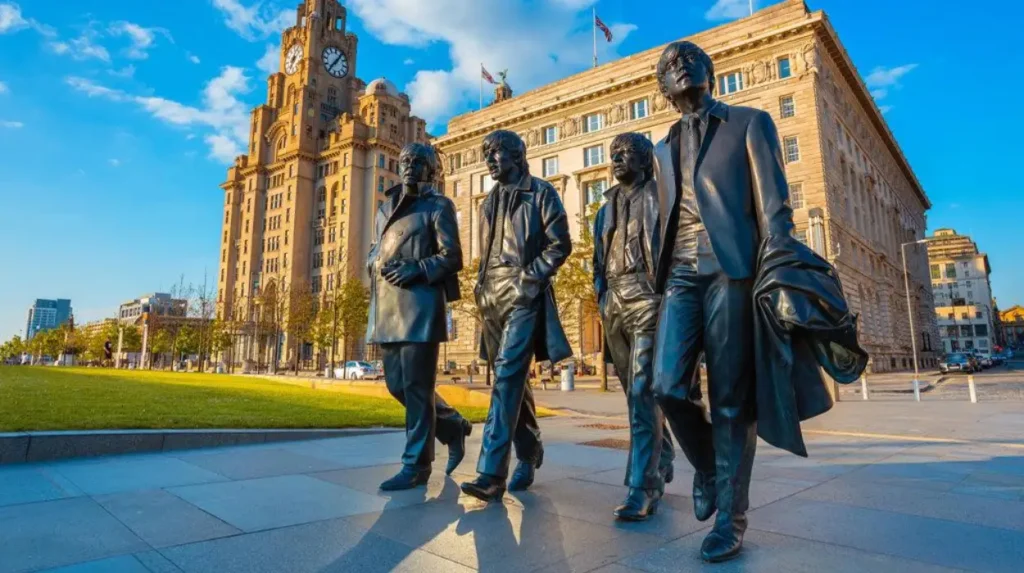
This environment helped shape the emergence of The Beatles, whose global success began during the early 1960s.
Several locations associated with the group remain popular visitor destinations. The Cavern Club occupies a central place in Liverpool’s musical history. Although the original venue underwent significant changes, the site remains closely associated with the band’s formative years.
Other notable locations include Penny Lane and Strawberry Field. Both gained international recognition through Beatles recordings.
For couples, these sites combine nostalgia, cultural significance, and opportunities for shared exploration. The continuing popularity of Beatles tourism demonstrates the enduring influence of Liverpool’s musical heritage.
Music remains an important component of the city’s contemporary identity, with numerous venues continuing Liverpool’s tradition of live performance.
What role does Liverpool’s architecture play in a romantic day out?
Liverpool’s architecture reflects more than three centuries of economic growth, civic ambition, and cultural development. Historic buildings create visually impressive settings while illustrating the city’s transformation from a medieval borough into a global maritime centre.
Architecture serves as a visible record of Liverpool’s historical evolution.
The city contains one of Britain’s largest collections of listed buildings outside London. These structures represent multiple architectural styles and historical periods.
Liverpool Cathedral is among the most impressive examples. Construction began in 1904 and continued for much of the twentieth century. It remains the largest cathedral in Britain and one of the largest religious buildings in the world.
Its elevated position provides extensive views across the city and the River Mersey.
Nearby, Metropolitan Cathedral of Christ the King presents a striking contrast. Completed in 1967, the building reflects modern architectural principles and innovative engineering.
Liverpool’s Georgian Quarter preserves numerous eighteenth-century and early nineteenth-century buildings. These streets illustrate the wealth generated through maritime commerce and urban expansion.
Walking through these districts enables visitors to observe architectural continuity across several centuries of development.
Where should couples spend the evening in Liverpool?
An evening along the waterfront or within Liverpool’s historic commercial districts provides scenic views, atmospheric dining environments, and opportunities to experience the city’s illuminated landmarks after sunset while remaining connected to its heritage setting.
As daylight fades, Liverpool’s architecture and waterfront become increasingly dramatic.
The illuminated Three Graces create one of Britain’s most recognisable urban nightscapes. Reflections across the Mersey enhance the visual effect and reinforce the area’s maritime character.
The commercial district surrounding Castle Street and nearby historic streets contains numerous restored buildings that now accommodate restaurants and hospitality venues.
Castle Street developed as an important commercial corridor during Liverpool’s expansion as a trading city. Many historic facades remain preserved despite modern adaptations.
Evening walks along the waterfront reveal different perspectives on familiar landmarks. Architectural lighting highlights design details that are less visible during daytime hours.
The combination of river views, historic buildings, and cultural activity creates an environment particularly suited to couples seeking a memorable conclusion to their visit.
Liverpool’s compact city centre allows visitors to move between dining, sightseeing, and entertainment locations efficiently.
What makes a Liverpool romantic day out historically meaningful?
A romantic day in Liverpool offers more than leisure activities. It provides direct engagement with centuries of maritime history, cultural development, architectural achievement, and urban transformation that continue to shape the city’s identity and international significance today.
Liverpool’s historical importance extends far beyond tourism. The city played a central role in Britain’s commercial expansion, industrial development, migration patterns, and cultural influence.
Its docks connected continents. Its architecture reflected economic prosperity. Its parks demonstrated Victorian social reform principles. Its museums preserved collective memory. Its musical heritage reshaped global popular culture.
Many historic features remain visible despite extensive twentieth-century redevelopment. Preservation efforts have protected significant landmarks while allowing modern adaptation and continued public use.
For visitors, this continuity between past and present creates a richer travel experience. Romantic outings become opportunities to engage with tangible evidence of historical change.
The city’s waterfront, cultural institutions, green spaces, architectural landmarks, and musical heritage together form a coherent narrative spanning more than 800 years.
A carefully planned romantic day in Liverpool therefore delivers both enjoyment and historical understanding. Couples experience not only scenic locations and cultural attractions but also the enduring legacy of one of Britain’s most influential cities.
Why is the Royal Albert Dock popular with couples?
The Royal Albert Dock offers waterfront views, historic architecture, museums, galleries, restaurants, and scenic promenades, creating a unique blend of heritage and leisure.