
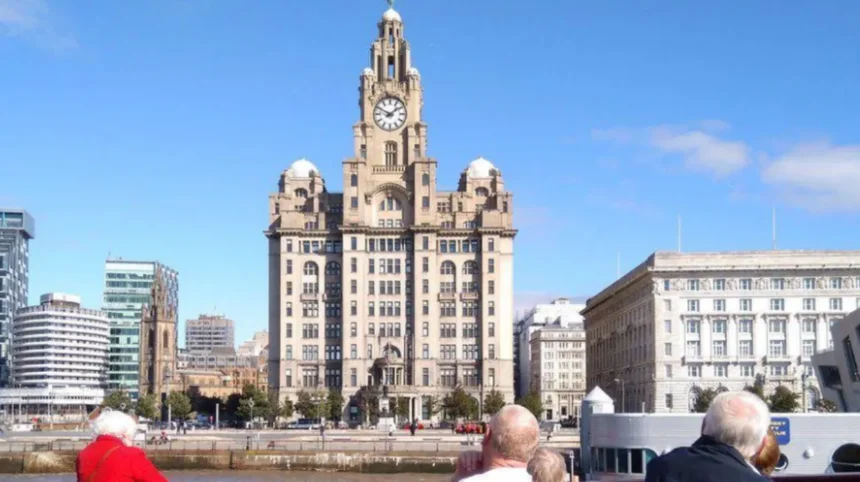
The best museums and cultural sites in Liverpool include the World Museum, the Walker Art Gallery, and the International Slavery Museum, which serve as foundational pillars for exploring the city’s maritime history, creative heritage, and global social influence.
- Why Is the World Museum Important for Liverpool?
- How Does the Walker Art Gallery Impact Cultural Tourism?
- What Is the Significance of the International Slavery Museum?
- What Cultural Roles Do the Maritime Museum and Albert Dock Play?
- How Do Music Venues Like The Cavern Club Influence Culture?
- Frequently Asked Questions
These institutions represent the depth of Liverpool as a UNESCO World City of Music and a maritime powerhouse. The World Museum provides access to extensive collections ranging from ancient Egyptian artifacts to space exploration displays in its planetarium. The Walker Art Gallery houses European paintings and decorative arts spanning over 600 years of history. The International Slavery Museum offers essential education regarding the city’s role in the transatlantic slave trade. Together, these sites function as the primary educational infrastructure for cultural tourism. Visitors utilize these spaces to understand the industrial transition from a major port to a cultural hub.
Why Is the World Museum Important for Liverpool?
The World Museum is essential to Liverpool because it acts as a multidisciplinary hub for science, history, and geography, offering visitors access to over 80,000 artifacts that detail the natural and human evolution of our global society.
Established in 1853, the museum serves as a critical educational resource for the Liverpool City Region. It houses an aquarium, a planetarium, and vast collections of ancient civilizations, including a significant array of Egyptian antiquities. By providing free public access, the institution facilitates informal learning and community engagement with complex subjects like climate change and natural history. The facility functions as a research-backed center that preserves physical evidence of diverse cultures and biological species. Its role is to bridge the gap between academic research and public accessibility through interactive gallery spaces.
How Does the Walker Art Gallery Impact Cultural Tourism?
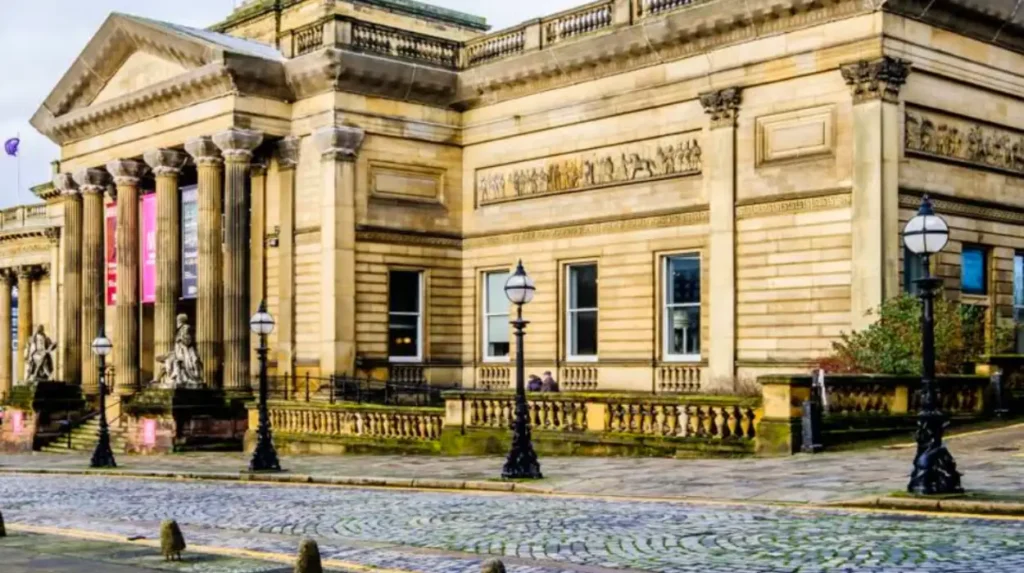
The Walker Art Gallery impacts cultural tourism by serving as one of the most significant public art collections in the United Kingdom, housing a range of European masterpieces that attract international visitors and scholars to the region.
This gallery is central to the Northern art scene, featuring works by Rembrandt, Poussin, and contemporary winners of the John Moores Painting Prize. It maintains a collection that documents the evolution of Western art from the medieval period to the present day. By providing a platform for both classical and modern art, the gallery shapes the cultural identity of the city. The institution contributes to the local economy by driving foot traffic to the surrounding area near St George’s Hall. Its curation ensures that international art movements are contextualized within the history of the city.
What Is the Significance of the International Slavery Museum?
The International Slavery Museum is significant because it provides a dedicated, permanent space to confront the history of the transatlantic slave trade and its lasting global impacts on human rights and social justice.
Opened in 2007, the museum is located within the historic Albert Dock, directly linking the city’s maritime past to the exploitation of enslaved individuals. It serves as a center for contemporary debate regarding modern slavery, human rights, and the persistence of racial inequality. The museum utilizes oral histories, artifacts, and multimedia displays to educate the public on historical injustice. It acts as an authoritative source for researchers and students investigating the structural links between trade, empire, and labor. The institution fosters dialogue and promotes educational initiatives aimed at long-term social progress.
What Cultural Roles Do the Maritime Museum and Albert Dock Play?
The Maritime Museum and Royal Albert Dock are cultural anchors that preserve Liverpool’s industrial heritage, specifically documenting the city’s evolution as the primary gateway for trade, migration, and naval development in the British Empire.
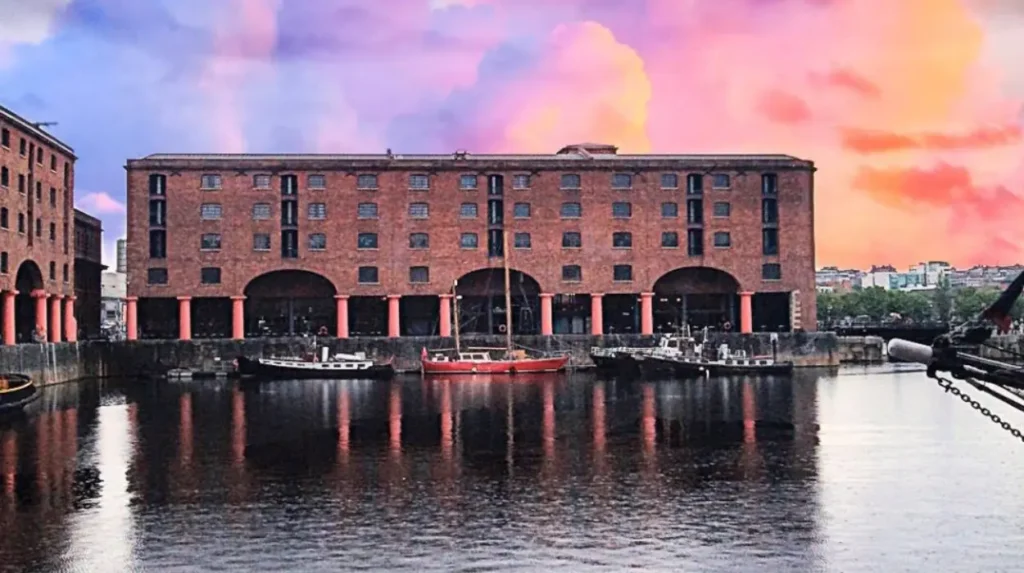
The museum captures the narratives of millions of migrants who passed through the docks toward the Americas. It includes specialized galleries that detail the tragedy of the RMS Titanic and the role of the merchant navy in various global conflicts. The dock architecture itself, a Grade I listed site, serves as a primary example of 19th-century warehouse development using iron and brick. These locations function as the central site for historical reenactment and memorialization of the working-class life. They remain central to the city’s branding as a global port with a significant colonial and industrial legacy.
How Do Music Venues Like The Cavern Club Influence Culture?
Music venues like The Cavern Club influence Liverpool’s culture by serving as the physical site for the birth of the British musical explosion of the 1960s, cementing the city’s reputation as a global destination for pop music tourism.
The original Cavern Club, opened in 1957, provided the stage for The Beatles to refine their sound and presence before worldwide fame. Today, it remains an active performance space that perpetuates the legacy of Merseybeat music. The surrounding Mathew Street area functions as a district dedicated to music history, hosting annual festivals and live performances. This venue represents the transformation of a post-industrial city into a powerhouse of global pop culture. It provides economic stability by attracting thousands of music enthusiasts annually to the site of the band’s origin.
Frequently Asked Questions
Is there a single pass for all museums in Liverpool?
Most national museums in Liverpool, including the World Museum and the Maritime Museum, are free to enter. While there is no single “pass” required, some special temporary exhibitions may require a paid ticket which can often be booked online.
Which museum is best for families with children?
The World Museum is widely considered the best for families due to its dedicated aquarium, planetarium, and interactive “hands-on” galleries. It caters to various age groups by combining natural science displays with engaging educational activities and workshops.
What is the best way to visit these cultural sites?
The city center is highly walkable, with many sites located around the Royal Albert Dock and the Pier Head. You can easily navigate between the Maritime Museum, the Museum of Liverpool, and the waterfront sites on foot within a single day.
Do I need to book tickets in advance for museums?
While general admission to major national museums is free and does not require pre-booking, it is highly recommended to check official websites for peak periods. Paid attractions, such as The Beatles Story or specific temporary galleries, should be booked in advance to ensure availability.
How much time should I dedicate to cultural sightseeing?
To experience the major museums, art galleries, and the waterfront history properly, a minimum of two full days is recommended. This allows sufficient time to explore the vast collections without rushing through the historical and artistic content.