
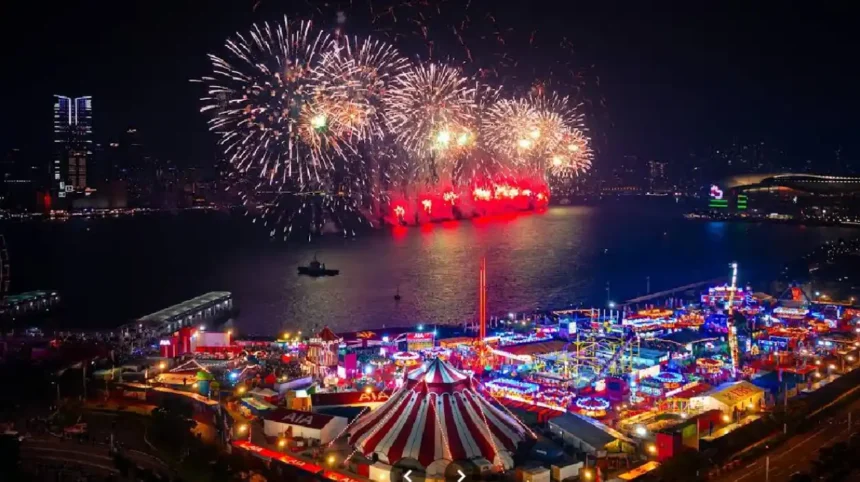
The circus Liverpool Aintree event takes place at Aintree Racecourse located off Melling Road in Liverpool with postcode L9 0LF. Visitors access the venue via the A59 road networks, public rail transportation, and designated on-site vehicle parking facilities for patrons.
- Macro Context of the Aintree Assembly Site
- Technical Access Routing and Public Transportation Systems
- What Entertainment Formats and Performers Define the Circus Liverpool Aintree Production?
- What Is the Historical Context of Touring Circus Performances in the Liverpool Region?
- How Do Production Components and Special Effects Enhance the Circus Liverpool Aintree Experience?
- What Infrastructure Requirements and Safety Regulations Cover the Circus Liverpool Aintree Big Top?
- What Are the Economic Impacts and Community Implications of the Circus Liverpool Aintree Events?
- FAQs About Circus Liverpool Aintree
- Is the Gandeys Circus production at Aintree suitable for toddlers and young children?
- What is the main difference between the daytime show and the Circus By Night event?
- How do I access the Aintree Big Top using public transport from central Liverpool?
- Is there dedicated vehicle parking available at Aintree Racecourse for circus patrons?
- Can you buy tickets directly at the venue box office or do they sell out online?
Macro Context of the Aintree Assembly Site
Aintree Racecourse, which is a historic sporting venue situated within the Metropolitan Borough of Sefton in Merseyside, establishes the geographic foundation for the touring big top installation. This location utilizes expansive open terrains, which include grass fields, gravel pathways, and paved hardstandings, that safely accommodate temporary large-scale engineering structures without interfering with permanent racetrack infrastructure. The site positions itself exactly one mile from the intersection of two major motorways, which include the M57 motorway and the M58 motorway, which link directly to the arterial M62 motorway net
work. Regional transit networks, which include local buses, heavy rail lines, and private taxi services, support large volumes of public spectators traveling from surrounding metropolitan areas, which include Manchester, Chester, and Preston, during high-density event windows. The physical address operates under the jurisdiction of Liverpool municipal zoning laws, which include traffic management acts and noise pollution ordinances, which mandate strict operational guidelines during public exhibitions. This strategic positioning guarantees that regional travelers, which include local residents and domestic tourists, locate the venue efficiently by following established national tourism signage networks, which include electronic highway displays and static tourism signs, across the county.
Technical Access Routing and Public Transportation Systems
Spectators utilizing personal vehicles, which include family cars, motorcycles, and utility vans, navigate toward the venue via the primary A59 road network, which connects central Liverpool to northern outbound corridors. The venue incorporates massive dedicated car parking zones, which include the Ormskirk Road parking field, the Melling Road gravel lot, and the internal equestrian center hardstanding area, to handle high vehicle volumes. Public transport users arrive via the local Merseyrail rail network, which terminates at the dedicated Aintree railway station situated directly opposite two primary entrance gates, which include the Grand National gates and the Melling Road access doors. This specific rail line connects directly to the Liverpool Central hub station, ensuring rapid transit frequencies, which include morning schedules, afternoon runs, and late-night routes, that run every fifteen minutes during peak performance schedules.
Walkway corridors, which include entrance pathways and emergency lanes, connect the rail platform to the big top ticketing booths, which include primary ticket windows and digital collection points, ensuring a continuous pedestrian flow that isolates foot traffic from active vehicular lanes. Municipal authorities, which include the uk/local/sefton-council/">Sefton Council and the Merseyside Police, activate temporary traffic calming strategies, which include road diversions and temporary speed restrictions, during show times to maintain continuous movement and prevent gridlock on nearby residential streets, which include Ormskirk Road and Melling Lane.
What Entertainment Formats and Performers Define the Circus Liverpool Aintree Production?
The circus Liverpool Aintree production features diverse international acrobats, gravity defying motorcycle stunt riders, global choreographers, and theatrical comedy performers. The show integrates traditional Eastern artistry, including lion dances, alongside modern Western pop music and synchronized lighting systems for audiences.
Structural Components of the Performance Cast
Gandeys Circus, which is a multi-generational British live entertainment production company founded in the mid-twentieth century, assembles an elite international group of performers, which include acrobats, aerialists, and contortionists, for this specific presentation. The performance roster comprises over thirty individual circus artistes, who represent various distinct sovereign nations, which include the United Kingdom, China, Cuba, Colombia, and Brazil. Ringmaster Joel Hatton, who is an accomplished theatrical presenter and master of ceremonies, directs the sequential progression of live performance acts, which include aerial silk displays and high-wire walks.
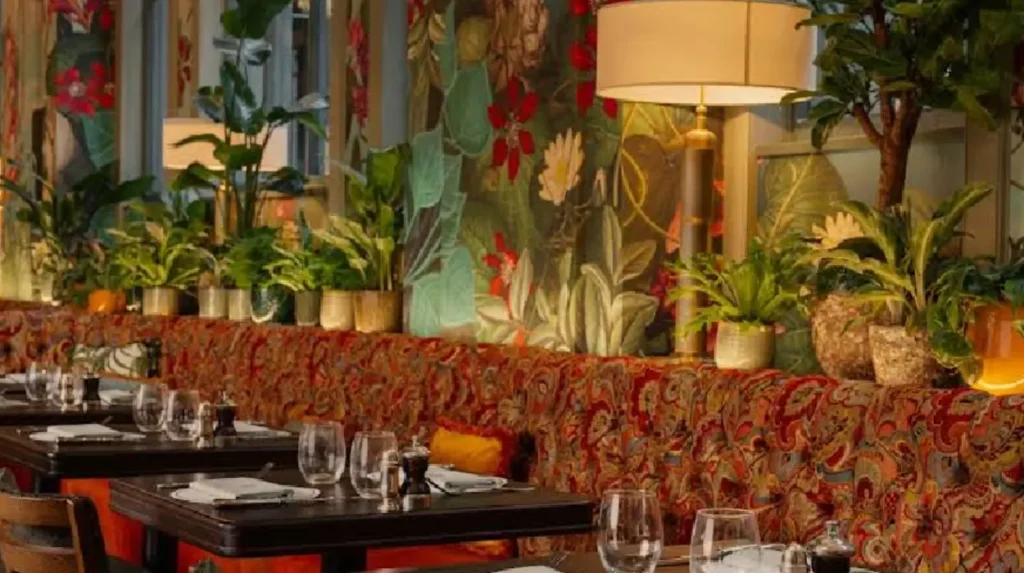
Clown companion La Loka, who acts as a specialized slapstick comedy performer, provides structured comedic interludes, which include bucket-of-water routines and slapstick physical humor, to break theatrical tension between high-risk stunts. The collective ensemble undergoes several months of rigorous athletic preparation at specialized training facilities, which include gymnasium spaces and dance studios, before executing choreographed maneuvers, which include synchronized flips and high-altitude drops, under the big top structure. This international collaboration creates a unified performance framework that satisfies global entertainment standards, which include British equity guidelines and European circus safety rules, while showcasing diverse cultural traditions, which include Beijing opera acrobatics and European clowning styles.
Specific Performance Formats and Artistic Categories
The production executes two distinct performance formats, which include the family-oriented K-Pop Dragon Circus and the adult-exclusive Circus By Night after-dark exhibition. The family-oriented format showcases traditional Chinese performance acts, which include the rhythmic Lion Dance, the ancient art of big banner balancing, and high-altitude aerial yoga routines.
.This historical shift laid the groundwork for modern entertainment groups to thrive. While the big top celebrates physical acrobatics, the city has simultaneously shaped global auditory culture; exploring the history of Circus Liverpool in electronic music reveals how the city dominates both theatrical and dance music landscapes globally.”
The adult-exclusive format focuses on intense sensory stimulation, featuring daring aerial feats, high-speed motorcycle acts, and mature comedic content designed for adult audiences, which include corporate groups and adult couples, aged sixteen and above. Thrill acts depend on absolute structural precision, such as the Globe of Death stunt where multiple motorcycle riders, which include professional stunt cyclists and precision drivers, accelerate simultaneously inside an iron thunderdome cage. Each thematic segment, which include the opening parade and the grand finale, operates under strict performance timelines, which include exact duration caps and structural interval pauses, to maximize audience engagement and maintain standard theatrical pacing throughout the evening.
What Is the Historical Context of Touring Circus Performances in the Liverpool Region?
The circus Liverpool Aintree legacy remains rooted in the extensive history of United Kingdom travelling exhibitions dating back to the eighteenth century. Regional amphitheatres, urban performance spaces, and municipal park grounds have historically hosted elite theatrical displays for generations.
The Evolution of Live Performance in Merseyside
The city of Liverpool maintains a deeply established connection to the development of live entertainment platforms since the early nineteenth century. Historic urban venues, which include the Royal Amphitheatre on Great Charlotte Street, the Star Music Hall, and the monumental St George’s Hall, frequently hosted touring acrobatic troupes, which include French acrobatic companies and Italian family players. Philip Astley, who is widely recognized as the founding pioneer of the modern circus format, introduced equestrian and acrobatic displays, which include historical pantomime acts and trick riding routines, to regional audiences in the late seventeen-hundreds.
These early iterations, which include early ring shows and street variety performances, established a permanent consumer market for live physical stunts and variety entertainment within the local working-class populace, which include factory workers and dock laborers. The transition from permanent brick amphitheatres to mobile canvas big top structures allowed production companies to reach expanding suburban populations, which include growing municipal districts and industrial town communities. This historical shift laid the groundwork for modern entertainment groups, which include Gandeys World Class Productions and contemporary theatre agencies, to utilize landmark athletic venues like Aintree for multi-week seasonal residencies, which include Easter holiday runs and spring bank holiday shows.
Modern Adaptation of the Big Top Tradition
The integration of live circus productions into contemporary sports venues represents a critical adaptation strategy for modern touring companies, which include modern commercial theatres and touring performance groups. Aintree Racecourse began hosting diverse non-equestrian events, which include corporate exhibitions, the North West Wedding Show, and seasonal big top productions, to diversify venue utility. This operational shift ensures that historic land resources, which include racecourse lawns and grandstand spaces, generate consistent cultural value outside the traditional spring horse racing calendar. Modern productions abandon the historical use of exotic animals, replacing those older models completely with human athletic skill and advanced technological storytelling mechanisms.
The current 2026 tour showcases how traditional acrobatic lineages, which include family acrobatic dynasties and circus school graduates, survive by adapting to contemporary cultural trends, which include Korean pop music and contemporary synth-pop genres. This ongoing evolution stabilizes the financial viability of live variety theater while preserving ancient physical disciplines, which include manual balancing and aerial trapeze, for future generations, which include incoming performers and youth populations.
How Do Production Components and Special Effects Enhance the Circus Liverpool Aintree Experience?
The circus Liverpool Aintree experience utilizes advanced theater-standard sound systems, custom choreography, and complex digital projection maps. These technical elements enhance live acts by creating immersive atmospheric depth, stabilizing internal acoustic projection, and maximizing sensory engagement throughout the arena.
Technological Infrastructure and Sound Engineering
The performance arena relies on a massive array of theater-standard acoustic systems, which include automated digital soundboards and perimeter loudspeaker lines, to deliver high-fidelity music and spoken dialogue. Sound engineers, which include live sound technicians and acoustic consultants, install multidirectional speaker arrays, which include line-array speakers and low-frequency subwoofers, around the internal perimeter of the big top tent. The system operates at high output capacities to match the acoustic demands, which include sound dampening and structural volume balancing, of high-velocity mechanical acts. These motorized sequences involve internal combustion engines, which include two-stroke motorcycles and generator motors, racing at forty-five miles per hour inside a steel enclosure. Digital audio mixing consoles, which include digital mixing desks and analog back-up boards, automate volume adjustments, which include volume dips and high-frequency boosts, ensuring that ambient tracks do not overpower live commentary. Sound technicians utilize specialized frequency dampening panels, which include foam acoustic tiles and heavy fabric curtains, to control internal echoes, which include high-frequency bounces and low-frequency bass rumbles, that naturally occur within fabric enclosures, which include canvas big tops and marquee extensions.
Choreography and Visual Design Systems
Visual designers, which include stage decorators and technical programmers, implement sophisticated automated lighting fixtures, which include moving-head spotlights and LED wash units, suspended from the overhead structural truss. These illumination systems project specific color palettes, which include neon blues, deep reds, and vibrant yellows, alongside sharp tracking spotlights that correspond directly to physical movements. Choreographers synchronize these visual sequences, which include synchronized flash patterns and timed blackouts, with high-energy musical themes, which include fast-paced K-pop rhythms and heavy rock beats, to guide audience focus toward active zones. Specialized fog machines, which include water-based foggers and dry-ice units, generate atmospheric haze, which makes overhead laser beams, which include green laser lines and multi-colored lighting vectors, visible during high-altitude acts. The physical stage uses custom slip-resistant materials, which include rubberized floor mats and texturized safety paints, to ensure absolute traction for performers executing high-velocity tumbling routines and complex roller-skating maneuvers. These integrated visual and physical design choices, which include color selection and musical timing, transform standard athletic stunts into highly structured narrative theater segments, which include the opening parade and the grand finale.
What Infrastructure Requirements and Safety Regulations Cover the Circus Liverpool Aintree Big Top?
The circus Liverpool Aintree installation adheres to rigid engineering protocols, local municipal zoning statutes, and national structural safety guidelines. Trained technicians execute daily inspections of structural rigging, fire safety equipment, anchor support lines, and emergency egress routes for protection.
Structural Engineering and Wind Resistance Standards
The primary big top structure consists of high-tensile vinyl fabric panels, which include flame-retardant sheets and weather-proof outer layers, supported by massive steel king poles, which include steel support columns and secondary structural pillars, and reinforced perimeter ground anchors. Structural engineers calculate complex load-bearing metrics, which include structural load limits and wind drag calculations, to ensure the tent resists severe weather incidents, which include storm winds and localized air turbulence, up to sixty miles per hour. Technicians utilize hydraulic tensioning devices, which include manual winches and hydraulic tension pullers, to secure hundreds of steel stay-lines that connect the main canvas roof to deep-driven earth stakes, which include three-foot steel pins and reinforced iron pegs.
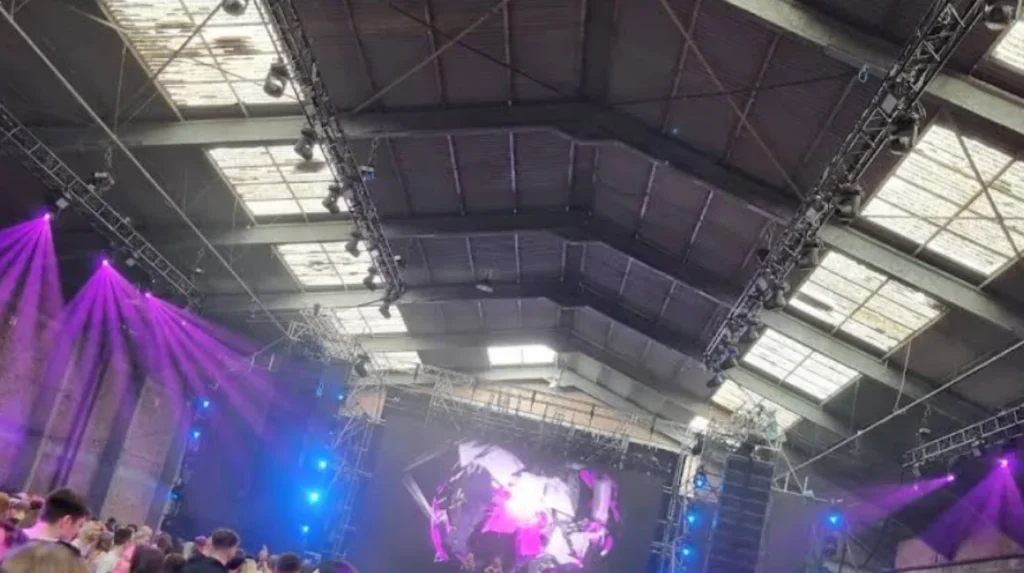
The internal overhead rigging grid supports several tons, which include iron rigging components and heavy equipment loads, of performance equipment suspended above the arena floor. These suspended rigs hold performance platforms, which include high-wire launch boxes and trapeze bars, alongside heavy structural spheres, which include steel mesh globes and iron stunt cages. Specialized engineering compliance certificates, which include structural safety sign-offs and municipal operating permits, are issued by local authorities before the public enters the seating tiers, which include front ringside seats, grandstand benches, and rear circle rows.
Fire Safety and Emergency Egress Management
The event site strictly complies with the UK Regulatory Reform Fire Safety Order of 2005 through comprehensive risk management frameworks, which include fire safety logs and regular evacuation drills. All internal fabric materials, which include seating drapes, ring carpets, and structural canvas panels, undergo mandatory chemical fire-retardant treatments, which include chemical spray coatings and fireproof sub-layers. The site layout incorporates four separate illuminated emergency exits, which include northern emergency doors and southern fabric exit flaps, that lead directly into open assembly zones on the racecourse grounds.
On-site safety marshals position high-capacity fire extinguishers, which include water canisters, carbon dioxide cylinders, and dry powder tanks, at strategic intervals behind the seating grandstands, which include tiered general seating rows and premium ringside areas. Technicians conduct mandatory daily inspections of emergency electrical backup generators, which include diesel backup engines and standalone battery systems, to guarantee uninterrupted exit lighting in the event of a main power failure. These integrated safety systems ensure that the venue satisfies municipal operating licenses and maintains optimal crowd control safety margins, which include structural safety buffers and crowd density limits.
What Are the Economic Impacts and Community Implications of the Circus Liverpool Aintree Events?
The circus Liverpool Aintree event generates substantial economic activity by increasing local tourism, creating temporary employment opportunities, and driving retail sales. Regional hospitality businesses, transit operations, and municipal services benefit directly from the influx of entertainment consumers during the performance.
Regional Economic Multipliers and Commerce
The multi-week presence of a major touring circus installation acts as a strong economic catalyst for the Sefton and Liverpool business communities, which include Sefton residents and central Liverpool businesses. Spectators traveling to Aintree Racecourse engage in secondary commercial transactions, which include buying restaurant meals, purchasing retail merchandise, and booking hotel rooms, during their visit. These consumers support local restaurants, which include local pubs and fast-food eateries, alongside neighboring commercial stations, which include commercial petrol pumps and vehicle charging points. The event organizers procure essential services from regional vendors, which include local catering suppliers and technical hire firms, to sustain daily business operations. These operational expenditures provide revenue to local security agencies, waste management firms, and regional transit firms, which include regional taxi services and private hire companies. Temporary employment positions, which include usher jobs, box office roles, and security guards, are generated for regional residents, who fill critical operational roles, which include ticket checkers, car park marshals, and food servers.
Community Engagement and Cultural Relevance
Touring live performances bring vital cultural variety to regional communities by offering high-quality theatrical events outside central urban theater districts, which include the central Liverpool theater quarter and surrounding city hubs. The production provides accessible family ticket tiers, which include grandstand family passes, circle discounts, and group booking incentives, to accommodate diverse socioeconomic brackets. Local schools, which include primary academies and secondary learning centers, alongside youth organizations, which include local youth clubs and community scout groups, utilize these performance runs to expose children to international athletic arts.
The venue maintains comprehensive accessibility accommodations, which include ramps, wide doorways, and low-level counters, to ensure comfort for all demographic groups, which include senior citizens, families, and young adults. Designated pedestrian corridors, which include entrance pathways and emergency lanes, lead directly to accessible restroom facilities, which include wheelchair-accessible toilets and changing rooms, for disabled patrons. By maintaining high artistic standards and rigorous safety metrics, the event secures its position as a permanent and valuable asset to the Merseyside annual cultural calendar.
FAQs About Circus Liverpool Aintree
Is the Gandeys Circus production at Aintree suitable for toddlers and young children?
The daytime K-Pop Dragon Circus format is specifically structured for family audiences and is highly suitable for toddlers and young children. It features vibrant international acrobatics, synchronized musical numbers, and family-friendly physical comedy routines. The performance lengths and engaging visual effects are optimized to maintain the attention span of younger demographics without overwhelming them.
What is the main difference between the daytime show and the Circus By Night event?
The daytime show is a family-oriented production blending traditional physical disciplines with modern choreography, making it suitable for all age groups. In contrast, Circus By Night is an adult-exclusive event restricted to individuals aged sixteen and older, featuring high-intensity thrill acts and mature comedic content. The evening version emphasizes edgy performances, internal combustion motorcycle stunts, and a late-night theatrical atmosphere.
How do I access the Aintree Big Top using public transport from central Liverpool?
Travelers can easily access the venue by boarding the Merseyrail Northern Line train from Liverpool Central station directly to the designated Aintree railway station. The station is located directly opposite the primary entrance gates of the racecourse, minimizing walking distances to the big top canvas structure. Local bus networks also service the adjacent Ormskirk Road corridor regularly, providing a reliable transit alternative for regional commuters.
Is there dedicated vehicle parking available at Aintree Racecourse for circus patrons?
Aintree Racecourse provides extensive on-site parking zones, including the Melling Road gravel lots and internal hardstanding spaces, to accommodate visitor vehicles safely. While parking infrastructure is readily accessible near the big top tent, specific operational fees or pass requirements can vary by event date. Patrons are highly encouraged to review their digital ticket confirmations online to verify arrival protocols and parking slot allocations.
Can you buy tickets directly at the venue box office or do they sell out online?
A physical ticket booth operates on-site at the Aintree grounds for day-of purchases, but high-demand weekend and holiday sessions regularly sell out in advance. Booking digital tickets online via authorized platforms guarantees admission and allows visitors to select preferred seating configurations, such as ringside or premium grandstands. Securing passes early also prevents delays at the gate, allowing seamless entry before the performance sequence begins.