
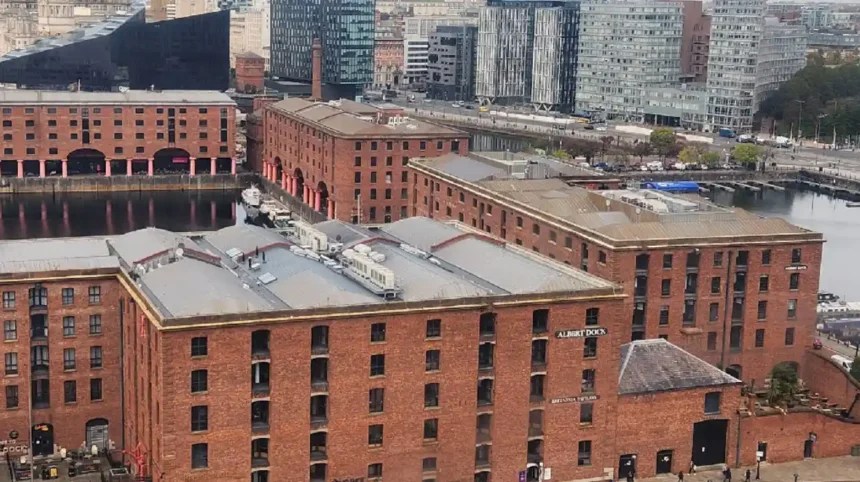
The historic waterfront represents the structural origin of the maritime trade infrastructure that established the global economic prominence of the city. The area contains the largest collection of Grade I listed buildings across the entire United Kingdom. The maritime hub transformed international logistics during the industrial eras of the nineteenth and twentieth centuries. The Royal Albert Dock forms the central architectural component of this zone. The dock opened in 1846 and introduced revolutionary non-combustible warehouse designs utilizing cast iron, brick, and stone. Visitors explore these preserved structures to understand how local merchants managed up to forty percent of global trade during the peak operations of the port. The site combines historical heritage preservation with modern commercial utilization. The zone integrates public museums, contemporary art galleries, commercial hospitality venues, and passenger transport hubs. Regional development frameworks protect the structural integrity of the docks while allowing structural adaptation for modern public events.
- How do visitors experience the musical heritage of the city?
- Why are the two cathedrals architectural focal points?
- What role does professional football play in local culture?
- Where can visitors discover world-class art and museums?
- How do creative districts drive modern urban exploration?
- Frequently Asked Questions
The Pier Head sits immediately adjacent to the dock complex and features the architectural ensemble known as the Three Graces. This trio consists of the Royal Liver Building, the Cunard Building, and the Port of Liverpool Building. The structures represent the administrative power of local shipping companies during the early twentieth century. The Royal Liver Building features two structural Liver Birds that serve as the symbolic protectors of the municipality. The Cunard Building served as the central headquarters for transatlantic passenger lines. The Port of Liverpool Building accommodated the dock trust officials who governed river traffic. The physical space hosting these buildings now provides public walkways, recreational open spaces, and memorial statues celebrating local cultural contributors. The geographic positioning allows clear observation of the River Mersey estuary. The estuary remains an active shipping lane for international freight vessels and regional passenger transport networks.
How do visitors experience the musical heritage of the city?
The musical heritage landscape centers on the historical venues and specialized museums that document the global mid-twentieth-century cultural phenomenon known as Merseybeat. The movement directly accelerated the global popularity of pop and rock music styles during the 1960s. The Cavern Club serves as the primary physical monument to this musical era. The venue hosted the earliest performances of iconic musical groups. The Beatles performed 292 times at the original basement location between the years 1961 and 1963. The modern venue reconstructs the brick arches and underground atmosphere using original building materials salvaged during structural redesigns. Daily live musical showcases present regional archival music alongside modern compositions to maintain the acoustic legacy of the space. The geographic zone surrounding the club forms the Cavern Quarter, which features specialized public statues, commemorative wall plaques, and themed independent retail shops.
The Beatles Story museum at the Royal Albert Dock provides a chronological exhibition detailing the biography of the musical group. The institution utilizes authenticated artifacts, historical photographs, and immersive audio guides to explain the cultural impact of the members. The displays feature items such as the first guitar owned by George Harrison and the historic spectacles worn by John Lennon. The exhibition traces the journey from local performance spaces to international stadium tours. The British Music Experience situated at the Pier Head expands the historical focus beyond a single group. The gallery explores the entire timeline of British popular music from the post-war era to modern times. The repository displays over 600 specific historical artifacts including stage garments worn by David Bowie, instruments played by Noel Gallagher, and handwritten lyrics by Adele. Interactive instrument studios allow visitors to interact with professional audio equipment to understand sound recording processes.
Why are the two cathedrals architectural focal points?
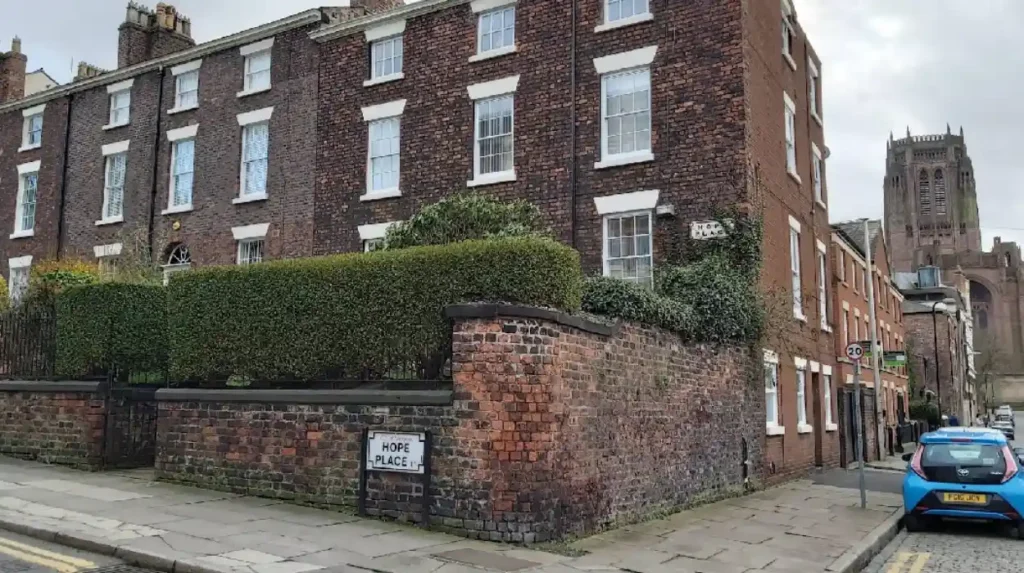
The presence of two distinct cathedrals positioned at opposite ends of Hope Street illustrates the twentieth-century ecclesiastical architectural divergence within the urban landscape. The structures represent different design eras, theological traditions, and engineering solutions. The Liverpool Cathedral stands as the largest Anglican cathedral in the United Kingdom and the fifth largest globally. The architect Giles Gilbert Scott designed the building utilizing a Gothic Revival stylistic framework. Construction began in 1904 and concluded in 1978 using locally quarried red sandstone materials. The interior space features the highest Gothic arches in the world alongside the heaviest ring of church bells globally. The Vestey Tower rises 101 meters above the city floor to provide public panoramic views of the entire Merseyside region. The internal nave accommodates modern art installations including prominent neon light works designed by Tracey Emin.
The Metropolitan Cathedral of Christ the King stands at the northern terminus of the street and serves as the seat of the Roman Catholic Archdiocese. The architect Frederick Gibberd designed the modern building following an international design competition in 1960. The structure features a circular layout constructed with reinforced concrete and flying buttresses to meet mid-twentieth-century liturgical requirements. The building features a conical central tower topped by a large crown of pinnacles containing extensive panels of stained glass. The glass panels cast multi-colored natural light throughout the open central sanctuary space during daylight hours. The cathedral stands directly upon the brick crypt designed by Edwin Lutyens during an earlier abandoned construction project. The crypt remains the only completed section of the initial cathedral plan and hosts annual cultural celebrations.
What role does professional football play in local culture?
Professional football operates as a primary cultural driver and economic anchor for communities across the metropolitan area. The city hosts two long-standing English Premier League football institutions within close geographic proximity. Liverpool Football Club plays at Anfield Stadium situated in the northern part of the city. The stadium opened in 1884 and underwent major expansions to increase total seating capacity beyond 61,000 spectators. The institutional museum details the competitive history of the club, which includes multiple European Cups and domestic league titles. Interactive stadium tours allow the public to access the player tunnel, dressing rooms, and pitchside seating areas. The club recently expanded its heritage recognition by installing commemorative projects such as the Anfield Unveils Forever 20 Memorial for Diogo Jota and Andre Silva.
Everton Football Club represents the older professional football institution in the municipality. The club traditionally operates at Goodison Park, which opened in 1892 as the first purpose-built football stadium in England. The club is transitioning its primary matchday operations to a modern stadium situated at Bramley-Moore Dock within the northern dock complex. The development project anchors the wider commercial regeneration of the historical maritime district. The new waterfront stadium design incorporates traditional brickwork alongside modern glass and steel elements to reflect the industrial heritage of the port. The sporting rivalry between the two teams creates distinct seasonal economic patterns that benefit regional hospitality providers. Matchdays attract tens of thousands of domestic and international visitors to the city center, driving high occupancy across regional accommodation networks. Fans interested in team developments can read about the New Everton Home Kit Revealed as Club Eyes Big Season.
Where can visitors discover world-class art and museums?
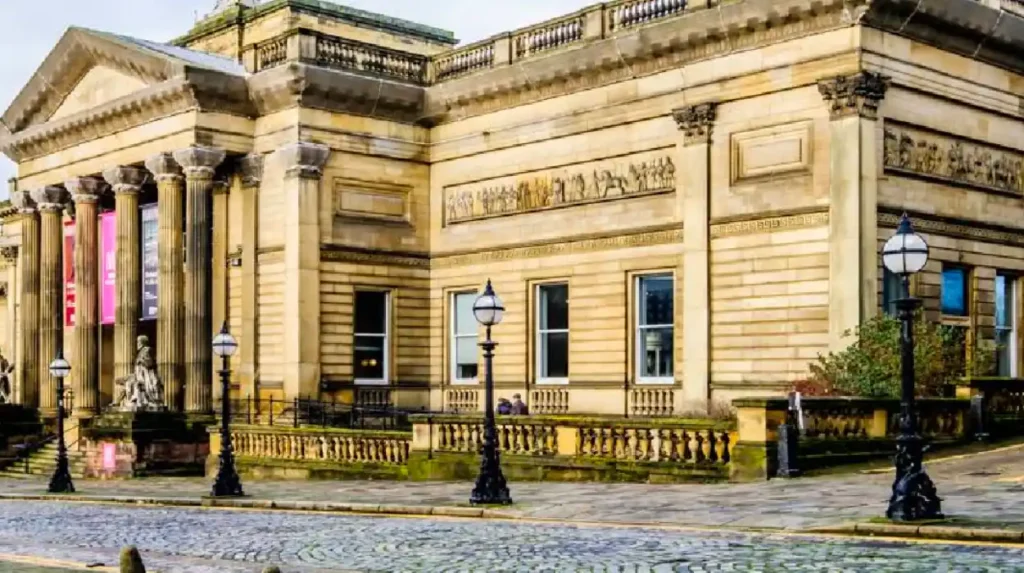
The civic museum network provides extensive public access to fine art collections, archaeological discoveries, and social history archives without entry fees. National Museums Liverpool manages several distinct institutions across the central municipal zones. The Walker Art Gallery houses one of the largest public art collections in England outside of London. The galleries display European paintings spanning from the fourteenth century to the modern era. The collection includes Renaissance masterpieces, Pre-Raphaelite artworks, and contemporary British paintings. The institution hosts the annual John Moores Painting Prize exhibition to support modern artistic developments. The World Museum sits adjacent to the art gallery within the St George’s Quarter. The museum features dedicated floors covering natural history, physical sciences, world cultures, and ancient antiquities. The facility includes an operational public planetarium and a live aquarium display.
The Museum of Liverpool occupies a purpose-built modern pavilion situated on the waterfront at Pier Head. The building opened in 2011 to showcase the unique social, economic, and military history of the local population. The exhibitions explore the growth of the local working-class identity, the development of public transport systems, and the impact of global trade. The building displays historic items including the first passenger carriage from the elevated railway system and industrial manufacturing machinery. The Maritime Museum at the Royal Albert Dock focuses exclusively on the seafaring legacy of the port. The galleries detail the commercial history of the transatlantic slave trade, the emigration of millions of people to North America, and the history of ocean liners. The museum displays unique operational artifacts from the Titanic and the Lusitania to explain local connections to famous maritime events.
How do creative districts drive modern urban exploration?
The evolution of creative districts demonstrates the strategic transformation of redundant industrial neighborhoods into hubs for digital enterprise, independent hospitality, and contemporary arts. The Baltic Triangle represents the primary example of this urban regeneration process. The area sits immediately south of the city center and consists of historic brick warehouse structures built during the whaling and timber trading eras. Creative businesses, tech start-ups, and independent retail operators colonized these spaces during the early twenty-first century. The district features the Baltic Market, a large independent food hall operating inside the former Cains Brewery building. The venue provides retail space for regional food entrepreneurs, craft beverage producers, and independent artists. The streets display extensive public murals, outdoor art installations, and alternative entertainment spaces that draw young professional demographics.
Bold Street and the surrounding Ropewalks district provide an alternative environment for urban retail exploration. The neighborhood derives its name from the historic nineteenth-century rope factories that supplied the sailing ships at the nearby docks. The linear street layout features a high density of independent bookshops, vintage clothing boutiques, ethnic grocery providers, and specialized coffee roasters. The area serves as a culinary destination, offering diverse international dining options ranging from Middle Eastern street food to East Asian small plates. The night economy in this zone centers on independent cocktail lounges, craft beer halls, and intimate live performance spaces. The neighborhood maintains a distinct architectural character due to the survival of late Georgian terrace buildings and early Victorian commercial warehouses. The preservation of these buildings ensures the retention of the traditional scale of the historic city streetscape.
Frequently Asked Questions
What are the best methods for navigating the city center?
The city center features a highly consolidated geographic layout that allows visitors to transition between major tourist attractions efficiently on foot. The Merseyrail underground rail network provides rapid transit via central stations including Lime Street, Central, Moorfields, and James Street.
When is the ideal season to plan a visit?
The summer season running from June through August provides the highest average daily temperatures alongside extended daylight hours suitable for outdoor festival attendance. The spring months of April and May offer lower average visitor density while maintaining favorable weather conditions for walking tours.
What local culinary dishes should travelers sample?
Scouse stands as the primary traditional culinary dish of the municipality, consisting of a slow-cooked meat stew made with beef or lamb, potatoes, carrots, and onions. The dish arrived via historic Nordic sailors and led to the local population adopting the nickname Scousers. The stew is traditionally served alongside pickled beetroot or red cabbage and crusty bread.
Which architectural sites host top evening entertainment?
The St George’s Hall represents a pinnacle of neoclassical architecture and regularly hosts evening candlelit orchestral performances within its Great Hall. The Royal Philharmonic Hall on Hope Street serves as the art deco home of the oldest continuing professional symphony orchestra in the UK. The Baltic Triangle warehouses host alternative late-night musical performances, digital art showcases, and immersive theater events.
How can visitors learn about the city’s complex transatlantic history?
The International Slavery Museum situated within the Royal Albert Dock complex offers dedicated exhibitions covering the history of the transatlantic slave trade. The museum analyzes the economic role local merchants played in financing slave ships during the eighteenth century.