Kensington and Edge Hill offer rich historic sites, extensive green spaces, accessible public transport links, and budget-friendly recreational facilities, making them ideal urban destinations for families seeking structured learning, outdoor play, and varied educational activities without city-center congestion.
- What Outdoor Parks and Green Spaces Can Families Explore in Wavertree Botanic Park?
- What Historic Landmarks and Rail Heritage Sites Are Located at Edge Hill Station?
- How Can Families Discover Joseph Williamson’s Historic Tunnels in Edge Hill?
- What Indoor Family Activities and Soft Play Centers Are Near Kensington?
- What Local Community Events and Free Family Activities Occur in Kensington and Edge Hill?
- How Can Families Plan a Smooth and Affordable Day Out in Kensington and Edge Hill?
- Frequently Asked Questions
- What are the best free things to do with kids in Edge Hill and Kensington?
- Is the Williamson Tunnels tour in Edge Hill suitable for young children?
- How do you get to Kensington and Edge Hill from Liverpool city center using public transport?
- Are there good picnic spots and play areas in Wavertree Botanic Gardens?
- How much time should a family spend exploring Kensington and Edge Hill in one day?
The geographical proximity of Kensington and Edge Hill to central Liverpool provides families with distinct advantages. These adjacent districts feature high concentrations of public parks, historical architecture, and cultural landmarks within walking distance of each other. Parents and children can access open spaces like Wavertree Botanic Gardens and historical sites such as the Edge Hill Railway Station precinct without navigating heavy commercial foot traffic. The areas are well served by direct bus routes along Edge Lane and Kensington Road, enabling efficient travel across the region.
Historically, both neighborhoods developed rapidly during the nineteenth century as key hubs for transport, industry, and residential growth. Edge Hill gained international renown in 1830 as the location of the world’s first passenger railway station site, while Kensington evolved into a dense suburban hub. Today, these historic foundations provide a rich educational backdrop for visitors. Local community infrastructure includes modern play facilities, historical walking trails, and well-maintained public gardens that accommodate diverse age groups throughout the year.
The presence of established community facilities further enhances the appeal of these neighborhoods for visitors. Public amenities such as local leisure centers, sports grounds, and historic library buildings offer sheltered environments during poor weather. The area features free or low-cost entrance models across major outdoor sites, reducing total outing expenses for large households. Frequent local council maintenance ensures that footpaths, play equipment, and public gardens remain clean, safe, and fully operational for daily use.
Furthermore, Kensington and Edge Hill function as crucial connective corridors between Liverpool city center and eastern suburban districts. This strategic positioning allows families to combine visits to localized attractions with broader city tours in a single afternoon. The abundance of independent food outlets, national supermarkets, and public seating areas ensures convenient access to essential supplies during extended day trips. Consequently, these areas maintain an enduring reputation as accessible, practical, and highly engaging urban destinations for family recreation.
What Outdoor Parks and Green Spaces Can Families Explore in Wavertree Botanic Park?
Wavertree Botanic Park provides families with nineteenth-century botanical gardens, expansive playing fields, fenced children’s playgrounds, ornamental gardens, and paved walking paths, creating an ideal setting for outdoor games, nature walks, picnics, and seasonal educational visits.
Opened in 1836, Wavertree Botanic Garden originally functioned as a private botanical collection founded by William Roscoe and local botanists before expanding into a public park in 1856. Located off Edge Lane along the border of Edge Hill and Kensington, the site encompasses grade II listed parkland spanning several hectares. Although the historic glasshouses were destroyed during World War II, the formal landscape layout remains intact. Visitors can observe heritage tree specimens, walled garden structures, and curved stone pathways that reflect mid-Victorian public park design principles.
The park features dedicated recreational amenities designed specifically for child safety and physical play. A central play area contains secure perimeter fencing, rubber safety surfacing, climbing towers, swings, and toddler slides. Adjacent flat lawn areas provide space for unstructured sports, kite flying, and group games. Families can follow flat, fully paved loop trails suitable for pushchairs, wheelchairs, and young bicycle riders, ensuring full physical accessibility across all seasons regardless of weather conditions.
Seasonal flora creates valuable learning opportunities for children interested in natural science and botany. The garden retains diverse collection areas featuring perennial flower beds, native broadleaf trees, and evergreen shrubbery that change throughout the yearly cycle. Local community groups and conservation trusts frequently organize nature spotting walks and biodiversity activities within the park grounds. Visitors can observe local bird species, urban pollinators, and historic garden architecture while exploring the clear, signposted pathways that crisscross the park.
Practical amenities within Wavertree Botanic Park ensure comfortable extended visits for multi-generational families. Ample bench seating is situated at regular intervals along main walkways, providing shaded resting points beneath mature trees. Public waste disposal facilities and open picnic areas allow families to bring outdoor meals, reducing trip costs. The perimeter gates connect directly to local pedestrian crossings and bus stops, facilitating straightforward arrival and departure for visitors relying on public transport networks.
What Historic Landmarks and Rail Heritage Sites Are Located at Edge Hill Station?
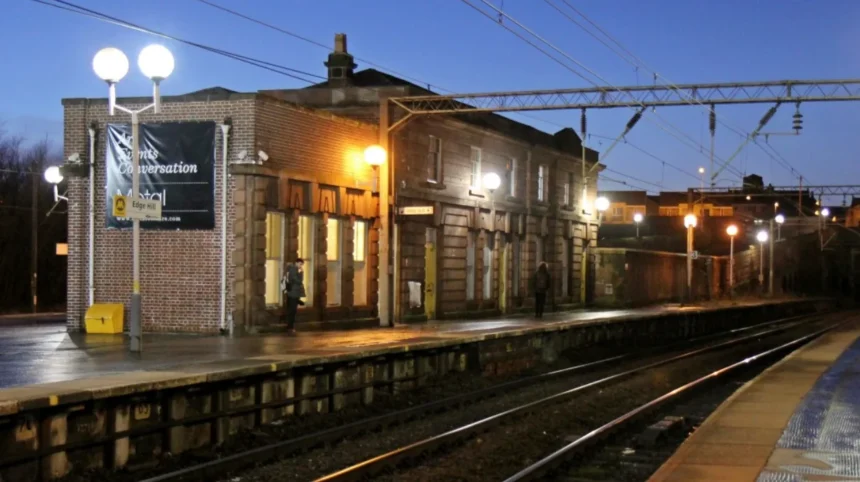
Edge Hill Station offers families access to the world’s oldest active passenger railway site, featuring original 1836 stone buildings, deep sandstone cutting architecture, engine house ruins, and interactive community art exhibitions managed by the cultural organization Metal.
Established original operations in 1830 before moving to its current site in 1836, Edge Hill Station represents a foundational site in global transport history. The location served as the key junction for the Liverpool and Manchester Railway, designed by pioneering engineers George Stephenson and Robert Stephenson. The site features hand-carved sandstone cuttings, grand engine houses, and deep subterranean tunnels, including the Wapping Tunnel and the Lime Street Cutting. These structures demonstrate the extraordinary engineering achievements of early industrial Britain to young visitors.
The station building is officially recognized as the world’s oldest operating rail terminal open to the public. Families visiting the site can observe active train operations alongside original early-nineteenth-century stone offices and quadrangle courtyards. Cultural organization Metal operates from the renovated station buildings, hosting community art programs, heritage workshops, and public exhibitions. These educational initiatives interpret local industrial history through creative, child-friendly mediums that make complex engineering history accessible to younger audiences.
Safety measures throughout the station area allow families to view working platform operations while exploring preserved architectural elements. Informative heritage boards detail the historical evolution of steam locomotive technology, cable-operated incline engines, and early rail safety systems. Walking past the historic sandstone walls offers a visual lesson in geography, geology, and Victorian civil engineering. Guided historical walking tours periodically operate around the station perimeter, explaining the structural significance of the surrounding rail cuttings.
Visiting Edge Hill Station provides students and children with direct exposure to national curriculum history topics. The physical proximity of original rail infrastructure helps children contextualize the massive societal transitions brought about by the Industrial Revolution. Visitors can combine visits to the station platforms with exploration of nearby rail heritage markers along Tunnel Road. This makes Edge Hill Station an essential, highly educational stopping point on any historical day out through the borough.
How Can Families Discover Joseph Williamson’s Historic Tunnels in Edge Hill?
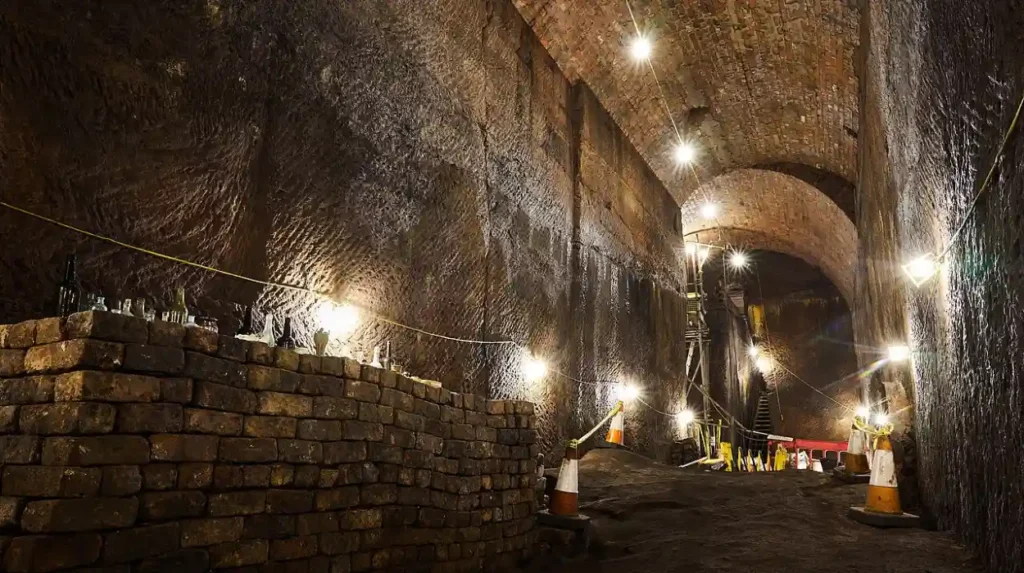
The Williamson Tunnels Heritage Centre allows families to explore a mysterious underground network of hand-carved sandstone chambers, deep brick arches, and historic artifact displays created by early nineteenth-century philanthropist Joseph Williamson through guided educational walking tours.
Constructed between 1810 and 1840 under the instruction of eccentric tobacco merchant Joseph Williamson, the underground tunnel network extends beneath the Mason Street area of Edge Hill. Williamson employed hundreds of discharged soldiers and local laborers returning from the Napoleonic Wars to excavate massive subterranean chambers. While the precise motive for building the network remains a topic of historical debate, the site stands as an extraordinary architectural achievement in urban subterranean quarrying and philanthropic employment creation.
Guided public tours through the Williamson Tunnels Heritage Centre take visitors down into illuminated underground chambers. Expert local guides explain the excavation techniques, masonry construction methods, and archaeological recovery efforts that cleared thousands of tons of Victorian infill material. Display cases along the tour route showcase recovered domestic artifacts, including nineteenth-century ceramic pipes, glass bottles, clay pottery fragments, and children’s toys, offering a clear window into daily Victorian life.
The heritage center implements robust safety protocols, making the underground environment accessible for families with older children. Tour routes feature stable metal stairways, safety handrails, non-slip floor grating, and steady artificial lighting throughout the subterranean passages. Visitors are provided with protective hard hats before descending, adding an immersive sense of adventure to the educational experience. Specialized family-focused tours adapt complex engineering history into engaging narratives centered on Victorian mystery and excavation techniques.
Surface facilities at the heritage center include an interactive exhibition hall, educational display boards, a gift shop, and visitor facilities. The visitor center provides detailed timeline charts, structural models, and photographic documentation showing the ongoing excavation of hidden chambers such as the Banqueting Hall and Great Tunnel. Visiting this unique attraction provides families with an unforgettable subterranean learning experience that highlights the quirkier aspects of local heritage.
What Indoor Family Activities and Soft Play Centers Are Near Kensington?
Indoor play facilities near Kensington provide families with multi-level soft play structures, climbing frames, ball pools, sports arenas, dedicated toddler areas, and cafe seating, ensuring safe, weather-proof physical exercise and entertainment for children.
Indoor play venues located in and around Kensington offer secure, climate-controlled environments for active children during inclement weather. Facilities such as neighborhood soft play areas feature high-density foam obstacles, enclosed spiral slides, rope bridges, and interactive ball pits designed to improve motor skills and physical agility. These venues cater to varying age ranges by separating equipment into distinct zones, preventing older children from disrupting play areas intended for infants and toddlers.
Safety compliance represents a major focus for indoor recreational centers operating across the district. Play structures are enclosed with heavy-duty safety netting, soft floor pads, and padded structural columns to prevent fall injuries. Parents can observe children continuously from central café seating areas positioned directly adjacent to main play frames. Entry and exit points utilize secure electronic gates or manual latch systems, ensuring children cannot leave the play hall unaccompanied by a parent or guardian.
These indoor centers also host organized children’s activities, physical fitness sessions, and structured birthday party packages. Dedicated sensory play rooms in select facilities feature tactile wall panels, soft light projectors, and calming audio systems, accommodating children with special educational needs or sensory sensitivities. Onsite catering facilities provide hot food, healthy snacks, and hot beverages, allowing families to spend multiple hours indoors comfortably during rainy weekend afternoons.
Convenient geographic positioning near main road arteries like Kensington and Prescot Road ensures straightforward access for families. Dedicated parking facilities, street-level entrance doors, and wide internal corridors accommodate pushchairs and baby buggies with ease. The availability of structured indoor recreation options ensures that families visiting Kensington maintain reliable leisure alternatives regardless of seasonal weather conditions or low outdoor temperatures.
What Local Community Events and Free Family Activities Occur in Kensington and Edge Hill?
Kensington and Edge Hill host regular free family activities, including public library storytimes, seasonal community festivals, heritage open days, outdoor sports workshops, and holiday craft groups organized by local councils and neighborhood charities.

Community libraries, such as Edge Hill Library, serve as vital hubs for free educational activities throughout the week. Public children’s services include weekly storytime sessions, early learning rhyming groups, interactive reading challenges, and free access to computer research desks. During school holiday periods, these libraries host creative craft workshops, digital literacy classes, and science demonstration sessions designed to maintain child engagement without imposing financial barriers on visiting parents.
Local community centers and charities frequently organize seasonal events, street festivals, and heritage celebrations across both districts. Annual summer galas and autumn fairs feature live music performances, face painting, outdoor games, and traditional food stalls that bring local families together. Cultural venues, including the Metal arts center at Edge Hill Station, host free family art workshops, open-air theatre performances, and historical walking tours that highlight neighborhood talent and history.
Public parks across Kensington and Edge Hill host free sports programs and natural outdoor discovery sessions throughout the spring and summer months. Local council sports development teams conduct coached football, rounders, and track sessions in Wavertree Botanic Gardens for school-aged children. Environmental organizations occasionally run guided bug hunts, tree identification trails, and urban gardening workshops, encouraging children to develop an early interest in environmental stewardship and biodiversity.
Participation in these local events offers families an authentic perspective on community life within inner Liverpool. Detailed event calendars are routinely published on community noticeboards, local council portals, and library display boards, allowing residents and tourists to plan outings in advance. These accessible, non-commercial events provide high-quality social, educational, and creative enrichment opportunities for children of all backgrounds.
How Can Families Plan a Smooth and Affordable Day Out in Kensington and Edge Hill?
Families can plan an affordable day out by utilizing direct public transport, packing lunches for park visits, checking venue opening times online, wearing suitable walking footwear, and combining nearby free attractions into a single structured itinerary.
Creating a structured itinerary is essential for maximizing time and minimizing stress during a family day trip. Visitors can begin their morning with an educational subterranean tour at the Williamson Tunnels, follow with a midday walk and picnic at Wavertree Botanic Park, and conclude the afternoon examining rail architecture at Edge Hill Station. Planning a geographic sequence reduces total walking distance, keeping children energetic and engaged throughout the entire trip.
Public transportation offers the most efficient and economical mode of travel across Kensington and Edge Hill. Direct Merseytravel bus routes run continuously along Kensington Road and Edge Lane, connecting visitors directly to Liverpool Lime Street Station and surrounding suburban districts. Edge Hill Station provides direct rail links to regional stations across the North West. Purchasing family day-pass tickets allows unlimited travel across bus and rail networks, providing significant savings compared to individual ticket costs or inner-city parking fees.
Packing suitable provisions, clothing, and equipment ensures a comfortable experience across varied outdoor and indoor environments. Weather conditions in the North West of England change rapidly, making waterproof jackets, sturdy walking shoes, and layered clothing essential gear for family walks. Bringing refillable water bottles, healthy snacks, and packed lunches enables families to take full advantage of free park picnic areas, substantially reducing total daily catering expenses.
Finally, confirming opening hours, booking policies, and accessibility features prior to departure avoids unnecessary delays. While public parks remain open daily during daylight hours, historic venues like the Williamson Tunnels Heritage Centre require pre-booked ticket slots for guided tours. Reviewing local maps, checking facility access, and confirming public toilet locations ensures a smooth, highly enjoyable, and budget-friendly day out for every member of the family.
Related Article: Planning a wider trip across Liverpool? Read our complete guide onwhich hotels and areas are best to stay near Kensingtonto secure convenient family accommodation.
Read More: Eager to uncover historic architecture and secret local heritage? Explorewhat makes hidden gems in Kensington Liverpool worth exploring today.
Frequently Asked Questions
What are the best free things to do with kids in Edge Hill and Kensington?
Families can explore the historical Wavertree Botanic Park, featuring extensive playground facilities, open lawns, and Victorian walking gardens without paying entry fees. Edge Hill Station offers free platform viewing of the world’s oldest active rail terminal buildings and engine cuttings. Additionally, local public libraries host free weekly storytimes and school holiday craft workshops for children.
Is the Williamson Tunnels tour in Edge Hill suitable for young children?
The Williamson Tunnels Heritage Centre accommodates children, but children under five years old may find the subterranean environment dark or cool. The guided tours require walking through underground stone passages while wearing safety hard hats. Interactive historical artifact displays and enthusiastic local guides make the experience engaging for primary school children and teenagers interested in historical exploration.
How do you get to Kensington and Edge Hill from Liverpool city center using public transport?
Frequent Merseytravel bus services run directly from Queen Square and Liverpool ONE bus stations along Edge Lane and Kensington Road, arriving within fifteen minutes. Northern Rail operates direct train services from Liverpool Lime Street Station to Edge Hill Station, taking approximately five minutes. Both options provide frequent, economical travel for families moving across the city.
Are there good picnic spots and play areas in Wavertree Botanic Gardens?
Wavertree Botanic Park provides large, flat grass lawns and designated bench seating areas suitable for outdoor family picnics. The park features a fully fenced children’s playground equipped with swings, slides, climbing frames, and rubberized safety flooring. Paved, level walking paths ensure pushchairs and wheelchairs move through the gardens smoothly across all seasons.
How much time should a family spend exploring Kensington and Edge Hill in one day?
A complete family itinerary across Kensington and Edge Hill typically requires three to five hours. Visitors generally spend sixty to ninety minutes on a guided tour of the Williamson Tunnels, followed by an hour exploring Wavertree Botanic Park. Reserving an additional hour allows families to visit historic Edge Hill Station and enjoy lunch at a local cafe.