
Aigburth is a suburban district in South Liverpool, England, situated along the eastern bank of the River Mersey within the L17 postcode area. The neighborhood contains 12 distinct secret spots, including historic green spaces, Grade II listed architectural structures, independent cultural venues, and secluded riverfront paths. Local historical records show that uk/local/aigburth/">Aigburth originated as an Anglo-Saxon settlement named Aykeberh, meaning oak tree hill. Today, these lesser-known locations preserve the architectural heritage, botanical diversity, and community culture of South Liverpool away from mainstream city centre tourist routes.
- Where Is St Michaels in the Hamlet and Why Is It Historic?
- How Does Otterspool Promenade Hide the Old Festival Gardens Woodland?
- What Secret Historic Features Are Inside Sefton Park Palm House?
- Why Is Lark Lane Granby Street Market Border a Cultural Hotspot?
- Where Can You Find Sudden Club and Secluded Tennis Lawns?
- What Secrets Lie Within Sudley House and Gardens?
- Where Is St Athanasius and the Hidden Sudley Meadow?
- How Does Fulwood Park Preserve Victorian Merchant Estates?
- What Is the Secret History of Cressington Park Shoreline?
- Where Is the Hidden Jericho Farm Site and Otterspool Beck?
- Why Is the Mersey Bluffs Woodland Path a Hidden Gem?
- How Does St Margaret’s Hidden Cloister Enhance Aigburth Culture?
- Frequently Asked Questions
- What are the top green spaces to explore in Aigburth Liverpool?
- How do you reach Aigburth’s hidden spots using public transport?
- Are the hidden heritage sites in Aigburth free to visit?
- What is the historic connection between Aigburth and the River Mersey?
- When is the best time of year to walk through Aigburth’s secret spots?
The geographic footprint of Aigburth spans from the boundaries of Toxteth and Mossley Hill down to the Mersey estuary shoreline. Urban planning development during the Victorian and Edwardian eras transformed former private estates into public amenities, leaving behind hidden pockets of woodland and historic architecture. Research from local heritage archives confirms that these 12 secret sites feature unique botanical species, historical monuments, and independent business hubs. Exploring these locations provides a comprehensive view of how South Liverpool balanced suburban expansion with nature preservation over two centuries.
Visiting these local destinations allows residents and travelers to experience authentic Merseyside culture outside standard tourist itineraries. Environmental surveys show that Aigburth green spaces support native wildlife populations, including European hedgehogs, grey herons, and pipistrelle bats. The district connects directly to central Liverpool via the Merseyrail Northern Line, making these secluded sites accessible for short walks and daily excursions. Understanding the historical context and exact locations of these 12 sites enhances appreciation for South Liverpool heritage and suburban conservation.
Where Is St Michaels in the Hamlet and Why Is It Historic?
St Michaels in the Hamlet is a quiet residential enclave built around a historic cast-iron church constructed in 1815 by architect John Cragg. The site is famous for its unique structural use of prefabricated cast iron from the Mersey Foundry, making it one of only three such churches in the United Kingdom. The surrounding conservation area features early 19th-century gothic cottages and narrow tree-lined avenues that remain hidden from the main Aigburth Road thoroughfare.
John Cragg collaborated with ironmaster Thomas Telford to pioneer prefabricated iron components inside ecclesiastical buildings during the Industrial Revolution. The interior features cast-iron columns, window frames, tracery, and roof ribs that supported rapid construction in 1815. Heritage surveys note that the surrounding hamlet was developed as a planned suburban retreat for wealthy Liverpool merchants during the Napoleonic Wars. The entire cluster of buildings retains its original Regency and early Victorian aesthetic, earning Grade I listed status for the church and conservation area protection for the surrounding estate.
The churchyard contains historic headstones belonging to prominent 19th-century Liverpool maritime captains, merchants, and civic figures. Visitors walking through the hamlet observe well-preserved cottage gardens, traditional cobble details, and minimal modern traffic intrusion. The location offers insight into early industrial engineering applied to domestic and religious architecture in North West England. Access to the hamlet is available via St Michaels station on the Merseyrail network, positioned a short distance from the River Mersey.
How Does Otterspool Promenade Hide the Old Festival Gardens Woodland?
The Liverpool Festival Gardens site contains a restored woodland area hidden directly behind the open paved promenade of Otterspool. Originally created for the 1984 International Garden Festival on reclaimed landfill land, the secluded woodland features oriental garden structures, artificial waterways, and mature Japanese plant species. The site underwent major remediation and reopened to the public as a permanent green space covering 27 acres of natural habitat.
The 1984 International Garden Festival transformed 125 acres of industrial waste ground into Britain’s first major garden festival site. Following decades of neglect after closure, community campaigns and municipal investment restored the core oriental gardens and surrounding woodland in 2012. The hidden paths feature authentic Chinese and Japanese pagodas, dragon statues, monolithic stone features, and interconnected reflection ponds. Botanists record over 60 tree species within the canopy, including Japanese maples, bamboo thickets, and mature weeping willows that create a quiet sound barrier from the riverfront walk.
Walking through the woodland paths reveals cascading waterfalls, timber bridges, and sheltered bird hides that overlook naturalized ponds. Wildlife monitoring confirms that the site hosts common kingfishers, moorhens, and several amphibian species within the aquatic zones. The elevation changes across the woodland offer shaded vantage points looking across the Mersey estuary toward the Wirral Peninsula. To plan a broader outdoor itinerary along the coastline, learn whether the Sefton Park to Otterspool walk is the top riverside route in Liverpool.
What Secret Historic Features Are Inside Sefton Park Palm House?
The Sefton Park Palm House is a Grade II* listed Victorian glasshouse opened in 1896 that houses a secret collection of historic botanical statues. Designed by architect John McKean Bryden, the octagonal glass structure contains marble statues executed by French sculptor Leon-Joseph Chavalliaud representing historic naturalists and explorers. The surrounding internal borders feature rare subtropical plant collections that have been cultivated continuously since the major restoration completed in 2001.
Funding for the construction came from Liverpool merchant Henry Yates Thompson, who donated 12000 pounds sterling to build the conservatory. The marble statues positioned around the perimeter depict Charles Darwin, Carl Linnaeus, Captain James Cook, Christopher Columbus, and Gerardus Mercator. Additional bronze statues inside represent mythological figures like Pan and Echo, integrated directly into the lush tropical foliage. Archives confirm the glass house contains over 200 plant species representing six continents, including ancient cycads, bench palms, and carnivorous plant specimens.
The Palm House operates as an independent charitable trust offering free public access when private events are not scheduled. Visitors examining the glass dome observe intricate cast-iron ironwork frames restored to withstand coastal wind conditions from the nearby Mersey. Educational markers detail the historic plant collection routes used by Victorian botanists during the peak of the British Maritime Empire. To discover more about the surrounding parkland, explore what makes Aigburth Liverpool a top destination for a weekend getaway.
Why Is Lark Lane Granby Street Market Border a Cultural Hotspot?
The southern perimeter of Lark Lane bordering Sefton Park hosts small independent artisan alleys, secret courtyards, and pop-up vintage markets. Lark Lane has served as Aigburth’s primary bohemian commercial corridor since the late 20th century, housing independent cafes, record shops, and art studios. The hidden passages behind the main Victorian storefronts contain artist workshops, local bakery kitchens, and intimate community gathering spaces.
Lark Lane developed during the 1800s as a service street supplying the grand merchant mansions built around Sefton Park. The architecture consists of traditional two-story brick shop fronts with original Victorian decorative tiled entrances and cellar storage bays. Over 80 percent of commercial premises along the street remain occupied by non-chain independent operators, maintaining a unique micro-economy. Local cultural census data indicates that the street hosts weekly pop-up maker markets, live music sessions, and seasonal food festivals.
Walking into the side alleys like Keith Street and Waverley Road reveals hidden residential architecture and courtyard gardens. Visitors encounter local craft roasters, vintage clothing archivists, and second-hand book shops operating in former coach houses. The proximity to Sefton Park makes the street a natural transition zone between urban commercial activity and outdoor leisure space. For a complete guide to local amenities, read about the best things to do in Aigburth Liverpool.
Where Can You Find Sudden Club and Secluded Tennis Lawns?
The Aigburth Cricket Club and nearby hidden lawn tennis clubs occupy historic private sporting grounds tucked behind Victorian terrace housing lines. Established in 1888, the Liverpool Cricket Club on Aigburth Road features one of the oldest private sports pavilions in North West England. The secluded green fields span 16 acres, hidden entirely from street view by dense perimeter lime trees and high stone boundary walls.
The club hosted first-class county cricket matches for Lancashire County Cricket Club starting in 1881 due to its high-quality turf. Historical records show that international teams, including Australia and the West Indies, played exhibition matches on these grounds during early 20th-century tours. Tucked behind the main pavilion sit historic grass tennis courts and bowling greens maintained continuously for over 130 years. The timber pavilion structure features original Edwardian changing rooms, historical trophy displays, and a private balcony overlooking the playing fields.
Access to the grounds is available via private membership and public match day admissions throughout the summer sporting season. Local sports historians recognize the site as a rare surviving example of a late Victorian suburban sporting complex. The perimeter tree lines create a natural acoustic filter, insulating the inner playing fields from surrounding city traffic noise. The location remains an integral part of South Liverpool’s recreational heritage and green corridor network.
What Secrets Lie Within Sudley House and Gardens?
Sudley House is a historic merchant home built in 1824 that contains the only surviving Victorian art collection still hanging in its original domestic setting. Located on Aigburth Drive, the Grade II listed mansion was bequeathed to the city of Liverpool by shipowner George Holt in 1944. The surrounding formal gardens and wooded estate offer elevated, unobstructed views across the River Mersey toward the Wirral coastline.
George Holt purchased Sudley House in 1884 and filled the rooms with oil paintings by major British artists, including JMW Turner, Thomas Gainsborough, and John Everett Millais. The interior design retains original Victorian wall coverings, mahogany furniture, carpet patterns, and decorative fireplace surrounds. National Museums Liverpool manages the property, maintaining the art collection precisely as Holt arranged it during his residency. The free-to-enter gallery receives lower visitor numbers than central Liverpool museums, making it a peaceful cultural spot.
The surrounding grounds feature formal rose gardens, stone terrace walks, and mature beech woodlands open to the public daily. Historic surveys note that the estate terrace sits on a sandstone ridge 70 feet above sea level. This elevation provided 19th-century shipowners with a vantage point to track incoming merchant vessels entering the Mersey estuary. Today, the gardens serve as a quiet retreat for local dog walkers, artists, and historic architecture enthusiasts.
Where Is St Athanasius and the Hidden Sudley Meadow?
Sudley Meadow is an undeveloped 12-acre natural grassland space hidden directly behind the Sudley House estate near the historic St Athanasius boundary. The meadow represents a rare surviving fragment of unploughed lowland acid grassland that once covered South Liverpool prior to 19th-century urban expansion. Naturalist surveys record over 100 species of wildflowers, native grasses, and fungi within this protected biological sanctuary.
Environmental studies conducted by local conservation trusts confirm the meadow supports rare plant species, including common knapweed, cuckoo flower, and bird’s-foot trefoil. The lack of artificial fertilizers over two centuries preserved the natural soil chemistry required for complex fungal networks like waxcap mushrooms. The meadow serves as a vital foraging habitat for red foxes, tawny owls, and over 20 species of pollinating butterflies and hoverflies. Boundary hedgerows surrounding the meadow date back to 18th-century field enclosures, containing ancient hawthorn and blackthorn trees.
Public footpaths run along the edge of the meadow, connecting Aigburth Road to Mossley Hill through shaded green corridors. Local community groups actively manage the land to prevent invasive scrub encroachment and maintain biodiversity. Walking through the meadow offers a direct view of the pre-industrial landscape of Merseyside. The site remains a protected green space within Liverpool Council’s urban conservation framework.
How Does Fulwood Park Preserve Victorian Merchant Estates?
Fulwood Park is an exclusive private residential avenue established in 1840 that features Grade II listed Italianate and Gothic Revival villas. The road was laid out as a gated private estate for wealthy Liverpool merchants seeking isolation from industrial city pollution. The road features original stone entrance lodges, mature weeping ash trees, and private access paths leading directly down to the River Mersey.
Civil engineer Joseph Franklin designed the layout of Fulwood Park to maximize privacy and preserve views of the Mersey estuary. The villas exhibit mid-19th-century architectural styles, including stucco finishes, slate roofs, decorative porticos, and grand coach houses. Historic census records from 1861 show that residents included cotton brokers, shipping line owners, and foreign consuls stationed in Liverpool. The road remains a private thoroughfare managed by a local residents trust, preserving the original street lamps and boundary walls.
The lower end of Fulwood Park terminates near the historic shoreline where private estate gardens once met the river edge. Walking along the public footpaths adjacent to the park offers views of well-preserved Victorian domestic architecture. The heavy canopy of mature beech, sycamore, and oak trees creates a secluded atmosphere year-round. The estate serves as an intact example of early Victorian suburban elite property development in North West England.
What Is the Secret History of Cressington Park Shoreline?
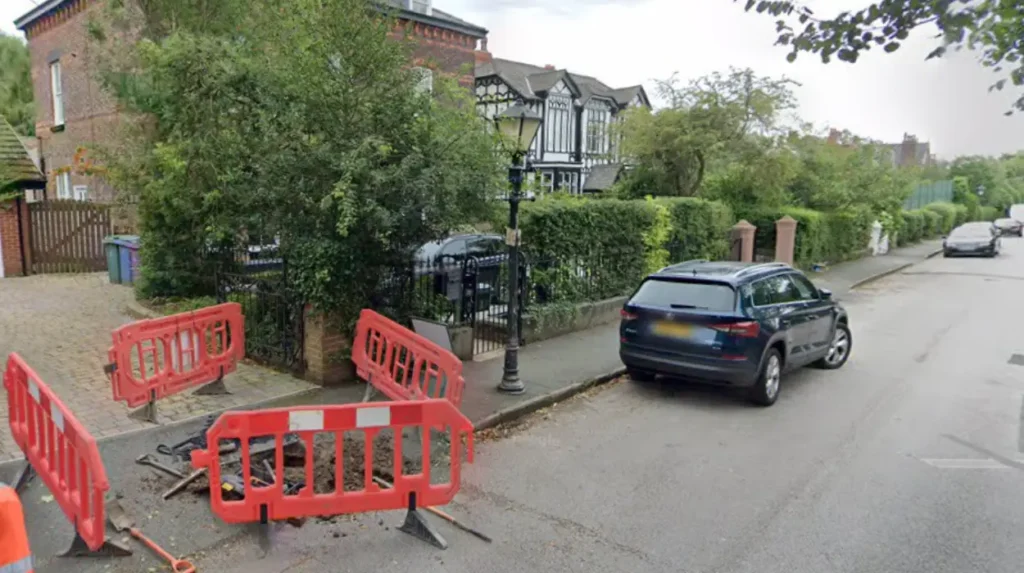
Cressington Park is a protected riverfront residential park constructed in 1851 that features a private promenade along the Mersey estuary. Located just south of central Aigburth, the estate was developed as an exclusive enclave featuring Victorian architecture, cast-iron street lamps, and private green squares. The hidden promenade offers views across the Mersey to the North Wales hills away from public coastal crowds.
Architects refined the layout of Cressington Park to incorporate broad avenues radiating from central green ornamental gardens toward the river. The promenade features historic stone sea walls built to withstand tidal surges from the Mersey estuary. Property records show the development catered to mid-Victorian professionals who commuted to central Liverpool via the newly opened Cheshire Lines Committee railway. The private park maintains its original Victorian layout, including vintage cast-iron signage, estate gates, and mature tree-lined avenues.
The shoreline area provides an ideal location for watching marine vessel traffic entering and leaving the Port of Liverpool. Wetland bird species, including curlews, redshanks, and oystercatchers, feed along the mudflats visible from the promenade wall at low tide. The estate’s isolated location prevents heavy vehicle traffic, keeping the riverfront quiet. Access to the area is available via Cressington station on the Merseyrail Northern Line.
Where Is the Hidden Jericho Farm Site and Otterspool Beck?
Otterspool Beck is a culverted coastal stream that emerges into an open wooded valley hidden within the upper section of Otterspool Park. The stream historically powered Jericho Mill, a medieval watermill recorded in local land deeds dating back to 1588. The surrounding valley features dense native woodland, historic stone bridge abutments, and natural sandstone outcrops that formed part of the historic Jericho Farm estate.
The name Otterspool derives from the historic tidal pool where otters once hunted along the Mersey tributaries. During the 18th and 19th centuries, Jericho Farm operated as a secluded agricultural holding producing food for the growing Liverpool borough. The stream was partially culverted during 20th-century park construction, but the upper ravine section remains in its natural state. Geologists note the exposed red sandstone formations along the brook show evidence of ancient glacial meltwater erosion.
Visitors exploring the wooded paths in upper Otterspool Park can trace the historic route of the stream down toward the river. The damp ravine environment creates a microclimate that supports dense growths of native ferns, mosses, and liverworts. Birdwatchers regularly spot treecreepers, great spotted woodpeckers, and nuthatches inside this sheltered woodland canopy. The site offers a glimpse into the pre-urban topography of South Liverpool’s coastal streams.
Why Is the Mersey Bluffs Woodland Path a Hidden Gem?
The Mersey Bluffs Woodland Path is a elevated dirt trail running along the sandstone cliffs above the Mersey estuary between Aigburth and Garston. The path passes through coastal oak woodland, offering elevated views over the muddy banks and waters of the Mersey. This elevated trail remains largely unused compared to the paved Otterspool Promenade directly below it, providing a quiet natural hiking route.
Geological surveys indicate the bluffs are composed of Sherwood Sandstone laid down during the Triassic period over 200 million years ago. Erosion from the river carved steep drop-offs that created natural defenses and distinct coastal habitats. The woodland canopy consists of sessile oak, silver birch, and sycamore trees shaped by prevailing salt-laden winds from the Irish Sea. The elevated vantage point allows clear visibility of the Wirral coastline, Stanlow refinery, and Welsh mountains on clear days.
The trail connects several small clearings where historic boundary markers line former estate edges. Coastal plant species, including sea campion and English stonecrop, grow along the dry sandstone cliff edges. The location serves as an important migratory stopover for songbirds moving along the Mersey flyway during spring and autumn. Access points to the bluff path are located near the southern terminus of Otterspool Park.
How Does St Margaret’s Hidden Cloister Enhance Aigburth Culture?
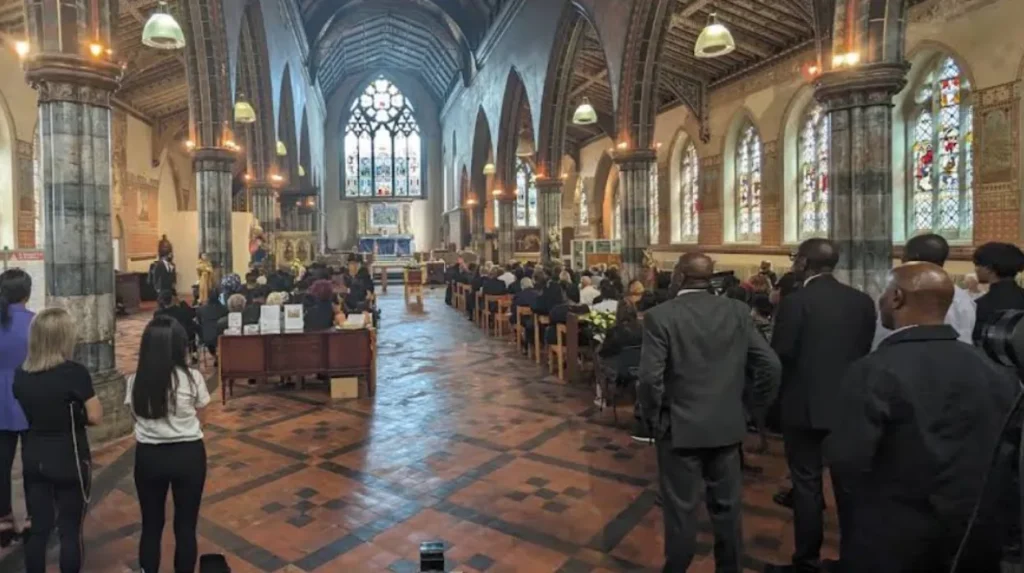
St Margaret of Antioch Church on Belmont Road features a secluded Victorian cloister garden and ornate Anglo-Catholic interior architecture completed in 1873. Designed by architect GE Street, the Grade II* listed church features polychromatic brickwork, stone carvings, and an intricate wooden roof structure. The interior cloister and courtyard garden sit hidden behind high brick walls, creating a quiet space in central Aigburth.
GE Street was a leading figure in the Gothic Revival movement, incorporating Italian Gothic elements into the church design. The interior walls feature elaborate alabaster carvings, stained glass windows by William Morris and Company, and mosaic wall panels. The hidden cloister walkway features stone arches enclosing a central garden planted with traditional monastic herbs and flowering shrubs. Historical archives note the church was built to serve the expanding suburban population of mid-Victorian Liverpool.
The church hosts regular classical music recitals, choral performances, and community heritage open days throughout the year. Visitors exploring the building can inspect historic brass fittings, carved stone altars, and Victorian decorative tile floors. The quiet courtyard provides an acoustic sanctuary from the surrounding residential streets. The location stands as a landmark of Victorian religious art and architecture in South Liverpool.
Frequently Asked Questions
What are the top green spaces to explore in Aigburth Liverpool?
The primary green spaces in Aigburth include Sefton Park, Otterspool Park, the restored International Garden Festival woodland, and the Sudley House estate grounds. These locations feature mature native woodlands, formal botanical displays, and historic Grade II listed architectural structures. Visitors can access these connected parks via public footpaths and the Merseyrail network.
How do you reach Aigburth’s hidden spots using public transport?
Aigburth is served directly by the Merseyrail Northern Line via St Michaels, Aigburth, and Cressington stations. Frequent local bus routes, including the 82 and 80 services, run continuously along Aigburth Road from Liverpool One bus station. Walking paths directly connect these transit hubs to local hidden gems like Lark Lane and Otterspool Promenade.
Are the hidden heritage sites in Aigburth free to visit?
The majority of hidden sites in Aigburth offer free public access throughout the year. Publicly accessible locations include Sefton Park Palm House, Sudley House gardens and art gallery, Otterspool Park, and the Festival Gardens woodland. Select private sporting clubs require membership or event tickets for entry to their internal facilities.
What is the historic connection between Aigburth and the River Mersey?
Aigburth developed along the eastern banks of the Mersey estuary as an agricultural and maritime community before becoming a Victorian merchant retreat. Historic estates like Fulwood Park and Cressington Park were constructed specifically to provide wealthy industrialists with river views. The coastline remains an important ecological zone and shipping corridor today.
When is the best time of year to walk through Aigburth’s secret spots?
Spring and summer offer optimal conditions for viewing botanical collections at the Sefton Park Palm House, Sudley Meadow, and the Festival Gardens woodland. Autumn provides rich foliage displays across the mature tree canopies of Sefton Park and the Mersey Bluffs Woodland Path. Winter allows for unobstructed views of Victorian architecture through the bare tree canopy.