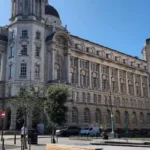


Liverpool is one of the United Kingdom’s largest cities and serves as the economic and cultural centre of the Liverpool City Region. The city combines historic neighbourhoods, modern business districts, respected universities, extensive green spaces, and an expanding transport network. These strengths make Liverpool attractive to growing families, first-time buyers, professionals, and commuters alike.
- What makes an area in Liverpool ideal for families and professionals?
- Which Liverpool neighbourhoods are best for families?
- Which Liverpool areas are best for professionals and commuters?
- How do housing, transport, and local amenities differ across Liverpool’s best residential areas
- Frequently Asked Questions
- Which is the best area in Liverpool for families?
- Which Liverpool neighbourhood is best for young professionals?
- Is Liverpool an affordable place to live compared with other UK cities?
- What should families consider before choosing a Liverpool neighbourhood?
- Is South Liverpool better than the city centre for residential living?
Choosing the right neighbourhood depends on several practical factors. School quality, transport connections, housing types, employment opportunities, healthcare facilities, local shopping, and recreational spaces all influence daily life. South Liverpool suburbs generally attract families because of their established communities and highly regarded schools, while the city centre and nearby districts appeal to professionals seeking shorter commutes and vibrant social environments.
This guide explains the best residential areas in Liverpool by examining their amenities, housing, accessibility, and suitability for different lifestyles.
What makes an area in Liverpool ideal for families and professionals?
The best Liverpool neighbourhoods combine excellent schools, reliable transport, quality healthcare, green spaces, diverse housing, local shopping, employment access, and strong community facilities. These characteristics support long-term living, reduce commuting time, and improve everyday convenience for residents across different age groups and household sizes.
Selecting a residential area requires balancing multiple priorities rather than focusing on one feature alone. Families often prioritise education, healthcare, safety, parks, and community services. Professionals usually value transport links, employment centres, restaurants, entertainment, and commuting efficiency.
Liverpool benefits from an extensive Merseyrail network, major road links including the M62, Liverpool John Lennon Airport, and regular bus services connecting suburbs with the city centre. These transport options support both daily commuting and regional travel.
Education also plays a significant role. Many southern Liverpool neighbourhoods contain numerous schools rated Good or Outstanding by Ofsted, making these locations consistently attractive for families. Community centres, sports facilities, libraries, and local healthcare services further enhance residential appeal.
Property choice is equally important. Liverpool offers Victorian terraces, Edwardian detached homes, modern apartments, converted warehouses, and newly built family developments across different price ranges. This diversity allows buyers and renters to match their housing preferences with their budgets.
Which Liverpool neighbourhoods are best for families?
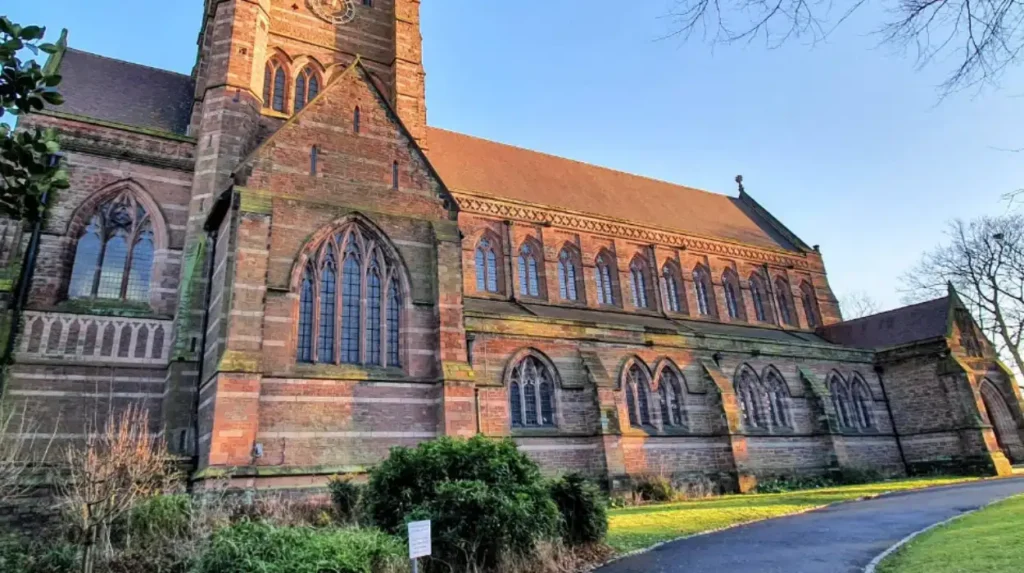
Family-friendly areas include Woolton, Allerton, Childwall, Mossley Hill, Crosby, Aigburth, and West Derby. These communities provide respected schools, spacious housing, parks, healthcare facilities, local shopping, and convenient transport links while maintaining established residential environments suitable for long-term family living.
Woolton consistently ranks among Liverpool’s most desirable residential villages. The area combines attractive housing, respected schools, independent businesses, and extensive green spaces. Families also benefit from easy access to Liverpool city centre while enjoying a quieter suburban atmosphere.
Allerton offers tree-lined streets, supermarkets, cafés, healthcare facilities, and excellent road connections. The neighbourhood remains popular because it balances accessibility with a strong community identity. Housing ranges from traditional semi-detached homes to larger detached properties suitable for growing households.
Childwall provides another established residential environment with good transport connections and several highly regarded schools. Many professionals choose Childwall after starting families because commuting remains straightforward while neighbourhood amenities continue to support everyday life.
Mossley Hill combines historic architecture with excellent rail access, attractive parks, and independent shopping areas. The neighbourhood has remained desirable for decades because of its balanced residential character.
West Derby offers larger family housing, local heritage attractions, sports facilities, healthcare services, and straightforward road access. Families seeking more space frequently consider this area because it combines suburban living with practical commuting options.
Which Liverpool areas are best for professionals and commuters?
Aigburth, the Baltic Triangle, the City Centre, the Georgian Quarter, Mossley Hill, and Wavertree offer excellent transport links, modern housing, thriving business communities, and convenient access to Liverpool’s commercial districts. These neighbourhoods support shorter commutes and an active urban lifestyle for working professionals.
Professionals often prioritise easy access to employment, public transport, restaurants, fitness facilities, and entertainment. Liverpool offers several neighbourhoods that combine these advantages while remaining close to major business districts.
Aigburth remains one of the city’s most desirable locations for professionals. The area sits close to Sefton Park and Lark Lane, offering independent cafés, restaurants, and regular Merseyrail services into the city centre. Victorian homes, modern apartments, and riverside walks make it attractive to young professionals seeking a balance between work and leisure.
The Baltic Triangle has transformed from a former industrial district into Liverpool’s creative and digital hub. Technology companies, creative agencies, co-working spaces, and modern apartment developments have established the district as one of the city’s fastest-growing employment centres. Residents benefit from walking access to Liverpool ONE, the commercial district, and the waterfront.
The Georgian Quarter appeals to professionals who appreciate historic architecture combined with city-centre convenience. Elegant period buildings, theatres, universities, and cultural venues create an attractive residential environment within walking distance of many offices and business locations.
Mossley Hill continues to attract experienced professionals because it combines leafy residential streets with efficient rail services and excellent road connections. Independent businesses, local parks, and established residential communities contribute to its long-term popularity.
Wavertree offers comparatively affordable housing while maintaining excellent transport connections to Liverpool city centre, Edge Hill station, and the M62 motorway. This combination makes it popular with first-time buyers, graduates, and professionals beginning their careers.
How do housing, transport, and local amenities differ across Liverpool’s best residential areas

Liverpool’s leading residential neighbourhoods differ in property styles, transport accessibility, community facilities, green spaces, and local shopping. Families generally favour larger suburban homes, while professionals often choose apartments or period properties closer to employment centres and public transport.
Housing styles vary considerably throughout Liverpool. Woolton, Childwall, and West Derby feature detached houses, semi-detached family homes, and spacious gardens. These neighbourhoods suit buyers planning long-term family living and those seeking quieter residential surroundings.
Aigburth and Mossley Hill contain substantial Victorian and Edwardian properties alongside converted apartments and newer developments. Their architectural character remains one of their strongest attractions for professionals and established families alike.
The City Centre and Baltic Triangle mainly offer modern apartments and converted warehouse developments designed for convenient urban living. These properties generally appeal to professionals who prioritise proximity to work, restaurants, and entertainment.
Transport accessibility is another important distinction. Merseyrail stations serve many desirable southern suburbs, while frequent bus services and major roads including Queens Drive, the M62, and A561 connect residential districts with employment centres across the Liverpool City Region. Liverpool John Lennon Airport also provides convenient national and international travel for business and leisure.
Local amenities further strengthen these neighbourhoods. Residents benefit from supermarkets, independent retailers, healthcare providers, sports centres, libraries, cafés, restaurants, and extensive public parks. Areas such as Sefton Park, Calderstones Park, Croxteth Hall, and Otterspool Promenade provide significant recreational opportunities that support healthy lifestyles and enhance long-term residential appeal.
making it one of the UK’s most attractive cities for both families and professionals. Established suburbs such as Woolton, Allerton, Childwall, Mossley Hill, and Aigburth continue to rank among the strongest choices because they combine quality schools, green spaces, reliable transport, and a strong community atmosphere. Meanwhile, the City Centre and Baltic Triangle provide modern living with direct access to major employers, restaurants, and cultural attractions.
The best area ultimately depends on individual priorities. Families generally benefit from neighbourhoods with larger homes, parks, and highly rated schools, while professionals often prefer locations with shorter commutes and vibrant social amenities. By comparing housing options, transport connections, local services, and long-term lifestyle needs, buyers and renters can confidently choose a Liverpool neighbourhood that supports both their current requirements and future plans.
Frequently Asked Questions
Which is the best area in Liverpool for families?
Woolton, Allerton, Childwall, and Mossley Hill are widely regarded as some of the best family-friendly areas. They offer reputable schools, spacious homes, parks, healthcare facilities, and strong transport links, making them ideal for long-term family living.
Which Liverpool neighbourhood is best for young professionals?
Aigburth, the Baltic Triangle, and Liverpool City Centre are popular with young professionals because they provide excellent transport, modern apartments, restaurants, cafés, and convenient access to business districts.
Is Liverpool an affordable place to live compared with other UK cities?
Yes. Liverpool remains more affordable than many major UK cities. Official housing statistics show average property prices below the England and Wales average, making home ownership and renting more accessible for many buyers and tenants.
What should families consider before choosing a Liverpool neighbourhood?
Families should compare school quality, transport links, healthcare services, green spaces, local shopping, crime levels, housing types, and commuting times. Reviewing these factors together helps identify the most suitable neighbourhood for long-term living.
Is South Liverpool better than the city centre for residential living?
South Liverpool generally appeals to families because of its larger homes, quieter streets, and highly regarded schools. The city centre is better suited to professionals who value walkable access to workplaces, entertainment, and public transport. The right choice depends on lifestyle and commuting priorities.