

Moving to a new city requires careful planning and an understanding of daily life. Liverpool is one of the United Kingdom’s largest cities and serves as the economic and cultural centre of the Liverpool City Region. Located on the River Mersey in North West England, the city has a population of more than 486,000 people according to the 2021 Census, while the wider metropolitan area is home to well over one million residents.
- Why do many people choose to live in Liverpool?
- What are the biggest advantages of living in Liverpool?
- What are the disadvantages of living in Liverpool?
- How affordable is Liverpool compared with other UK cities?
- Is Liverpool a good city for families, students, and professionals?
- Frequently Asked Questions
Liverpool combines historic architecture, modern regeneration projects, leading universities, and a diverse employment market. It is internationally recognised for its maritime heritage, music industry, football clubs, and waterfront. At the same time, new residents should understand both the advantages and the challenges before relocating. This guide explains the major benefits and drawbacks to help you make an informed decision using reliable facts rather than assumptions.
Why do many people choose to live in Liverpool?
Liverpool attracts new residents because it combines relatively affordable housing, excellent public transport, respected universities, a strong cultural identity, and easy access to employment centres across North West England. These factors create an attractive balance between living costs, convenience, and lifestyle.
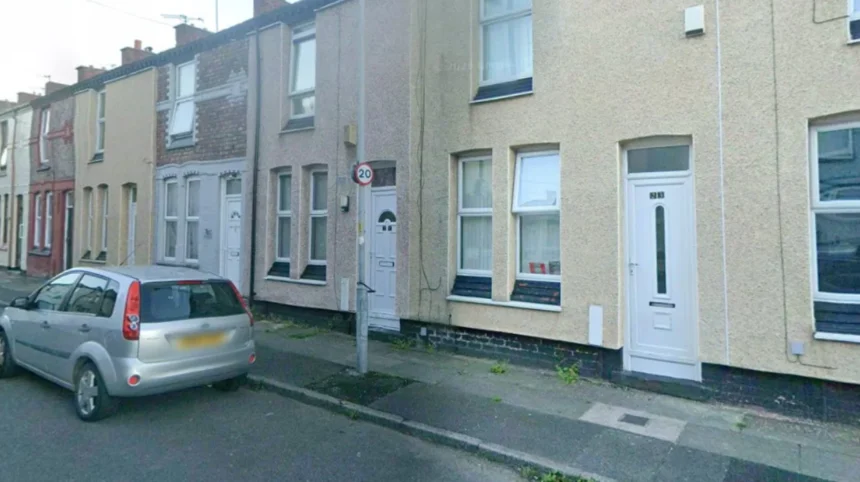
One of Liverpool’s biggest advantages is affordability compared with many other major UK cities. Property prices and rental costs remain lower than London and many parts of southern England. This allows first-time buyers, students, and young professionals to find accommodation that fits different budgets. Housing options include modern city centre apartments, Victorian terraces, suburban family homes, and newly developed residential communities.
The city’s transport infrastructure supports daily commuting without requiring a private vehicle. Merseyrail connects many residential districts with Liverpool city centre, while an extensive bus network serves surrounding neighbourhoods and nearby towns. Liverpool Lime Street provides direct rail services to Manchester, Birmingham, London, and other major destinations, making regional travel straightforward.

Education is another major attraction. The University of Liverpool, Liverpool John Moores University, and Liverpool Hope University attract thousands of domestic and international students every year. These institutions contribute to research, innovation, healthcare, and skilled employment across the city.
Liverpool also maintains a strong international reputation for culture. Museums, galleries, theatres, music venues, sporting events, waterfront attractions, and annual festivals create year-round activities for residents. Tourism supports many local businesses while preserving the city’s historic identity.
Community culture remains one of Liverpool’s defining characteristics. Many new residents describe local people as welcoming, approachable, and community focused. This social environment helps newcomers integrate into neighbourhood life more quickly than in some larger metropolitan areas.
What are the biggest advantages of living in Liverpool?
Liverpool offers affordable housing, efficient transport, respected education providers, growing employment sectors, extensive cultural attractions, and a compact urban layout that allows residents to access services, workplaces, shopping, and entertainment within relatively short travel times.
Affordability remains one of Liverpool’s strongest competitive advantages. Monthly living costs generally remain below those of London and several other large English cities. Students and professionals often find that accommodation, local transport, and entertainment require a smaller proportion of monthly income than elsewhere in the country.
Healthcare services are widely available through NHS hospitals, GP surgeries, specialist clinics, and community healthcare providers. Liverpool also benefits from significant medical research conducted by local universities and healthcare organisations, supporting improvements in patient care and scientific innovation.
Employment opportunities continue to expand across several industries. Major sectors include healthcare, education, logistics, digital technology, financial services, life sciences, tourism, maritime operations, and professional services. Investment across Liverpool’s waterfront and business districts continues to support long-term economic development.
The city’s compact layout simplifies daily life. Shopping centres, restaurants, entertainment venues, universities, museums, offices, and public services are located within a relatively accessible area. Walking, cycling, buses, and trains reduce reliance on private vehicles for many residents.
Liverpool’s cultural heritage also contributes significantly to quality of life. The city is recognised worldwide as the birthplace of The Beatles and remains one of the United Kingdom’s leading destinations for music, football, museums, architecture, and performing arts. These attractions create leisure opportunities throughout the year for individuals, couples, and families.
Finally, Liverpool provides good regional connectivity. Residents can easily travel to Manchester, Chester, North Wales, and London using established rail connections. Liverpool John Lennon Airport also provides international travel options for business and leisure travellers.
What are the disadvantages of living in Liverpool?
Living in Liverpool has disadvantages that include uneven employment opportunities, economic inequality between neighbourhoods, higher crime rates in some areas, wet weather, and increasing housing demand. Understanding these challenges helps new residents choose suitable locations and make informed financial and lifestyle decisions.
One of the most discussed challenges is employment. Liverpool has a growing economy, but the number of high-paying private sector jobs remains lower than in larger UK cities such as London and Manchester. Health, education, hospitality, logistics, and public administration are major employers, while specialist positions in finance and technology are comparatively fewer. This encourages some professionals to commute or work remotely.
Economic inequality also exists across the city. Liverpool has experienced significant regeneration during the past two decades, yet some neighbourhoods continue to face higher levels of deprivation than others. Investment has transformed areas around the waterfront, Knowledge Quarter, and Baltic Triangle, while other districts continue to require long-term economic development.
Crime is another factor that prospective residents should research carefully. Like every major UK city, crime rates vary considerably between neighbourhoods. City centre entertainment districts experience different patterns of crime compared with residential suburbs. Choosing an area with strong community engagement and reviewing local crime statistics before moving is recommended.
The climate also influences daily life. Liverpool experiences a maritime climate with frequent rainfall, cloudy conditions, and strong coastal winds throughout much of the year. Summers are generally mild rather than hot, while winters remain cool and damp. Residents relocating from warmer climates often require time to adjust.
Housing demand has increased alongside population growth and city regeneration. Although Liverpool remains more affordable than many southern English cities, rental competition has become stronger in desirable locations close to universities, business districts, and transport hubs. This means new residents benefit from beginning their property search early.
How affordable is Liverpool compared with other UK cities?
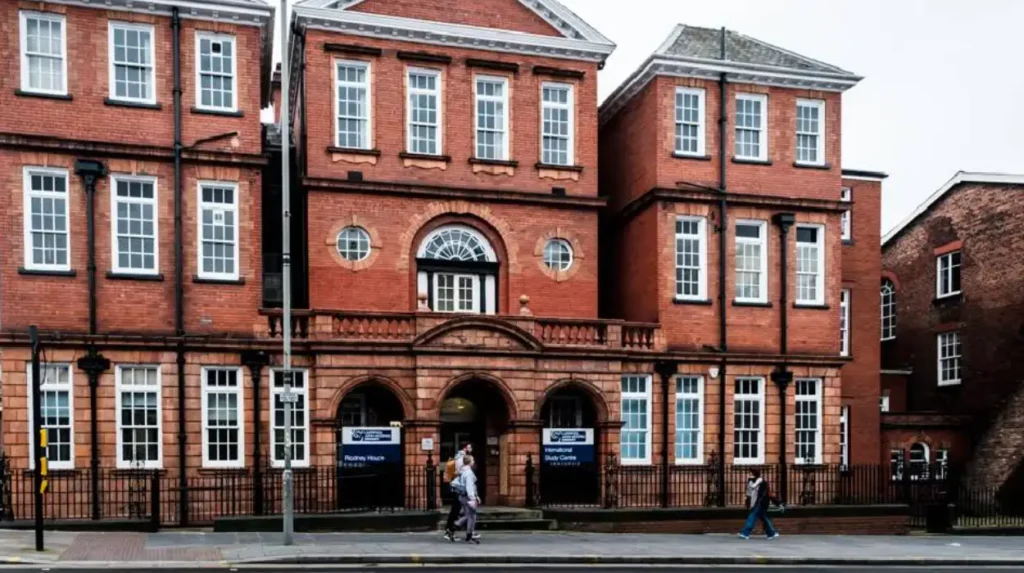
Liverpool remains one of the more affordable major cities in England, offering lower average housing costs, competitive transport expenses, and reasonable everyday living costs while still providing access to large city services, education, healthcare, and cultural attractions.
Housing affordability is one of Liverpool’s strongest advantages. Average house prices remain significantly below those found in London and are generally lower than in several other major English cities. First-time buyers, families, and investors therefore have access to a wider range of property options within realistic budgets.
Rental prices also remain comparatively competitive. City centre apartments command higher monthly rents because of their proximity to offices, universities, restaurants, and entertainment venues. However, many surrounding suburbs provide larger homes at lower monthly costs, giving renters flexibility based on their priorities.
Public transport contributes to affordable daily living. Merseyrail, local buses, cycling routes, and pedestrian-friendly neighbourhoods reduce dependence on private vehicles. Residents who work within Liverpool often avoid significant commuting expenses associated with larger metropolitan regions.
Daily essentials also compare favourably with many UK cities. Supermarkets, local markets, leisure facilities, restaurants, and entertainment venues provide options across different budgets. Students particularly benefit from discounted transport, university services, and relatively lower accommodation costs.
Although affordability remains a major strength, living expenses continue to rise alongside national inflation. Utility bills, food prices, and rental costs have increased in recent years, making personal budgeting important regardless of where someone chooses to live. Liverpool nevertheless continues to offer strong overall value when housing, transport, and lifestyle are considered together.
Is Liverpool a good city for families, students, and professionals?
Liverpool supports families, students, and professionals through diverse housing options, respected universities, expanding employment sectors, quality healthcare, and excellent transport. Each group benefits from different aspects of the city, making Liverpool suitable for a wide range of lifestyles and long-term living plans.
Families benefit from a broad selection of residential neighbourhoods that offer schools, parks, healthcare facilities, supermarkets, and leisure centres within easy reach. Areas such as Allerton, Woolton, Mossley Hill, and Childwall remain popular because they combine green spaces with good transport links and established local communities. Liverpool City Council continues to support housing development and community regeneration across several districts, helping improve local infrastructure and public services.
Students choose Liverpool because it is home to several internationally recognised universities, including the University of Liverpool, Liverpool John Moores University, and Liverpool Hope University. These institutions attract thousands of UK and international students each year. Student accommodation ranges from purpose-built residences to private rentals, while the city’s relatively affordable living costs help reduce financial pressure compared with many other university cities.
Professionals also benefit from Liverpool’s evolving economy. Healthcare, education, financial services, logistics, digital technology, life sciences, tourism, and maritime industries continue to generate employment opportunities. The Knowledge Quarter, Liverpool Waters, Baltic Triangle, and commercial city centre remain important business locations supporting innovation and investment.
Remote working has further increased Liverpool’s appeal. Lower housing costs combined with reliable rail links allow professionals to work for employers across the UK while enjoying a lower cost of living. Direct train services to Manchester, Birmingham, and London also support commuters who travel several times each month rather than daily.
Healthcare access is another advantage for every resident group. Major NHS hospitals, specialist medical centres, GP practices, pharmacies, and community health services are distributed throughout the city. Liverpool also remains an important centre for medical research through partnerships between hospitals and universities.
Overall, Liverpool provides flexibility for different stages of life. Families, students, graduates, retirees, and working professionals all have access to housing, education, healthcare, transport, and recreational opportunities that support long-term residency. Community networks and cultural diversity further strengthen the city’s attractiveness for people relocating from other parts of the United Kingdom and overseas.
Liverpool offers a balanced combination of affordability, cultural heritage, educational opportunities, and strong transport connections that continue to attract new residents from across the United Kingdom and overseas. Compared with many major UK cities, housing remains relatively accessible, while the city’s universities, healthcare services, and expanding business sectors provide long-term opportunities for students, families, and professionals. Population growth recorded in the 2021 Census also reflects Liverpool’s continuing appeal as a place to live and work.
However, relocating to Liverpool also requires realistic expectations. Employment opportunities differ between industries, some neighbourhoods experience higher levels of deprivation and crime than others, and housing demand has increased alongside regeneration. Researching individual areas, budgeting carefully, and matching your lifestyle with the right neighbourhood are essential steps before moving. Liverpool remains an attractive destination because its strengths generally outweigh its challenges for many new residents.
Frequently Asked Questions
Is Liverpool cheaper than London for new residents?
Yes. Liverpool is significantly more affordable than London for housing, rent, transport, and many everyday expenses. Lower property prices and competitive rental costs allow many residents to enjoy a better balance between income and living costs.
Which areas of Liverpool are best for first-time homebuyers?
Popular choices include Huyton, Wavertree, Old Swan, Garston, Kensington, and parts of Bootle, depending on budget and commuting needs. Buyers should compare local amenities, transport links, school performance, and crime statistics before making a decision.
Is Liverpool a good city for university students?
Yes. Liverpool is home to several respected universities, affordable student accommodation, extensive public transport, and a vibrant social scene. The city’s lower living costs compared with many UK university cities also help students manage their budgets.
What is the biggest disadvantage of living in Liverpool?
The main challenges include varying employment opportunities across industries, economic inequality between neighbourhoods, frequent rainfall, and increasing competition for housing in popular areas. These factors differ depending on where you choose to live.
Is Liverpool a good place to raise a family?
Yes. Liverpool offers family-friendly suburbs, parks, schools, healthcare facilities, leisure centres, and reliable public transport. Many neighbourhoods provide larger homes at lower prices than comparable cities, making Liverpool a practical choice for long-term family living.