
Liverpool is one of Britain’s most historically significant cities and one of its most romantic destinations. Its maritime heritage, Victorian architecture, cultural institutions, waterfront landscapes, and historic neighbourhoods create a distinctive setting for couples seeking meaningful experiences. From UNESCO-recognised waterfront heritage to historic parks, cathedrals, music venues, and cultural landmarks, Liverpool offers romantic activities rooted in centuries of history and urban development.
- Why is Liverpool considered one of the most romantic cities in England?
- What makes the Royal Albert Dock a romantic destination for couples?
- Why should couples visit Liverpool’s waterfront and River Mersey?
- How do Liverpool’s cathedrals create romantic experiences for visitors?
- Why is Sefton Park one of Liverpool’s most romantic locations?
- What romantic cultural experiences can couples enjoy in Liverpool?
- How does Liverpool’s Georgian Quarter appeal to couples?
- Why are Liverpool’s gardens and green spaces important for romantic visits?
- How has Liverpool’s history shaped its modern romantic attractions?
- What makes Liverpool an enduring destination for couples?
Whether exploring historic streets, enjoying waterfront sunsets, visiting cultural institutions, or discovering architectural landmarks, couples encounter a city where history and romance intersect. This guide examines the best romantic things to do in Liverpool for couples while placing each experience within its broader historical and cultural context.
Why is Liverpool considered one of the most romantic cities in England?
Liverpool combines historic waterfront scenery, monumental architecture, world-famous cultural heritage, extensive green spaces, and vibrant arts districts. These characteristics create diverse romantic experiences for couples while reflecting more than three centuries of maritime, commercial, and cultural development within one of Britain’s most influential cities.
Liverpool’s romantic appeal originates from its unique historical evolution. During the eighteenth and nineteenth centuries, the city became one of the world’s most important ports. Wealth generated through maritime trade funded the construction of grand civic buildings, public parks, churches, cultural institutions, and waterfront infrastructure.
Today, couples benefit from this historic legacy. The city’s architecture provides visually striking settings for walks and photography. Waterfront districts offer panoramic views across the River Mersey. Historic parks create tranquil spaces away from urban activity. Cultural venues host performances throughout the year.
Liverpool’s compact city centre also allows visitors to experience multiple historic districts within a single day. Couples can move from Georgian streets to Victorian landmarks and modern waterfront developments without extensive travel.
The city’s internationally recognised musical heritage further enhances its romantic atmosphere. Liverpool remains closely associated with the global success of The Beatles, whose influence transformed twentieth-century popular culture and continues attracting visitors from around the world.
What makes the Royal Albert Dock a romantic destination for couples?
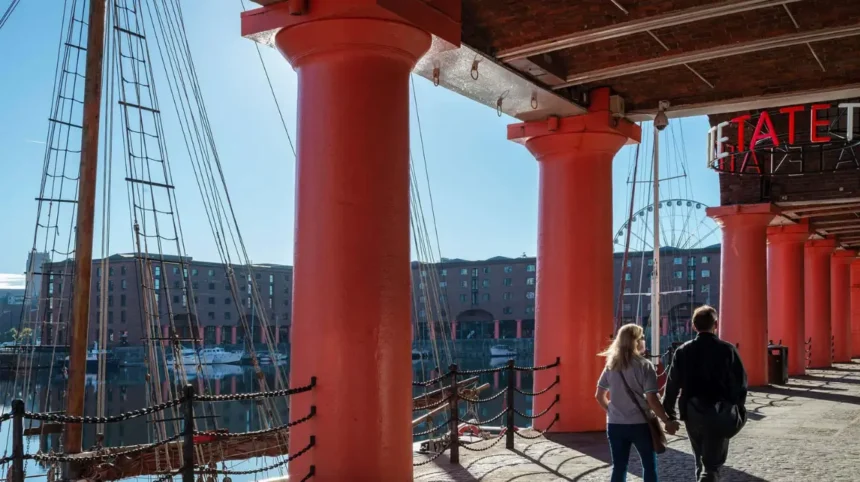
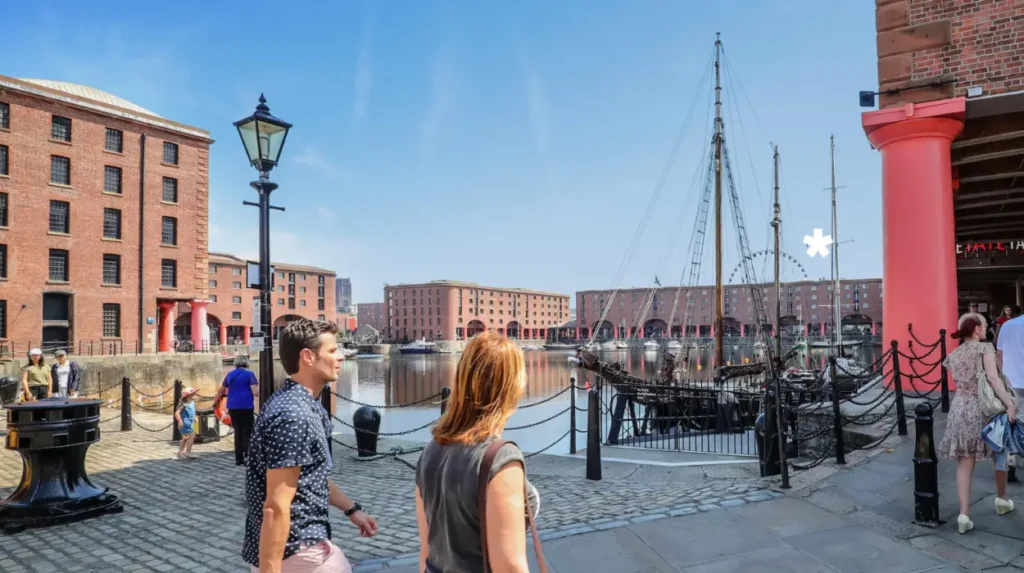
The Royal Albert Dock offers historic waterfront architecture, riverside views, cultural attractions, restaurants, and evening illumination. Its combination of nineteenth-century engineering heritage and contemporary leisure facilities makes it one of Liverpool’s most popular romantic destinations throughout the year.
Completed in 1846, the Royal Albert Dock represented a major innovation in maritime infrastructure. Designed by Jesse Hartley and Philip Hardwick, it became one of the first dock systems in Britain constructed entirely from cast iron, brick, and stone without structural timber.
The historic dock complex now serves as a cultural and leisure district. Couples can stroll along waterside promenades while viewing preserved warehouse architecture that reflects Liverpool’s commercial prominence during the Victorian era.
The changing light conditions throughout the day enhance the experience. Morning visits provide quieter surroundings and architectural detail, while evening visits showcase illuminated buildings reflected across the dock waters.
Several museums and galleries occupy the historic warehouses. These institutions allow couples to combine sightseeing with cultural exploration.
Dining venues overlooking the water further contribute to the area’s appeal. Waterfront restaurants offer views across both the dock basin and the River Mersey, creating an atmosphere that remains popular for anniversaries, engagements, and special occasions.
Why should couples visit Liverpool’s waterfront and River Mersey?
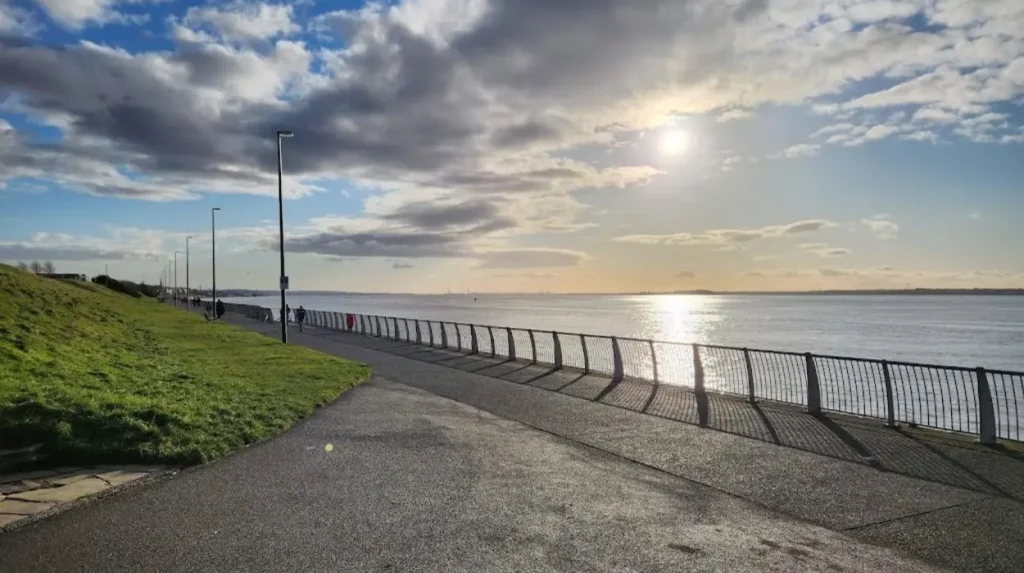
Liverpool’s waterfront provides panoramic river views, historic landmarks, public spaces, and sunset scenery. The River Mersey has shaped the city’s development for centuries and remains one of the most visually impressive locations for couples seeking romantic experiences.
The River Mersey has been central to Liverpool’s identity since the city’s foundation in 1207. Its strategic location enabled maritime trade, naval activity, industrial growth, and international migration.
Today, the waterfront remains among the city’s defining features. Couples can enjoy extensive walking routes connecting major attractions while observing both historic and modern developments.
The internationally recognised Three Graces dominate the waterfront skyline. These architectural landmarks include the Royal Liver Building, Cunard Building, and Port of Liverpool Building. Constructed during the late nineteenth and early twentieth centuries, they symbolise Liverpool’s global maritime influence.
Sunset walks along the waterfront remain especially popular. As daylight fades, reflections across the Mersey create dramatic views of both the city skyline and the Wirral Peninsula.
To experience this historic landmark in person today, consult our comprehensive [How to Plan the Perfect Romantic Day Out in Liverpool] for itineraries and visiting parameters.
River cruises also provide alternative perspectives on Liverpool’s historic architecture and waterfront development. These journeys reveal the scale of the port infrastructure that contributed to Liverpool’s economic prominence.
How do Liverpool’s cathedrals create romantic experiences for visitors?
Liverpool’s Anglican and Metropolitan cathedrals offer remarkable architecture, panoramic viewpoints, historic significance, and peaceful interiors. Together they create some of the city’s most memorable and visually impressive romantic experiences for couples.
Liverpool possesses two major cathedrals located at opposite ends of Hope Street. Their proximity creates one of Britain’s most distinctive architectural relationships.
Liverpool Cathedral, officially known as the Cathedral Church of Christ, was designed by architect Giles Gilbert Scott. Construction began in 1904 and continued for much of the twentieth century.
As Britain’s largest cathedral, it contains vast interior spaces characterised by Gothic Revival architecture. Couples often visit to appreciate the building’s scale, stained-glass windows, and elevated viewing opportunities.
The cathedral tower offers extensive views across Liverpool and the surrounding region. On clear days, visitors can see significant portions of Merseyside and beyond.
The Metropolitan Cathedral of Christ the King provides a striking contrast. Completed in 1967, its modernist design features a circular structure crowned by a distinctive lantern tower.
Together, these cathedrals represent two different architectural eras. Couples walking along Hope Street encounter both historic and contemporary expressions of religious architecture within a single urban corridor.
Why is Sefton Park one of Liverpool’s most romantic locations?
Sefton Park combines Victorian landscape design, lakes, gardens, historic monuments, and extensive green space. Its picturesque environment provides couples with a peaceful retreat while showcasing nineteenth-century approaches to urban planning and public recreation.
Opened in 1872, Sefton Park reflects the Victorian belief that public parks improved urban health and social wellbeing. The park was designed by landscape architect Édouard André and municipal engineer Lewis Hornblower.
Covering approximately 235 acres, the park contains lakes, woodland areas, bridges, and ornamental gardens. These features create diverse settings for leisurely walks throughout the year.
One of the park’s most famous landmarks is the Palm House. This Grade II* listed glasshouse opened in 1896 and remains among Liverpool’s most significant Victorian structures.
The Palm House contains collections of exotic plants from different climatic regions. Couples frequently visit to experience its historic architecture and botanical displays.
Seasonal changes further enhance Sefton Park’s appeal. Spring blossoms, summer greenery, autumn colours, and winter landscapes provide varied experiences across the calendar year.
The park continues to fulfil its original role as a recreational space while preserving important elements of Liverpool’s Victorian heritage.
What romantic cultural experiences can couples enjoy in Liverpool?
Liverpool offers museums, galleries, theatres, music venues, and heritage attractions that combine education with entertainment. These cultural experiences allow couples to explore the city’s artistic and historical significance while sharing memorable activities together.
Liverpool’s cultural landscape reflects centuries of international exchange, migration, and artistic innovation.
The city’s museums preserve collections relating to maritime history, archaeology, social history, and global cultures. These institutions provide opportunities for couples interested in learning about Liverpool’s historical development.
Art galleries showcase works spanning multiple centuries and artistic movements. Collections include paintings, sculptures, decorative arts, and contemporary installations.
The city’s theatre scene contributes another dimension to romantic outings. Historic venues continue hosting performances ranging from classical productions to contemporary works.
Music remains particularly important within Liverpool’s cultural identity. The city’s association with The Beatles transformed it into a destination for music enthusiasts worldwide.
Historic venues connected to Liverpool’s music history continue attracting visitors. Couples frequently explore these locations to understand how local musicians influenced global popular culture.
Together, these cultural institutions create opportunities for meaningful shared experiences while deepening understanding of Liverpool’s heritage.
How does Liverpool’s Georgian Quarter appeal to couples?
The Georgian Quarter features historic streets, preserved townhouses, cultural venues, and architectural continuity. Its elegant urban landscape provides one of Liverpool’s most atmospheric settings for romantic walks and heritage exploration.
Liverpool’s Georgian Quarter developed primarily during the late eighteenth and early nineteenth centuries. This period coincided with substantial commercial growth and population expansion.
The district contains numerous examples of Georgian architecture characterised by symmetry, proportion, and classical influences.
Many streets retain their original urban form. Couples exploring the area encounter historic terraces, churches, civic buildings, and public squares that illustrate Liverpool’s transformation into a major commercial centre.
Hope Street serves as the district’s principal thoroughfare. Connecting Liverpool’s two cathedrals, it remains one of the city’s most architecturally significant streets.
The area’s relatively quiet atmosphere distinguishes it from busier commercial districts. This environment supports leisurely exploration and appreciation of architectural details.
Preservation efforts have ensured the survival of many historic structures, allowing visitors to experience an urban landscape that closely reflects its nineteenth-century appearance.
Why are Liverpool’s gardens and green spaces important for romantic visits?
Liverpool’s gardens and green spaces provide natural beauty, historic landscapes, recreational opportunities, and environmental diversity. These locations offer couples peaceful environments while preserving important examples of landscape architecture and urban planning.
Public parks played an important role in Liverpool’s nineteenth-century development. Municipal authorities invested heavily in green spaces as the city’s population expanded.
In addition to Sefton Park, Liverpool contains several historic parks and gardens that contribute to its urban character.
Examples include Princes Park, Calderstones Park, and Otterspool Promenade. These locations demonstrate different approaches to landscape design and public recreation.
Princes Park, opened in 1842, was designed by Joseph Paxton. Its creation influenced later park developments throughout Britain.
Calderstones Park contains ancient archaeological features alongside modern recreational facilities. The site demonstrates how historic landscapes can adapt to contemporary use.
For couples, these green spaces provide opportunities to enjoy nature while engaging with elements of Liverpool’s environmental and cultural heritage.
How has Liverpool’s history shaped its modern romantic attractions?
Liverpool’s modern romantic destinations emerged directly from centuries of maritime commerce, urban development, cultural innovation, and heritage preservation. Historical investments in architecture, infrastructure, and public spaces continue defining the experiences enjoyed by couples today.
The city’s evolution from a medieval settlement into a global port generated lasting physical and cultural legacies.
Commercial prosperity funded landmark construction projects, including civic buildings, churches, docks, museums, and parks. These investments created many of the attractions now associated with Liverpool’s tourism industry.
Heritage conservation has preserved significant portions of the historic urban environment. As a result, couples can experience authentic architectural settings rather than reconstructed approximations.
Liverpool’s cultural influence further strengthened its appeal. Music, literature, visual arts, and sporting traditions contributed to a distinct civic identity recognised internationally.
Modern tourism initiatives have integrated historic preservation with contemporary visitor facilities. This approach ensures accessibility while maintaining historical integrity.
The result is a city where romantic experiences are inseparable from the historical processes that shaped Liverpool over several centuries.
What makes Liverpool an enduring destination for couples?
Liverpool offers a rare combination of historic authenticity, architectural distinction, cultural significance, waterfront scenery, and accessible attractions. These characteristics ensure its continued appeal as one of Britain’s most rewarding destinations for couples seeking meaningful shared experiences.
The city’s strengths extend beyond individual landmarks. Liverpool presents a cohesive historical landscape where architecture, culture, and public spaces interact within a compact urban environment.
Couples benefit from the diversity of experiences available. Waterfront walks, cathedral visits, historic neighbourhood exploration, museum visits, theatre performances, and park excursions can all occur within a relatively small geographical area.
The preservation of Victorian, Georgian, Edwardian, and modern heritage assets ensures that visitors encounter multiple layers of British history during their stay.
Liverpool’s continuing investment in cultural institutions and heritage conservation strengthens its long-term relevance as a tourism destination.
For couples seeking romance grounded in authentic historical environments, Liverpool remains one of England’s most compelling cities. Its blend of heritage, culture, architecture, and scenic beauty provides enduring opportunities for meaningful exploration and shared memories.
What are the most romantic things to do in Liverpool for couples?
The most romantic activities in Liverpool include walking along the Royal Albert Dock, enjoying sunset views over the River Mersey, exploring the Georgian Quarter, visiting Liverpool Cathedral, relaxing in Sefton Park, and dining at waterfront restaurants overlooking the historic docks.