
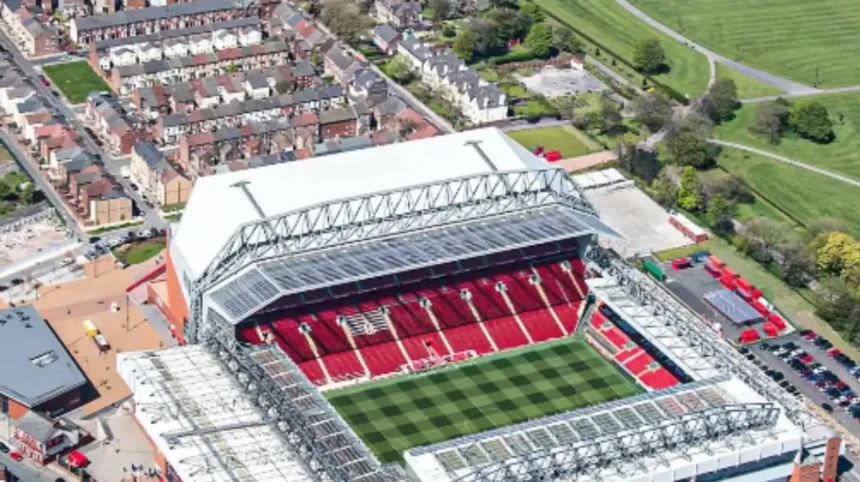
An optimal morning itinerary at Anfield Stadium begins at 09:00 AM to maximize access before large visitor crowds arrive. Visitors who secure early tickets gain clear access to the Liverpool Football Club Museum, the expanded Main Stand, and the home dressing rooms. The standard self-guided audio tour costs £24.00 for adults, £14.00 for children under sixteen, and £18.00 for students or senior citizens. The self-guided audio devices allow visitors to navigate key stadium areas at a personalized pace.
- How do you travel efficiently from Anfield to Liverpool City Centre?
- What are the must-see UNESCO maritime waterfront attractions in Liverpool?
- Where should you eat lunch and sample authentic Scouse street food?
- How do you explore Liverpool’s iconic music and Beatles history in one afternoon?
- What are the top late-afternoon architecture and culture spots in Liverpool?
- How should you end your evening in Liverpool City Centre?
- Frequently Asked Questions
- Can you complete both an Anfield tour and city center sightseeing in one day?
- How much does it cost to travel from Anfield to Liverpool City Centre?
- Do you need to pre-book tickets for the Anfield Stadium tour?
- What is the best way to see Beatles historic sites in a short time?
- Is Liverpool a walkable city for a one-day trip?
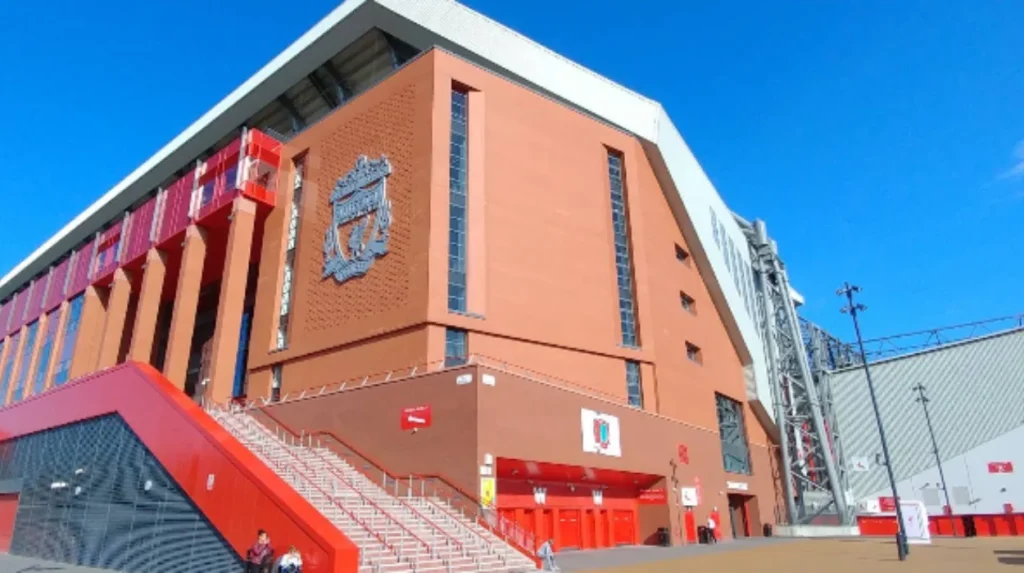
The tour starts at the Main Stand reception area, leading up to upper levels that overlook the city skyline. Guests then proceed through the player tunnel beneath the iconic “This Is Anfield” sign. The itinerary includes access to the home team dressing room, away team dressing room, press conference room, and pitchside dugout benches. Early booking guarantees entry into the Liverpool Football Club Museum, where visitors view all six European Cup trophies and the comprehensive Steven Gerrard Collection.
Visiting during a non-matchday guarantees full venue access, as matchday operations close off the dressing rooms and tunnel area four hours prior to kick-off. Completing the stadium walk-through requires approximately seventy-five minutes. Spending forty-five minutes inside the museum ensures sufficient time to view video archives and historic match kits. Morning visits allow travelers to finish stadium activities by 11:45 AM, keeping the rest of the afternoon completely free for exploring central Liverpool.
How do you travel efficiently from Anfield to Liverpool City Centre?
The most efficient travel method between Anfield and Liverpool City Centre is the Arriva Stagecoach bus network or a direct taxi transfer. Anfield sits exactly 2.5 miles northeast of the city center. Driving a personal vehicle is discouraged due to strict residential parking permit zones surrounding the stadium grounds. Public buses provide continuous transport, taking approximately fifteen to twenty minutes depending on traffic flow.
The Arriva Bus Service 17 operates directly from the Walton Lane bus stops outside the stadium to Queen Square Bus Station. Buses depart every ten minutes throughout the day. A single adult bus ticket costs £2.00, payable via contactless card directly to the driver. Alternative options include line 26 from the Anfield Road stop, which travels straight to the Liverpool ONE bus station.
Hackney carriages and ride-hailing services like Uber operate dedicated pickup pickup points along Walton Breck Road. A private taxi trip to the city center costs between £8.00 and £12.00 and takes around twelve minutes. Walking from Anfield to Lime Street Station takes approximately forty-five minutes along Everton Valley, though it involves steep incline sections. Taking the Arriva 17 bus to Queen Square remains the fastest, most reliable choice for dynamic day itineraries.
What are the must-see UNESCO maritime waterfront attractions in Liverpool?
Liverpool’s maritime waterfront features world-class heritage, highlighted by the Royal Albert Dock, the Pier Head, and the Three Graces buildings. The Royal Albert Dock opened in 1846 as a Grade I listed complex of cast iron, brick, and stone warehouses. Today, it hosts major cultural institutions, independent restaurants, and historical displays. The Pier Head forms the architectural face of the waterfront, framed by three landmark civic structures.
The Royal Liver Building stands 322 feet tall, featuring two iconic copper Liver Bird statues perched on its clock towers. Built in 1911 as the headquarters of the Royal Liver Assurance society, it was one of the earliest multi-story reinforced concrete buildings constructed in the world. Next to it stands the Cunard Building, constructed in 1916 in the style of an Italian palace, and the Port of Liverpool Building, completed in 1907 with its grand baroque central dome.
The Maritime Museum at Royal Albert Dock presents three floors detailing Liverpool’s global shipping network, the city’s role in the transatlantic trade, and authentic artifacts from the RMS Titanic. Adjoining the docks is the Museum of Liverpool, housed in an ultra-modern striking vessel structure. Entry to both the Maritime Museum and the Museum of Liverpool is completely free. Exploring the entire waterfront promenade requires approximately two hours.
Where should you eat lunch and sample authentic Scouse street food?
An authentic lunch experience in central Liverpool combines traditional regional stews with modern culinary dining halls. Scouse is a traditional local stew consisting of slow-cooked beef or lamb, potatoes, carrots, onions, and root vegetables, historically consumed by northern European sailors. It is traditionally served alongside pickled red cabbage and crusty white bread.
Traditional pubs like The Baltic Fleet on Wapping or Ma Egerton’s near Lime Street Station serve classic, high-rated versions of Scouse. For broader food selections, the Baltic Market located in the Cains Brewery Village offers a vibrant street food hall format. It features independent food vendors serving Neapolitan pizzas, Korean fried chicken, artisan halloumi fries, and vegan fast food.
Another great option is the Duke Street Food & Drink Market, located inside a restored 100-year-old warehouse. It hosts six distinct kitchens alongside a central coffee bar. Visitors can enjoy fresh seafood, specialty tacos, roasted coffee, and craft beers. Allocating forty-five to sixty minutes for lunch provides a comfortable break before an afternoon of sightseeing.
How do you explore Liverpool’s iconic music and Beatles history in one afternoon?
Liverpool’s global music heritage centers on Matthew Street and the historic Cavern Quarter district. The Cavern Club opened at 10 Mathew Street in January 1957 as a jazz venue before becoming the hub of the 1960s Merseybeat music movement. The Beatles played their first live performance at the venue on February 9, 1961, going on to make 292 total appearances on its stage through August 1963.
Visitors can descend into the brick-vaulted cellar of the Cavern Club to watch live acoustic musicians perform daily from 11:00 AM onward. Directly across from the entrance stands the bronze statue of John Lennon leaning against the brick facade, along with the Wall of Fame listing every artist who has performed at the venue.
For a deeper look into the band’s history, head to The Beatles Story museum at the Royal Albert Dock. The exhibition features immersive, full-scale recreations of the Casbah Coffee Club, Abbey Road Studios, and the Yellow Submarine. Standard adult admission tickets cost £19.00. Completing a full walk through the Beatles Quarter and museum exhibition takes about ninety minutes.
What are the top late-afternoon architecture and culture spots in Liverpool?
Liverpool features more listed historic buildings than any UK city outside of London, highlighted by its two contrasting cathedrals. The Liverpool Metropolitan Cathedral of Christ the King serves as the seat of the Roman Catholic Archbishop. Built between 1962 and 1967, it features a unique circular design, dramatic modern stained glass, and a striking concrete cone structure visible across the city.
Hope Street connects the Catholic Cathedral directly to the Anglican Liverpool Cathedral at the opposite end. The Liverpool Cathedral is the largest Anglican cathedral in Europe and the fifth largest in the world. Designed by Sir Giles Gilbert Scott, construction stretched from 1904 to 1978. It features the highest Gothic arches in the world, reaching 116 feet, along with the UK’s largest operational pipe organ.
Near the cathedrals sits St George’s Hall on Plateau Street, constructed between 1841 and 1854. This Neoclassical landmark houses historic concert halls and law courts, recognized for its massive Corinthian columns. Visitors can walk the full length of Hope Street in twenty minutes, enjoying views of classic Georgian townhouses along the way.
How should you end your evening in Liverpool City Centre?
A evening in Liverpool centers on fine local dining, theater, and historic heritage pubs. Bold Street and the Ropewalks district offer a great density of independent restaurants, wine bars, and craft beer spots. The area features diverse dining choices, including Indian street food at Mowgli, Spanish tapas at Salt House Tapas, and modern British seafood dining.
After dinner, visit the Philharmonic Dining Rooms on Hope Street, affectionately known as “The Phil.” Built between 1898 and 1900, this Grade I listed Victorian pub is famous for its elaborate stone carvings, stained glass windows, wrought-iron gates, and polished mahogany wood finishes.
For late-evening entertainment, catch a concert at the Royal Liverpool Philharmonic Hall or enjoy a theatrical show at the Everyman Theatre. Craft beer enthusiasts can explore independent taprooms along the Baltic Triangle district. Finishing the night near the illuminated docks brings a memorable day in Liverpool to a perfect close.
Frequently Asked Questions
Can you complete both an Anfield tour and city center sightseeing in one day?
Yes, you can easily complete both activities in a single day with a structured schedule. Booking an early 09:00 AM Anfield tour allows you to finish stadium activities by 11:30 AM. Frequent public buses take just fifteen minutes to bring you straight into the city center for an afternoon of sightseeing.
How much does it cost to travel from Anfield to Liverpool City Centre?
Taking the local public bus is the most affordable transport option, costing £2.00 for a single adult fare. Route 17 buses run every ten minutes directly from the stadium grounds to Queen Square station. Alternatively, a private taxi ride takes twelve minutes and costs between £8.00 and £12.00.
Do you need to pre-book tickets for the Anfield Stadium tour?
Pre-booking tickets online is strongly recommended to secure your preferred entry time slot and avoid long queues. Advance booking guarantees entry to both the stadium tour and the Liverpool FC Museum. Matchday tours have limited availability and often sell out weeks ahead of time.
What is the best way to see Beatles historic sites in a short time?
The most efficient route combines visiting Mathew Street with a tour of The Beatles Story museum at Royal Albert Dock. This walk lets you experience the famous Cavern Club, see the John Lennon statue, and view historic memorabilia all within two hours.
Is Liverpool a walkable city for a one-day trip?
Liverpool city center is exceptionally compact, flat, and walkable for travelers. Major attractions like the Royal Albert Dock, the Cavern Quarter, and the Ropewalks district are all within a 15-minute walk of each other. Public transport is only needed when traveling to outer locations like Anfield Stadium.