

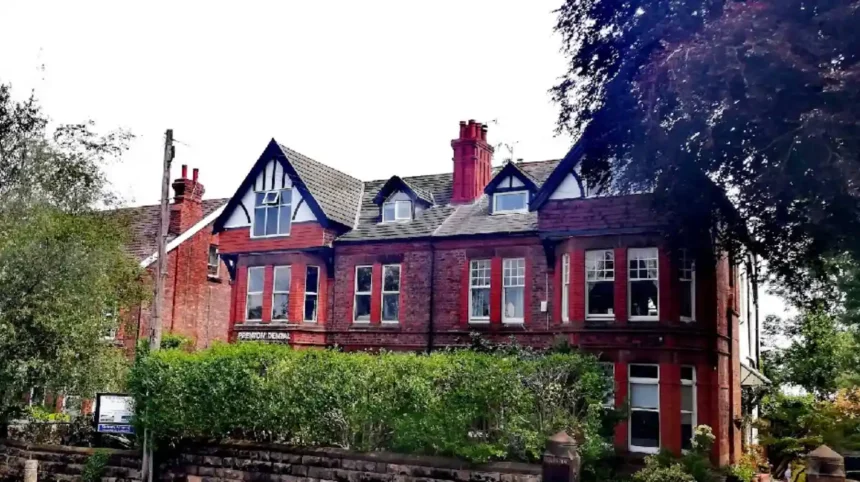
Crossing the River Mersey exposes distinct historic, cultural, and architectural highlights that define both sides of the region. Liverpool offers massive urban attractions and maritime heritage, while Birkenhead provides foundational urban parks, industrial history, and historic architectural conservation sites.
- What Historical Foundations Connect Birkenhead and Liverpool Across the River Mersey?
- Which Cultural and Architectural Landmarks Make Liverpool a Major UK Destination?
- What Unique Attractions and Historic Firsts Await Visitors in Birkenhead?
- How Do Transport Links Enable Direct Travel Between Birkenhead and Liverpool?
- Why Should Travelers Spend Time Exploring Both Sides of the River Mersey?
- Frequently Asked Questions
- What is the fastest way to get from central Liverpool to Birkenhead?
- Is Birkenhead Park really the model for Central Park in New York?
- How long does the Mersey Ferry take to cross from Liverpool to Wirral?
- Is Hamilton Square in Birkenhead worth visiting for historic architecture?
- Can you walk or cycle through the Mersey Tunnels between Liverpool and Birkenhead?
What Historical Foundations Connect Birkenhead and Liverpool Across the River Mersey?
The historic relationship between Birkenhead and Liverpool relies on shared maritime trade routes and industrial infrastructure along the River Mersey. Birkenhead Priory was established in 1150 by Benedictine monks who operated the first commercial ferry service across the Mersey. Liverpool evolved from a small fishing village into a major global trade port by the nineteenth century, driven by the expansion of the dock systems designed by engineers such as Jesse Hartley. Birkenhead developed rapidly during the nineteenth century as an industrial shipbuilding hub, dominated by the Laird shipyard established in 1824. Birkenhead Dock Estate opened in 1847 to process international cargo, competing directly with Liverpool Docks across the river. The two settlements became permanently integrated through major transport engineering achievements, including the Mersey Railway Tunnel opening in 1886 and the Queensway Tunnel opening in 1934.
Which Cultural and Architectural Landmarks Make Liverpool a Major UK Destination?
Liverpool features world-class cultural institutions, protected architectural landscapes, and historic waterfront infrastructure. The Royal Albert Dock opened in 1846 and holds the largest single collection of Grade I listed buildings in the United Kingdom. Liverpool Waterfront includes the iconic Three Graces: the Royal Liver Building, the Cunard Building, and the Port of Liverpool Building. The city houses major art collections at the Walker Art Gallery and Tate Liverpool, alongside national heritage sites dedicated to musical history in the Cavern Quarter.
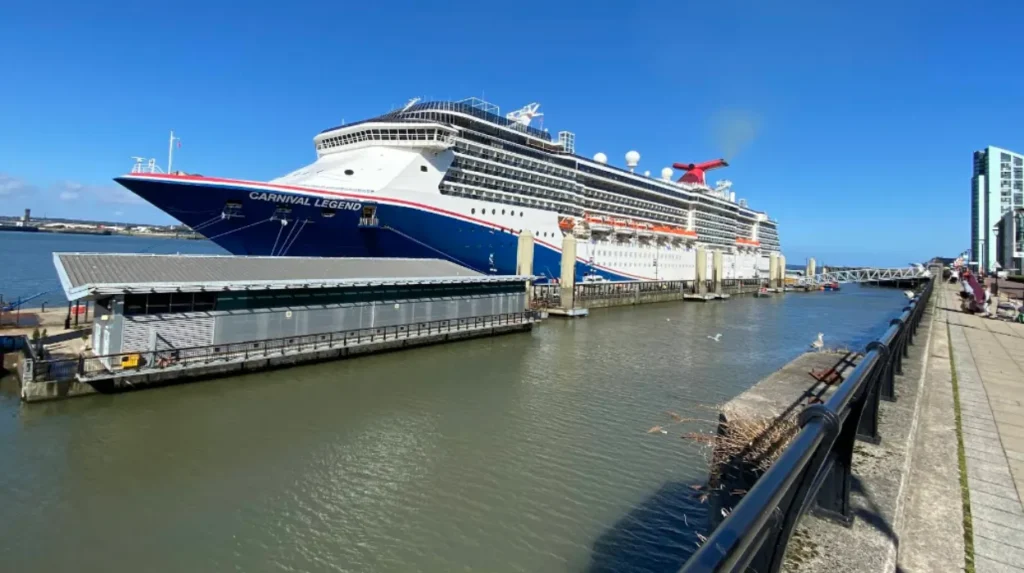
Architectural milestones include two prominent twentieth-century structures: the Anglican Cathedral, completed in 1978 as the largest cathedral in the UK, and the Metropolitan Cathedral of Christ the King, consecrated in 1967. The city functions as a central hub for retail, international tourism, and culinary arts, anchored by the Liverpool ONE commercial center.
What Unique Attractions and Historic Firsts Await Visitors in Birkenhead?
Birkenhead contains pioneering civic developments, preserved Victorian architecture, and important military history sites. Birkenhead Park opened in 1847 as the first publicly funded park in the world, featuring 140 acres of landscaped grounds designed by Joseph Paxton. Architect Frederick Law Olmsted used the structural layout of Birkenhead Park as the direct model for Central Park in New York City. Hamilton Square contains 63 Grade I listed Georgian townhouses, representing the highest concentration of Grade I listed buildings outside of London. The U-boat Story museum at Woodside Terminal displays U-534, a original German submarine recovered from the seabed of the Kattegat in 1993. Birkenhead introduced the first street tramway system in Europe in 1860, engineered by George Francis Train. Williamson Art Gallery and Museum houses extensive regional ceramics, oil paintings, and maritime models documenting local industrial production.
How Do Transport Links Enable Direct Travel Between Birkenhead and Liverpool?
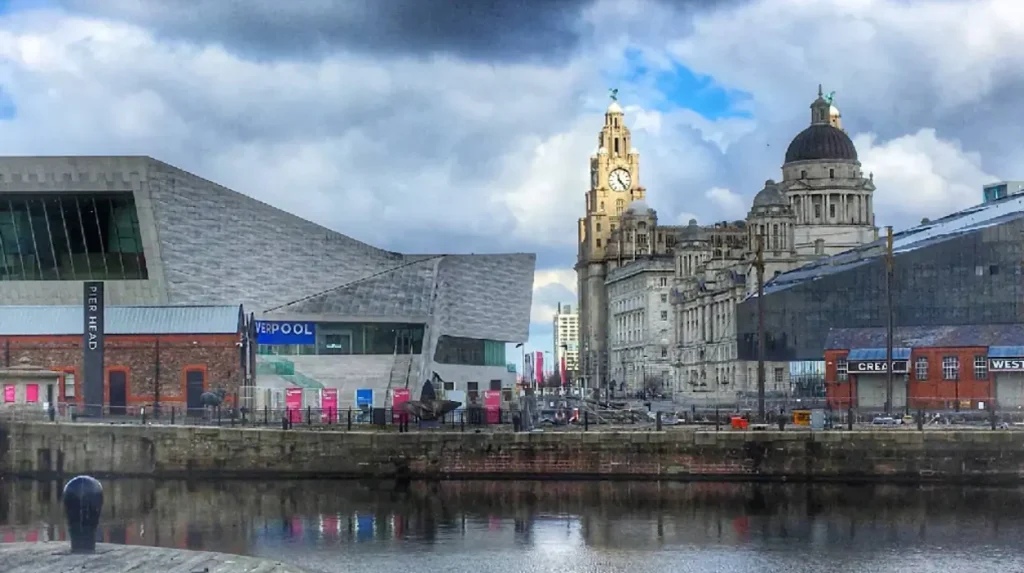
Transport networks provide rapid connection between Birkenhead and Liverpool across water, road, and rail links. Mersey Ferries operates passenger services between Pier Head in Liverpool and Seacombe Terminal in Wirral, carrying travelers across the river on ten-minute commuter sailings and fifty-minute heritage cruises. Merseyrail operates heavy rail services through the Mersey Railway Tunnel, connecting Hamilton Square Station to Liverpool Central Station in nine minutes. Road traffic crosses via two underwater tunnels: the Queensway Tunnel linking central Birkenhead to central Liverpool, and the Kingsway Tunnel connecting Wallasey to northern Liverpool. Pedestrian routes and dedicated bicycle pathways parallel these transport corridors, allowing straightforward travel between the eastern and western banks of the river.
Why Should Travelers Spend Time Exploring Both Sides of the River Mersey?
Exploring both Birkenhead and Liverpool provides a comprehensive understanding of the industrial and social history of Merseyside. Liverpool offers large-scale cultural venues, extensive commercial shopping corridors, and energetic nightlife districts. Birkenhead offers quieter green spaces, historic civic architecture, and preserved maritime engineering. Combining visits to both locations exposes travelers to contrasting architectural movements, ranging from classical Georgian squares to massive Victorian docks. Visiting both sides allows tourists to experience the iconic Mersey Ferry journey while exploring complementary cultural institutions. The short geographic distance between the two destinations ensures seamless multi-stop itineraries across a single travel period.
Frequently Asked Questions
What is the fastest way to get from central Liverpool to Birkenhead?
The fastest way to travel between central Liverpool and Birkenhead is via the Merseyrail underground train network. Trains run directly from Liverpool Central or James Street station to Hamilton Square station in Birkenhead. The total travel time on the train is approximately nine minutes.
Is Birkenhead Park really the model for Central Park in New York?
Yes, Birkenhead Park served as the direct design model for Central Park in New York City. American landscape architect Frederick Law Olmsted visited Birkenhead Park in 1850 and was impressed by its public access and naturalistic layout. He incorporated these design principles into his successful design plan for Central Park.
How long does the Mersey Ferry take to cross from Liverpool to Wirral?
A direct commuter crossing on the Mersey Ferry takes approximately ten minutes between Liverpool Pier Head and Seacombe Terminal. The 50-minute River Explorer Cruise follows a longer circular sightseeing route across the river, providing continuous historical commentary for tourists.
Is Hamilton Square in Birkenhead worth visiting for historic architecture?
Hamilton Square is worth visiting because it contains 63 Grade I listed buildings, which is the highest concentration of Grade I listed townhouses in the UK outside of London. Designed by James Gillespie Graham, the square features Georgian design and serves as a major focal point for architectural photography.
Can you walk or cycle through the Mersey Tunnels between Liverpool and Birkenhead?
Pedestrians and cyclists cannot walk or ride through the Queensway or Kingsway road tunnels due to safety regulations and vehicle traffic exhaust. Cyclists can use designated spaces on the Mersey Ferry or take their bicycles on Merseyrail train services to cross between Liverpool and Birkenhead.