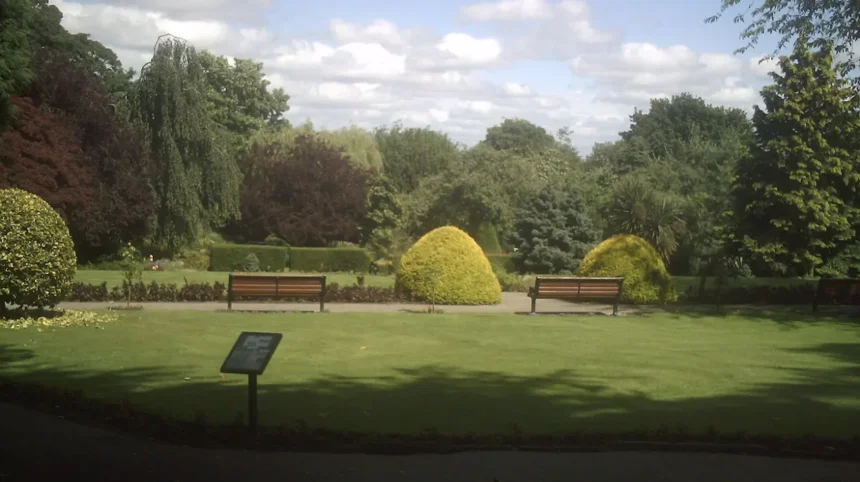
Woolton Woods and Camp Hill represent a 30-hectare public green space located in the suburban district of Woolton in South Liverpool, England. Managed by Liverpool City Council, this municipal park features ancient woodland, formal horticultural gardens, elevated topographical viewpoints, and preserved archaeological terrain. The geographical site serves as a vital ecological corridor, supporting diverse flora, fauna, and local biodiversity while providing urban residents with passive recreational infrastructure. Understanding the physical layout, historical heritage, and environmental characteristics of this urban woodland offers visitors a comprehensive perspective on one of Merseyside’s significant natural assets.
- What Is the History and Historical Significance of Woolton Woods?
- What Are the Best Walking Routes Through Woolton Woods and Camp Hill?
- What Panoramic Views Can Visitors See From Camp Hill Summit?
- What Are the Hidden Corners and Gardens Within Woolton Woods?
- How Can Visitors Access Woolton Woods and What Amenities Are Available?
- What Wildlife and Natural Habitats Exist in Woolton Woods?
- Frequently Asked Questions
What Is the History and Historical Significance of Woolton Woods?
Woolton Woods was originally part of the private estate attached to Woolton Hall during the eighteenth century before being acquired by Liverpool Corporation in 1920 for public parkland conversion. The area known as Camp Hill contains an ancient Iron Age fort site situated at its summit.
The historical development of Woolton Woods spans over two millennia of human activity in Merseyside. Archaeological assessments identify Camp Hill as the site of a pre-Roman Iron Age encampment, positioned strategically on elevated sandstone ground to monitor movement along the River Mersey. During the late eighteenth century, the land became part of the private country estate of Woolton Hall, held by prominent Liverpool merchant families including the Ashton family. Private ownership established the initial timber plantations, boundary walls, and formal carriage paths across the woodland terrain.
In the nineteenth century, industrialist ownership transitioned to the Holbrook Gaskell family and later Colonel James Reynolds, who developed additional ornamental gardens and structural features. In 1920, Liverpool Corporation purchased thirty hectares of the estate to establish a public park to address urban growth demands in South Liverpool. The municipal authorities transformed the private estate into public grounds, opening accessible pathways while preserving mature oak, beech, and pine trees. This public acquisition prevented urban sprawl from engulfing the historic woodland, securing its status as a designated conservation site and public heritage asset for the city of Liverpool.
What Are the Best Walking Routes Through Woolton Woods and Camp Hill?
The best walking routes include the Allerton Country Walk perimeter loop, the Camp Hill summit trail, and the Walled Garden leisure pathway. These routes cover varied terrain, offering accessible paved options alongside unpaved natural woodland trails.
Woolton Woods Walking Routes Overview
├── Allerton Country Walk Loop (7 km / 9.5 km total)
│   ├── Connects Woolton Woods to Calderstones & Allerton Manor
│   └── Terrain: Gravel paths, tarmac, gentle slopes
├── Camp Hill Summit Climb (1.5 km circular)
│   ├── Escalates to highest vantage point in South Liverpool
│   └── Features: Iron Age fort site, panoramic estuary views
└── Walled Garden & Sunken Garden Stroll (1 km leisure loop)
    ├── Paved, fully accessible level ground
    └── Highlights: Floral clock, Dutch meditation garden, ornamental beds
Navigation through Woolton Woods offers multiple interconnected footpaths designed for diverse fitness levels and recreational purposes. The primary route is the Camp Hill circular path, which begins near the School Lane entrance and ascends steadily toward the high ridge. This path covers approximately 1.5 kilometers and features a moderate gradient over compact gravel and earth paths. Hikers reaching the crest encounter open grassland, bench seating, and clear sightlines across the surrounding landscape.
For longer excursions, the park forms a core segment of the 7-mile Allerton Country Walk, an established waymarked route linking several green spaces in South Liverpool. This circular trail enters Woolton Woods via the Northern boundary, passes through the central tree canopy, and exits toward Allerton Manor Golf Course and Reynolds Park. Walkers navigating this route encounter mixed terrain comprising tarmac footpaths, exposed tree roots, and sandstone steps. Accessibility features near the main entrances ensure wheelchair users and families with pushchairs can easily access the lower garden sections.
What Panoramic Views Can Visitors See From Camp Hill Summit?
Visitors standing at the Camp Hill summit can view the River Mersey, the Welsh mountains, Moel Famau, and the urban skyline of Liverpool. The elevated position of 60 meters above sea level provides unhindered vistas across the Cheshire Plain.
The geography of Camp Hill makes it one of the highest geographical points in the Liverpool metropolitan area. Positioned over 60 meters above sea level, the ridge offers unobstructed south-westerly vistas spanning Merseyside, Cheshire, and North Wales. On clear days, visitors can identify distinct geological landmarks, including the Clwydian Range mountain chain, with Moel Famau standing out on the horizon. The open grasslands at the summit allow 180-degree visual coverage of the lower Mersey basin.
In addition to natural landscapes, the vantage point provides clear views of industrial and civil infrastructure along the Mersey estuary. Observers can track commercial shipping traffic along the river channels and view aircraft approaching Liverpool John Lennon Airport located to the south. The vantage point also presents views of Halton, the Silver Jubilee Bridge, and the Mersey Gateway structure. Sunrise and sunset periods attract photographers to this elevated crest, where natural light illuminates the surrounding countryside and urban boundaries.
What Are the Hidden Corners and Gardens Within Woolton Woods?
The primary hidden features include the historic Walled Garden, the Dutch Sunken Garden of Meditation, and the iconic Floral Clock. These quiet spaces feature formal hedge borders, stone masonry, ornamental plants, and secluded seating areas.
Beyond its open paths, Woolton Woods contains several enclosed horticultural environments built during the twentieth century. The Walled Garden stands as a central feature, enclosed by historic red brick and sandstone walls that create a sheltered microclimate. Inside, maintained flowerbeds display perennial plants, shrubberies, and climbing flora. The structure isolates visitors from surrounding suburban noise, creating a quiet space designed for botanical appreciation and quiet relaxation within the public park boundaries.
Adjacent to the Walled Garden lies the Dutch Sunken Garden of Meditation, constructed in 1928. Designed with recessed stone terraces, formal geometry, and central pathways, this secluded corner offers a peaceful sanctuary. Nearby, visitors can see the Floral Clock, installed in 1936 to commemorate the King George V Jubilee. Powered by an underground mechanical system, the clock face is planted annually with colorful carpet bedding plants. These sheltered gardens highlight the park’s historical garden architecture and ongoing municipal maintenance efforts.
How Can Visitors Access Woolton Woods and What Amenities Are Available?
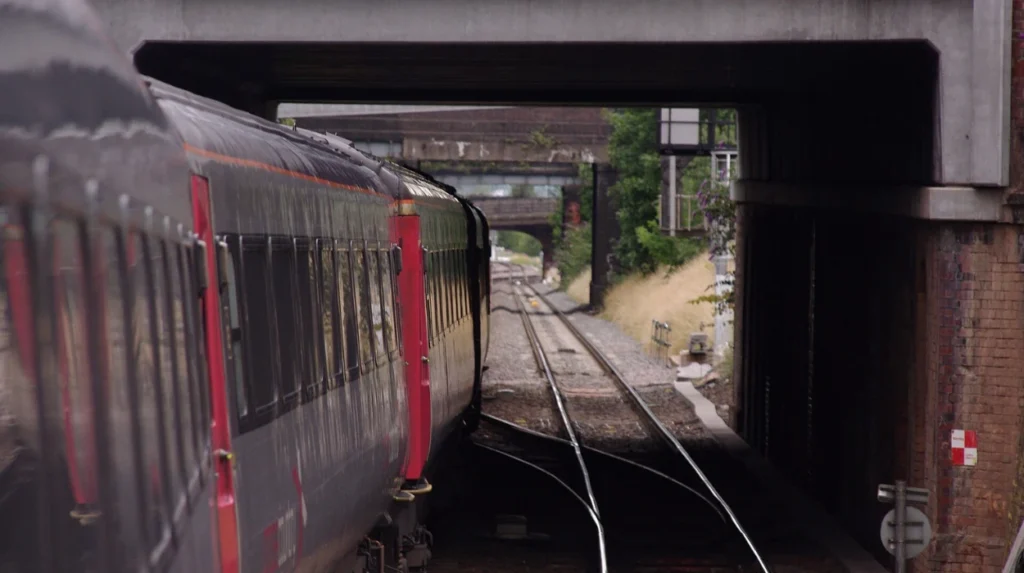
Visitors can access Woolton Woods via public bus routes, nearby Merseyrail train stations, or localized road access points along High Street and School Lane. Amenities include public footpaths, benches, waste bins, and adjacent village parking options. Access to Woolton Woods is straightforward due to its location near Woolton Village in South Liverpool. Arriving by public transit is convenient, with several Merseytravel bus routes operating along High Street, Woolton Road, and Menlove Avenue. Bus services 75, 78, and 86 offer direct connections between Liverpool City Centre and the park perimeter. For rail travelers, Hunts Cross Station and Mossley Hill Station are the closest Merseyrail stops, located approximately two kilometers from the park gates.
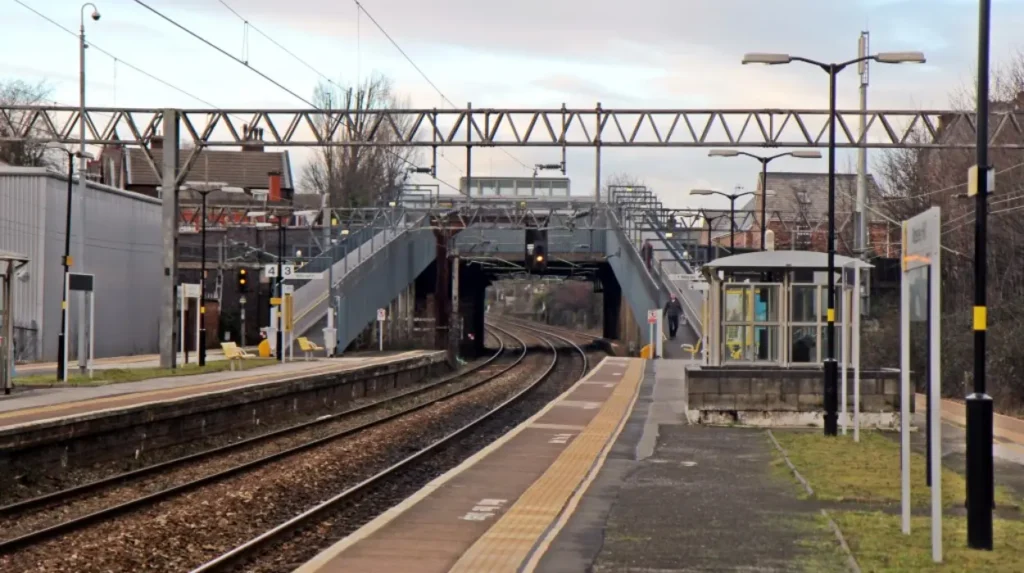
Pedestrian access points are located around the perimeter, with main entrances situated on School Lane, High Street, and Woolton Hill Road. While the park does not have a dedicated visitor parking lot, on-street parking is available along adjacent residential roads and within public car parks in Woolton Village. On-site facilities focus on passive outdoor recreation, offering public benches, litter receptacles, waymarking signs, and paved pathways. Visitors seeking restrooms, cafes, or retail services can find numerous independent shops, pubs, and restaurants a short walk away in historic Woolton Village.
What Wildlife and Natural Habitats Exist in Woolton Woods?
Woolton Woods contains broadleaf woodland, open grassland meadows, structured hedgerows, and deadwood habitats. These ecosystems support diverse wildlife, including songbirds, grey squirrels, small mammals, pollinators, and specialized wood-boring insect populations.
The environmental structure of Woolton Woods provides essential habitats for urban wildlife in Merseyside. The canopy primarily consists of mature broadleaf tree species, such as English oak, European beech, sycamore, and sweet chestnut. Underneath the canopy, the forest floor supports seasonal ground flora, including bluebells, wild garlic, and native ferns. These vegetative layers offer nesting sites, cover, and food sources for resident bird species, including great spotted woodpeckers, tawny owls, Eurasian nuthatches, and song thrushes.
Open grassland meadows surrounding Camp Hill provide vital habitat for invertebrate species, butterflies, and small ground mammals. Field voles and wood mice populate the long grasses, supplying a stable food source for hunting birds of prey like kestrels and buzzards. Decaying logs and standing deadwood are preserved across non-walkway sections of the woods, encouraging fungal growth and supporting saproxylic beetles. This variety of habitats ensures that Woolton Woods remains an active center for biodiversity conservation within Liverpool’s urban landscape.
Frequently Asked Questions
Are dogs allowed in Woolton Woods and Camp Hill?
Yes, dogs are welcome throughout Woolton Woods and Camp Hill. Dog walkers should keep their pets under close control, especially near formal garden spaces like the Walled Garden, and use the provided waste bins to keep paths clean for all visitors.
How long does it take to walk through Woolton Woods?
A basic walking loop around Woolton Woods and Camp Hill takes between 45 minutes to one hour. Visitors who plan to explore the Walled Garden, spend time at the Camp Hill summit, or connect to the longer Allerton Country Walk can easily spend two to three hours exploring the area.
Is Woolton Woods suitable for wheelchairs and pushchairs?
The lower sections of the park, including the paved paths near the Walled Garden and main entrances, are fully accessible for wheelchairs and pushchairs. However, the upper trails leading to the Camp Hill summit feature steeper inclines and unpaved, uneven terrain that may be challenging for mobility devices.
What is the best time of year to visit Woolton Woods?
Woolton Woods is ideal to visit year-round, but spring and autumn offer the most striking views. Spring brings blooming bluebells across the woodland floor and fresh floral displays in the Walled Garden, while autumn highlights vibrant fall foliage along the tree canopy and offers clear summit views.
Is there parking available directly at Woolton Woods?
Woolton Woods does not have its own dedicated visitor parking lot. Visitors traveling by car can find free street parking along neighboring residential roads or use public parking options located a short walk away in Woolton Village.