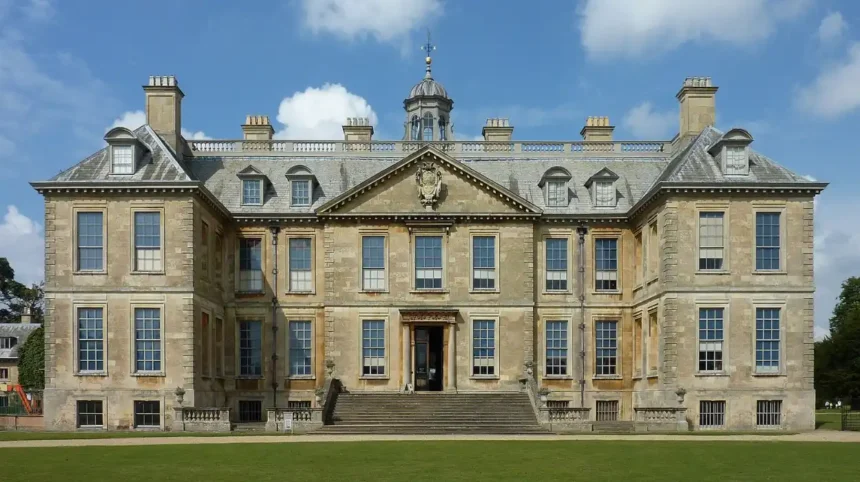
Woolton Hall is a Grade I listed country house built in 1704 for Richard Molyneux in the suburb of Woolton. Architect Robert Adam redesigned the mansion between 1772 and 1780, creating an iconic Neoclassical landmark in North West England.
- What architectural features define the Neoclassical design of Woolton Hall?
- What is the current status and visiting information for Woolton Hall?
- What historical sights and attractions are located near Woolton Hall?
- How do you plan an itinerary for visiting historic South Liverpool?
- Frequently Asked Questions
The origin of the Woolton estate dates back to the seventeenth century when early residential structures occupied the land. William Brettagh originally owned a modest cottage on the site, which was later acquired and enlarged by the Broughton family. By the year 1700, the property had expanded into a three-storey residential structure. Richard Molyneux, the fifth Viscount Molyneux, commissioned the construction of the prominent north wing around 1704. The primary material used for this construction was local red sandstone, which gave the building its distinctive regional aesthetic.
Nicholas Ashton, a wealthy Liverpool salt merchant, acquired the property in 1772 following the death of Richard Molyneux. Ashton commissioned the renowned Scottish architect Robert Adam to execute major architectural alterations. Adam added an expansive front facade and redesigned the interior rooms. Architectural historians consider this work to be among the finest examples of Adam Neoclassical design in Northern England. The Ashton family retained ownership of the estate throughout the nineteenth century, maintaining its status as a major regional manor.
In the twentieth century, Woolton Hall transitioned from a private domestic residence to an institutional facility. The estate functioned as a private school, a military hospital during the First World War, and a convent school operated by the Poor Servants of the Mother of God. Local preservation groups prevented its demolition in 1980, securing its Grade I listed status in June 1982. Historic England listed the structure as at risk due to structural neglect and fire damage. Today, Woolton Hall represents a crucial historical link between early eighteenth-century country estates and urban preservation efforts in Merseyside.
What architectural features define the Neoclassical design of Woolton Hall?
Woolton Hall features classical red sandstone construction, an eight-bay north wing, symmetrical porticos, and interior plasterwork designed by Robert Adam. Its layout combines early English Baroque elements with refined Neoclassical interior alterations. The exterior architectural framework relies on locally quarried red sandstone, a material signature to historic Liverpool construction. The north wing extends eight bays long, displaying a balance typical of eighteenth-century country houses. The south elevation incorporates exposed brickwork integrated with the primary sandstone structure. Robert Adam installed a grand Neoclassical facade on the main elevation, replacing earlier, rustic structural details with crisp columns and formal pediments. Three-storey additions were appended to the south and west elevations in the nineteenth century, though local authorities demolished these extensions in the 1970s to restore original structural dimensions.
Inside the building, Robert Adam created intricate interior decorative schemes. The Octagon Room served as a library and features a plaster ceiling with classical geometric motifs. The front parlour and upstairs reception rooms also display custom Adam-style stucco ceilings. The main staircase features a wrought iron baluster topped with a moulded mahogany handrail. Decorative friezes, detailed mantlepieces, and symmetrical door frames further establish the interior as a textbook example of late eighteenth-century British classicism.
The hall historically housed fine artistic works, including replica portraits of its former inhabitants. Notable art displays inside the hall featured masterworks such as “Canterbury Pilgrims” by William Blake and pieces by Frans Hals, Jan Steen, and David Teniers the Younger. These fine art pieces were later transferred to the Walker Art Gallery in central Liverpool to ensure long-term preservation. The architectural integrity of the core interior retains high historical value despite the deterioration of the outer physical envelope.
What is the current status and visiting information for Woolton Hall?
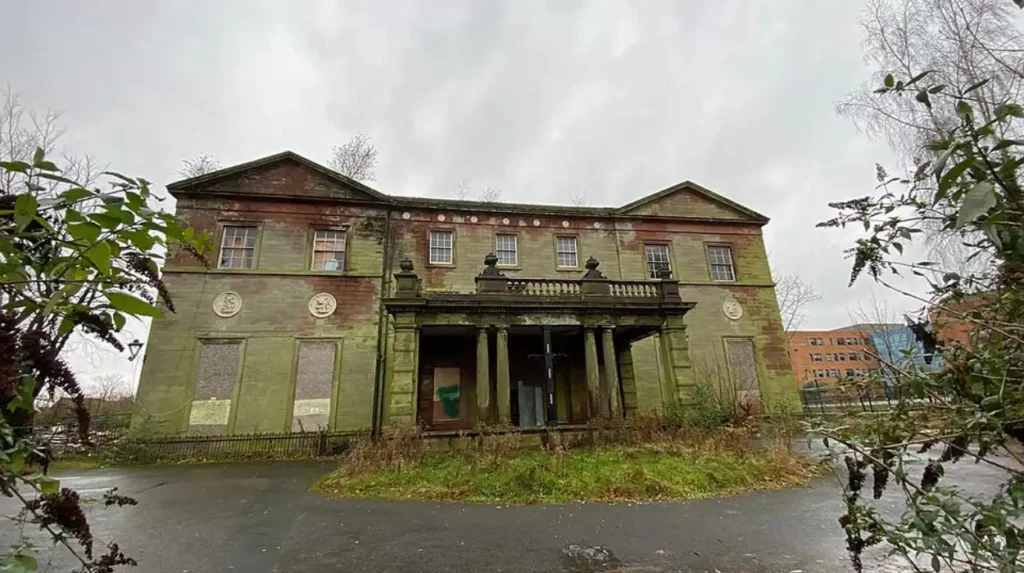
Woolton Hall is currently closed to the general public due to severe structural damage and safety restrictions. Visitors can only view the exterior gated perimeter from Speke Road and nearby public vantage points in Woolton Village.
The current physical condition of Woolton Hall prevents internal tours or public access. Historic England classified the property as an “At Risk” Grade I listed building. In August 2025, a major fire severely damaged the hall, causing structural collapse in multiple sections of the upper floors and roof. Emergency services cordoned off the immediate perimeter to secure the site against collapse. Security measures, including surrounding fencing and surveillance, prevent unauthorized access to the grounds.
Although the interior remains inaccessible, heritage enthusiasts can observe several historic exterior structures from the surrounding public highways. The eighteenth-century gateway to the hall grounds remains visible along Speke Road. Additionally, two Grade II listed gatehouses exist near the boundary line. Woolton Hall Lodge sits along Speke Road, while Woodleigh Lodge stands near Woolton High Street. Both structures display mid-nineteenth-century stone masonry that matches the architectural style of the main hall estate.
Travelers reaching Woolton Village can use public transit services operating directly from central Liverpool. Bus routes connect the Liverpool One bus station to Woolton Village within 35 minutes. Liverpool South Parkway serves as the closest railway station, located approximately two miles west of the hall grounds. Pedestrian access along Speke Road allows visitors to walk past the historical perimeter gates safely while exploring the wider Woolton Conservation Area.
What historical sights and attractions are located near Woolton Hall?
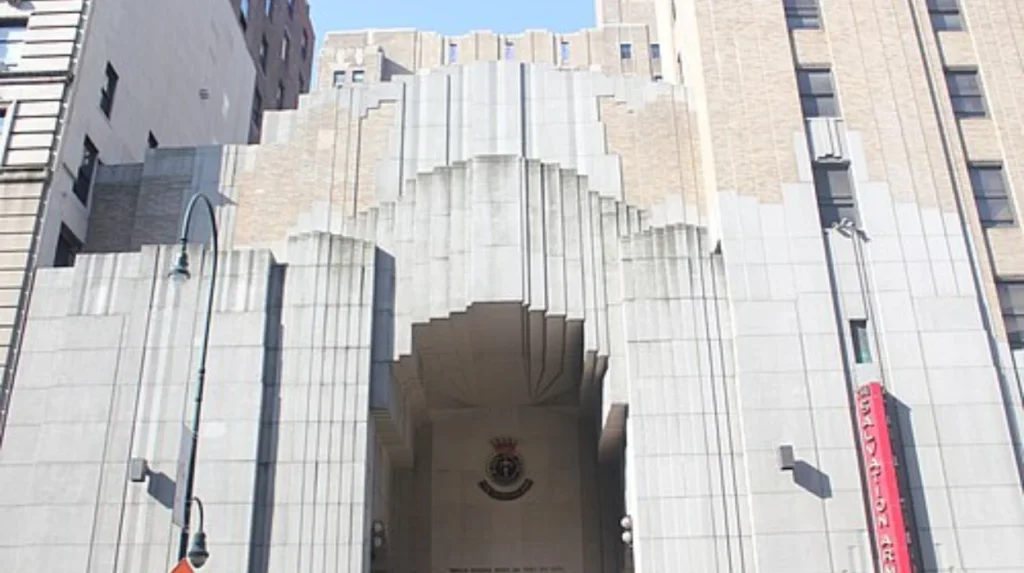
Nearby attractions include Strawberry Field, St Peter’s Church, Speke Hall, and Reynolds Park. These surrounding sites offer visitors a mix of Tudor architecture, Beatles heritage, and preserved public green space within South Liverpool. Strawberry Field is located less than one mile from Woolton Hall on Beaconsfield Road. The site gained global recognition through John Lennon’s 1967 Beatles composition “Strawberry Fields Forever”. Originally a Salvation Army children’s home, the location now operates as a public visitor center featuring interactive exhibitions, peaceful gardens, and an on-site cafe. Visitors can view the iconic red gates that marked the original entrance to the grounds.
St Peter’s Church stands in the center of Woolton Village, just a short walk from the hall. Built in 1887, the church features impressive red sandstone Victorian Gothic architecture. The church grounds hold two major historical landmarks: the grave of Eleanor Rigby and the church hall where John Lennon and Paul McCartney first met on July 6, 1957, during a local church fête.
Speke Hall lies two and a half miles south of Woolton Hall near the River Mersey. Managed by the National Trust, Speke Hall is a Grade I listed wood-framed Tudor manor house built in 1530. The estate includes authentic Elizabethan interiors, a priest hole, Victorian gardens, and extensive estate walking paths.
Reynolds Park and Woolton Woods offer extensive outdoor spaces within walking distance of the hall. Reynolds Park spans nine acres and includes a formal walled garden, a rhododendron collection, and landscaped walking paths. Woolton Woods covers 74 acres of woodland, featuring historical quarry viewpoints, mature tree plantations, and open fields.
How do you plan an itinerary for visiting historic South Liverpool?
A complete historic South Liverpool itinerary combines morning visits to Tudor manors, afternoon Beatles heritage walking tours in Woolton, and evening dining in local village establishments.
Begin the day at Speke Hall to explore sixteenth-century Tudor architecture and landscaped estate gardens. Allocate two hours to tour the timber-framed interior, inspect the Great Hall, and walk the woodland trails surrounding the River Mersey shoreline. After completing the Speke Hall tour, take a ten-minute drive or bus journey north into Woolton Village.
Spend the early afternoon walking through the historic core of Woolton. Stop outside the Speke Road entrance of Woolton Hall to observe the eighteenth-century gatehouses and sandstone boundary walls. Continue on foot to Church Road to visit St Peter’s Church and the historic church hall where modern popular music history was altered in 1957.
Conclude the afternoon at Strawberry Field on Beaconsfield Road. Spend ninety minutes reviewing the interactive Beatles exhibition, exploring the peaceful garden paths, and visiting the gift shop. For dinner, return to Woolton Village, which offers traditional English pubs, independent bistros, and local cafes housed in historic stone buildings.
Frequently Asked Questions
Is Woolton Hall in Liverpool open to the public for tours?
Woolton Hall is closed to the public due to safety concerns and fire damage. Visitors cannot access the interior rooms or private estate grounds. You can view the historic exterior gates and boundary stone lodges from public roads in Woolton Village.
Who designed Woolton Hall and when was it built?
Richard Molyneux built the original hall in 1704 using regional red sandstone. Renowned architect Robert Adam significantly remodeled the building between 1772 and 1780. Adam introduced a Neoclassical facade and interior plasterwork designs.
What happened to Woolton Hall recently?
Woolton Hall suffered structural neglect over several decades and was added to the Historic England “At Risk” register. In August 2025, a major fire severely damaged the historic structure. The building remains cordoned off while security measures protect the site.
What famous sights are located near Woolton Hall in Liverpool?
Nearby sights include Strawberry Field, St Peter’s Church, Speke Hall, and Reynolds Park. Strawberry Field features an interactive exhibition, while St Peter’s Church marks the historic meeting spot of John Lennon and Paul McCartney.
How do you travel to Woolton Hall from central Liverpool?
Travelers can take public buses directly from Liverpool One Bus Station to Woolton Village in 35 minutes. Rail passengers can travel to Liverpool South Parkway station, located two miles from Woolton. Local taxis and walking routes connect the village center directly to the hall entrance gates on Speke Road.