
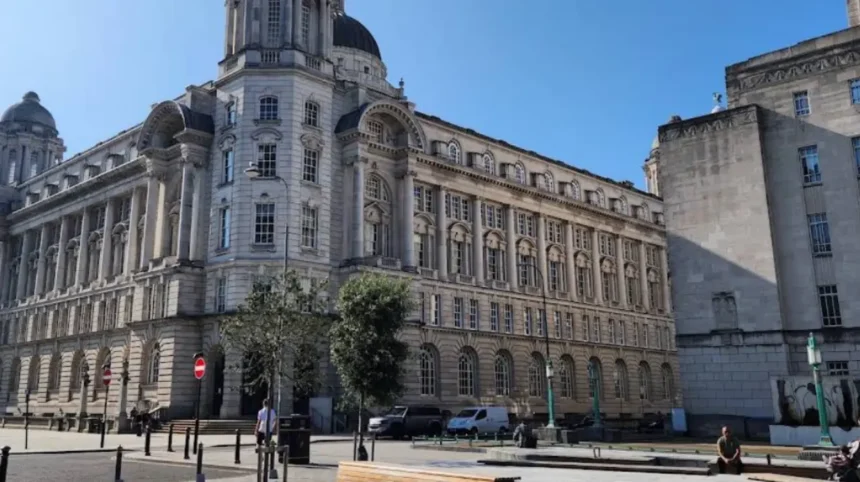
Local government services shape everyday life across Liverpool by delivering essential public functions that support communities, businesses, and visitors. Liverpool City Council and other local authorities within the Liverpool City Region oversee responsibilities that range from waste collection and housing to planning, highways, education, environmental health, and social care. These services operate under legislation passed by the UK Parliament and are funded through council tax, business rates, government grants, and service income. Understanding how these services work helps residents access support more efficiently while encouraging greater public participation in local decision making.
- What are the most common local government services used by Liverpool residents?
- How does Liverpool City Council manage household waste and recycling services?
- Why are housing services important for Liverpool residents?
- How do planning and development services shape Liverpool’s growth?
- How do highways and transport services support everyday travel in Liverpool?
- Why are education services an essential responsibility of local government?
- How do adult social care and children’s services protect vulnerable residents?
- How do environmental health services protect public health in Liverpool?
- Why are libraries, leisure facilities, and community services valuable for Liverpool residents?
- How do licensing and regulatory services support businesses and public safety?
- How do council tax and customer services support local government operations?
- How can residents access council services?
- Frequently Asked Questions
What are the most common local government services used by Liverpool residents?
Local government services most frequently used by Liverpool residents include household waste collection, council housing, planning applications, road maintenance, education, social care, environmental health, libraries, licensing, and public safety. These services support daily life, protect public wellbeing, and maintain essential community infrastructure across the city.
Every resident interacts with local government in different ways throughout the year. Weekly refuse collections, recycling services, street cleaning, school admissions, parking permits, and council tax administration are among the most commonly accessed services. Businesses regularly use licensing, environmental health inspections, and planning services to meet legal requirements. Community organisations also work with local authorities to deliver neighbourhood improvement projects and public events. Together, these responsibilities ensure Liverpool remains a safe, organised, and sustainable city for residents and visitors alike.
The legal responsibilities of local authorities are defined through legislation including the Local Government Act 1972, the Care Act 2014, the Environmental Protection Act 1990, and the Town and Country Planning Act 1990. These laws establish clear duties for councils while allowing local authorities to respond to local priorities. Liverpool City Council also works closely with the Liverpool City Region Combined Authority to coordinate transport, economic development, skills programmes, and regional investment initiatives that benefit communities across Merseyside.
How are these services funded?
Most local government services are financed through a combination of council tax, retained business rates, central government grants, service charges, and specific funding programmes. Additional funding supports housing regeneration, transport improvements, environmental initiatives, and public health projects. This mixed funding model allows councils to maintain statutory services while investing in long term improvements that strengthen local communities.
How does Liverpool City Council manage household waste and recycling services?
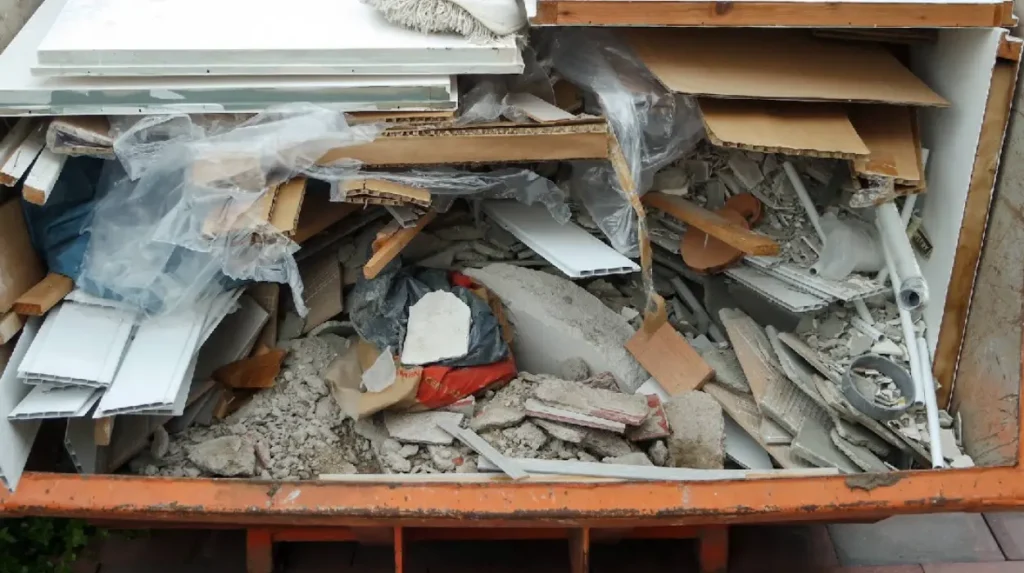
Household waste collection and recycling are among the most widely used council services in Liverpool. Regular collections, recycling programmes, street cleansing, and waste disposal facilities help protect public health, improve neighbourhood cleanliness, reduce landfill use, and support national environmental sustainability targets.
Waste management represents one of the largest operational responsibilities undertaken by Liverpool City Council. Every household receives scheduled collections for general waste, recycling, and garden waste where available. Collection routes are carefully planned to maximise efficiency while ensuring every neighbourhood receives reliable services throughout the year. Residents also have access to household waste recycling centres for larger items, electrical equipment, wood, metals, and construction materials accepted under local recycling policies.
Street cleansing teams maintain public spaces by removing litter, emptying public bins, cleaning pavements, and responding to reports of fly tipping. Environmental enforcement officers investigate illegal waste disposal and issue penalties where legislation has been breached. These combined services contribute to cleaner communities while supporting wider environmental objectives established by national waste reduction policies and local sustainability strategies.
Why is recycling important for Liverpool?
Recycling reduces landfill waste, conserves natural resources, lowers carbon emissions, and supports the circular economy. Materials including paper, cardboard, glass, plastic bottles, aluminium cans, and steel packaging are processed for reuse rather than disposal. Effective recycling programmes also reduce long term waste management costs while helping councils achieve national environmental performance targets.
Residents can learn more about how planning and infrastructure decisions affect neighbourhood development in the related guide on Understanding Planning Applications and Development Projects in Liverpool, which explains how local government manages long term urban growth.
Why are housing services important for Liverpool residents?
Housing services help residents access affordable accommodation, maintain safe living standards, prevent homelessness, support vulnerable households, and improve neighbourhood quality. Local authorities coordinate housing assistance through legal duties, partnerships with housing associations, and community support programmes.
Housing remains one of the most significant responsibilities delivered through local government. Liverpool City Council works alongside registered housing providers to improve housing conditions, address disrepair, support regeneration projects, and increase the availability of affordable homes. Residents seeking housing assistance receive assessments based on housing legislation, local allocation policies, and individual circumstances.
Homelessness prevention forms a major part of local housing services. Specialist housing teams provide advice before individuals lose accommodation, helping residents resolve tenancy issues, negotiate with landlords, or access temporary housing where necessary. Early intervention reduces homelessness while improving long term housing stability for families and vulnerable individuals across Liverpool.
What housing support is available through the council?
Housing support includes homelessness prevention, emergency accommodation, council housing applications, private sector housing advice, disabled facilities grants, landlord regulation, housing standards enforcement, and financial guidance. These services aim to improve housing quality while ensuring residents have access to safe and suitable accommodation under existing housing legislation.
How do planning and development services shape Liverpool’s growth?
Planning and development services regulate how land and buildings are used across Liverpool. These services assess planning applications, protect historic areas, support sustainable development, manage regeneration projects, and ensure new construction complies with national planning legislation and local planning policies.
Planning plays a central role in balancing economic growth with environmental protection and community wellbeing. Liverpool City Council reviews applications for new homes, commercial developments, extensions, change of use proposals, and infrastructure projects. Planning officers assess each proposal against the Local Plan, national planning policy, environmental regulations, transport impacts, heritage considerations, and public consultation responses before recommendations are made. This transparent process helps ensure development benefits both current and future residents.
Development management also protects Liverpool’s architectural heritage. The city contains conservation areas, listed buildings, and historic landmarks that require additional planning controls. Planning officers work with developers to preserve important heritage assets while encouraging regeneration that strengthens local neighbourhoods and supports economic investment. Sustainable development remains a key objective, with increasing emphasis on energy efficiency, green infrastructure, biodiversity, and accessible public spaces.
What happens during a planning application?
A planning application normally begins with submission of drawings, supporting documents, and application fees. Council planning officers then review the proposal, consult statutory organisations, invite public comments, assess planning policies, and prepare a recommendation before a decision is issued. Larger or more complex applications may also be considered by the Planning Committee.
For a detailed explanation of the planning process, readers can explore the related guide Understanding Planning Applications and Development Projects in Liverpool, which explains each stage from application to final decision.
How do highways and transport services support everyday travel in Liverpool?
Highways and transport services maintain roads, pavements, bridges, traffic signals, street lighting, parking controls, and public transport infrastructure. These services improve road safety, reduce congestion, support economic activity, and provide reliable transport networks for residents, businesses, and visitors.
Liverpool’s road network requires continuous inspection and maintenance throughout the year. Highway engineers monitor road conditions, repair potholes, resurface damaged carriageways, replace worn pavements, and maintain drainage systems to improve safety and extend infrastructure life. Regular inspections help identify hazards before they become larger maintenance issues, reducing disruption and improving travel reliability across the city.
Traffic management forms another important responsibility. Local authorities install and maintain traffic signals, pedestrian crossings, cycle lanes, road signs, speed management measures, and parking restrictions. These measures improve road safety while supporting sustainable travel options including walking, cycling, and public transport. Liverpool also works closely with regional transport partners to coordinate bus services, rail improvements, and strategic transport planning across the wider Liverpool City Region.
How are roadworks and closures managed?
Roadworks are carefully scheduled to minimise disruption while allowing essential maintenance, utility repairs, and infrastructure improvements. Local authorities coordinate with utility companies, transport providers, and emergency services before approving temporary road closures, diversions, and traffic management plans.
Residents interested in current transport improvements can also read Allerton Road to Close for Five Days as Waterworks Begin and Halton Highway Closures Planned Roadwork Begins, which explain how infrastructure projects affect local travel across the region.
Why are education services an essential responsibility of local government?
Education services help ensure children receive high quality learning opportunities through school admissions, safeguarding, special educational needs support, attendance services, school transport, and strategic planning for education across Liverpool. These responsibilities contribute directly to long term social and economic development.
Although individual schools manage day to day education, Liverpool City Council maintains important statutory responsibilities. The council coordinates school admissions, ensures sufficient school places are available, supports children with Special Educational Needs and Disabilities (SEND), oversees safeguarding responsibilities, and works with education providers to improve educational outcomes across the city. These duties help provide fair access to education while protecting children’s welfare.
Education planning also involves forecasting future demand based on population growth and housing development. Local authorities assess demographic trends, identify areas requiring additional school capacity, and work with academy trusts, maintained schools, and government departments to deliver new educational facilities when required. Adult learning programmes and skills development initiatives further support employment opportunities and lifelong education for Liverpool residents.
What education services do local authorities provide?
Local government education services include school admissions, SEND assessments, home to school transport, child safeguarding, school attendance support, educational psychology, early years services, and adult learning programmes. These services ensure education remains accessible, inclusive, and responsive to changing community needs.
How do adult social care and children’s services protect vulnerable residents?
Adult social care and children’s services provide essential support for older adults, disabled people, vulnerable children, carers, and families. These services protect wellbeing, promote independence, safeguard individuals from harm, and ensure legal care responsibilities are fulfilled across Liverpool.
Adult social care includes care assessments, home support, residential care placements, occupational therapy, safeguarding investigations, and support for unpaid carers. Services are delivered according to the Care Act 2014, which establishes clear legal duties for local authorities. Assessments consider an individual’s physical health, mental wellbeing, daily living needs, and personal independence before appropriate care plans are developed.
Children’s services focus on safeguarding, fostering, adoption, family support, early intervention, youth services, and child protection. Social workers collaborate with schools, healthcare providers, police, and voluntary organisations to identify risks early and provide coordinated support. Strong partnership working improves outcomes for vulnerable children while helping families remain safely together whenever possible.
How do environmental health services protect public health in Liverpool?
Environmental health services protect residents by enforcing food safety laws, monitoring housing conditions, controlling pollution, investigating noise complaints, and managing public health risks. These services ensure businesses meet legal standards while helping maintain safe, healthy, and clean neighbourhoods throughout Liverpool.
Environmental Health Officers inspect restaurants, cafés, takeaways, supermarkets, schools, and other food businesses to ensure compliance with the Food Safety Act 1990 and national food hygiene regulations. Inspections assess food storage, preparation, cleanliness, staff training, and record keeping. Businesses receive food hygiene ratings that help consumers make informed choices while encouraging continuous improvement across the hospitality sector.
The service also investigates complaints relating to statutory nuisances such as excessive noise, smoke, dust, odours, pest infestations, and dangerous housing conditions. Officers have legal powers to issue improvement notices, prosecute serious breaches, and work with businesses or property owners to resolve problems before they affect public health. Environmental monitoring also supports cleaner air, safer housing, and healthier communities.
What issues can residents report to environmental health?
Residents can report food hygiene concerns, unsafe rental properties, excessive noise, fly infestations, rodent problems, air pollution, smoke nuisance, abandoned waste, and other environmental hazards. Early reporting enables council officers to investigate issues promptly and enforce relevant legislation where necessary.
Why are libraries, leisure facilities, and community services valuable for Liverpool residents?
Libraries and community services provide free access to information, education, digital resources, cultural activities, and social support. These facilities strengthen local communities by encouraging lifelong learning, improving digital inclusion, and offering safe public spaces for residents of every age.
Liverpool’s public libraries have evolved far beyond traditional book lending. Modern libraries provide internet access, digital learning resources, employment support, local history archives, children’s reading programmes, and community meeting spaces. These services improve educational opportunities while helping residents access online government services, employment applications, and financial support information.
Community centres and leisure facilities also promote physical health, mental wellbeing, and social inclusion. Local authorities work with charities, voluntary organisations, and sports providers to deliver fitness programmes, youth activities, cultural events, and neighbourhood initiatives. These partnerships encourage active lifestyles while strengthening community engagement across Liverpool’s diverse neighbourhoods.
How do libraries support digital inclusion?
Libraries provide free computer access, internet connectivity, digital skills training, printing services, and support for accessing online public services. These resources help residents who lack home internet access or require assistance using digital technology for education, employment, and government services.
How do licensing and regulatory services support businesses and public safety?
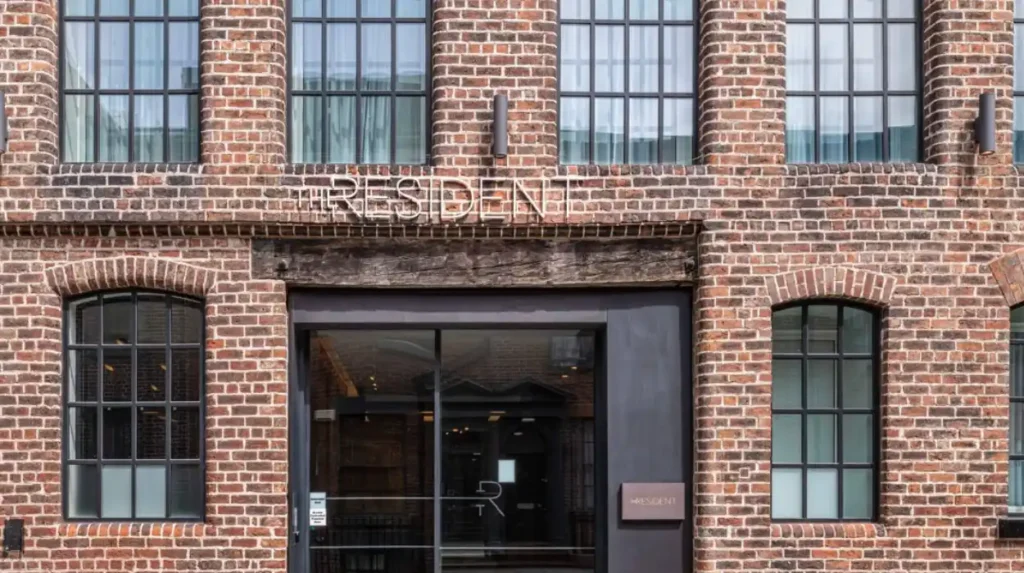
Licensing services regulate businesses and public activities through legal permits, inspections, and enforcement. These responsibilities protect consumers, reduce crime, promote public safety, and ensure licensed businesses operate according to national legislation and local licensing policies.
Local authorities issue licences for taxis, alcohol sales, entertainment venues, street trading, gambling premises, animal establishments, and temporary public events. Every application is assessed against legal requirements covering public safety, crime prevention, environmental protection, and community wellbeing. Regular inspections ensure licence holders continue meeting the required operating standards.
Licensing teams also work closely with Merseyside Police, the fire service, environmental health officers, and trading standards authorities. Joint enforcement activities help identify illegal operations, improve business compliance, and maintain safe environments for residents and visitors. Effective regulation supports Liverpool’s economy while protecting the interests of consumers and responsible businesses.
Why is business licensing important?
Licensing protects public safety by ensuring businesses meet legal operating standards before providing regulated services. It also promotes fair competition, supports consumer confidence, and enables councils to monitor compliance through inspections, investigations, and enforcement where necessary.
How do council tax and customer services support local government operations?
Council tax and customer services provide the financial and administrative foundation that allows local government to deliver essential public services. Revenue collection funds statutory responsibilities, while customer service teams help residents access information, submit applications, and resolve enquiries efficiently.
Council tax contributes towards funding waste collection, highways maintenance, libraries, social care, environmental services, and other essential local government responsibilities. Properties are placed into valuation bands, with charges determined according to legislation and annual council budgets. Discounts and exemptions are available for eligible households, including single occupants, students, and certain vulnerable residents.
Customer service centres, telephone support, and online portals enable residents to report issues, pay bills, request permits, update personal information, and monitor service requests. Digital transformation has significantly improved accessibility by allowing many council services to be completed online without visiting council offices. This approach increases efficiency while reducing administrative costs and improving response times.
How can residents access council services?
Residents can access services through online council portals, telephone support, customer service centres, email enquiries, and appointment systems. Many applications, including council tax payments, parking permits, waste reports, and housing enquiries, are now completed digitally for greater convenience.
Local government services form the backbone of everyday life across Liverpool. From collecting household waste and maintaining roads to supporting vulnerable residents, managing planning applications, enforcing environmental standards, and providing educational support, these services protect public wellbeing while enabling sustainable economic growth. Liverpool City Council continues to adapt its services through digital innovation, partnership working, and long-term investment to meet the changing needs of residents and businesses. Understanding these responsibilities allows residents to access support more effectively, participate in local decision making, and contribute to stronger communities across the city.
Frequently Asked Questions
What local council service do Liverpool residents use the most?
Household waste collection is one of the most frequently used council services in Liverpool. Residents also regularly access council tax services, road maintenance, planning, housing support, libraries, and environmental health throughout the year.
Who is responsible for fixing potholes in Liverpool?
Liverpool City Council is responsible for maintaining most local roads, pavements, street lighting, and traffic signals. Major roads managed by National Highways fall under separate national responsibility.
Can Liverpool City Council help if someone is at risk of homelessness?
Yes. The council provides homelessness prevention advice, emergency accommodation assessments, housing support, and referrals to suitable housing providers under national housing legislation.
Why are planning applications important in Liverpool?
Planning applications ensure new developments comply with planning laws, protect historic buildings, manage environmental impacts, and support sustainable growth that benefits local communities and businesses.
How are local government services funded in Liverpool?
Local services are funded through council tax, business rates, government grants, service charges, and other public funding streams. These resources support statutory responsibilities including waste management, social care, highways, housing, and public health.