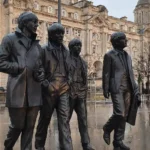

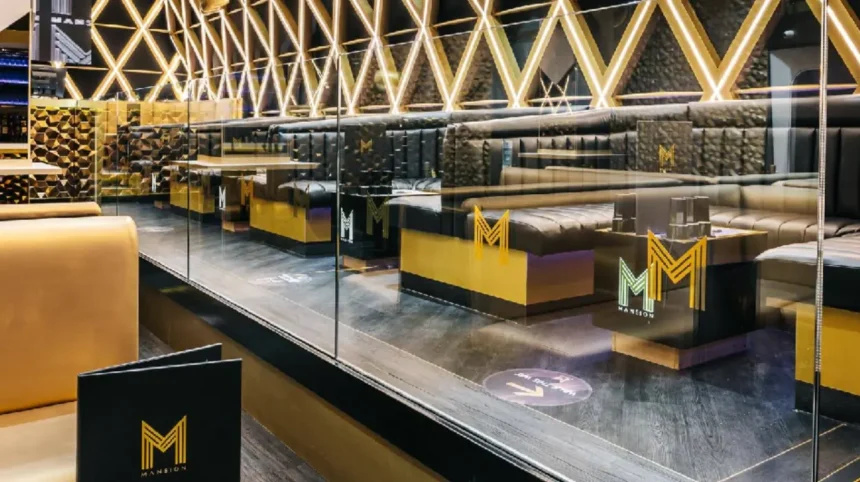
Liverpool nightlife represents a multi-billion pound evening and nighttime economy driven by maritime heritage, world-famous musical movements, and comprehensive urban regeneration. The city sits on the River Mersey in Northwest England, developing from a 13th-century fishing port into a global trade hub by the 19th century. This history created a diverse, international cultural identity that heavily influenced how the city approaches entertainment after dark.
- How Does the Royal Albert Dock Function After Dark?
- Why is Mathew Street the Capital of Live Music?
- What Nighttime Activities Define the Baltic Triangle?
- Where Can You Find the Best Historic Pubs and Bars?
- What Interactive Entertainment Options Exist?
- Frequently Asked Questions
- Is Liverpool a safe city for tourists exploring nightlife options at night?
- What time do bars and music venues typically close on weekends?
- Are there non-alcoholic evening activities available within the city center?
- Do you need to pre-book entry for the Cavern Club on weekends?
- How easily can you travel between different nightlife districts on foot?
The global cultural positioning of the city solidified during the mid-20th century through the emergence of the Merseybeat musical movement. Venues situated within the city center became incubators for internationally renowned artists, establishing live performance as the foundation of local evening culture. This musical legacy continues to attract millions of international and domestic visitors annually to specific historical entertainment quarters.
Modern economic transitions transformed redundant shipping infrastructure into major leisure destinations. The opening of transformed docklands in 1988 altered the spatial distribution of evening entertainment by shifting crowds toward the waterfront. Today, municipal frameworks protect these historical spaces while encouraging new experience-driven nightlife concepts across repurposed industrial zones.
How Does the Royal Albert Dock Function After Dark?
The Royal Albert Dock serves as a premier evening destination combining historical architecture with modern food, drink, and cultural attractions. Constructed in 1846 from brick, stone, and cast iron, this industrial site holds a Grade I listed status, signifying its exceptional architectural and historical importance. At twilight, the dock transforms as extensive lighting installations illuminate the surrounding waterfront, attracting visitors seeking a sophisticated evening setting.
The evening economy here centers around repurposed warehouse spaces that house diverse culinary and entertainment operations. Visitors can access independent restaurants, cocktail lounges, comedy venues, and maritime taverns. Food options include specific styles such as Catalan tapas, Mexican street food, contemporary Thai dishes, and traditional British gastropub menus.
Beyond dining, the dock offers scenic night walks along the water, safe pedestrian paths, and close connections to major venues like the M&S Bank Arena. The area retains a distinct character by balancing commercial dining with calm, scenic spaces. This mix makes it highly popular for couples, families, and corporate travelers looking for an accessible evening out.
Why is Mathew Street the Capital of Live Music?
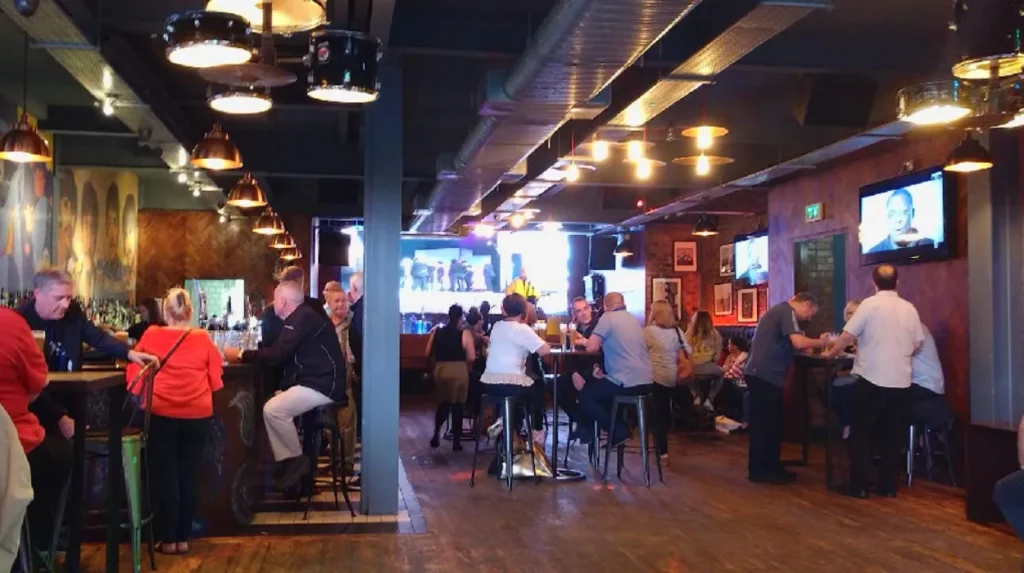
Keep Life Simple Allan
Mathew Street stands as the geographic and cultural heart of live music within the central Cavern Quarter. This pedestrianized lane achieved global fame during the 1960s as the focal point of the UK music scene. Today, it remains an energetic nightlife hub operating every night of the week to deliver live performances to music fans.
The primary attraction on this street is the legendary Cavern Club, which opened in 1957 as a jazz venue before becoming a rock and roll hotspot. The basement venue hosted over 200 early performances by The Beatles, cementing its place in musical history. The modern club features daily live sets from resident acoustic artists, local indie bands, and international tribute acts.
The surrounding street features numerous music bars and pubs that build on this historic theme. Venues like Sgt. Peppers and the Rubber Soul Complex offer continuous live music, retro DJ sets, and rock tribute nights. The area is highly pedestrianized, allowing visitors to easily move between bars and experience different musical styles in a compact zone.
What Nighttime Activities Define the Baltic Triangle?
The Baltic Triangle represents the creative and digital heart of the city, located just south of the city center. This district consists of converted Victorian warehouses that once served the shipping trade but now host cutting-edge night spots. The area appeals directly to individuals looking for alternative nightlife, independent food markets, and electronic music events.
A major destination in this district is Camp and Furnace, a large indoor space that hosts unique evening events. This venue mixes warehouse raves, live sports screenings, food festivals, and retro club nights into one flexible location. It highlights the city’s ability to turn old industrial spaces into modern cultural hubs.
The district also features BOXPARK Liverpool, a 21,000 square-meter event venue located inside Canning Hall. This space brings together multiple independent street food vendors alongside a busy events calendar featuring open-mic nights, quizzes, and live music. Additionally, the Baltic Triangle holds unique concept bars, such as Arcains for multi-floor retro arcade gaming, and several local craft breweries.
Where Can You Find the Best Historic Pubs and Bars?
The city features an exceptional collection of historic pubs and cocktail bars that offer distinct drinking experiences across separate heritage districts. These establishments showcase remarkable architecture ranging from highly ornate Victorian designs to sleek, contemporary spaces. Visitors can easily find venues tailored to their exact style, whether they prefer quiet cask ales or mixed drinks.
In the Georgian Quarter, the Philharmonic Dining Rooms stand out as an exceptional example of Art Nouveau design from 1900. Known locally as “The Phil,” this pub is famous for its intricate stained glass, rich wood carvings, and grade-listed marble interiors. It offers an authentic environment for enjoying regional cask ales, craft gins, and traditional British pies before or after a concert nearby.
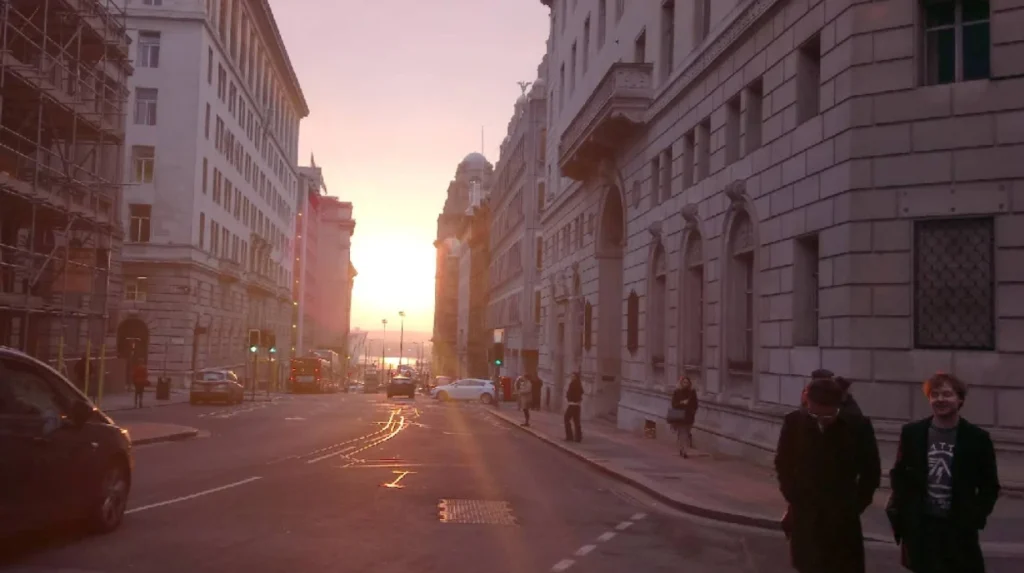
For those seeking cocktails and traditional ales, the central heritage streets of Castle Street and Dale Street provide ideal options. Castle Street focuses on upscale cocktail lounges, wine bars, and modern restaurants inside grand, converted bank buildings. Meanwhile, Dale Street maintains a traditional feel with historic real ale pubs, including Ye Hole In Ye Wall, which dates back to 1726 as the oldest pub in the city.
What Interactive Entertainment Options Exist?
The evening economy increasingly features interactive, experience-driven entertainment concepts that combine socializing with games and activities. These venues offer alternatives to traditional bars by letting groups compete in high-tech, immersive environments. They are situated across major central shopping and leisure developments.
Gravity MAX, located at the Liverpool ONE complex, serves as a prime example of a modern entertainment center. This massive multi-floor venue offers 11 distinct activities, including multi-level e-karting tracks, immersive virtual reality games, and digital batting cages. The space includes three bars, sports screens, and casual dining to provide a complete night out under one roof.
Other popular interactive options include PINS Social Club on Seel Street, which updates traditional bowling with boutique lanes, live performance stages, and upscale food. Visitors can also try digital darts at Arrowsmith’s or explore Golf Fang, an 18-hole crazy golf course covered in street art with live DJs and street food. These venues allow groups to combine activities, dining, and drinking seamlessly throughout the evening.
Frequently Asked Questions
Is Liverpool a safe city for tourists exploring nightlife options at night?
The city maintains a purple flag status, which recognizes well-managed, safe, and diverse evening entertainment zones. Standard urban safety precautions apply, and extensive taxi ranks operate alongside visible community policing across central districts like the Ropewalks and the Cavern Quarter.
What time do bars and music venues typically close on weekends?
Traditional pubs across the city center generally close between 23:00 and midnight, while music venues on Mathew Street run until 02:00. Late-night clubs and cocktail lounges located around Seel Street frequently hold licenses allowing them to trade until 03:00 or 04:00 from Thursday through Saturday.
Are there non-alcoholic evening activities available within the city center?
Visitors can access dry evening alternatives including retro arcade spaces like Arcains, multi-floor bowling layouts at PINS Social Club, and evening film screenings at boutique cinemas. The Liverpool ONE complex also hosts late-night shopping, dessert cafes, and interactive virtual reality simulators.
Do you need to pre-book entry for the Cavern Club on weekends?
General admission tickets are regularly available at the door for standard resident acoustic sets, but pre-booking is highly recommended for major weekend tribute acts. Checking the official venue calendar ensures entry to specific high-demand performances on the front or back stages.
How easily can you travel between different nightlife districts on foot?
The central entertainment zones are highly compact and situated within convenient walking distances of one another. Walking from the waterfront Royal Albert Dock to the central Mathew Street or the Ropewalks district takes approximately 10 to 15 minutes along well-lit pedestrian pathways.