

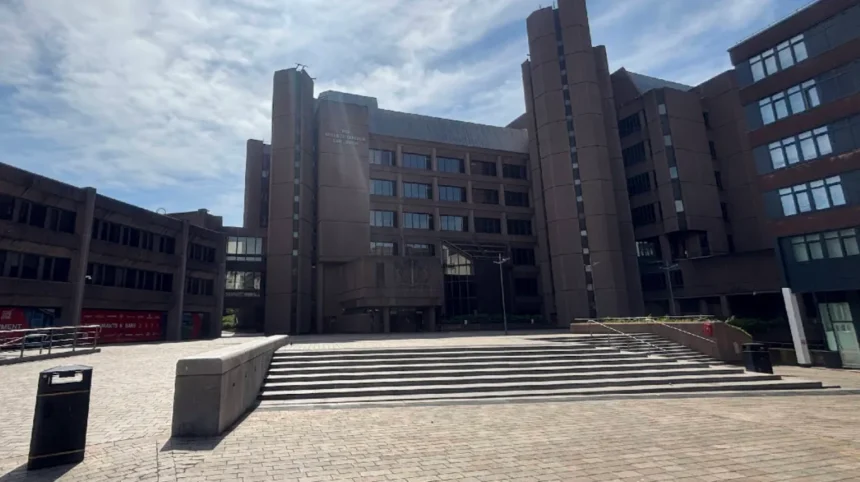
Waste collection delays and missed bin cycles constitute the highest volume of resident complaints submitted to the local authority annually. The Liverpool City Council manages municipal waste disposal across ninety unique residential wards under the Environmental Protection Act 1990. Structural changes to collection routes, vehicle maintenance bottlenecks, and severe weather events frequently disrupt the scheduled removal of general refuse, recycling, and green garden waste. These collection failures lead to localized fly tipping, vermin infestations, and blocked pedestrian pathways in high density urban sectors.
- How Can Residents Resolve Council Tax Billing and Assessment Errors?
- What Steps Should Tenants Take Regarding Poor Maintenance in Council Housing?
- How Do Citizens Address Road Maintenance and Pothole Damage in Liverpool?
- What is the Process for Overcoming Local Planning and Development Disputes?
- Frequently Asked Questions
- What should I do if Liverpool Council ignores my missed bin report?
- How long does it take for Liverpool Council to repair a reported pothole?
- Can I stop paying council tax if I am disputing a billing error?
- Who qualifies for a council tax discount under Liverpool City Council?
- How do I check if a road in Liverpool is adopted or private?
Residents must report a missed bin collection within forty-eight hours of the scheduled slot via the official digital portal to trigger a recovery collection. The local authority requires bins to be placed at the pavement boundary by 6:30 AM on the designated day with lids fully closed to ensure operative safety. For large items such as furniture and white goods, citizens can utilize the free bulky waste collection service which permits up to five items per household per booking. Persistent issues with neighborhood litter or illegal dumping require formal escalation to the environmental health department for targeted enforcement action.
Related Article: To better understand how these services fit into the broader local authority framework, read about theEssential Liverpool Council Departments and Their Key Responsibilities.
How Can Residents Resolve Council Tax Billing and Assessment Errors?
Council tax billing discrepancies occur due to processing delays in change of circumstance notifications, incorrect property bandings, or misapplied exemption statuses. The local taxation system operates under the Local Government Finance Act 1992, which dictates how residential properties are assessed by the Valuation Office Agency. Errors in annual bills can result in the accidental removal of the 25% single person discount, incorrect student exemptions, or duplicate charges following property transfers. Unresolved billing errors quickly escalate to formal reminders, final notices, and eventual liability orders in the magistrates court.
Citizens who identify an error in their council tax bill must notify the revenues and benefits department immediately while continuing to pay the current billed amount to prevent legal recovery processes. Disputed property bands must be formally challenged through the Valuation Office Agency rather than the council directly if the physical characteristics or use of the property has changed significantly. Applications for localized support schemes, including the Council Tax Support framework for low income households, must be submitted with full supporting financial documentation to ensure accurate re-assessment. Refund processing for overpaid tax typically takes up to twenty-one working days following written confirmation of the account correction.
What Steps Should Tenants Take Regarding Poor Maintenance in Council Housing?
Substandard housing conditions and delayed property repairs represent a critical challenge for individuals living in social housing stock managed by or affiliated with the local authority. The Landlord and Tenant Act 1985 mandates that social landlords maintain the structural integrity, water installations, electrical systems, and heating apparatus of all tenanted properties. Common failures reported by residents include structural dampness, toxic black mold growth, defective boilers, roof leaks, and faulty wiring infrastructure. Prolonged exposure to these structural defects poses documented risks to respiratory health and compromises the physical safety of vulnerable occupants.
Tenants must document all physical defects thoroughly using photographs and written logs before reporting the repair requirements directly to their designated housing provider or housing options team. Emergency repairs involving total loss of heating during winter months or uncontrollable water leaks require a response within twenty-four hours under standard tenant service level agreements. If the housing provider fails to execute repairs within a reasonable statutory timeframe, tenants can escalate the matter to the Housing Ombudsman Service or contact the council private sector housing team to request an independent inspection under the Housing Health and Safety Rating System.
How Do Citizens Address Road Maintenance and Pothole Damage in Liverpool?
Defective road surfaces and unresolved potholes present significant hazards to motorists, cyclists, and pedestrians utilizing the municipal highway network. Liverpool City Council serves as the local highway authority under the Highways Act 1980, legally obligating the institution to maintain all adopted public roads, pavements, and public rights of way. Underfunding, heavy freight traffic, and freeze-thaw weather cycles during winter months accelerate tarmac degradation, creating deep craters that damage vehicle suspension components and tires. Failure to repair known highway defects within standard operational windows exposes the local authority to substantial public liability compensation claims.
To claim compensation for vehicle damage caused by a pothole, the claimant must prove the council breached its statutory duty to maintain the highway by failing to act on a known defect. Residents should report road defects immediately via the online highway reporting system, specifying the exact location, approximate depth, and visual characteristics of the pothole. The council categorizes road defects based on risk severity, prioritizing Category 1 hazards for emergency repair within a twenty-four hour window while minor surface issues are scheduled for routine maintenance.
What is the Process for Overcoming Local Planning and Development Disputes?
Contested planning applications and unauthorized property developments regularly cause tension between property developers, private homeowners, and local neighborhood groups. The local planning authority operates under the Town and Country Planning Act 1990, evaluating development proposals against the comprehensive Liverpool Local Plan framework. Common friction points include loss of residential privacy, excessive noise generation, traffic congestion, building overdevelopment, and unauthorized changes of use for commercial properties. If the council fails to enforce planning regulations effectively, unauthorized structures can become legally immune to enforcement action after specific statutory timeframes.
Residents seeking to oppose a pending planning application must submit formal written objections detailing material planning considerations, such as overshadowing or traffic safety, within the twenty-one day statutory consultation period. Neighbors cannot object based on personal factors like property devaluation or loss of private views, as these fall outside legal material planning criteria. If unauthorized development occurs nearby, citizens must file a formal enforcement complaint with the planning enforcement team to initiate an official investigation into the breach of control.
Frequently Asked Questions
What should I do if Liverpool Council ignores my missed bin report?
If the local authority fails to respond to a standard missed bin report within forty-eight hours, residents should log a formal corporate complaint via the council website. Escalating the issue through your local ward councilor can accelerate resolution, as elected officials possess direct channels to senior waste management operations.
How long does it take for Liverpool Council to repair a reported pothole?
The response timeframe depends entirely on the severity of the road defect. Category 1 potholes that pose an immediate safety risk are legally scheduled for emergency repair within twenty-four hours, while minor surface defects are grouped into broader maintenance schedules that can take several weeks to complete.
Can I stop paying council tax if I am disputing a billing error?
No, residents must never withhold council tax payments during an active billing dispute. Withholding funds breaks your statutory payment agreement and will trigger automated enforcement actions, including court summonses; any overpayments made during the dispute process will be fully refunded once resolved.
Who qualifies for a council tax discount under Liverpool City Council?
Discounts are primarily granted to single occupants who receive a 25% reduction, full-time students who are completely exempt, and individuals registered as severely mentally impaired. Households with low income or those receiving specific welfare benefits can apply directly for localized relief through the Council Tax Support scheme.
How do I check if a road in Liverpool is adopted or private?
Citizens can verify the legal status of any highway by inspecting the formal List of Streets maintained by the local authority highway department. Adopted roads are fully maintained at the public expense under the Highways Act 1980, whereas private roads remain the structural and financial responsibility of the fronting property owners.