
This region combines industrial heritage, ecological reserves, and public art installations across Merseyside. Located within the Borough of Sefton in North West England, the area stretches from urban canal towpaths to protected coastal dunes along the Irish Sea.
- What Is the Historical Significance of the Leeds and Liverpool Canal in Bootle?
- How Does Crosby Beach Showcase Public Art and Natural Landscapes?
- What Wildlife and Habitats Can You Discover at Rimrose Valley Country Park?
- Why Are the Formby Sand Dunes Nationally Significant for Conservation?
- What Architectural Heritage Can You Explore Free in Waterloo and Crosby?
- How Does the Sefton Coastal Path Offer Free Recreation for Walkers?
- What Community Cultural Initiatives Can You Experience Free in Bootle?
- How Can Visitors Access and Enjoy Derby Park Free of Charge?
- Frequently Asked Questions
- What is the best time of day to visit Another Place at Crosby Beach?
- Is there free parking available along the Sefton Coast and in Bootle?
- Are dogs allowed on Crosby Beach and inside Rimrose Valley Country Park?
- How long does it take to walk the full length of the Sefton Coastal Path?
- Are paths along the Leeds and Liverpool Canal wheel-chair and pram accessible?
The geography encompasses urban centers, reclaimed docklands, and 22 miles of uninterrupted coastline. Bootle developed rapidly during the nineteenth century as a major shipping hub along the River Mersey, while the adjacent Sefton Coast formed through millennia of wind and tidal sediment deposition.
Visitors can access dozens of historical sites, biological locations, and open spaces without paying entry fees. Local conservation bodies, including Sefton Council and the National Trust, maintain these spaces for public recreation and wildlife preservation.
The combination of transport links via Merseyrail, flat terrain, and public amenities ensures high accessibility for all demographics. Exploring these locations offers deep educational value regarding English maritime trade, wildlife conservation, and modern cultural installations.
What Is the Historical Significance of the Leeds and Liverpool Canal in Bootle?
The Leeds and Liverpool Canal in Bootle is a historic 127-mile waterway engineered during the Industrial Revolution to transport industrial commodities, now serving as a free public greenway for walking, cycling, and wildlife watching along the urban towpath.
Construction of the Leeds and Liverpool Canal began in 1770 and concluded in 1816, creating a vital trade route across Northern England. Bootle became a key stop along the route, connecting inland textile mills and coalfields directly to the docks on the River Mersey.
During the nineteenth century, barges transported millions of tons of coal, timber, and grain through Bootle daily. The industrial expansion transformed Bootle from a quiet rural hamlet into a major manufacturing and warehousing center.
Today, the Canal and River Trust manages the waterway as a public leisure destination. The original brick bridges, towpaths, and lock structures remain fully intact, offering visitors an authentic look at Georgian and Victorian engineering.
Walking along the Bootle towpath allows visitors to see urban wildlife species, including kingfishers, grey herons, and water voles. The flat, paved path provides an ideal environment for long-distance walking, running, and accessible family outings.
How Does Crosby Beach Showcase Public Art and Natural Landscapes?
Crosby Beach showcases public art and coastal terrain by permanently housing Antony Gormley’s Another Place sculpture, featuring 100 cast-iron life-sized human figures positioned across three kilometers of sandy shoreline and stretching out into the Irish Sea.
Crosby Beach forms the southernmost point of the Sefton Coast, offering panoramic views of the Wirral Peninsula and North Wales. In 2005, sculptor Antony Gormley installed Another Place, an art installation consisting of 100 cast-iron figures cast from the artist’s own body.
Each figure weighs 650 kilograms and stands facing out toward the sea, subject to the rising and falling tides. The sculptures interact dynamically with the marine environment, attracting barnacles, seaweed, and natural weathering over time.
The beach itself consists of expansive mudflats, sand dunes, and tidal zones that attract thousands of migrating shorebirds each year. Visitors can walk along the coastal path, observe ship traffic entering Liverpool Port, and photograph the changing landscape for free.
Safety precautions are necessary at Crosby Beach due to soft sand and fast-incoming tides. Visitors must remain on the promenade or dry upper sand areas and avoid walking into deep mudflats.
What Wildlife and Habitats Can You Discover at Rimrose Valley Country Park?
Rimrose Valley Country Park is a 3.5-kilometer green corridor between Bootle and Crosby featuring marshlands, grasslands, and woodlands that provide free outdoor space and a sanctuary for diverse protected flora and fauna species.
Rimrose Valley covers approximately 70 hectares of land, forming a essential ecological bridge within an otherwise dense urban environment. The site was historically agricultural land before being preserved as a public country park to safeguard biodiversity.
The park contains several distinct habitats, including reed beds, neutral grasslands, ancient hedgerows, and small pockets of deciduous woodland. These environments support protected species such as the skylark, water vole, common toad, and various dragonflies.
A network of surfaced footpaths and cycle routes traverses the length of the valley, making it popular for exercise and birdwatching. The absence of commercial development means visitors can experience peace, open skies, and natural soundscapes completely free of charge.
Community groups lead regular volunteer conservation efforts, nature walks, and wildlife monitoring projects within the park. These initiatives help maintain the delicate wetland ecosystem while educating local residents on environmental stewardship.
Why Are the Formby Sand Dunes Nationally Significant for Conservation?
The Formby Sand Dunes are nationally significant because they protect rare coastal species like the Natterjack toad and northern red squirrel within a mobile dune ecosystem managed by the National Trust for public access.
Located further north along the Sefton Coast, Formby features one of the largest intact sand dune systems in the United Kingdom. The shifting sand structures have been shaped over centuries by strong prevailing winds from the Irish Sea.
The site holds status as a Site of Special Scientific Interest due to its fragile habitats. Formby is one of the few remaining strongholds in England for the native red squirrel, which thrives in the extensive pine woodlands directly behind the dunes.
Visitors can walk along free self-guided nature trails through the woodland and open dune slacks. Prehistoric footprints of humans and animals, dating back over 7,000 years to the Neolithic era, occasionally emerge on the mudflats at low tide.
The dune system acts as a natural coastal defense, absorbing wave energy and protecting inland settlements from erosion. National Trust rangers manage visitor impact through designated boardwalks to prevent dune degradation.
What Architectural Heritage Can You Explore Free in Waterloo and Crosby?
Waterloo and Crosby feature historical architecture including Grade II listed Victorian terraces, Georgian sea-captains’ villas, and historic church structures that visitors can admire during self-guided walking tours through suburban Sefton.
Following the expansion of the railway in the mid-nineteenth century, Waterloo and Crosby developed into wealthy residential suburbs for Liverpool merchants. Prominent architects designed grand residential squares and sea-facing promenades to capture coastal views.
Wellington Terrace and Marine Crescent in Waterloo display classical Georgian and Regency architectural details, including ornate ironwork, stucco facades, and large sash windows. Famous figures, including sea captains and industrial pioneers, historically inhabited these grand properties.
St. Bartholomew’s Church and Christ Church present examples of Victorian Gothic Revival architecture, featuring detailed stone masonry, stained glass windows, and historic churchyards. Walking through these neighborhoods provides insight into Victorian suburban planning.
The Waterloo Seafront Gardens offer free entry to four distinct Victorian parklands: Marine Garden, Crescent Garden, Adelaide Garden, and Beach Lawn. These landscaped gardens retain their original nineteenth-century layouts, shelters, and floral displays.
How Does the Sefton Coastal Path Offer Free Recreation for Walkers?
The Sefton Coastal Path is a 21-mile long-distance walking trail running from Crosby to Southport, providing free access to beaches, pine woods, nature reserves, and panoramic maritime views along Merseyside.
The trail is divided into three distinct, manageable sections, allowing walkers to complete short segments or the entire route. Section one spans from Crosby Coastal Park through Hightown, following the estuary of the River Alt.
The terrain along the path is largely flat, making it accessible for walkers of varying fitness levels and abilities. Waymarked signs guide pedestrians safely through delicate dune environments, public parks, and coastal promenades.
Along the path, walkers can observe diverse geological features, tidal marshlands, and historical structures like wartime pillboxes. The path offers views of commercial shipping lanes entering the River Mersey alongside offshore wind energy developments.
Public transport links, particularly the Merseyrail Northern Line, run parallel to the trail at multiple intervals. This setup enables visitors to plan custom, zero-cost walking itineraries with easy rail access at start and end points.
What Community Cultural Initiatives Can You Experience Free in Bootle?
Bootle hosts free community cultural initiatives including outdoor mural trails, canal-side art projects, and local heritage displays managed by community regeneration organizations like SAFE Regeneration and Bootle Canalside.
In recent years, Bootle has transformed unused industrial spaces into vibrant canvases for public art and cultural expression. Organizations like SAFE Regeneration have commissioned large-scale murals along the Leeds and Liverpool Canal banks.
These public artworks display themes of local industrial history, maritime trade, community resilience, and natural ecology. Visitors can take self-guided walking tours along the canal towpaths to view these visual installations for free.
Bootle Canalside, a multi-use outdoor community venue, hosts free public gatherings, cultural pop-ups, and seasonal markets. The initiative aims to reconnect residents and visitors with the historical waterway through creative arts.
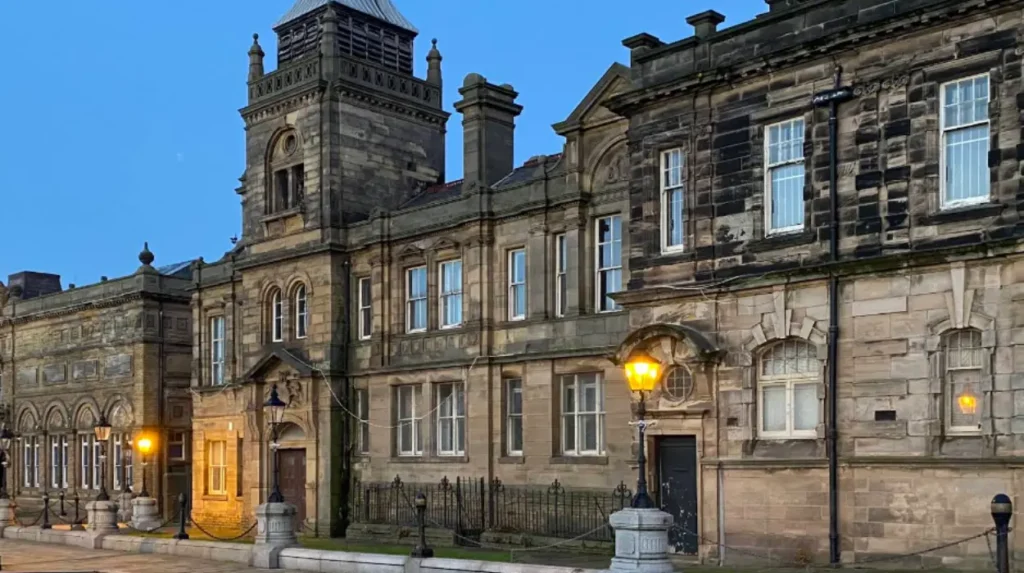
Additionally, Bootle Town Hall showcases late Victorian municipal architecture, featuring a red brick and stone exterior with clock towers. The public library system in Bootle offers free access to local history archives, maps, and photographic records.
How Can Visitors Access and Enjoy Derby Park Free of Charge?
Derby Park is a 12-hectare, Grade II listed Victorian urban park in Bootle offering free access to formal gardens, play areas, historic monuments, and wide open green space.
Opened in 1895, Derby Park was designed to provide clean air and outdoor recreation for Bootle’s rapidly growing industrial workforce. The park retains its original Victorian layout, featuring tree-lined avenues, ornamental flowerbeds, and a historic bandstand.
The park contains several notable monuments, including a Boer War memorial and historic civic statues that highlight the town’s military and municipal history. Visitors can explore these features along paved pathways suitable for wheelchairs and pushchairs.
Families can use modern playground facilities, sports pitches, and open lawns without paying any entry fees. The elevated position of the park offers clear views across the surrounding borough and towards the Liverpool docks.
Derby Park is managed by Sefton Council and maintained with support from local community volunteers. The park remains open daily from dawn until dusk, serving as an urban green sanctuary.
Frequently Asked Questions
What is the best time of day to visit Another Place at Crosby Beach?
The best time to visit Another Place at Crosby Beach is during low tide. Low tide exposes all 100 cast-iron sculptures across the sand. Late afternoon visits also provide panoramic views of the sunset over the Irish Sea.
Is there free parking available along the Sefton Coast and in Bootle?
Free parking is available at select locations, including street parking near Rimrose Valley and designated bays along parts of Crosby promenade. However, major coastal sites like Formby Beach charge parking fees for non-National Trust members. Public transport via Merseyrail is recommended.
Are dogs allowed on Crosby Beach and inside Rimrose Valley Country Park?
Dogs are permitted year-round across Rimrose Valley Country Park and on Crosby Beach. Owners must keep dogs under close control, clear up waste, and respect seasonal bird-nesting zones along coastal dunes.
How long does it take to walk the full length of the Sefton Coastal Path?
Walking the entire 21-mile Sefton Coastal Path takes approximately 7 to 9 hours. Most visitors divide the route into three smaller sections completed on separate days using Merseyrail stations along the path.
Are paths along the Leeds and Liverpool Canal wheel-chair and pram accessible?
The towpaths along the Leeds and Liverpool Canal in Bootle are largely flat, paved, and fully accessible for wheelchairs and prams. Multiple entry points from main roads offer gentle ramp access to the canal bank.