Woolton, Allerton, and Mossley Hill represent the three primary residential areas in South Liverpool. Each suburb features distinct architectural styles, local amenities, school catchment zones, and rail connections. Selecting the right village requires evaluating housing stock, commute times, and public park access across these three adjacent communities.
- How does Woolton Village compare in property types, historical character, and local lifestyle options?
- Why do buyers choose Mossley Hill for railway access, parkland, and Victorian architecture?
- How do property prices, school options, and transport networks compare across all three villages?
- Frequently Asked Questions
- Which South Liverpool village is best for commuting to Liverpool City Centre?
- How do house prices compare between Woolton, Allerton, and Mossley Hill?
- What are the main parks located in these South Liverpool suburbs?
- Which suburb offers the best selection of independent shops and restaurants?
- Are school catchments a major factor in South Liverpool property demand?
South Liverpool serves as a key residential zone within the City of Liverpool metropolitan area. Woolton, Allerton, and Mossley Hill sit approximately three to five miles southeast of Liverpool City Centre. These suburbs developed historically as independent townships before expanding into prime residential districts during the nineteenth and twentieth centuries. The region connects directly to Liverpool John Lennon Airport and the central business district via major road networks including the A562 and A561 corridors. Housing across South Liverpool comprises sandstone cottages, Victorian terraces, suburban semi-detached houses, and modern apartment complexes. The local economy relies on professional services, retail hubs, healthcare facilities, and educational institutions. Residents benefit from high concentrations of public green spaces, heritage sites, and commercial high streets.
The historical trajectory of South Liverpool shapes its modern property landscape. Woolton appears in the Domesday Book of 1086 as Uventone, developing around sandstone quarrying and agricultural production over several centuries. Allerton originated as a medieval manor, transforming into an enclave for prominent Liverpool merchants during the Industrial Revolution. Mossley Hill expanded rapidly following the opening of the Edge Hill to Crewe railway line in 1864, which established direct transport connections to central Liverpool. Wealthy industrialist families constructed large villa estates across all three areas throughout the Victorian era. The Liverpool Corporation systematically incorporated these townships into the city boundaries between 1895 and 1913. Sub-urbanization continued in the mid-twentieth century, creating the structured residential layouts observed across the three districts today.
Each suburb relies on specific structural boundaries and central commercial thoroughfares. Woolton centers on Woolton Village, defined by Woolton Street, Allerton Road, and Much Woolton primary zones. Allerton aligns along the extensive Allerton Road retail corridor, extending toward Calderstones Park and the Springwood boundary. Mossley Hill occupies elevated terrain surrounding Rose Lane, Bridge Road, and Mossley Hill Road. The structural layout of all three villages provides direct access to primary schools, independent retailers, and public transport hubs. Conservation areas protect historical architecture within Woolton Village, Mossley Hill, and the suburban borders of Allerton. Local planning policies preserve green space corridors that connect the individual neighborhoods across South Liverpool.
Transport infrastructure connects these villages to local and regional economic hubs. Northern Trains operates regular rail services from Mossley Hill Railway Station, delivering passengers to Liverpool Lime Street in under ten minutes. Allerton relies heavily on South Parkway interchange station, providing direct connections to Manchester, Birmingham, and London Euston. Bus transit operators run frequent routes along Allerton Road, Menlove Avenue, and Mather Avenue. Commuters using private transport access the M62 motorway via the A5058 Queens Drive outer ring road. Cycling infrastructure connects suburban roads directly to Sefton Park and the Mersey promenade. Transport accessibility remains a key factor driving buyer demand and property valuations across all three South Liverpool suburbs.
Demographic profiles reflect high rates of owner-occupancy, professional employment, and family households. According to UK Census statistics, South Liverpool maintains higher proportions of residents with Level 4 qualifications than the city average. Educational infrastructure includes high-performing institutions such as St Margaret’s Church of England Academy and Calderstones School. The presence of top-tier schools maintains steady housing demand across all local catchment areas. Property prices across Woolton, Allerton, and Mossley Hill remain consistently higher than the wider Merseyside average. Local commerce benefits from sustained consumer spending along retail streets like Allerton Road and Woolton Village. The demographic stability of South Liverpool supports long-term property value appreciation and infrastructure investment.
Future urban planning initiatives focus on preserving heritage assets while upgrading public infrastructure. Transport authorities continue to improve cross-city cycling networks and bus rapid transit corridors. Property redevelopment primarily involves green retrofitting of existing Victorian housing stock and selective infill development. Ecological management plans protect major municipal parks, ensuring sustained biodiversity across South Liverpool. Local commercial districts continue to adapt to changing retail patterns by expanding food, beverage, and service sectors. Demand for residential property in Woolton, Allerton, and Mossley Hill remains strong due to low inventory levels and high regional desirability. South Liverpool maintains its standing as an essential residential destination for professionals, families, and retirees.
How does Woolton Village compare in property types, historical character, and local lifestyle options?
Woolton features historic sandstone architecture, semi-detached family homes, independent retail outlets, and expansive public parks. The village offers a distinct semi-rural environment combined with strong educational institutions, rich cultural heritage, and direct bus routes into central Liverpool commercial districts.
Woolton sits on a high ridge of Sherwood Sandstone approximately five miles southeast of Liverpool City Centre. The village retains a distinct identity defined by its historic core, which received conservation area status in 1968. Housing stock ranges from eighteenth-century grade II listed sandstone cottages to large detached houses and 1930s suburban developments. Woolton Village serves as the commercial heart, featuring local butcher shops, bakeries, cafes, and traditional public houses. Notable green spaces include Reynolds Park, Woolton Woods, and the historic Camphill estate. The local geography provides elevated views across the Mersey Estuary toward the Cheshire plain. Residents experience a suburban environment with strong historical character and active community organizations.
The history of Woolton involves medieval agriculture, stone quarrying, and Beatles heritage. Red sandstone quarried in Woolton built the Liverpool Anglican Cathedral during the twentieth century. The village gained international cultural significance through its direct association with John Lennon and Paul McCartney, who first met at St Peter’s Church Hall in July 1957. Eleanor Rigby is buried in the churchyard of St Peter’s Church on Church Road. Historic buildings such as Woolton Hall, constructed in 1704, reflect the long-standing architectural prestige of the area. The local historical society maintains detailed archives documenting the evolution of Woolton from a rural township into a premier suburb. Historic preservation guidelines continue to influence building modifications within the central village core.
The structural framework of Woolton centers on a network of narrow streets around Woolton Street, Quarry Street, and Church Road. The village features public amenities including the Woolton Picture House, an independent cinema operating since 1926. Educational facilities include Much Woolton Catholic Primary School and St Julie’s Catholic High School. Retail property distribution favors independent local traders rather than national high street chains, maintaining a specialized commercial zone. Conservation policies enforce strict building controls to protect the visual integrity of sandstone structures and historic boundary walls. The structural layout encourages pedestrian activity around the central commercial triangle. Public parklands surround the residential sectors, forming protective green buffers between adjacent suburbs.
Daily operations in Woolton center on community events, local shopping, and outdoor recreational activities. Independent businesses form the core of the local economy, supported by active village trade associations. Public transit buses connect Woolton directly to Liverpool ONE shopping center and Liverpool South Parkway transport hub. Private vehicles access main arteries via Menlove Avenue and Speke Road. Public parks support active recreational pursuits, including guided walks, horticultural exhibitions, and community gardening programs. The low density of commercial development creates a quieter residential atmosphere compared to adjacent retail centers. The operational rhythm of Woolton appeals to buyers seeking suburban tranquility with access to city infrastructure.
Property market analysis indicates consistent demand for housing across all sectors in Woolton. Average property prices in Woolton routinely exceed broader city baseline figures due to housing scarcity and location appeal. Detached properties frequently command premium valuations, particularly those situated near Reynolds Park or along private residential avenues. The rental market exhibits low turnover rates, driven by high tenant retention and family occupancy. Real estate data highlights strong capital growth across sandstone period properties and extended suburban semi-detached units. Educational catchment zones directly influence local property bidding activity. Woolton maintains a resilient housing market backed by constrained supply and sustained buyer interest.
Woolton will continue to prioritize historic preservation alongside targeted environmental sustainability programs. Planning frameworks aim to protect the architectural integrity of sandstone assets while supporting home energy efficiency upgrades. Local community groups actively participate in maintaining public green spaces and managing urban forestry projects. Sustainable transport initiatives encourage walking and cycling along designated suburban corridors connecting to Allerton and Hunts Cross. The ongoing demand for primary and secondary school places ensures long-term residential stability. Woolton retains its reputation as an historic, self-contained suburban village within the broader Liverpool urban framework.
What makes Allerton a primary choice for shopping, schooling, and suburban housing? Allerton provides extensive commercial shopping along Allerton Road, access to top-rated secondary schools, and prime parkland at Calderstones. The suburb features high-density suburban semi-detached housing, modern apartments, excellent transit links, and extensive family-oriented local amenities.
Allerton occupies a central position in South Liverpool, bordered by Mossley Hill, Woolton, and Garston. The suburb is widely recognized for its vibrant commercial high street along Allerton Road, which accommodates national retailers, banks, restaurants, and independent boutiques. Housing stock consists primarily of 1920s and 1930s semi-detached properties, Victorian terraces, and select modern apartment developments. Calderstones Park forms the geographical and recreational anchor of the community, covering 126 acres of parkland, botanical gardens, and historic woodlands. Allerton offers an urban-suburban balance characterized by high commercial accessibility and green spaces. The neighborhood attracts families, working professionals, and long-term residents seeking convenient suburban living.
Historically, Allerton comprised large rural estates owned by wealthy Liverpool merchants and shipowners. Estates such as Allerton Hall, Allerton Tower, and Calderstones House dominated the landscape throughout the eighteenth and nineteenth centuries. The area transformed rapidly during the early twentieth century as municipal tramway extensions enabled suburban development. The Liverpool Corporation acquired Calderstones Park in 1902 to preserve public green space amidst expanding housing tracts. Suburban housebuilding between 1920 and 1940 established the structured street layouts visible today along Mather Avenue and Menlove Avenue. Allerton developed into a key commercial and residential hub serving the broader South Liverpool region.
The physical structure of Allerton relies on major transportation arteries intersecting residential zones. Allerton Road acts as the central economic spine, hosting over two hundred commercial units, retail outlets, and professional service providers. Residential roads extend outward in structured grids, offering varied housing densities and property layouts. Educational infrastructure is a key structural pillar, including Calderstones School, Booker Avenue Infant and Junior Schools, and Allerton High Grade institutions. The suburb incorporates significant green space, including Allerton Golf Course and the Allerton Towers parkland. This structural integration of retail, education, and parkland makes Allerton highly functional for daily suburban living.
Commercial and daily life in Allerton revolves around the bustling Allerton Road corridor and surrounding parks. Local transit options include direct bus service to Liverpool City Centre and proximity to Liverpool South Parkway station. Residents utilize Calderstones Park for sports, family recreation, and community events centered around the Mansion House. The retail precinct features a mix of supermarkets, casual dining establishments, financial services, and healthcare clinics. Private transport flows efficiently via Queens Drive and Menlove Avenue, connecting to regional motorway routes. The steady activity along Allerton Road provides a vibrant, urban atmosphere within a predominantly suburban environment.
Real estate performance in Allerton demonstrates steady transaction volumes and strong price resilience. Semi-detached three-bedroom and four-bedroom homes represent the largest share of market transactions. Property values along premium roads near Calderstones Park command significant market premiums. Investors and homeowners actively seek properties within the Calderstones School catchment area, driving competitive bidding. The rental sector offers strong yields for well-maintained suburban houses and modern flats located near retail hubs. Financial data shows consistent long-term capital appreciation across Allerton housing stock. Market demand remains elevated due to the comprehensive amenity package available to local residents.
Allerton is positioned for continued commercial vitality and residential stability. Local economic strategies emphasize supporting independent businesses along Allerton Road while upgrading public realm infrastructure. Environmental management plans focus on preserving the mature tree canopy and expanding green transit options. Property enhancement projects center on updating mid-century housing stock for modern energy efficiency standards. The suburban framework adapts to evolving family needs through home extensions and modernizations. Allerton maintains its status as a commercial, educational, and residential anchor for South Liverpool.
Why do buyers choose Mossley Hill for railway access, parkland, and Victorian architecture?
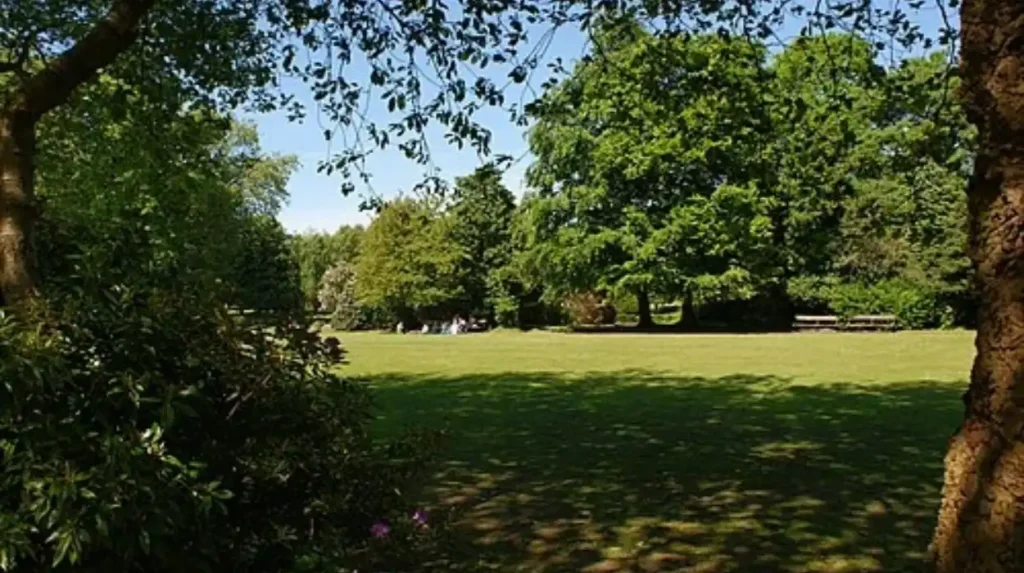
Mossley Hill features classic Victorian and Edwardian architecture, direct rail connections via Mossley Hill Station, and immediate proximity to Sefton Park. The area offers tree-lined avenues, top-performing schools, and strong capital growth potential for property buyers.
Mossley Hill sits four miles south of Liverpool City Centre on elevated ground overlooking the River Mersey. The suburb is defined by its grand Victorian and Edwardian red-brick houses, wide tree-lined avenues, and distinct architectural heritage. Rose Lane serves as the primary local shopping district, offering cafes, independent shops, and neighbourhood services. Mossley Hill borders Sefton Park, a 235-acre Grade I listed historic park, as well as Sudley House and its surrounding grounds. The elevated topography offers scenic views across the urban landscape toward the Wirral Peninsula. Mossley Hill attracts buyers seeking historic home character, commuter convenience, and immediate access to regional culture.
Mossley Hill developed as an exclusive residential district for Liverpool’s elite during the peak of the maritime trading boom. The opening of the railway in 1864 accelerated suburban expansion, allowing business leaders to commute easily to the city center. Wealthy merchants constructed large detached villas featuring intricate brickwork, stone dressings, and expansive gardens. Sudley House, built in 1824 and later owned by merchant George Holt, exemplifies the grand residential architecture of this period. Mossley Hill Parish Church, consecrated in 1875, stands as a prominent hilltop landmark visible across South Liverpool. The historical development pattern established low-density, high-quality housing across the district.
The structural arrangement of Mossley Hill integrates grand residential avenues with direct transport links. Major thoroughfares such as Mossley Hill Drive, Elmswood Road, and Rose Lane organize local traffic flow. Housing stock comprises large Victorian villas, Edwardian semi-detached houses, mid-century properties, and modern luxury apartment conversions. St Margaret’s Church of England Academy provides secondary education, anchoring local academic reputation. Sudley House operates as a public art gallery surrounded by preserved estate grounds managed by National Museums Liverpool. The structural layout emphasizes spacious residential plots, architectural grandeur, and seamless integration with public parklands.
Daily life in Mossley Hill centers on convenient rail commuting, park activities, and local village commerce. Mossley Hill Railway Station provides high-frequency train services reaching Liverpool Lime Street in under ten minutes. Residents walk directly to Sefton Park for exercise, outdoor festivals, and leisure at the Palm House. The Rose Lane commercial strip provides essential daily services, bakeries, bistros, and convenience shopping. Bus networks operate along Aigburth Road and Queens Drive, connecting Mossley Hill to adjacent districts. The suburb delivers a quieter, refined residential experience with swift access to central urban amenities.
Property market dynamics in Mossley Hill reflect premium valuations for Victorian and Edwardian housing stock. Period houses retaining original architectural features command top market prices among South Liverpool properties. Large villa conversions provide flexible flat options for young professionals seeking access to Mossley Hill rail links. Housing demand remains exceptionally strong due to limited housing supply and high location desirability. Comparative sales data highlights robust price retention during broader economic adjustments. The combination of historical architecture, green space, and rail transit maintains Mossley Hill as a top-tier residential investment zone.
Mossley Hill will maintain its exclusive residential profile while benefiting from modern infrastructure investments. Historic preservation initiatives protect key architectural assets and conservation areas across the suburb. Sustainable transport plans focus on enhancing pedestrian linkages to Sefton Park, Sudley House, and local rail stations. Residential upgrades prioritize sympathetic retrofitting of grand period homes to improve energy performance without sacrificing historical character. Demand from families and commuting professionals will continue to support high property values. Mossley Hill remains a premier choice for classic suburban living in South Liverpool.
How do property prices, school options, and transport networks compare across all three villages?
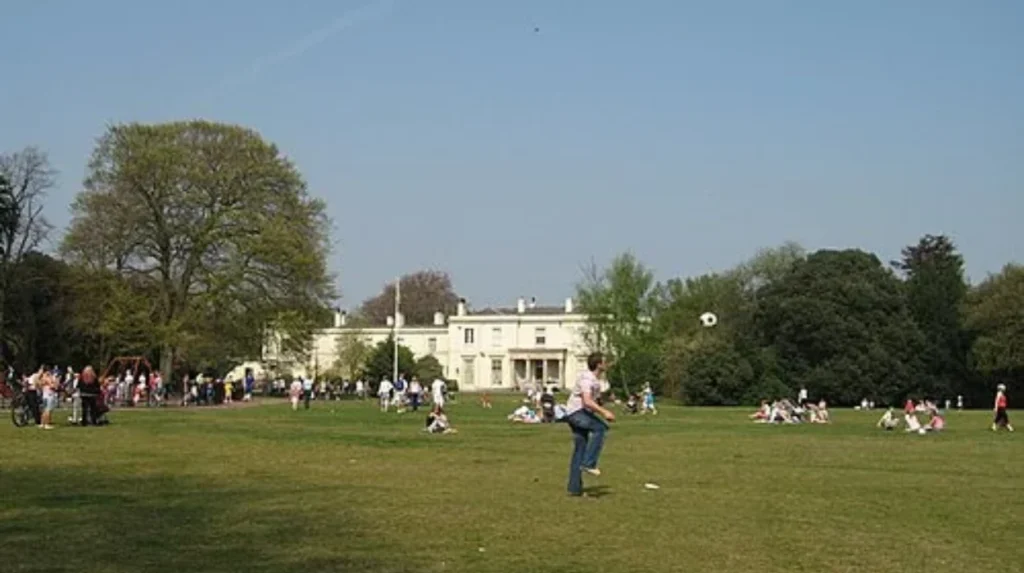
Woolton, Allerton, and Mossley Hill present unique trade-offs regarding median home valuations, educational catchment zones, and regional transport accessibility. Evaluating price per square foot, rail links, and school performance metrics helps buyers match their specific lifestyle and financial requirements to the correct village.
Property values across South Liverpool vary based on housing age, plot size, and proximity to transport hubs. Mossley Hill generally commands high average prices for Victorian and Edwardian period properties. Woolton displays a wide price spectrum, ranging from compact village cottages to expansive luxury estates near Reynolds Park. Allerton offers accessible entry points for suburban 1930s semi-detached homes alongside premium pricing near Calderstones Park. Comparing overall cost per square foot reveals that period architecture and direct rail access carry notable price premiums across all three suburbs. Buyers evaluate these financial factors against plot sizes, expansion potential, and long-term resale stability.
Educational provision across all three villages ranks among the highest in the Merseyside region. Woolton features respected primary institutions like Much Woolton Catholic Primary School and secondary options such as St Julie’s. Allerton houses Calderstones School, a large comprehensive school with strong academic results and extensive community facilities. Mossley Hill includes St Margaret’s Church of England Academy, known for high attainment scores and rigorous academic standards. Catchment boundaries heavily influence local real estate values, with properties inside top school zones securing faster sales. Families prioritize location choices based on proximity to primary and secondary educational providers.
Transport infrastructure differs across the three villages, impacting daily commute patterns. Mossley Hill provides direct rail service via its local station, delivering commuters to Liverpool Lime Street quickly. Allerton benefits from proximity to Liverpool South Parkway, offering broad regional links to Manchester, Birmingham, and London. Woolton relies primarily on bus routes and private road transport via Menlove Avenue and Speke Road. Commuters prioritizing fast rail travel often select Mossley Hill or Allerton over Woolton. Conversely, buyers seeking a self-contained village setting with less transit traffic often favor Woolton.
Lifestyle amenities, green spaces, and high street environments distinguish each neighborhood profile. Woolton provides a quiet, historic village atmosphere with independent shops and Reynolds Park. Allerton delivers a commercial environment along Allerton Road combined with the open green space of Calderstones Park. Mossley Hill offers refined historic residential living bordering Sefton Park and the cultural site of Sudley House. Each suburb caters to different lifestyle preferences while maintaining high safety standards and strong community cohesion. Selecting the right village depends on personal priorities regarding dining, commercial access, historic architecture, and parkland proximity.
Evaluating long-term market trends indicates strong demand and stable capital growth across South Liverpool. Constrained property supply and strict conservation boundaries limit new housing construction across all three suburbs. Infrastructure upgrades and ongoing investment in local schools continue to support residential desirability. Buyers transitioning from central urban flats to family homes consistently target these three districts. The structural stability of South Liverpool real estate protects capital investment across varying economic cycles. Woolton, Allerton, and Mossley Hill remain the leading suburban choices for long-term homeownership in Liverpool.
Frequently Asked Questions
Which South Liverpool village is best for commuting to Liverpool City Centre?
Mossley Hill is generally best for city center commuters due to its dedicated railway station on Rose Lane, which reaches Liverpool Lime Street in under ten minutes. Allerton also offers excellent transit options via Liverpool South Parkway station. Woolton relies primarily on bus services and private vehicle routes.
How do house prices compare between Woolton, Allerton, and Mossley Hill?
Mossley Hill generally commands the highest prices for large Victorian and Edwardian period properties. Allerton offers a wider range of 1930s semi-detached family homes with competitive entry points. Woolton features a varied market ranging from historic sandstone cottages to high-end detached estates.
What are the main parks located in these South Liverpool suburbs?
Woolton is home to Reynolds Park and Woolton Woods. Allerton features the 126-acre Calderstones Park and Allerton Towers. Mossley Hill directly borders the 235-acre Grade I listed Sefton Park and the grounds surrounding Sudley House.
Which suburb offers the best selection of independent shops and restaurants?
Allerton features the largest commercial strip along Allerton Road, hosting numerous restaurants, cafes, and retail shops. Woolton Village provides a charming, compact high street dominated by independent local businesses. Mossley Hill offers a selective range of neighbourhood bistros and shops along Rose Lane.
Are school catchments a major factor in South Liverpool property demand?
Yes, school catchment zones heavily drive housing demand across all three villages. High-performing institutions such as Calderstones School in Allerton, St Margaret’s in Mossley Hill, and Much Woolton Catholic Primary in Woolton consistently attract families and support high resale values.