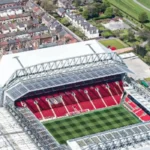

Anfield is a historic urban district in Liverpool, Merseyside, defined by its nineteenth-century working-class heritage and world-famous footballing legacy.
- Why Is The Sandon Pub Considered the Birthplace of Liverpool FC?
- How Does Homebaked Bakery Function as a Community Asset Near Anfield?
- What Architectural Features Define the Isla Gladstone Conservatory in Stanley Park?
- Where Can Visitors Explore Victorian Landscape Design in Stanley Park?
- What Historical Heritage Is Preserved inside The Albert Pub?
- What Cultural Significance Do the Anfield Street Murals Hold for the Neighborhood?
- Why Should Tourists Visit The Flatiron on Walton Breck Road?
- Frequently Asked Questions
- What is the best way to get to Anfield from Liverpool city center?
- Can you visit Stanley Park and the Isla Gladstone on matchdays?
- Is Homebaked Bakery open to the general public every day?
- Are the local pubs near Anfield welcoming to neutral tourists?
- How long does it take to walk around the Anfield street murals?
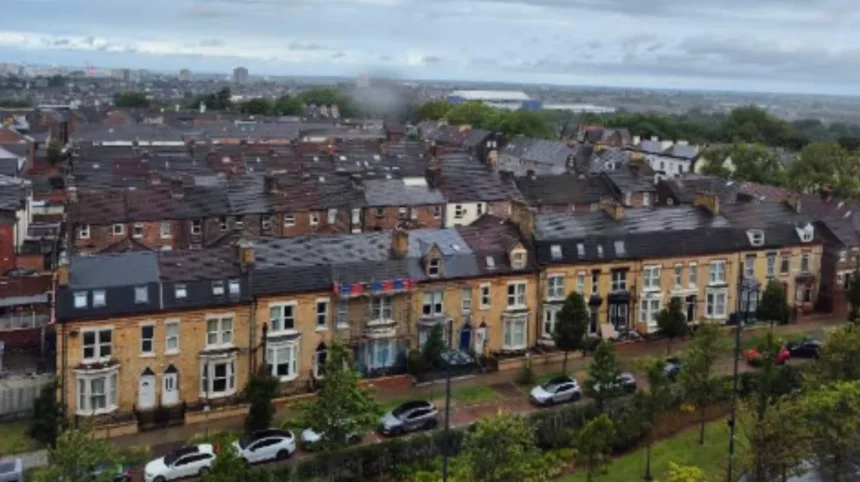
The district of Anfield evolved rapidly during the industrial expansion of Merseyside in the late nineteenth century. Victorian terraced housing was constructed to accommodate the growing workforce supporting the docks and manufacturing industries of Liverpool. The area gained international recognition following the establishment of Anfield Stadium in 1884, which initially hosted Everton FC before becoming the permanent home of Liverpool FC in 1892. Over the decades, the surrounding streets developed a dense network of local businesses, public parks, and traditional pubs. Today, the neighborhood retains its authentic urban character while undergoing significant municipal regeneration projects designed to preserve local culture and community assets.
Why Is The Sandon Pub Considered the Birthplace of Liverpool FC?
The Sandon Pub is an iconic nineteenth-century public house on Oakfield Road where Liverpool Football Club was officially founded in 1892.
The Sandon was originally owned by John Houlding, a former Mayor of Liverpool and the founding figure of Liverpool FC. In the late nineteenth century, the venue served as the primary changing facility for players from both Everton FC and Liverpool FC before stadium dressing rooms were constructed. Houlding held pivotal board meetings inside the building, leading directly to the creation of Liverpool Football Club in March 1892. Located just 300 yards from the stadium, the venue retains its Victorian brick architectural elements and historical artifacts. It functions as both an operational community pub and a pilgrimage site for sports historians.
How Does Homebaked Bakery Function as a Community Asset Near Anfield?
Homebaked Bakery is a co-operatively owned community enterprise on Oakfield Road that operates a traditional bakery while reinvesting profits locally.
Established to save a historic neighborhood bakery from demolition during urban clearance schemes, Homebaked operates as a land trust and worker co-operative. The shop serves freshly baked traditional British pies, artisan breads, and pastries to residents and visiting football supporters. Signature items include the Scouse Pie, which incorporates the traditional Merseyside meat and vegetable stew into a pastry crust. The organization provides fair-wage local employment, skills training, and affordable fresh food options. Profits generated by the bakery directly fund neighborhood housing initiatives and community spaces within the L4 postcode area.
What Architectural Features Define the Isla Gladstone Conservatory in Stanley Park?
The Isla Gladstone Conservatory is a restored Grade II listed Victorian glasshouse situated inside Stanley Park between Anfield and Goodison Park.
Constructed in 1870 and designed by architect Edward Kemp, the Isla Gladstone Conservatory stands as a landmark of Victorian municipal architecture. The structure features an intricate cast-iron framework enclosed by hundreds of individual glass panes set amidst manicured gardens and waterways. Following a full restoration funded by a fourteen million pound park regeneration project in 2007, the venue reopened to the public. It currently houses a licensed cafe, public dining area, and private event space. The conservatory provides visitors with a tranquil environment set away from matchday crowds while preserving Liverpool nineteenth-century horticultural heritage.
Where Can Visitors Explore Victorian Landscape Design in Stanley Park?
Stanley Park is a 111-acre Grade II listed public park located adjacent to Anfield Stadium, offering historical monuments, lakes, and gardens.
Opened in 1870, Stanley Park was designed by famous landscape architect Edward Kemp to provide green open space for the densely populated northern districts of Liverpool. The park acts as the geographic barrier separating Anfield Stadium from Goodison Park. Key features include formal sandstone terraces, expansive fishing lakes, wide pedestrian avenues, and historic stone bridges. The park houses a restored Victorian bandstand where public concerts were traditionally held. It offers extensive green space for walking, wildlife spotting, and outdoor leisure, representing one of the finest surviving examples of Victorian municipal park design in England.
What Historical Heritage Is Preserved inside The Albert Pub?
The Albert is a traditional nineteenth-century public house situated directly adjacent to the Kop stand on Walton Breck Road.
Built during the late Victorian era, The Albert has operated continuously alongside Anfield Stadium throughout the modern history of English football. The interior is decorated with historical memorabilia, including matchday scarves, vintage photographs, and historical press clippings. The pub is famous for its pre-match atmosphere, where supporters gather to sing club anthems. Despite modern commercial developments surrounding the stadium, The Albert retains its original layout, etched glass windows, and timber fittings. It remains an authentic representation of northern English pub culture and matchday tradition.
What Cultural Significance Do the Anfield Street Murals Hold for the Neighborhood?
The Anfield Street Murals are a collection of outdoor public artworks painted on residential buildings across the L4 area depicting local figures and history.
Commissioned by local arts organizations, fan groups, and independent artists, these large-scale public murals decorate the brick gables of traditional terraced houses around Anfield. The artworks depict iconic sports figures, historic cultural moments, and civic achievements connected to the city of Liverpool. Notable examples include murals honoring local legends, community leaders, and historical milestones on streets like Anfield Road and Sybil Road. These artworks have turned the neighborhood residential streets into an open-air public gallery. They encourage pedestrian exploration beyond the main stadium footprint while celebrating local identity, artistic expression, and community pride.
Why Should Tourists Visit The Flatiron on Walton Breck Road?
The Flatiron is a historic pub and hotel located on Walton Breck Road known for its distinctive triangular architecture and local hospitality.
Named after its characteristic wedge-shaped building design similar to famous flatiron structures of the industrial era, The Flatiron sits roughly ten minutes on foot from Anfield Stadium. The venue offers a traditional pub setting with draught beers, guest ales, and comfortable seating areas. Following extensive refurbishment, it also provides affordable hotel accommodation for travelers visiting Merseyside. Because of its location slightly further down Walton Breck Road, it offers a welcoming, relaxed environment away from the immediate congestion of the stadium turnstiles. The establishment serves as a historic neighborhood gathering place for local residents and visiting guests alike.
Frequently Asked Questions
What is the best way to get to Anfield from Liverpool city center?
Take the 917 express bus from St Johns Lane or Commutation Row, which runs directly to Anfield on matchdays. Regular public buses like the 17 and 26 also operate frequently from Queen Square Bus Station.
Can you visit Stanley Park and the Isla Gladstone on matchdays?
Yes, Stanley Park remains open to the public on matchdays. The Isla Gladstone Conservatory operates its cafe and dining services, though advance booking is recommended during peak event hours.
Is Homebaked Bakery open to the general public every day?
Homebaked Bakery is open Monday through Saturday from 8:00 AM to 3:30 PM for regular service. It also operates specialized hours on matchdays to serve stadium visitors.
Are the local pubs near Anfield welcoming to neutral tourists?
Local pubs around Anfield welcome neutral visitors and international tourists who respect the venue and local culture. Places like The Flatiron offer relaxed environments for all guests.
How long does it take to walk around the Anfield street murals?
Walking to view the main concentration of street murals around Anfield Road and Oakfield Road takes approximately 45 to 60 minutes. The route covers flat, accessible residential streets near the stadium footprint.