


Living in Liverpool offers access to one of the United Kingdom’s most connected urban transport networks outside London. The city combines the Merseyrail network, National Rail services, major road corridors, bus routes, cycling infrastructure, and ferry connections. Residents can commute efficiently to destinations across Merseyside, Greater Manchester, Cheshire, Lancashire, North Wales, and London. Liverpool Lime Street serves as the city’s primary intercity railway station, while Liverpool Central connects commuters with the wider Merseyrail network. Frequent rail services, expanding transport investment, and regeneration projects continue to strengthen Liverpool’s position as a regional commuting hub.
- Why is Liverpool considered one of the best cities for commuters in North West England?
- Which Liverpool neighbourhoods offer the best commute into the city centre?
- Which Liverpool areas provide the best transport links across Merseyside and neighbouring regions?
- How do different Liverpool neighbourhoods compare for commuting by train, road, and public transport?
- Best areas for rail commuters
- Best areas for motorway commuters
- Best areas for airport commuters
- Best areas for flexible commuting
- Which factors should you compare before choosing a commuter-friendly area in Liverpool?
- Frequently Asked Questions
- Which Liverpool area is best for commuting to Manchester?
- Is Merseyrail suitable for daily commuters?
- Which Liverpool neighbourhoods have the fastest access to the city centre?
- Is Liverpool South Parkway a good station for regional commuters?
- What should buyers consider when choosing a commuter-friendly area in Liverpool?
Why is Liverpool considered one of the best cities for commuters in North West England?
Liverpool is one of North West England’s strongest commuter cities because it combines an extensive rail network, comprehensive bus services, strategic motorway access, ferry connections, and direct intercity rail services. These transport options connect residential neighbourhoods with employment centres throughout Merseyside and neighbouring regions.
Liverpool’s transport system is centred around the Merseyrail network, which operates the Northern Line and Wirral Line. Services run frequently throughout the day, with trains connecting suburban communities to Liverpool city centre. Many routes operate every fifteen minutes, reducing waiting times for daily commuters.
Liverpool Lime Street provides direct services to Manchester, Birmingham, Leeds, Sheffield, London, Chester, and North Wales. Liverpool Central, Moorfields, James Street, and South Parkway complement the city’s rail infrastructure by serving regional and suburban travel needs.
Road commuters benefit from the M62 linking Liverpool with Manchester and Yorkshire, the M57 serving eastern suburbs, the M58 connecting West Lancashire, and the M53 providing access to the Wirral Peninsula. The Mersey Tunnels also create fast road connections beneath the River Mersey.
Liverpool’s bus network extends into every borough of the Liverpool City Region. Major operators provide high-frequency services between residential districts, employment zones, universities, hospitals, and retail centres.
The city’s transport system also supports sustainable commuting. Walking routes, cycle paths, park and ride facilities, and integrated ticketing encourage residents to reduce dependence on private vehicles while maintaining reliable daily travel.
Which Liverpool neighbourhoods offer the best commute into the city centre?
Several Liverpool neighbourhoods combine short travel times with excellent public transport. Aigburth, Mossley Hill, Allerton, Woolton, Wavertree, Crosby, Waterloo, and Childwall consistently provide strong commuter access through rail stations, major bus corridors, and strategic road connections.
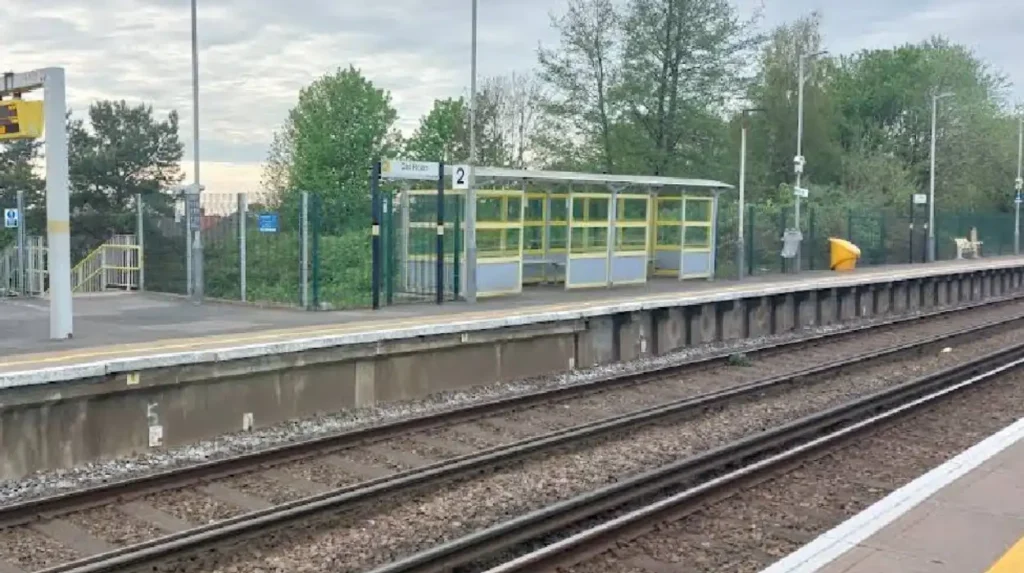
Aigburth
Aigburth sits south of Liverpool city centre and benefits from Merseyrail stations including Aigburth Station. Residents reach Liverpool Central within a relatively short journey while enjoying proximity to Sefton Park, Lark Lane, and the River Mersey waterfront. Frequent buses also connect the area with business districts and universities.
Mossley Hill
Mossley Hill provides regular rail services through Mossley Hill Station. The area combines Victorian housing, established schools, green spaces, and efficient commuter links into central Liverpool. Its location also provides convenient access towards South Parkway.
Allerton
Allerton is recognised for excellent road and bus connectivity. Liverpool South Parkway, located nearby, provides regional and national rail services while Liverpool John Lennon Airport remains within easy reach. Residents frequently choose Allerton for commuting flexibility.
Childwall
Childwall offers convenient access to Queens Drive, the M62 motorway, and multiple bus routes. Car commuters appreciate efficient road connections while public transport users benefit from regular city centre services.
Crosby and Waterloo
Located within Sefton, Crosby and Waterloo are connected by the Northern Line. Both areas combine coastal living with reliable rail access, making them popular among professionals travelling daily into Liverpool. Journey times remain competitive while residents benefit from beaches, parks, and established local amenities.
Which Liverpool areas provide the best transport links across Merseyside and neighbouring regions?
The strongest transport connections are found in Liverpool South Parkway, Aigburth, Woolton, Broad Green, Huyton, Crosby, Waterloo, and Bootle. These locations combine rail services, major road access, frequent buses, and park and ride facilities that support commuting across Merseyside, Cheshire, Lancashire, Greater Manchester, and North Wales.
Liverpool South Parkway is one of the city’s most important transport interchanges. It connects Merseyrail services with National Rail routes, local buses, and Liverpool John Lennon Airport. Direct trains serve Manchester, Birmingham, Sheffield, Crewe, Nottingham, Norwich, and other regional destinations. The station also offers more than 300 parking spaces, making it popular with park and ride commuters.
Broad Green and Huyton provide convenient access to Liverpool Lime Street through frequent rail services while also offering direct access to the M62 motorway. These eastern suburbs are particularly attractive for commuters travelling towards Manchester, Warrington, and Yorkshire because they reduce city centre congestion before joining intercity rail or motorway routes.
Bootle benefits from Northern Line services into Liverpool city centre and provides straightforward access to the Port of Liverpool, commercial districts, and employment centres throughout Sefton. Residents also benefit from regular bus services linking surrounding communities.
Crosby and Waterloo continue to attract professionals working both inside and outside Liverpool. Their Northern Line stations provide regular services into Liverpool Central while road connections support travel towards Southport and West Lancashire. Community discussions consistently identify these areas as practical commuter locations because they combine reliable transport with coastal amenities.
For commuters travelling beyond Merseyside, Liverpool South Parkway remains one of the most versatile stations. Long-distance rail services reduce the need to travel through Liverpool Lime Street before beginning regional or national journeys.
How do different Liverpool neighbourhoods compare for commuting by train, road, and public transport?
Liverpool neighbourhoods offer different commuting advantages depending on travel method. Southern suburbs excel for rail and airport access, eastern suburbs favour motorway users, while northern communities provide frequent Merseyrail services into the city centre and surrounding employment areas.
Best areas for rail commuters
Aigburth, Mossley Hill, Cressington, and Wavertree provide quick rail access through Merseyrail or City Line stations. Frequent services reduce waiting times and connect directly with Liverpool Central or Liverpool Lime Street. Residents also benefit from nearby bus routes that complement rail travel.
Best areas for motorway commuters
Childwall, Broad Green, Huyton, and West Derby provide convenient access to Queens Drive, the M57, and the M62. These routes connect commuters with Warrington, Manchester, Cheshire, Lancashire, and Yorkshire without travelling through central Liverpool.
Best areas for airport commuters
Allerton, Woolton, Garston, and Cressington sit close to Liverpool South Parkway and Liverpool John Lennon Airport. Bus routes connect the airport with the station in approximately 26 minutes from Liverpool city centre, making these neighbourhoods attractive for aviation professionals and frequent business travellers.
Best areas for flexible commuting
Neighbourhoods such as Aigburth and Allerton provide several transport choices instead of relying on one network. Residents can combine rail, bus, cycling, and private vehicle travel according to daily requirements. This flexibility improves resilience during service disruption while supporting hybrid working patterns.
Liverpool’s integrated transport system also includes contactless ticketing, flexible commuter tickets, and park and ride facilities that simplify regular travel for people working two or three office days each week. Merseyrail offers flexible ticket products designed specifically for changing commuter patterns.
Which factors should you compare before choosing a commuter-friendly area in Liverpool?
Choosing the best Liverpool area for commuting depends on transport accessibility, journey times, rail frequency, road connectivity, local amenities, housing costs, and future infrastructure investment. Comparing these factors helps residents select a location that supports reliable daily travel and long-term quality of life.
Transport accessibility should be the first consideration. Living within walking distance of a Merseyrail station or a major bus corridor reduces overall commuting time and increases travel flexibility. Many Liverpool neighbourhoods benefit from trains operating every 15 minutes during most daytime periods, making public transport a practical alternative to driving.
Journey time remains one of the most important measures for commuters. Areas such as Aigburth, Mossley Hill, Waterloo, Crosby, and Garston offer relatively short journeys into Liverpool city centre while also providing convenient regional connections. Shorter travel times improve work-life balance and reduce daily transport costs.
Road connectivity is equally important for motorists. Neighbourhoods close to the M62, M57, M53, Queens Drive, and the Mersey Tunnels allow efficient travel towards Manchester, Chester, Warrington, North Wales, and Lancashire. Residents working outside Liverpool often prioritise these direct motorway links over city-centre locations.
Public transport integration also influences commuting convenience. Liverpool South Parkway combines Merseyrail, National Rail, local buses, airport services, cycling facilities, and a large park and ride site in one location. This integrated interchange allows commuters to switch easily between different modes of transport.
Housing affordability should be considered alongside transport quality. Areas with excellent rail connections often provide better value than city-centre apartments while maintaining fast access to employment districts. Buyers and renters frequently compare commuting costs with property prices to determine overall affordability.
Future regeneration projects also strengthen commuter locations. Investment in stations, active travel routes, and public transport infrastructure continues across the Liverpool City Region, improving long-term accessibility and supporting residential growth.
Reliable ticket options contribute to lower commuting expenses. Merseyrail offers flexible ticket products, contactless Tap & Go travel, and commuter fares designed for hybrid working patterns, helping regular travellers manage transport costs more efficiently.
Liverpool remains one of the strongest commuter cities in North West England because it combines an extensive rail network, integrated public transport, strategic motorway access, and direct national rail connections. Neighbourhoods such as Aigburth, Allerton, Mossley Hill, Woolton, Crosby, Waterloo, Childwall, and Garston offer reliable access to Liverpool city centre while supporting journeys across Merseyside, Greater Manchester, Cheshire, Lancashire, and North Wales. The Merseyrail network, Liverpool South Parkway interchange, and Liverpool Lime Street station continue to form the backbone of regional commuting, giving residents multiple travel options for work, education, and leisure.
When choosing the best Liverpool area for commuting, transport links should be assessed alongside housing affordability, local amenities, schools, healthcare, and future regeneration projects. Living near a well-connected rail station or major road corridor reduces journey times and increases flexibility for hybrid working. Features such as Tap & Go ticketing, flexible commuter fares, and frequent train services also simplify everyday travel and lower commuting costs for regular passengers.
As Liverpool City Region continues investing in transport infrastructure and sustainable mobility, commuter-friendly neighbourhoods are expected to remain among the most desirable places to live. Selecting an area with strong transport connectivity provides long-term value, improves daily convenience, and supports access to employment opportunities across the wider North West.
Frequently Asked Questions
Which Liverpool area is best for commuting to Manchester?
Neighbourhoods including Broad Green, Huyton, Childwall, and Allerton provide excellent access to the M62 and nearby National Rail services. Liverpool South Parkway and Liverpool Lime Street also offer direct train connections to Manchester, making these locations popular with daily commuters.
Is Merseyrail suitable for daily commuters?
Yes. Merseyrail operates frequent services across the Northern and Wirral lines, with many routes running every 15 minutes. Contactless Tap & Go, flexible commuter tickets, and integrated stations make daily travel simple and cost-effective.
Which Liverpool neighbourhoods have the fastest access to the city centre?
Aigburth, Mossley Hill, Wavertree, Waterloo, Crosby, and Garston all provide quick access to Liverpool city centre through rail or high-frequency bus services. Travel times vary by location, but these neighbourhoods consistently rank among the most convenient for commuters.
Is Liverpool South Parkway a good station for regional commuters?
Yes. Liverpool South Parkway is one of the city’s main transport hubs. It connects Merseyrail, National Rail, local buses, park and ride facilities, and Liverpool John Lennon Airport, offering convenient travel across Merseyside and beyond.
What should buyers consider when choosing a commuter-friendly area in Liverpool?
Key factors include proximity to rail stations, motorway access, bus services, journey times, local amenities, housing affordability, schools, and future transport investment. Comparing these factors helps identify a neighbourhood that supports reliable commuting and long-term lifestyle needs.