

Liverpool is one of England’s largest cities, combining historic neighbourhoods, thriving business districts, universities, waterfront attractions, and established residential communities. Choosing a safe place to live involves much more than looking at overall crime figures. Local crime patterns, transport links, schools, housing quality, green spaces, and community facilities all contribute to neighbourhood safety and quality of life.
- What makes an area one of the safest places to live in Liverpool?
- Which Liverpool neighbourhoods are widely considered among the safest?
- How does official crime data help identify safe places to live?
- Why is South Liverpool often considered safer than many other parts of the city?
- What should families consider when choosing a safe neighbourhood in Liverpool?
- How can buyers and renters use local data before moving to Liverpool?
- What future developments could influence safety across Liverpool neighbourhoods?
- What should you remember when choosing one of the safest areas to live in Liverpool?
- Frequently Asked Questions
Official crime statistics show that crime levels vary significantly between Liverpool’s wards and neighbourhoods. The Liverpool City Council publishes annual crime indicators, while neighbourhood-level information is available through ward profiles and Police.uk crime maps. These datasets provide residents with evidence-based information instead of relying on reputation or outdated opinions.
What makes an area one of the safest places to live in Liverpool?
The safest areas in Liverpool combine comparatively lower crime levels, strong neighbourhood policing, high-quality housing, reliable transport, good schools, accessible healthcare, active communities, and well-maintained public spaces. Safety reflects long-term community conditions rather than a single crime statistic or isolated incident.
Safety is measured through several official indicators rather than one number. Recorded crime rates, anti-social behaviour, burglary levels, vehicle crime, violent offences, and neighbourhood policing activity all contribute to understanding local conditions. Liverpool City Council regularly updates these figures using information supplied by Merseyside Police and national crime datasets.
Housing quality also influences neighbourhood stability. Areas with established owner occupation, maintained public spaces, and long-term residents often experience stronger community engagement. Liverpool’s ward profiles include information about housing, deprivation, education, and community safety, allowing residents to compare different locations using consistent official data.
Public transport accessibility improves neighbourhood resilience. Communities with regular bus services, Merseyrail stations, local shopping centres, healthcare providers, and schools encourage daily activity throughout the area, increasing natural surveillance and community interaction.
Police visibility remains another important factor. Neighbourhood policing teams work alongside local councils, housing providers, schools, and community organisations to reduce anti-social behaviour, burglary, and violence through prevention initiatives rather than enforcement alone.
Which Liverpool neighbourhoods are widely considered among the safest?
Neighbourhoods including Woolton, Mossley Hill, Allerton, Calderstones, Childwall, Aigburth, and parts of Crosby consistently receive positive recognition for community safety, family environments, schools, green spaces, and residential stability alongside comparatively desirable housing markets.
Woolton remains one of Liverpool’s most established residential districts. The area offers detached and semi-detached housing, respected primary and secondary schools, independent businesses, and extensive parkland. Long-term owner occupation contributes to community stability.
Mossley Hill combines Victorian housing, university influence, local shopping streets, and excellent transport connections. Despite being close to the city centre, it maintains a suburban character with relatively lower levels of serious crime compared with central entertainment districts.
Allerton benefits from Allerton Road’s retail and restaurant facilities while remaining primarily residential. Schools, healthcare services, parks, and transport links make the neighbourhood attractive to families and professionals seeking long-term accommodation.
Calderstones is recognised for Calderstones Park, spacious housing, and highly regarded educational facilities. Residential streets experience less through traffic than many inner-city neighbourhoods, contributing to quieter living conditions.
Childwall combines established housing, educational institutions, healthcare facilities, and convenient access to Liverpool city centre, the M62, and Liverpool John Lennon Airport. Community infrastructure supports long-term residential demand.
Aigburth, located near Sefton Park and the River Mersey, attracts families and professionals through attractive housing, recreational space, and strong transport links. National property experts have also highlighted the wider Sefton Park area among England’s desirable residential locations.
How does official crime data help identify safe places to live?
Official crime data provides objective evidence about neighbourhood safety by recording burglary, robbery, vehicle crime, anti-social behaviour, violence, and other offences. Residents should compare local trends over several years instead of relying on isolated incidents or social media discussions.
Liverpool City Council publishes headline crime indicators covering offences recorded by Merseyside Police. These include burglary, robbery, vehicle crime, anti-social behaviour, and violence with injury. Such information allows meaningful comparison across neighbourhoods and over time.
Police.uk provides street-level crime mapping across England and Wales. Residents can search individual postcodes, examine monthly trends, identify policing priorities, and understand the most frequently reported offence categories within each neighbourhood.
Ward profiles add another layer of understanding by combining crime information with education, housing, deprivation, health, transport, and environmental indicators. Looking at these datasets together produces a more balanced picture than crime numbers alone.
Crime data should always be interpreted within local context. City centres naturally record higher theft levels because they attract workers, tourists, shoppers, sporting events, nightlife, and visitors from across the wider region. Higher recorded crime does not automatically indicate poor residential quality.
Neighbourhood policing initiatives, community partnerships, alleygate schemes, CCTV, and anti-social behaviour programmes also contribute to reducing crime and improving public confidence across Liverpool communities.
Why is South Liverpool often considered safer than many other parts of the city?
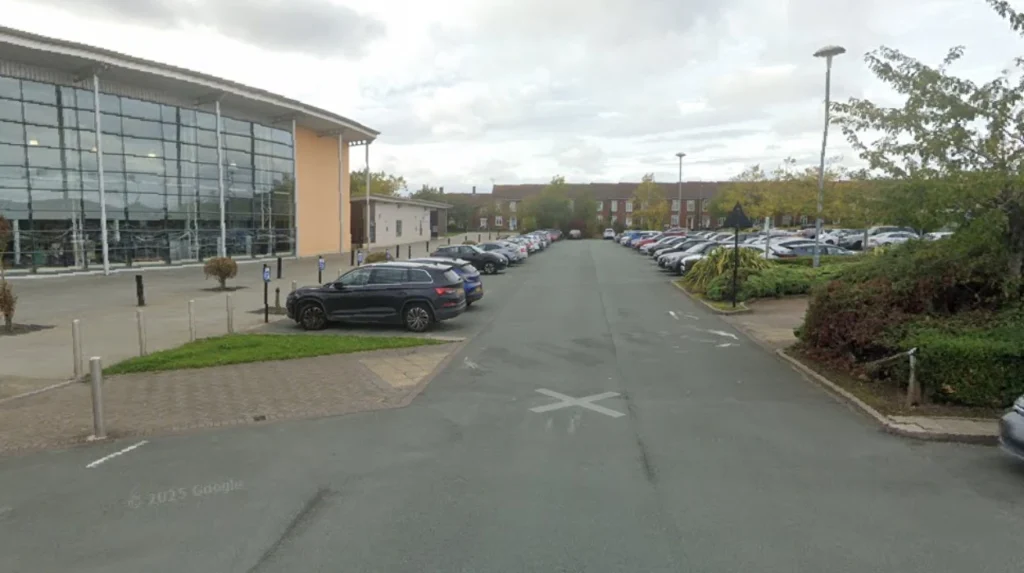
South Liverpool contains several established residential neighbourhoods with stable housing, respected schools, extensive green spaces, active community organisations, and strong transport links. These characteristics contribute to comparatively favourable safety indicators and consistently high demand from families, professionals, and retirees.
South Liverpool includes neighbourhoods such as Woolton, Allerton, Calderstones, Mossley Hill, Childwall, and Aigburth. These areas have long-established residential communities with a high proportion of owner-occupied housing, contributing to neighbourhood stability. They also benefit from parks, healthcare facilities, local shopping centres, and regular public transport, making them attractive places to live.
Green spaces play an important role in neighbourhood quality. Calderstones Park, Sefton Park, Reynolds Park, and Camp Hill provide recreational facilities, walking routes, children’s play areas, and organised community events. These public amenities encourage daily activity and strengthen local community engagement.
Education is another major advantage. South Liverpool is home to several highly regarded primary and secondary schools, independent schools, and colleges. Families often prioritise access to quality education when choosing where to live, increasing long-term residential demand across these neighbourhoods.
Transport infrastructure also supports safety and convenience. Merseyrail stations, regular bus routes, nearby motorway access, and Liverpool John Lennon Airport provide excellent regional connectivity while allowing residents to commute efficiently throughout Merseyside.
Neighbourhood policing teams actively work with residents, schools, businesses, and community groups to identify local priorities and reduce crime. Community engagement programmes and preventative policing continue to support public confidence throughout South Liverpool.
What should families consider when choosing a safe neighbourhood in Liverpool?
Families should evaluate crime statistics, school performance, healthcare access, transport connections, housing quality, parks, community facilities, and long-term neighbourhood stability. Considering multiple indicators provides a more accurate assessment than relying on property prices or reputation alone.
Official crime maps provide valuable information about the frequency and types of offences reported in specific locations. Families should compare several months of recorded data to understand long-term patterns rather than focusing on individual incidents. Liverpool City Council and Police.uk both provide regularly updated datasets that help residents make informed decisions.
Schools are often one of the strongest indicators of neighbourhood demand. Areas with consistently good educational provision frequently experience greater residential stability, stronger community involvement, and sustained investment in local services.
Healthcare availability also influences quality of life. Access to GP surgeries, pharmacies, dental practices, hospitals, and emergency services ensures residents can obtain essential medical care quickly. Liverpool’s ward and neighbourhood profiles include information about local healthcare provision alongside education, housing, and community safety.
Housing condition should also be assessed carefully. Well-maintained residential streets, adequate street lighting, public cleanliness, and ongoing investment in local infrastructure contribute to a safer and more pleasant living environment.
Finally, visiting an area during different times of the day provides useful context. Morning, afternoon, evening, and weekend visits allow prospective residents to observe traffic levels, public activity, local businesses, and the overall atmosphere before making a long-term housing decision.
How can buyers and renters use local data before moving to Liverpool?
Buyers and renters should combine official crime statistics, ward profiles, neighbourhood reports, transport information, school performance, housing market data, and local visits. Using multiple trusted sources creates a balanced understanding of each Liverpool neighbourhood before making a property decision.
The Liverpool City Council Ward Profiles provide detailed information covering community safety, demographics, housing, deprivation, education, health, environmental quality, and local services. These profiles allow direct comparisons between neighbourhoods using consistent official data rather than informal opinions.
Police.uk crime maps allow postcode searches that display reported offences by category, including burglary, anti-social behaviour, vehicle crime, robbery, criminal damage, and violence. Reviewing trends over several months provides a clearer picture of neighbourhood conditions than reviewing a single reporting period.
The Office for National Statistics also provides demographic, housing, health, and Census information for Liverpool and its neighbourhoods. These datasets help explain broader community characteristics alongside recorded crime data.
Property buyers should also examine transport accessibility, commuting times, healthcare facilities, shopping centres, recreational spaces, and future regeneration projects. These factors influence both everyday convenience and long-term property demand.
Combining official statistics with personal visits produces the most reliable assessment. Local data identifies measurable trends, while visiting the neighbourhood helps residents evaluate traffic, maintenance, noise levels, public spaces, and the overall community environment before committing to a purchase or rental agreement.
What future developments could influence safety across Liverpool neighbourhoods?
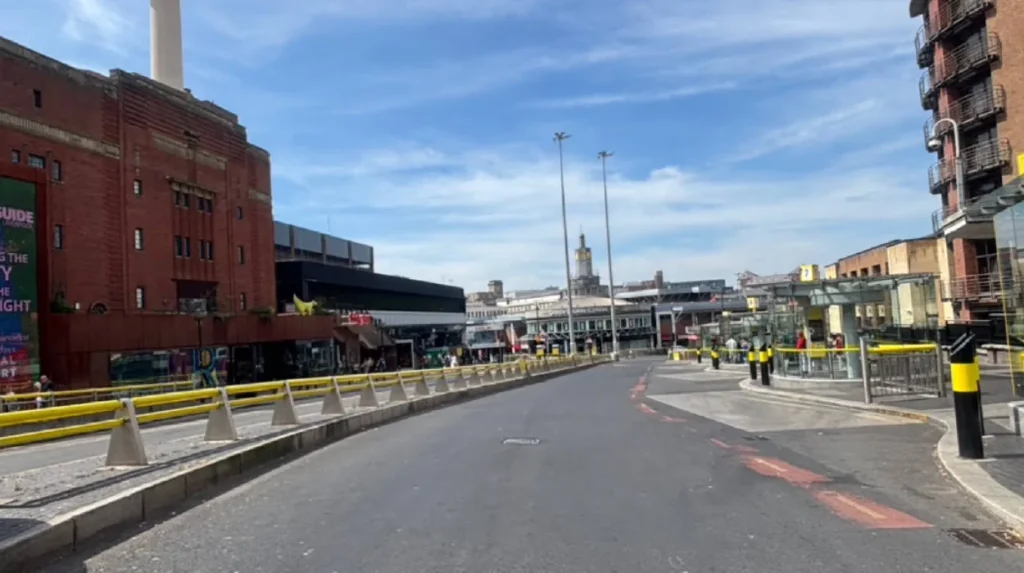
Liverpool continues to invest in regeneration, neighbourhood policing, housing improvements, transport, and community services. These long-term initiatives strengthen residential areas, improve public spaces, support local economies, and contribute to safer communities through sustained public and private investment.
Liverpool City Council continues to publish neighbourhood and ward profiles that monitor community safety, housing, education, environmental quality, health, and local services. These datasets help identify where investment is needed and allow progress to be measured over time.
Urban regeneration remains an important part of Liverpool’s long-term development strategy. Investment in housing renewal, public infrastructure, local employment, and neighbourhood facilities encourages economic growth while improving everyday living conditions for residents. Regeneration projects often include improvements to streets, lighting, public transport, and community facilities that enhance neighbourhood resilience.
Neighbourhood policing also continues to evolve through closer collaboration between Merseyside Police, Liverpool City Council, housing associations, schools, and community organisations. Preventative approaches focus on reducing anti-social behaviour, supporting vulnerable residents, and increasing public confidence in local policing services.
Modern technology has also improved community safety. CCTV networks, digital reporting systems, crime mapping tools, and improved emergency response coordination enable authorities to identify crime patterns more efficiently and allocate policing resources where they are needed most.
Residents also play an essential role in neighbourhood safety. Active residents’ groups, neighbourhood watch schemes, volunteer organisations, and community events strengthen local relationships and encourage people to report concerns promptly. These partnerships support safer and more connected communities throughout Liverpool.
What should you remember when choosing one of the safest areas to live in Liverpool?
No neighbourhood is completely crime free. The safest decision comes from comparing official crime statistics, housing quality, schools, transport, healthcare, and community facilities before selecting a location that matches your lifestyle, family needs, and long-term housing goals.
Official crime data should always be the starting point. Liverpool City Council publishes headline crime indicators covering burglary, robbery, vehicle crime, anti-social behaviour, and violent crime, while Police.uk provides postcode-level crime mapping for every neighbourhood. Using these trusted sources allows residents to compare areas objectively rather than relying on outdated perceptions.
Neighbourhood profiles provide additional context beyond crime figures. Information about schools, healthcare, employment, housing, deprivation, environmental quality, and local services helps explain why some residential areas experience stronger long-term stability than others. Looking at several indicators together provides a more balanced assessment of neighbourhood quality.
Many of Liverpool’s most sought-after residential areas, including Woolton, Mossley Hill, Calderstones, Childwall, Allerton, and Aigburth, consistently attract families and professionals because they combine established communities with quality schools, parks, transport links, and well-maintained housing. Individual streets, however, still vary within every neighbourhood.
Prospective buyers and renters should visit shortlisted areas during weekdays, evenings, and weekends. Observing traffic, public activity, local amenities, and neighbourhood maintenance provides valuable practical insight that complements official statistics.
Choosing a home is a long-term decision. Combining verified local data with personal visits creates the strongest foundation for selecting a safe, well-connected, and sustainable place to live in Liverpool.
Choosing among the safest areas to live in Liverpool requires more than comparing property prices or relying on local reputation. Official crime statistics, ward profiles, neighbourhood reports, transport links, school performance, healthcare access, and community facilities provide a far more accurate picture of residential safety. Liverpool City Council and Merseyside Police regularly publish data that allows buyers and renters to evaluate neighbourhoods using reliable evidence rather than assumptions.
Neighbourhoods such as Woolton, Mossley Hill, Calderstones, Allerton, Childwall, and Aigburth remain popular because they combine established communities, quality schools, green spaces, and strong local amenities. While no area is completely free from crime, these neighbourhoods continue to attract families, professionals, and retirees seeking stable residential environments.
Before making a final decision, compare several months of official crime data, visit prospective neighbourhoods at different times of the day, review local schools and transport options, and examine Liverpool City Council’s ward and neighbourhood profiles. Taking this evidence-based approach helps you select a location that suits both your lifestyle and long-term housing goals.
Frequently Asked Questions
Is Woolton the safest area to live in Liverpool?
Woolton is widely regarded as one of Liverpool’s most desirable residential areas because of its established community, quality schools, parks, and lower levels of certain crime categories compared with many busy inner-city locations. Residents should still review current Police.uk crime maps and Liverpool City Council data before making a housing decision.
Which Liverpool areas are best for families?
Families commonly consider Woolton, Allerton, Mossley Hill, Calderstones, Childwall, and Aigburth because these neighbourhoods offer respected schools, healthcare services, green spaces, convenient transport, and established residential communities. Individual property prices and amenities vary across each area.
How can I check crime rates before moving to Liverpool?
The most reliable sources are Liverpool City Council’s crime indicators, ward profiles, neighbourhood profiles, and the Police.uk postcode crime map. These official resources allow buyers and renters to compare burglary, anti-social behaviour, vehicle crime, robbery, and violent offences across different neighbourhoods.
Is Liverpool a safe city to live in overall?
Liverpool is a major UK city with diverse residential neighbourhoods that experience different crime patterns. Busy commercial and entertainment districts naturally record more incidents than suburban residential areas. Reviewing neighbourhood-specific data provides a much more accurate assessment than looking at city-wide figures alone.
What factors should I compare besides crime statistics?
Compare school quality, healthcare access, transport links, housing condition, local employment, green spaces, shopping facilities, and community services alongside crime data. Looking at these indicators together provides a balanced understanding of neighbourhood quality and long-term suitability.