

Liverpool captivates with its rich history, vibrant culture, and affordable lifestyle, making it a top choice for residents seeking urban energy without sky-high costs. This evergreen guide explores what daily life entails in this Merseyside gem, from neighborhoods to nightlife, optimized for searches like “living in Liverpool pros and cons” or “best areas in Liverpool UK.”
- A Brief History of Liverpool
- Why Choose Liverpool for Living?
- Best Neighborhoods to Live In
- Cost of Living Breakdown
- Cultural Scene and Entertainment
- Education and Family Life
- Job Market and Economy
- Food and Drink Highlights
- Outdoor Activities and Green Spaces
- Transport and Getting Around
- Pros and Cons of Liverpool Life
- Moving to Liverpool: Practical Tips
- Why Liverpool Endures as a Home
A Brief History of Liverpool
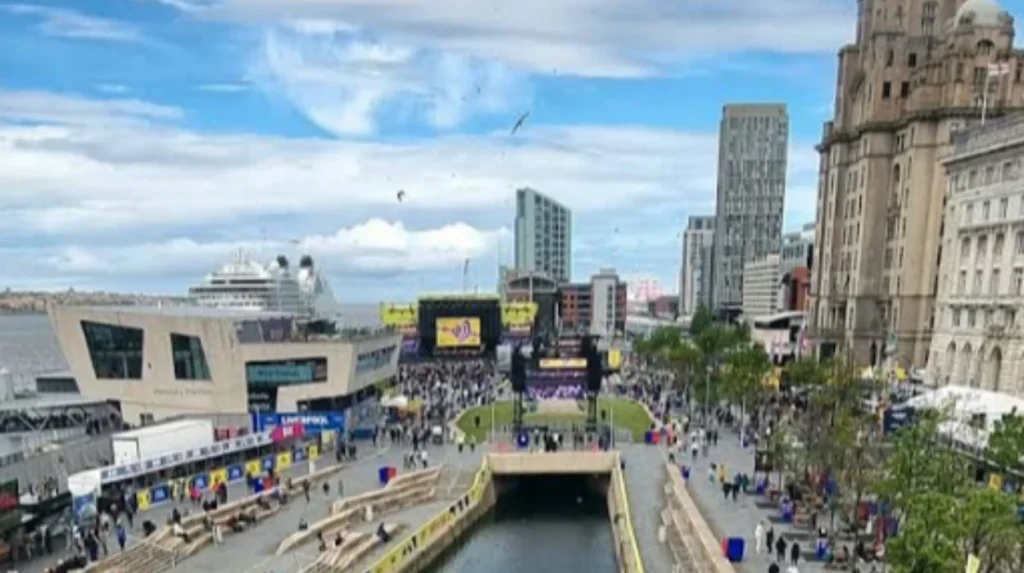
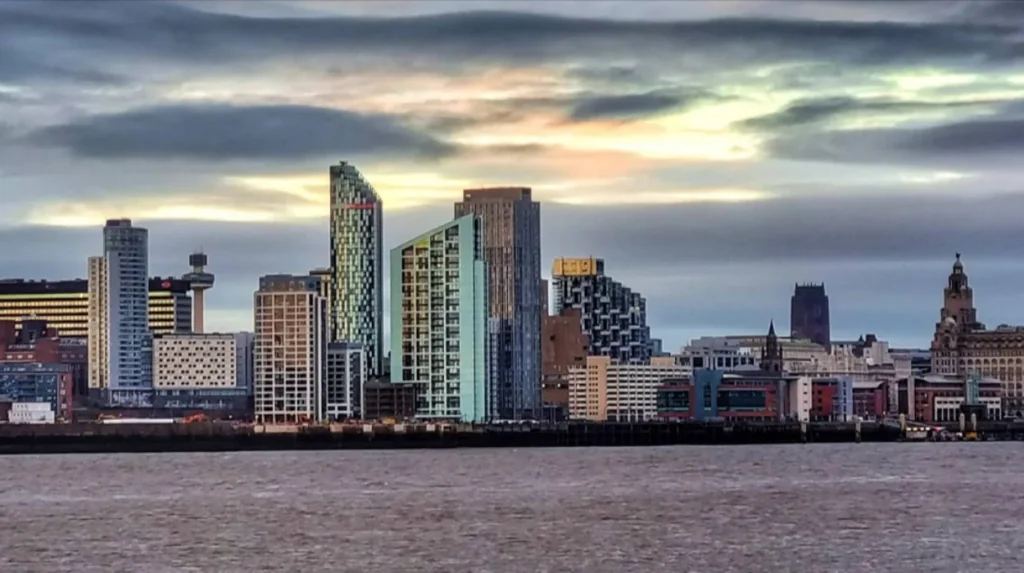
Liverpool started as a small fishing village in the medieval era but exploded into a global powerhouse during the 18th and 19th centuries as a key port for cotton, tobacco, and the tragic transatlantic slave trade. Its docks drove the Industrial Revolution, funding grand Georgian buildings and cathedrals that still define the skyline. In the 20th century, cultural icons like The Beatles emerged from gritty post-war streets, alongside football legends Liverpool FC and Everton FC, cementing its worldwide fame. After economic slumps in the 1970s and 1980s, regeneration kicked off with the 2008 European Capital of Culture status, transforming the waterfront into a bustling hub. Today, with around 500,000 residents, Liverpool blends Scouse pride, UNESCO-recognized music heritage, and modern innovation, offering a timeless living experience.
Why Choose Liverpool for Living?
Liverpool shines for its exceptional value, with one-bedroom city-center rents averaging £900 monthly—half of London’s prices—freeing up cash for football tickets or waterfront dining. The famously friendly Scousers create instant community, whether chatting at markets or cheering at matches, fostering a welcoming vibe rare in bigger UK cities. Superb connectivity via Lime Street and Liverpool South Parkway stations gets you to London in under three hours, while John Lennon Airport serves budget flights across Europe. Home to elite universities like the University of Liverpool, the city buzzes with youthful energy, top-tier research, and events that keep life exciting year-round.
Best Neighborhoods to Live In
For trendy vibes, Ropewalks in the L1 postcode offers walkable access to bars, indie shops on Bold Street, and nightlife, ideal for young professionals starting out. Families gravitate to south Liverpool’s Allerton or Woolton, where leafy streets, excellent schools, and parks like Calderstones provide suburban calm just 20 minutes from the center. Creative types thrive in the Baltic Triangle, a former industrial zone reborn with street art, craft breweries, pop-up events, and affordable lofts that spark innovation. Coastal Aigburth delivers relaxed living with beaches, value rents around £700, and quick bus links, perfect for those craving sea air without isolation. North end spots like Anfield suit die-hard football fans, blending community spirit with regenerating cafes and proximity to stadium roars.
Cost of Living Breakdown
A single person’s monthly budget in Liverpool totals about £1,800 including rent, significantly lower than Manchester’s £2,500 equivalent, thanks to budget supermarkets like Aldi and Lidl keeping groceries at £250. Utilities for a small flat run £150, covering gas, electric, and speedy broadband, while a Merseytravel pass for unlimited buses and trains costs just £85. Dining out remains wallet-friendly—a pint at £4.50 or a three-course meal for £15—leaving room for treats like Liverpool FC matches at £50 a ticket. Families can manage on £3,000 monthly, with council tax for average homes around £1,200 yearly, making homeownership realistic via shared ownership schemes.
Cultural Scene and Entertainment
Liverpool’s cultural heartbeat pounds at The Cavern Club, where The Beatles once played, now hosting nightly gigs from indie rock to jazz that capture the city’s musical soul. Museums along the Albert Dock, including the Beatles Story and Tate Liverpool, offer immersive dives into art, maritime history, and pop icons, all free or low-cost. Football fever grips the city at Anfield and Goodison Park, where matchdays unite rivals in pub sing-alongs and street parties. Annual festivals like the Mathew Street Beatles bash or giant Pride parades fill summers with music, while comedy nights at venues like Hot Water Comedy Club provide laughs any evening. This UNESCO City of Music ensures endless, authentic entertainment that never dates.
Education and Family Life
Liverpool boasts strong state schools such as Liverpool College, frequently earning Ofsted “Outstanding” marks, alongside faith-based options and international curricula for expat families. The city’s two universities draw 70,000 students, enriching family life with open lectures, sports facilities, and kid-friendly events at campuses. Expansive parks like Sefton Park, with its boating lake and palm house, serve as playgrounds for picnics and outdoor theater. NHS facilities shine, particularly Alder Hey Children’s Hospital, a global leader in pediatric care, while nurseries average £900 monthly—below UK norms. Overall safety aligns with urban averages, bolstered by neighborhood watches and improving police presence in family areas.
Job Market and Economy
Liverpool’s economy hums with 5% unemployment, lower than national figures, driven by tourism employing 25,000 in hotels and attractions, plus massive NHS roles numbering 40,000. The Knowledge Quarter around universities fuels tech, biotech, and research jobs, while the Baltic Triangle’s startups offer creative gigs in digital media and design. Logistics thrives at the massive Port of Liverpool, and average salaries hit £32,000, with remote-friendly co-working spaces supporting hybrids. Major players like Unilever, Liverpool FC, and endless hospitality spots provide entry points, enhanced by the city’s post-Brexit freeport status spurring investment and growth.
Food and Drink Highlights
Savor Scouse stew, the hearty lamb and veggie dish born from dockers’ meals, alongside fresh seafood from Mersey markets at spots like Bold Street’s global eateries. Nigerian jollof rice at Lunya or vegan delights at The Art of Fire showcase diverse flavors, with over 50 plant-based options citywide. Baltic Market’s rotating street food—from Korean BBQ to Neapolitan pizza—delivers variety under one roof weekly. Pub culture peaks at The Philharmonic, an ornate gem pouring local ales, while Bold Street Coffee Roasters and Leaf Tea Shop brew perfect mornings. Fresh produce at St. John’s Market keeps home cooking cheap and seasonal.
Outdoor Activities and Green Spaces
Over 2,000 acres of parks provide escapes, from Sefton Park’s Victorian grandeur with boating and cafes to Stanley Park’s paths linking rival football grounds. Crosby Beach stuns with Antony Gormley’s “Another Place” iron statues at sunset, a short train ride north for surreal coastal walks. Cycle the flat Mersey paths for 15 miles of traffic-free trails, or kayak New Ferry waterfront for adrenaline. Formby Pinewoods, reachable in 30 minutes, teems with red squirrels and dunes for family hikes. Mild weather—rarely below 5°C in winter—encourages year-round layers and wellies for rainy rambles.
Transport and Getting Around
Merseyrail’s efficient trains and iconic ferries cross the Mersey for scenic commutes at £2-£5 per hop, rendering cars optional in the compact center. Buses blanket suburbs reliably, and BikeLiverpool’s dockless bikes plus e-scooters zip through bike lanes. No congestion charge means stress-free suburb parking, while Lime Street’s high-speed links and the airport’s 140 routes open wider horizons. Uber fills late-night gaps, keeping the city accessible and affordable.
Pros and Cons of Liverpool Life
Liverpool wins with dirt-cheap living, unmatched culture from Beatles tours to Premier League glory, and Scouse hospitality that turns strangers into mates overnight. Walkable streets, green lunges, and coastal access elevate everyday life, while universities inject innovation and youth. Drawbacks include drizzly weather averaging 200 rainy days yearly, pockets of deprivation with elevated petty crime in areas like parts of Everton, and a job scene leaning heavily on tourism and health outside specialist quarters. Transport glitches occur during peak matchdays, but the pros overwhelmingly dominate for most.
Moving to Liverpool: Practical Tips
Scout rentals on Rightmove targeting EPC B-rated homes for efficiency, budgeting £1,000 deposits and acting fast in hot spots like Ropewalks. Register council tax and GP swiftly via liverpool.gov.uk—slots fill quick. Students snag Unipol-approved pads, families verify school zones, and expats tap community Facebook groups for furniture swaps. Join r/Liverpool on Reddit for unfiltered advice, from best butchers to avoiding scams. Embrace the Scouse accent early—it’s your ticket to belonging.
Why Liverpool Endures as a Home
Liverpool’s alchemy of history-soaked streets, roaring stadiums, and resilient spirit forges deep loyalty—residents often depart for work but circle back for the soul-stirring life only here delivers. From dockside dawns to Philharmonic pints, it turns routine into legend, ensuring its allure as a forever home.