Key Points
- Yan Fuqing Exhibition Is Held in Liverpool Medical Institution
- The exhibition is called Dr Yan: Pioneer – A Bridge of Sino-British Medical & Cultural Exchange.
- The exhibition marks the life and achievements of Yan Fuqing, who was born in 1882 and died in 1970.
- Yan Fuqing became the first Asian man with the doctorate in medicine from Yale University in 1909.
- In addition, he was an attendee of the Liverpool School of Tropical Medicine of the University of Liverpool.
- This education in Liverpool affected his activity in tropical medicine, disease control and public health.
- Returning to China, Yan Fuqing became a founder of two leading medical colleges.
- The exhibition displays about 50 archival documents, such as manuscript, photograph, newspapers, book and periodical.
- The exhibition is held by Shanghai Medical College of Fudan University, Jiefang Daily and the University of Liverpool.
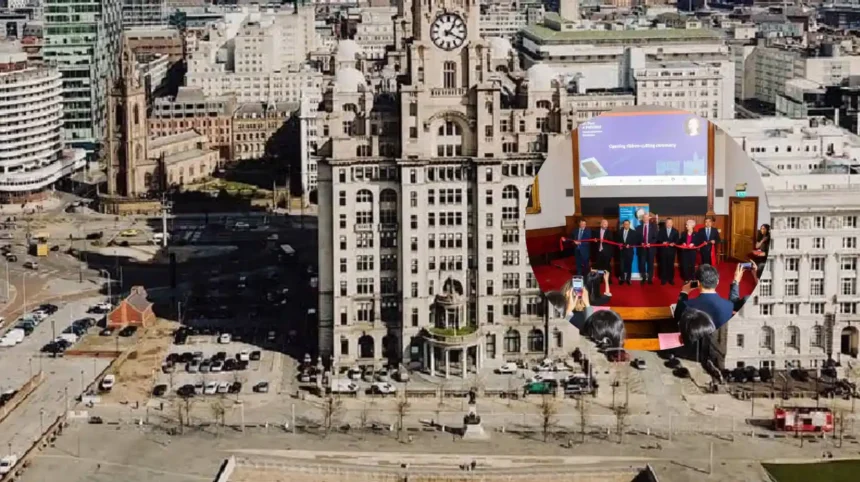
- Representatives of university, city and Chinese diplomatic mission attended the opening of the exhibition.
- According to organisers, the exhibition shows long history of medical and cultural exchanges between China and the UK.
- The exhibition runs from Tuesday to Friday in Liverpool Medical Institution.
Liverpool (Liverpool standard) September 25, 2026 — The Yan Fuqing exhibition has opened at Liverpool Medical Institution to honour the Chinese medical pioneer’s contribution to modern medicine, medical education and public health, while highlighting his historic connection with the city.
- Key Points
- What was Yan Fuqing’s connection with Liverpool?
- How did Yan Fuqing influence Chinese medical education?
- What can visitors see at the exhibition?
- What did the University of Liverpool say?
- What did Shanghai Medical College say about Yan’s legacy?
- What role does Liverpool play in the exhibition?
- What did China’s representative say at the opening?
- How does the exhibition present China-UK medical exchange?
- When can visitors attend the exhibition?
- Background: Who was Yan Fuqing?
- Prediction: How could the exhibition affect Liverpool audiences?
Titled Dr Yan: Pioneer – A Bridge of Sino-British Medical & Cultural Exchange, the exhibition presents the life and legacy of Yan Fuqing, a leading figure in the development of modern Chinese medicine. It has been jointly presented by Shanghai Medical College at Fudan University, the Shanghai-based newspaper Jiefang Daily and the University of Liverpool.
The exhibition runs from Tuesday to Saturday at Liverpool Medical Institution. According to the report published by China Daily, the event is intended to show how Yan’s education and professional experience in the United Kingdom helped shape his later work in China.
Yan Fuqing lived from 1882 to 1970 and is remembered for his role in medical education, disease prevention and public healthcare. His links with Liverpool began after he completed medical studies in the United States and travelled to the city to continue his education.
What was Yan Fuqing’s connection with Liverpool?
Yan became the first Asian person to earn a medical doctorate from Yale University in 1909. He subsequently pursued further studies at the Liverpool School of Tropical Medicine, which was associated with the University of Liverpool.
During his time in Liverpool, Yan was exposed to research and teaching in tropical medicine, disease prevention and public health. These areas were important to the development of modern healthcare systems, particularly at a time when medical institutions were placing greater emphasis on preventing illness and improving public health.
The experience had a lasting influence on Yan’s medical career. After returning to China, he applied the knowledge and principles he had gained overseas to medical education and institutional development.
His time in Liverpool therefore formed an important part of the wider story presented by the exhibition. The displays connect his personal educational journey with the broader history of medical cooperation and cultural exchange between China and Britain.
How did Yan Fuqing influence Chinese medical education?
After returning to China, Yan became the founding dean of two landmark medical schools. These institutions later developed into the Xiangya School of Medicine at Central South University and Shanghai Medical College at Fudan University.
His work involved more than establishing educational institutions. Yan also helped promote professional medical standards and the importance of organised healthcare. He played a key role in establishing the Chinese Medical Association and was involved in the creation of several major medical institutions.
Yan also promoted preventive medicine and public healthcare. His approach reflected the view that medicine should not focus only on treating individual patients, but should also address the conditions that cause illness and improve the health of wider communities.
The exhibition uses historical materials to document these achievements. Its organisers say that the displays help explain how Yan contributed to modern Chinese medicine and how his international education affected the development of medical institutions in China.
What can visitors see at the exhibition?
The exhibition features nearly 50 exhibits connected with Yan’s life, education and medical career. The materials include rare archival documents, handwritten manuscripts, historical photographs, newspapers, periodicals and books.
An old portrait photograph of Yan is among the items on display. Visitors can also examine archival material illustrating his education, professional achievements and contribution to medical development.
The exhibition’s materials are designed to place Yan’s career within the context of the period in which he lived. They show the relationship between his studies abroad and his later efforts to strengthen medical education and public health in China.
The displays also focus on the links between Liverpool and Shanghai. Both cities have longstanding connections, and the exhibition presents Yan’s story as part of a wider relationship involving universities, medical institutions, civic organisations and cultural bodies.
By returning the exhibition to Liverpool, organisers have placed Yan’s legacy in the city where he studied tropical medicine and encountered ideas that influenced his subsequent career.
What did the University of Liverpool say?
Tim Jones, vice-chancellor of the University of Liverpool, spoke at the opening ceremony. As reported by China Daily, he said: “His life demonstrates how education can bridge cultures, advance knowledge and improve lives.”chinadaily.com
Jones’s statement placed emphasis on the international role of education. Yan’s career involved study in the United States, further education in Liverpool and later medical institution-building in China. His life therefore linked academic and medical communities across different countries.
The University of Liverpool’s involvement in the exhibition reflects the continuing importance of Yan’s connection with the institution. His studies at the Liverpool School of Tropical Medicine are a central part of the story told by the exhibition.
The event also provides an opportunity for the university to highlight historical connections between its medical education and international public health development.
What did Shanghai Medical College say about Yan’s legacy?
Xu Jun, deputy dean of Shanghai Medical College, described “serving the people” as an enduring part of Yan’s legacy, according to China Daily. Xu said the exhibition’s return to Liverpool represented both a tribute to a medical pioneer and a new starting point for deeper cooperation between China and the United Kingdom in medical education and public health.
The statement connected Yan’s historical contribution with present-day cooperation. His work in medical education and preventive healthcare remains relevant to institutions seeking to improve public health through teaching, research and professional cooperation.
Shanghai Medical College is one of the institutions linked to Yan’s legacy. The school later developed from one of the medical institutions he helped establish, making its participation in the exhibition particularly significant.
The exhibition’s organisers have presented Yan not only as an individual medical pioneer, but also as a figure whose work helped create lasting educational and professional institutions.
What role does Liverpool play in the exhibition?
Nick Small, vice-mayor of Liverpool, addressed the opening ceremony and highlighted the city’s long-standing links with China. He referred particularly to Liverpool’s 27-year sister-city relationship with Shanghai.
Small described Yan’s story as an example of cross-cultural learning and exchange. He also expressed the hope that the exhibition would introduce Yan’s legacy to a wider audience.
Liverpool’s role in the exhibition is based on both historical and contemporary links. Historically, Yan studied in the city and developed knowledge that influenced his medical career. In the present day, Liverpool maintains institutional and civic connections with Shanghai and other Chinese organisations.
The exhibition brings these strands together by using the story of one doctor to demonstrate how academic study, medical research and cultural relationships can continue across national boundaries.
What did China’s representative say at the opening?
Tang Rui, consul general of China’s Consulate General in Manchester, also spoke at the opening ceremony. As reported by China Daily, Tang said: “Medicine knows no borders, and improving human health and wellbeing is a shared mission.”chinadaily.com
Tang reaffirmed the consulate general’s support for closer cooperation in medical education, public health research and cultural exchange. He said such cooperation could involve universities, cities and the two countries.
The remarks reflected the exhibition’s broader theme. Although the event is focused on a historical figure, its organisers have also linked Yan’s legacy with continuing cooperation in healthcare and education.
The presence of the Chinese consulate, the University of Liverpool, Shanghai Medical College and Liverpool civic representatives underlined the range of institutions involved in the event.
How does the exhibition present China-UK medical exchange?
The exhibition presents Yan Fuqing as a bridge between Chinese and British medical and cultural communities. His education in Liverpool helped him gain exposure to developments in tropical medicine, disease prevention and public health before he returned to China.
His later work in medical education and public healthcare showed how knowledge could be transferred between countries and adapted to local needs. The exhibition therefore focuses on a process of exchange rather than presenting his career as an isolated national story.
The archival documents and photographs provide a record of this connection. They also show how medical education developed through international study, professional networks and the establishment of institutions.
Wang Na, editor of Jiefang Daily and curator of the exhibition, said the historical contributions of Yan were difficult to fully describe. According to China Daily, Wang referred to Yan’s life as “truly extraordinary” and said she hoped visitors would leave with a stronger appreciation of the long Sino-British medical and cultural dialogue that he helped initiate.chinadaily.com
The exhibition’s message is therefore centred on education, public service and cooperation. It uses Yan’s life to show how individual study and professional relationships can influence medical institutions and public health policy over many decades.
When can visitors attend the exhibition?
The exhibition is open from Tuesday to Saturday at Liverpool Medical Institution. The report does not provide a closing date or detailed visitor information.
Visitors interested in attending should confirm the venue’s latest opening arrangements before travelling, as the published report gives the regular days but does not list additional admission details.
Background: Who was Yan Fuqing?
Yan Fuqing was a Chinese physician, medical educator and public health advocate who lived from 1882 to 1970. He became the first Asian person to earn a medical doctorate from Yale University in 1909 and later studied at the Liverpool School of Tropical Medicine.
His Liverpool education introduced him to tropical medicine, disease prevention and public health. After returning to China, he became the founding dean of two medical schools that later developed into major institutions at Central South University and Fudan University.
Yan also contributed to the establishment of the Chinese Medical Association and several major medical institutions. His work promoted medical education, preventive medicine and public healthcare.
The exhibition is significant because it brings his story back to Liverpool, the city where part of his professional outlook was formed. It also documents the historical relationship between Chinese and British medical education through archival evidence and institutional collaboration.
Prediction: How could the exhibition affect Liverpool audiences?
The exhibition is likely to give Liverpool residents, students and visitors a clearer understanding of the city’s historical role in international medical education. It may also increase public awareness of the connection between the Liverpool School of Tropical Medicine and the development of modern healthcare in China.
For students and medical professionals, Yan’s story could provide an example of how international education can influence institutional development and public health work. The event may encourage further interest in the history of medicine, global health and academic cooperation.
For the wider Liverpool audience, the exhibition could strengthen awareness of the city’s relationship with Shanghai and its broader cultural links with China. It may also support future exchanges involving universities, medical institutions and public health researchers.
The long-term effect will depend on visitor engagement and whether the participating organisations develop further educational or research initiatives. Based on the statements at the opening, the exhibition is intended not only to commemorate Yan Fuqing, but also to encourage continued China-UK cooperation in medical education, public health research and cultural exchange.