
Key Points
- An otter has been found dead at the Leeds Liverpool Canal at Silsden near Bridge 192 during the weekend.
- According to the West Yorkshire Police, the otter died due to drowning after being trapped in a crayfish trap by some unknown individuals.
- The crime of unnecessary suffering has been recorded by the police, and an inquiry has been initiated into it.
- Anyone with any information may contact the police on 101, referencing crime number 13260525008.
Liverpool (Liverpool standard) September 15, 2026 — An otter has died after becoming trapped in a crayfish trap on the Leeds Liverpool Canal at Silsden, close to Bridge 192, in an incident that occurred over the weekend, West Yorkshire Police have confirmed. The force said the animal drowned after entering the trap, which had been set by unknown suspects, and it has now recorded a crime of unnecessary suffering while appealing for information from the public.
- Key Points
- What happened to the otter on the Leeds Liverpool Canal at Silsden?
- Police launch unnecessary suffering investigation after otter death
- Where exactly did the otter die on the Leeds Liverpool Canal?
- How are authorities asking the public to help in the otter death case?
- What do local reports say about the otter and the crayfish trap?
- Background to the development
- Prediction: how this development could affect canal users and wildlife campaigners
What happened to the otter on the Leeds Liverpool Canal at Silsden?
West Yorkshire Police said over the weekend someone had set up a crayfish trap on the Leeds Liverpool Canal at Silsden, close to Bridge 192. The force added that, sadly, an otter had become stuck in the crayfish trap and drowned. In a statement, a spokesperson for West Yorkshire Police said: “Over the weekend, unknown suspects have set a Crayfish trap on the canal close to Bridge 192 on the Leeds Liverpool Canal at Silsden.” The spokesperson continued: “Unfortunately an otter became trapped and drowned.”
The incident was reported across local media outlets covering the Bradford district and the wider Leeds and Liverpool Canal corridor, with coverage from Keighley News, Examiner Live and the Telegraph & Argus all citing the police account of events. All three reports attribute the core details to West Yorkshire Police, including the location at Bridge 192, the use of a crayfish trap, and the confirmation that the otter drowned after becoming trapped.
Police launch unnecessary suffering investigation after otter death
Following the discovery of the dead otter, West Yorkshire Police confirmed that a crime for unnecessary suffering has been recorded and that an investigation is under way. As reported by a journalist at Examiner Live, the police have now launched an unnecessary suffering investigation after the otter was found dead in the crayfish trap. The Telegraph & Argus likewise carried the police statement that “a crime for Unnecessary Suffering has been recorded”, alongside the crime reference number.
In its public appeal, West Yorkshire Police said:
“Crime number 13260525008. If anyone has any info please contact 101 and quote the above number.”
Examiner Live repeated the same contact details, urging anyone with information to call 101 and quote crime reference number 13260525008. The force has not named any suspects and described those who set the trap as “unknown suspects” in its initial briefing to local newsrooms.
Where exactly did the otter die on the Leeds Liverpool Canal?
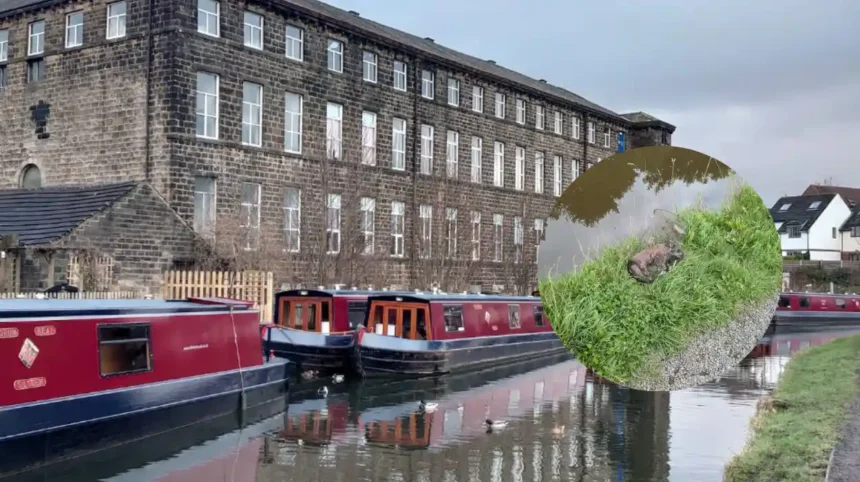
The incident took place on the Leeds Liverpool Canal at Silsden, close to Bridge 192, according to West Yorkshire Police. Both Examiner Live and the Telegraph & Argus specified the same location, with Examiner Live noting that the trap was set “on the Leeds Liverpool Canal close to Bridge 192 in Silsden”. The Telegraph & Argus carried a police-issued image captioned “Leeds Liverpool Canal, Silsden”, reinforcing the location given in the written statement.
Silsden lies within the Bradford district in West Yorkshire, and the stretch of canal around Bridge 192 is used by walkers, anglers and boaters, as well as forming part of the wider network of waterways linking Leeds and Liverpool. Local coverage has focused on this specific section of the canal because it is where the trap was placed and where the otter was found dead.
How are authorities asking the public to help in the otter death case?
West Yorkshire Police are asking members of the public with any information about the setting of the crayfish trap or the circumstances of the otter’s death to come forward. The force has provided a single point of contact, asking people to call 101 and quote crime reference number 13260525008. This appeal has been repeated across multiple local news titles, including Keighley News, Examiner Live and the Telegraph & Argus, all of which published the same crime reference number and contact instructions.
By issuing a unified message through several outlets, the police aim to reach residents, canal users and visitors who may have seen suspicious activity around Bridge 192 over the weekend or who may have other relevant information. The appeal does not specify particular times or days beyond the broad reference to “over the weekend”, leaving open the possibility that further details could emerge as the investigation progresses.
What do local reports say about the otter and the crayfish trap?
Local reports consistently describe the device involved as a crayfish trap, rather than any other form of fishing or trapping equipment. Examiner Live stated that “an otter was found dead in a crayfish trap” and that “the otter became stuck in the crayfish trap and drowned”, citing West Yorkshire Police. The Telegraph & Argus similarly reported that “the animal drowned after going into a crayfish trap, the force said”.
None of the published accounts attribute the setting of the trap to a named individual or group; all refer to “unknown suspects” in line with the police statement. The reports also do not give further technical detail about the design of the trap, focusing instead on the outcome for the otter and the subsequent police response.
Background to the development
Otters are protected under UK law, and incidents in which they are killed or injured by traps or other devices can be treated as wildlife crimes, particularly where unnecessary suffering is involved. The Leeds Liverpool Canal passes through urban and semi-rural areas in West Yorkshire, including the Bradford district, and has long been recognised as a habitat for otters and other wildlife. Crayfish traps are sometimes used in waterways to monitor or control non-native crayfish species, but their placement and design must comply with legal and welfare requirements to avoid harming protected animals.
The recording of a crime of unnecessary suffering indicates that, in the view of West Yorkshire Police, the circumstances of the otter’s death meet the threshold for a criminal investigation under animal welfare and wildlife protection provisions. The force’s decision to issue a public appeal through multiple local media titles reflects the importance it attaches to gathering information quickly in a case involving a protected species on a heavily used stretch of canal.
Prediction: how this development could affect canal users and wildlife campaigners
If the investigation identifies those responsible for setting the trap, the case could lead to prosecutions and reinforce existing guidance on the lawful use of crayfish traps in otter habitats. For regular canal users in Silsden and the wider Leeds Liverpool Canal corridor, the incident may prompt calls for clearer signage, more frequent patrols, or updated advice on where and how traps can be legally deployed. Wildlife campaigners and conservation groups are likely to cite the case in discussions about the risks that unregulated or improperly set traps pose to protected mammals in urban waterways.
Over time, the outcome of the police investigation could influence local policy on trap use, shape community expectations around reporting suspicious activity on the canal, and affect how authorities balance crayfish management with otter conservation along this stretch of the Leeds Liverpool Canal.