Key Points
- A proposed Full Council debate on the matter of compulsory purchase orders (CPOs) for properties on The Uplands estate of Palacefields in Runcorn has been deferred by Halton Council.
- The council’s monitoring officer has received legal advice from an outside source that the council’s call-in procedure is not compliant with section 9F(4) of the Local Government Act 2000.
- The law requires that calls-in of executive decisions are initially reviewed by an overview and scrutiny committee, known as the Policy and Performance Board (PPB) in Halton, rather than being referred straightaway to Full Council.
- As a consequence, there will not be a debate on the CPO matter at Full Council next week but rather it will be referred to the appropriate PPB.
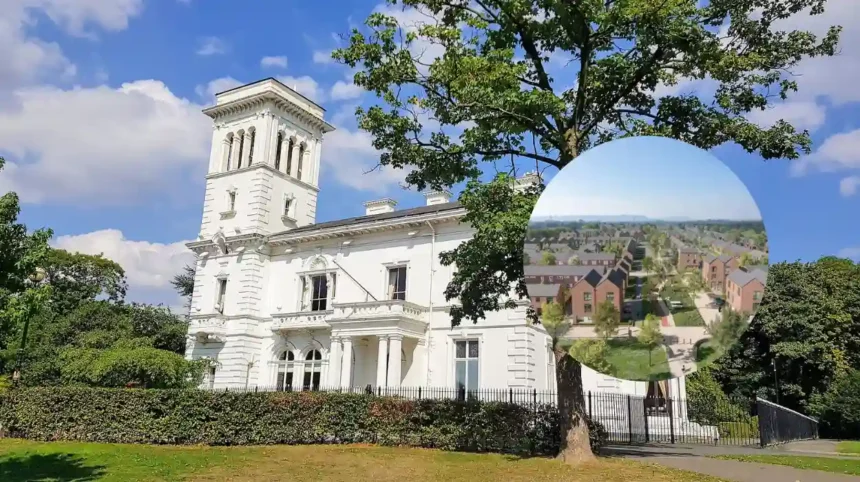
- The plans have to do with Riverside’s regeneration plans to raze 343 properties and build 353 new energy-efficient properties.
- It was reported by Riverside that five property owners refused to negotiate and that CPOs were to be considered by the executive board as a last resort to acquire homes despite the refusal of owners to sell their properties.
- Reform UK of Halton has requested the call-in of the matter by Full Council.
Halton Council (Liverpool standard) October 16, 2026 – A planned Full Council debate on the possible use of compulsory purchase orders for homes in Runcorn has been postponed after part of Halton Council’s constitution was found to be unlawful.
- Key Points
- Why has the Runcorn CPO debate been shelved?
- What did the council’s legal advice say?
- What are the Runcorn CPO proposals?
- Why were the plans already paused?
- How has Halton’s Reform UK group responded?
- What happens next for affected residents?
- Background of the development
- Prediction: What could this mean for Runcorn residents?
The decision affects proposals connected with Riverside’s regeneration plans for The Uplands estate in Palacefields. As reported by Runcorn and Widnes World, Halton’s ruling executive board had been set to approve the use of CPOs as a “last resort” to buy homes from owners who did not want to sell, so that demolition work could proceed as part of the regeneration scheme.
Why has the Runcorn CPO debate been shelved?
The debate was halted after the council’s monitoring officer, the officer responsible for its legal governance, sought external legal advice. That advice found that the council’s existing call-in procedure was not compliant with part of the Local Government Act 2000.
A “call-in” is a local government procedure that allows decisions taken by a council’s ruling executive to be scrutinised. Halton’s Reform UK group had attempted to call in the CPO plans for discussion by Full Council next week.
However, under section 9F(4) of the Local Government Act 2000, executive decisions must first be reviewed by an overview and scrutiny committee. At Halton, that committee is referred to as a Policy and Performance Board, or PPB.
What did the council’s legal advice say?
A report to the council stated that the authority’s constitution automatically referred matters called in for consideration by Full Council, thereby bypassing the relevant PPB.
As reported by Runcorn and Widnes World, the report said:
“Given that the council’s constitution automatically refers matters called in for consideration by council, thereby by-passing the relevant PPB, it is not compliant with section 9F(4) LGA2000.”
The report added:
“As such, it would not be lawful for council to consider the above call in and the correct process is for the matter to be referred to and reviewed by the relevant PPB.”
As a result, the CPO issue will not now be debated at Full Council next week. Instead, it is expected to go before the relevant Policy and Performance Board.
What are the Runcorn CPO proposals?
The proposals relate to Riverside’s wider Palacefields regeneration programme. According to information reported by Runcorn and Widnes World, Riverside said the programme would deliver a “renewal and rebalancing” of the local housing offer.
The scheme involves the total demolition of 343 homes and their replacement with 353 new, modern and energy-efficient properties.
Riverside had said that five homeowners were refusing to negotiate with it. The executive board’s proposed approach was to consider CPOs as a means of last resort to acquire homes, even where owners did not want to sell.
Why were the plans already paused?
The CPO plans had previously been put on hold by council chiefs. The pause was intended to give Riverside and the remaining residents more time to reach agreements.
Some residents have criticised the proposals. According to Runcorn and Widnes World, some have lived in their homes for decades, while others say they have paid off their mortgages and would not receive enough money to be mortgage-free if they moved to a new property.
How has Halton’s Reform UK group responded?
The delay has prompted anger from Halton’s Reform UK group. The group had sought to bring the CPO decision before Full Council through the call-in process.
Following the legal finding, the group has tabled a notice of motion for the same meeting. The motion seeks a debate on the “accuracy, currency and fitness for purpose” of the council’s constitution.
The development means that, while the CPO issue itself will not be considered by Full Council next week, the council’s governance arrangements will face scrutiny at that meeting.
What happens next for affected residents?
The immediate procedural effect is that the CPO question will be considered through the correct scrutiny route rather than at Full Council. The matter will be referred to and reviewed by the relevant Policy and Performance Board.
For residents on The Uplands estate, the postponement does not itself resolve the underlying dispute over the regeneration scheme. Negotiations between Riverside and remaining homeowners had already been given additional time before this latest procedural development.
The council has not been reported as saying when the Policy and Performance Board will consider the CPO matter. No final decision on the use of CPOs has been reported in the available coverage.
Background of the development
The dispute centres on Riverside’s regeneration plans for Palacefields in Runcorn. The housing association has proposed demolishing 343 homes and building 353 replacement properties, which it describes as modern and energy efficient.
The proposals have proved contentious because some homeowners do not wish to sell. Riverside said five owners were refusing to negotiate, leading the council’s executive board to consider whether CPOs should be available as a last-resort mechanism to enable the scheme to proceed.
Halton’s Reform UK group attempted to use the council’s call-in procedure to have the executive’s approach examined by Full Council. That attempt exposed a legal problem with the council’s constitution: its procedure sent called-in matters directly to Full Council, rather than first to the relevant overview and scrutiny committee, as required by section 9F(4) of the Local Government Act 2000.
Prediction: What could this mean for Runcorn residents?
For homeowners on The Uplands estate, the development is likely to delay any formal decision on compulsory purchase powers. Because the matter must now go to a Policy and Performance Board, residents may have a further opportunity to see the issue examined through the council’s scrutiny process before any executive decision is finalised.
For the wider Palacefields community, the delay could prolong uncertainty over the regeneration timetable. The council had already paused the CPO plans to allow negotiations to continue, and the latest legal issue adds another procedural step before the dispute can move forward.
For Halton Council, the finding may lead to a wider review of its constitution. Reform UK’s notice of motion seeks a debate on whether the constitution is accurate, current and fit for purpose, suggesting the authority’s governance procedures could face further political attention at the next Full Council meeting.