
Aigburth is a affluent suburb located in the southern region of Liverpool within the Merseyside county of England. The area is defined by its rich Victorian heritage, expansive public parks, and proximity to the River Mersey waterfront. Positioned three miles south of Liverpool city centre, Aigburth functions as a cultural and recreational hub for local residents and international tourists alike. The neighborhood contains significant environmental and historic assets, including the grade one listed Sefton Park, the historic Sudley House art gallery, and the Victorian bohemian corridor of Lark Lane. Transportation links, such as the Merseyrail network via Aigburth and St Michaels railway stations, connect the suburb directly to the central metropolitan core. The district successfully integrates historic architectural preservation with modern independent retail, food, and hospitality sectors.
- What historical and cultural sites should visitors explore in Aigburth?
- What outdoor activities and parks are available in Aigburth Liverpool?
- Where can visitors find the best food, drink, and shopping on Lark Lane?
- How can travelers efficiently reach and navigate around Aigburth?
- Frequently Asked Questions
The origin of the name Aigburth derives from the Old Norse word Aykebergh, which translates directly to oak tree hill. This Scandinavian etymology reflects the early medieval history of the region following Norse settlement during the tenth century. Over the centuries, Aigburth evolved from a rural agricultural hamlet into an exclusive residential enclave for wealthy merchant families during the industrial expansion of Liverpool in the nineteenth century. Prominent shipping magnates constructed large suburban villas across the area, many of which remain preserved within designated conservation areas today. The suburban development expanded rapidly following the establishment of tramway connections to the city centre in the late Victorian era. Today, the demographic profile remains diverse, housing university students, working professionals, and long term residents who benefit from the extensive greenspaces and local community infrastructure.
Aigburth plays a vital economic and cultural role within the wider Liverpool city region by attracting domestic tourism and supporting independent business growth. Local commercial activity is heavily concentrated along Lark Lane and Aigburth Road, where small businesses generate significant local trade. Environmental infrastructure in Aigburth helps mitigate urban heat island effects across southern Liverpool while providing public recreational access for thousands of weekly visitors. The area serves as a primary location for major municipal events, including large scale music festivals and seasonal cultural gatherings. Furthermore, the combination of preserved historic architecture and accessible public transportation makes Aigburth a primary target for sustainable suburban urban planning and regional residential investment.
What historical and cultural sites should visitors explore in Aigburth?
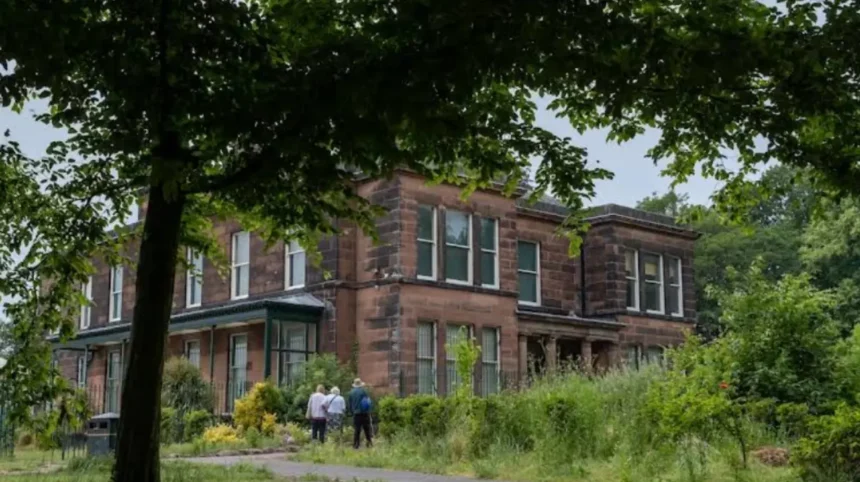
Sudley House stands as the primary historical and cultural museum located within the suburban boundaries of Aigburth on Mossley Hill Road. Constructed in 1824 for the merchant Nicholas Robinson, the house was later purchased by the shipping magnate and art collector George Holt in 1884. The estate contains a rare surviving collection of nineteenth century merchant art displayed within its original domestic Victorian interior setting. Visitors can examine original paintings by major British artists, including Thomas Gainsborough, Joshua Reynolds, J.M.W. Turner, and George Romney. The Pre-Raphaelite movement is also heavily represented through artworks created by John Everett Millais and Dante Gabriel Rossetti. National Museums Liverpool manages the property, offering public access to the historic rooms, art galleries, and surrounding landscaped grounds without charging an entry fee.
Beyond Sudley House, Aigburth possesses several architecturally significant places of worship and historic residential structures that reflect nineteenth century design. St Michaels Church, located in the St Michaels-in-the-Hamlet area of Aigburth, represents an extraordinary example of early cast iron architecture. Built between 1813 and 1815 by the industrialist John Cragg and architect Thomas Rickman, the building utilizes cast iron for its structural framework, tracery, and internal columns. The surrounding estate features original cast iron detailing across residential cottages, forming a designated conservation area of international architectural interest. Additionally, the historic streetscapes surrounding Ullet Road and Fulwood Park feature fine examples of Italianate, Gothic Revival, and Neoclassical villa architectures built during Liverpool’s period as a global maritime trading hub.
Cultural exploration in Aigburth extends to the literary and musical heritage embedded throughout the suburban landscape. The neighborhood maintains strong historical connections to The Beatles, as the band members frequented the parks, venues, and residential streets during their formative years. Sefton Park Palm House routinely hosts cultural performances, classical music concerts, theatrical plays, and heritage exhibitions throughout the calendar year. Cultural preservation efforts led by local amenity societies ensure that historic buildings are maintained and repurposed for modern community usage. Exploring these sites provides visitors with a comprehensive understanding of how industrial wealth shaped northern English civic architecture and private art collecting during the height of the British Empire.
What outdoor activities and parks are available in Aigburth Liverpool?
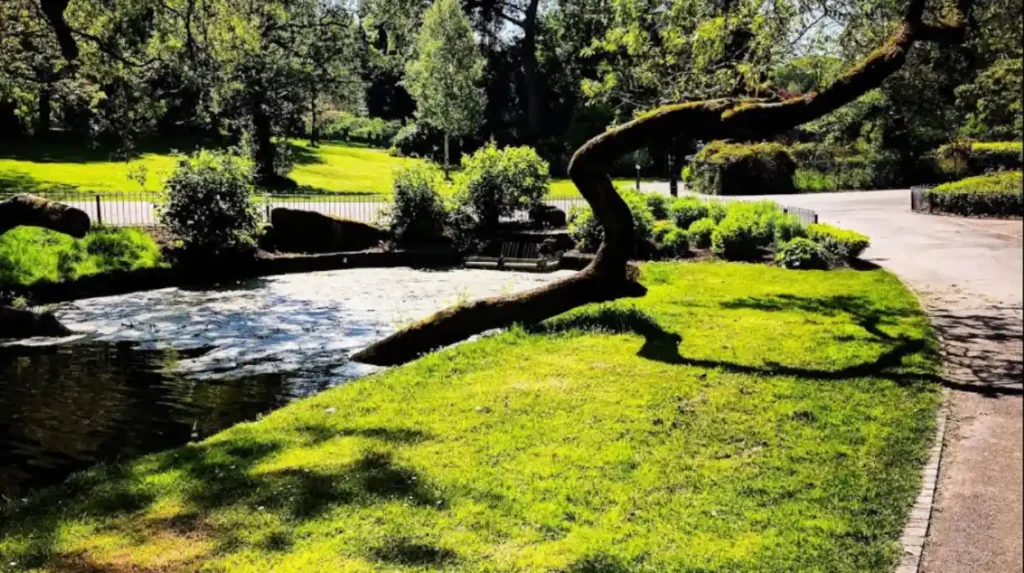
Sefton Park forms the core outdoor recreational destination in Aigburth, spanning 235 acres of grade one listed historic parkland. Opened by Prince Arthur in 1872, the park was designed by the French landscape architect Edouard Andre alongside Liverpool architect Lewis Hornblower. The landscape features a large central boating lake, natural streams, curved pedestrian avenues, and rock gardens constructed from natural sandstone. The centerpiece of the park is the Sefton Park Palm House, a three tiered Victorian glasshouse opened in 1896 that houses a global collection of rare botanic plants. Visitors can utilize miles of paved walking paths, running tracks, open lawns, and dedicated children’s play areas throughout the perimeter.
Otterspool Promenade provides a distinct coastal outdoor experience running directly along the eastern bank of the River Mersey estuary. Developed in the 1930s over converted riverbank land, the promenade stretches over two miles from Aigburth to the Liverpool South Docks. The paved waterfront walkway accommodates cyclists, runners, and pedestrians offering clear views across the estuary toward the Wirral Peninsula and Welsh hills. The adjoining Otterspool Park offers wooded glens, grassy slopes, and open recreational fields suitable for outdoor sports, kite flying, and dog walking. The park area is supported by public parking facilities, outdoor fitness equipment, and dedicated play zones for families.
Green spaces in Aigburth extend to smaller community parks and nature preserves that foster biodiversity and quiet relaxation. Festival Gardens, located on the northern boundary of the Aigburth waterfront, was originally developed for the International Garden Festival of 1984. The site features oriental gardens, Japanese pagodas, artificial lakes, waterfalls, and restored woodland trails that support local bird populations and aquatic wildlife. Cressington Park and Fulwood Park offer peaceful, tree lined residential avenues ideal for self guided architectural walking tours near the Mersey edge. These interconnected greenspaces make Aigburth one of the greenest suburban districts in the North West of England, supporting public physical health and ecological conservation.
If you are planning an extended trip to the region, you can also read our guide on what makes Aigburth Liverpool a destination for a weekend getaway to learn more about accommodation and itinerary options.
Where can visitors find the best food, drink, and shopping on Lark Lane?
Lark Lane represents the primary dining, nightlife, and independent shopping corridor servicing the Aigburth community and wider Liverpool area. Connecting Aigburth Road directly to Sefton Park, this Victorian street contains over fifty independent businesses, including cafes, bistros, pubs, gift shops, and record stores. The street retains an eclectic, bohemian character, featuring Victorian storefronts, outdoor seating areas, and vibrant street art. Dining options span numerous international cuisines, including traditional British pub fare, Italian, Greek, Mexican, Turkish, and plant based vegan menus. The street functions as a daytime social hub for families and remote workers before transitioning into a bustling nightlife destination in the evening.
Culinary choices on Lark Lane reflect high gastronomic diversity and strong support for locally sourced food suppliers. Long standing establishments offer traditional cooked breakfasts, specialty coffee, and artisanal bakery products throughout the morning hours. Independent bistros and tapas bars dominate the afternoon and evening trade, providing casual dining formats alongside comprehensive craft beer and wine selections. Several traditional public houses along the lane, such as the Albert and the Lodge, preserve historic nineteenth century interior layouts while serving cask ales and Sunday roasts. Dessert parlors, gelato shops, and independent coffee roasters further expand the food offerings available within short walking distances along the street.
Shopping on Lark Lane focuses entirely on independent retail and vintage goods rather than national chain stores. Visitors can browse independent bookstores, vintage clothing boutiques, handmade craft markets, and antique dealers operating along the corridor. The regular Lark Lane Farmers Market takes place on the fourth Saturday of every month, bringing regional food producers, cheese makers, craft bakers, and local artisans to the street. Specialized retail shops sell vinyl records, indoor plants, custom jewelry, and locally produced artwork, making the lane a prime destination for unique gifts and souvenirs. The concentration of commercial activity supports the local microeconomy and offers a distinct alternative to centralized urban shopping malls.
To understand why this area attracts so many outdoor enthusiasts and food lovers, read about what makes Aigburth Liverpool a top district for Otterspool Promenade and its surrounding lifestyle amenities.
How can travelers efficiently reach and navigate around Aigburth?
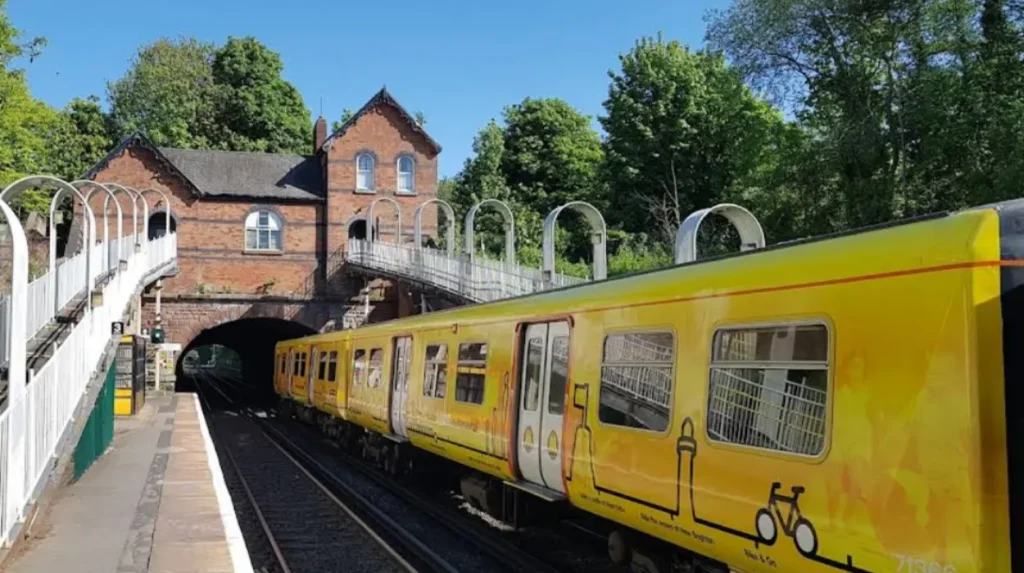
Navigating to and around Aigburth is efficient due to integrated public transportation networks operating across the Liverpool city region. The Merseyrail Northern Line provides direct passenger rail service to two stations located within the suburb, namely Aigburth station and St Michaels station. Trains depart every fifteen minutes from Liverpool Central and Moorfields stations in the city centre, with a total journey time of less than ten minutes. The rail network connects Aigburth directly to South Liverpool transport links, including Liverpool John Lennon Airport via Hunts Cross transfers. Dedicated pedestrian walkways and cycle lanes connect both railway stations directly to residential streets, Sefton Park, and the Otterspool Promenade waterfront.
Bus routes operated by Arriva and Stagecoach offer comprehensive road transportation services along the primary arterial routes of Aigburth Road and Sefton Park Road. Services such as the 82, 82A, and 80 bus lines operate at high frequencies, connecting Aigburth directly to Liverpool One Bus Station and surrounding southern suburbs. Passengers can utilize contactless payment systems and multi journey day passes across all bus networks within the Metro Mayor jurisdiction. Taxis and ride sharing services operate continuously across the district, with dedicated pickup zones near major commercial nodes like Lark Lane. Navigating the district by car is achievable via the A561 road, though parking near popular locations like Sefton Park can become congested during peak weekend hours.
Active travel options, such as cycling and walking, represent the most effective ways to explore Aigburth locally due to flat terrain and extensive green paths. The National Cycle Network Route 56 passes directly through Otterspool Promenade, providing a dedicated, traffic free cycle route straight into Liverpool city centre. Public bicycle hire schemes offer rentable bikes at designated docking stations situated near Sefton Park gates and train stations. The entire district is highly pedestrian friendly, featuring wide sidewalks, controlled pedestrian crossings, and clear directional signage pointing toward major heritage landmarks. Visitors are advised to combine rail travel for arrival with walking or cycling for local exploration to minimize traffic delays and reduce carbon emissions.
Frequently Asked Questions
How far is Aigburth from Liverpool city centre?
Aigburth is located approximately three miles south of Liverpool city centre. The journey takes under ten minutes by Merseyrail train from Liverpool Central to Aigburth or St Michaels station. Frequent bus services along Aigburth Road reach the city centre in roughly fifteen to twenty minutes.
Is Sefton Park free to enter for all visitors?
Yes, Sefton Park is completely free to enter and open to the public 365 days a year. Visitors can explore the grounds, walking trails, rock gardens, and play areas without paying an entry fee. The historic Sefton Park Palm House is also free to enter, though donations are encouraged.
What is Lark Lane in Aigburth famous for?
Lark Lane is famous for its bohemian atmosphere and vibrant collection of independent businesses. The street features unique cafes, international restaurants, historic pubs, vintage boutiques, and craft shops. It serves as a popular social destination for dining, nightlife, and local market events.
Are there good walking paths along the River Mersey in Aigburth?
Yes, Otterspool Promenade provides over two miles of continuous, paved waterfront walking and cycling paths along the River Mersey. The route offers clear views across the estuary to Wales and connects directly to the Liverpool South Docks and city centre.
Is Sudley House art gallery free to visit?
Yes, Sudley House offers free admission to all visitors and is managed by National Museums Liverpool. The Victorian mansion displays an authentic merchant art collection, including original paintings by Turner, Gainsborough, and Rossetti within historic domestic room settings.