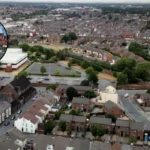

Kirkdale stands as one of Liverpool’s most enduring neighborhoods, blending ancient roots with a vibrant working-class spirit that continues to shape the city’s north end. Nestled along the Mersey’s banks, this district offers a compelling story of transformation, from rural origins to industrial powerhouse and now a beacon of modern regeneration.
- Origins and Early Settlement
- Institutional Foundations in the 19th Century
- Industrial Boom and Suburban Shift
- 20th-Century Challenges and Slum Clearance
- Architectural and Cultural Landmarks
- Notable Figures from Kirkdale
- Modern Regeneration Efforts
- Community Spirit and Daily Life
- Why Kirkdale Endures in Liverpool’s Story
Origins and Early Settlement
Kirkdale’s name derives from Old Norse words “kirk,” meaning church, and “dale,” referring to a valley or road, likely pointing to the ancient path from Liverpool to the mother church at Walton-on-the-Hill. This etymology underscores its pre-Liverpool existence as a coastal settlement amid sand hills on flat Mersey land, with evidence of human occupation predating the city’s founding.
Historians note scant traces of an original village, but Kirkdale Road served as a vital route into emerging Liverpool, attracting traders and alehouses that even distracted churchgoers in 1699. By the 13th century, the Moore family established dominance, relocating from Liverpool’s Old Hall to build the moated Bank Hall near modern Bankhall Lane and Juniper Street. This grand residence, accessible via a causeway between lakes, symbolized early landed gentry amid marshy landscapes and streams like Beacon Gutter marking boundaries with Liverpool.
James Picton described Kirkdale’s terrain as two hills separated by a dale along what became Bank Hall Street, flowing southwest to the Mersey. Such natural features fostered a semi-rural idyll, popular for bathing and fresh air before docks overshadowed it.
Institutional Foundations in the 19th Century
As Liverpool expanded, Kirkdale hosted major institutions reflecting societal needs. In 1818, Kirkdale Gaol opened on Sessions Road, a massive Panopticon-style prison with central towers for surveillance, capable of holding Liverpool’s entire population at the time. Replacing a notorious seafront predecessor condemned by reformer John Howard, it served south Lancashire until 1897, hosting public executions before courts shifted to St. George’s Hall.
Nearby, the 1845 Kirkdale Industrial School educated 400 pauper children in basics and trades like carpentry and needlework, designed by Lockwood and Allom in a palatial style. Expanded by Picton & Son, it later became homes for the aged before demolition, now yielding to modern housing.
These structures highlighted Kirkdale’s role in Liverpool’s administrative growth, even as Boundary Street delineated it from the expanding town until incorporation in 1835.
Industrial Boom and Suburban Shift
Liverpool’s 19th-century prosperity turned Kirkdale into a fashionable suburb for merchants seeking grand homes, akin to Toxteth Park. New roads facilitated business spillover from Dale Street, while the Leeds-Liverpool Canal terminus at Leeds Street drew trade, spurring factories amid once-mellow fields.
The 1848 Liverpool & Bury Railway accelerated industrialization, blanketing the air in soot and attracting terraced housing for dock workers too poor for distant commutes. By 1850, Ordnance Surveys showed half-development, with Victorian grids enveloping the landscape as casual labor swelled. Wealthier residents fled to Anfield or Woolton, leaving Kirkdale as a working-class hub by the late Victorian era.
This proximity to docks like Canada Dock cemented its identity, with Bank Hall’s stream vanishing under urban sprawl.
20th-Century Challenges and Slum Clearance
The 20th century brought overcrowding from cheap, substandard terraces built by unscrupulous landlords. World War II bombings devastated Scotland Road and Kirkdale, spilling from docklands and prompting postwar slum clearances.
Liverpool Council reshaped the area with loop roads to the Kingsway Tunnel, industrial units, and high-rises like Logan Towers, once the world’s tallest prefabricated building. Streets like Bevington Bush vanished or diverted, displacing tight-knit communities but improving conditions. By 1921, the former parish peaked at 69,857 residents before merging fully into Liverpool.
Kirkdale Cemetery endures as a poignant memorial, holding 386 World War I and 115 World War II Commonwealth graves, including over 100 Canadians from a 1917 hospital, plus Blitz victims like actor Mary Lawson.
Architectural and Cultural Landmarks
Victorian terraces define Kirkdale’s streetscape, with St. Lawrence with St. Paul’s Church anchoring the Anglican parish since merging in 2002. The Catholic St. John and St. John the Evangelist’s Church, a Grade II listed building, serves a large community alongside its primary school on Sessions Road.
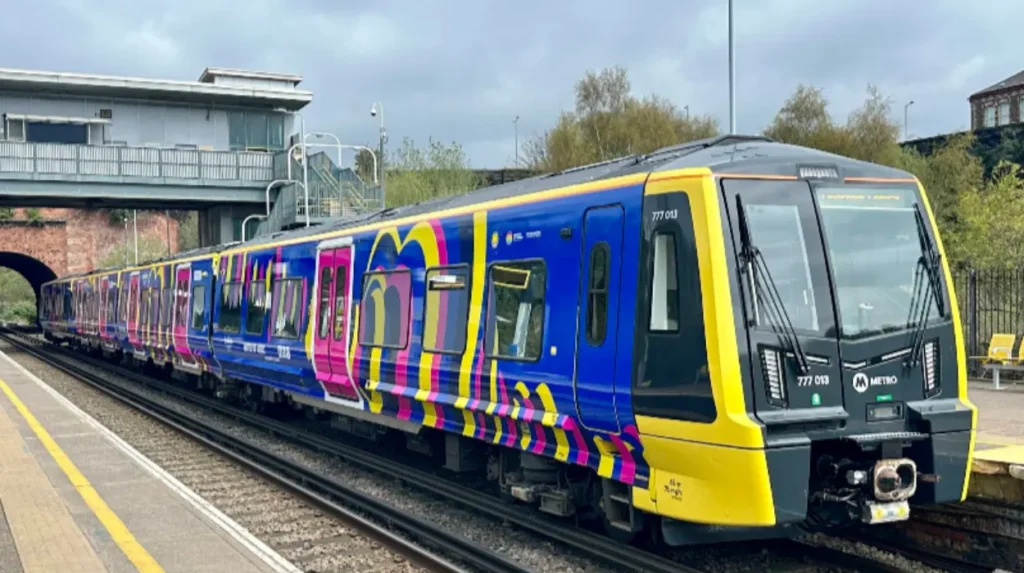
The Flower Streets—streets named after blooms—boast murals transforming the area, celebrating local identity. Kirkdale Railway Station features art murals, while stations like Bank Hall, Kirkdale, and Sandhills facilitate Merseyrail access on Northern Line branches.
Bank Hall echoes in street names, a remnant of moated elegance amid regeneration.
Notable Figures from Kirkdale
Kirkdale has produced icons across fields. Boxing dynasty the Smith brothers—Paul, Callum, Liam, and Stephen—hails from here, with Paul championing local projects. Footballers Steve McManaman, Jonjoe Kenny, and Anthony Gordon honed skills in the neighborhood.
Authors James Hanley and Brian Jacques, actor Geoffrey Hughes, singer Michael Holliday, and musician Paul Reynolds add cultural heft. Politician Bessie Braddock, model April Ashley, and novelist Gerald Hanley embody diverse legacies, while marine painter William Halsall captured Mersey scenes.
These figures underscore Kirkdale’s role in Liverpool’s global influence.
Modern Regeneration Efforts
Recent decades focus on renewal. The 2019 Kirkdale Canalside project, backed by over 90% in consultations, partners Liverpool Foundation Homes, City Council, and Paul Smith for affordable homes, elderly care, eco-parks, and a boxing academy along canal and railway cuts near Melrose and Commercial Roads.
Flower Streets and Orwell Road target neglected spaces with sustainable designs aiding Liverpool’s 2030 climate goals. Easby estate demolition paved way for new family homes, blending locals and newcomers.
Ongoing brownfield redevelopment promises transport upgrades and active travel, positioning Kirkdale as a “new town” hub without Westminster delay. Kirkdale Neighbourhood Community offers advice, IT suites, and fitness, fostering resilience.
Community Spirit and Daily Life
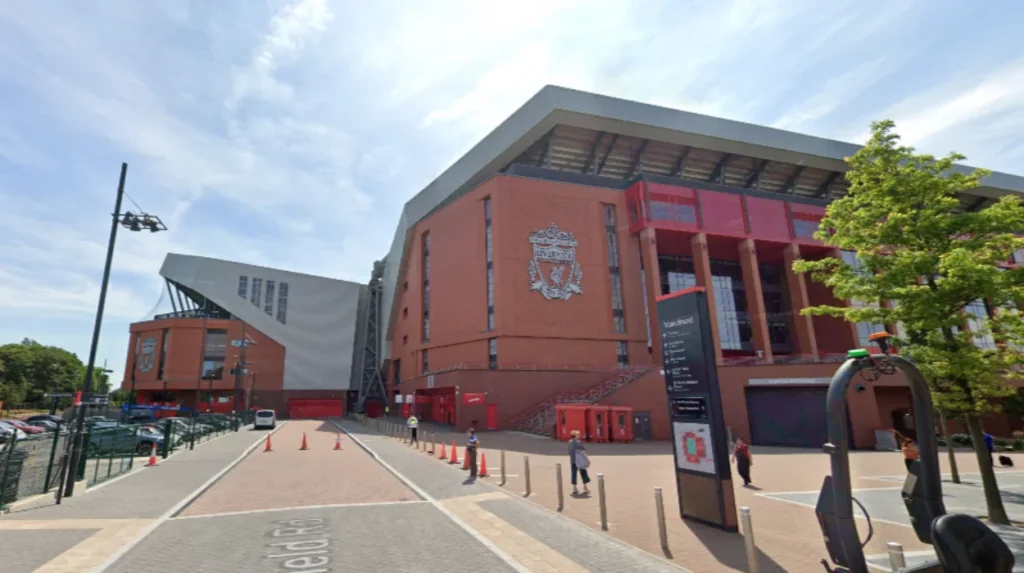
Kirkdale thrives on strong bonds, with Victorian homes housing diverse families near Everton and Walton. Markets, pubs, and Gordon Institute events sustain vibrancy, while proximity to Anfield Stadium draws football fans.
The area’s walkable scale suits families, with green initiatives enhancing livability amid Mersey views. This enduring spirit navigates economic shifts, from docks to services.
Why Kirkdale Endures in Liverpool’s Story
Kirkdale encapsulates Liverpool’s journey: Norse roots to industrial grit, wartime scars to hopeful rebirth. Its people, from Smith boxers to Hanley writers, fuel a narrative of perseverance, making it essential for anyone exploring the city’s soul.
Today, regeneration honors history while building futures, ensuring Kirkdale remains a vital thread in Liverpool’s tapestry. Visitors find authentic Scouse life here, far from tourist trails, in a neighborhood pulsing with potential.