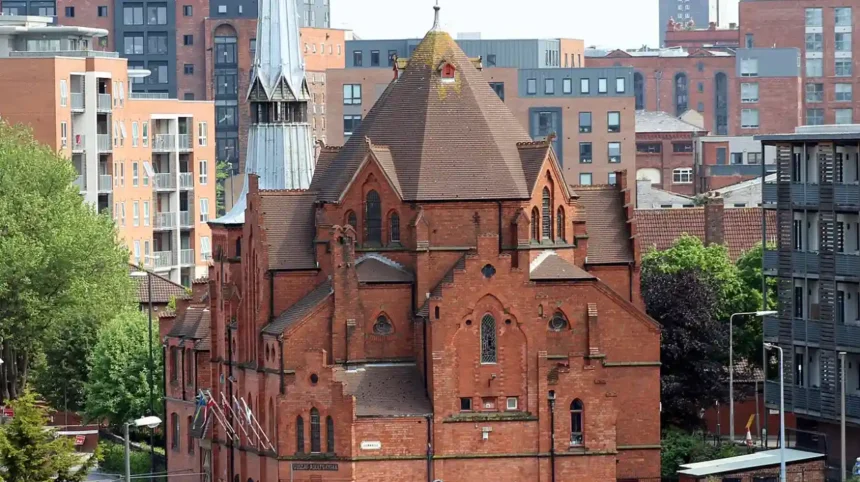
Woolton is a historic suburban village situated approximately six miles southeast of Liverpool city centre, whereas Liverpool city centre serves as the dense, urban commercial and cultural core of the Merseyside region. Choosing between these two distinct locations depends entirely on travel preferences, as Woolton offers quiet green spaces and Beatles heritage, while the city centre provides bustling nightlife, major museums, and immediate access to public transit networks. Understanding the structural differences between a peaceful residential suburb and a metropolitan hub ensures travelers select the ideal base for their specific vacation or sightseeing itinerary.
- What Are The Main Differences Between Staying In Woolton And Liverpool City Centre?
- How Does The Accommodation Experience Compare Between Woolton And Liverpool City Centre?
- What Are The Top Historical And Cultural Attractions In Woolton?
- Why Is Liverpool City Centre Better For Sightseeing And Public Transport?
- How Do Accommodation Costs And Travel Budgets Compare Between Both Areas?
- Frequently Asked Questions
- What Is The Best Way To Travel From Liverpool City Centre To Woolton?
- Are There Beatles Attractions Located In Woolton?
- Is Woolton Suitable For Families With Young Children?
- How Far Is Woolton From The Main Liverpool Waterfront Attractions?
- Which Location Offers Better Dining Options For Food Enthusiasts?
What Are The Main Differences Between Staying In Woolton And Liverpool City Centre?
Staying in Woolton provides a quiet suburban village atmosphere with historic stone buildings and local green spaces, whereas Liverpool city centre offers dense urban high rises, major retail hubs, and high energy nightlife. Woolton functions as an affluent residential neighborhood characterized by independent local shops, period architecture, and classic British pubs. Liverpool city centre operates as a major metropolitan core featuring corporate hotels, large shopping complexes like Liverpool ONE, and high capacity transport interchanges. Visitors seeking a relaxed pace and historic charm prefer Woolton, while travelers prioritizing nightlife and museum proximity choose the city centre.
Travelers looking at accommodation options will find that guesthouses and boutique inns dominate the suburban landscape of Woolton. Conversely, the city centre features global hotel chains, modern apart-hotels, and high density commercial lodgings. The architectural landscape in Woolton includes structures dating back centuries, such as St Peter Church hall where John Lennon and Paul McCartney first met. The city centre showcases a mix of classical Georgian structures, Victorian mercantile buildings, and contemporary glass developments. Infrastructure density remains the primary differentiator between the two distinct geographical zones within Merseyside.
Public transport connectivity also varies significantly between these two popular regional destinations. The city centre contains major rail terminals such as Lime Street Station, providing direct nationwide train links to London, Manchester, and beyond. Woolton relies primarily on local bus routes, such as the 75 and 78 services, which connect suburban residents to downtown Liverpool in roughly thirty to forty minutes. Tourists without private vehicles find navigating from the urban core significantly faster when exploring multiple regional attractions. Evaluating these logistical frameworks helps visitors minimize daily commute times during their regional stay.
Local dining and evening entertainment present contrasting experiences for visitors staying in either location. Woolton features traditional community pubs, family run bistros, and quiet cafes clustered around the main high street. The city centre boasts Michelin starred restaurants, vibrant cocktail bars, live music venues, and international food markets operating late into the night. Visitors interested in quiet evening walks and local community interactions find Woolton exceptionally welcoming and peaceful. Those wanting a fast paced nightlife scene will find the concentrated entertainment district of central Liverpool far more suitable.
How Does The Accommodation Experience Compare Between Woolton And Liverpool City Centre?
Accommodation in Woolton consists largely of traditional bed and breakfasts, private guest rentals, and historic inns, while Liverpool City Centre offers large scale hotels and modern high rise apartments. Visitors booking rooms in Woolton experience quiet neighborhoods, residential street parking, and personalized hospitality from local property owners. Travelers securing lodgings in the city centre gain immediate access to 24 hour reception desks, concierge services, and high density commercial amenities right outside their doors. The average room rate in the city centre often reflects high urban demand, whereas suburban Woolton provides more spacious settings for comparable nightly prices.
Family groups and long term travelers frequently prefer the suburban houses and quiet apartments available in Woolton. Business travelers and short stay tourists favor city centre hotels due to their proximity to corporate offices, convention centers, and major transit hubs. Security and noise levels also differ, with Woolton offering serene evening environments with minimal traffic noise after standard business hours. City centre locations can experience elevated ambient noise from weekend nightlife, street traffic, and urban activity late into the night. Matching lodging preferences to personal comfort requirements ensures a restful travel experience throughout the duration of the trip.
Booking lead times and availability fluctuate depending on regional events, football matches at Anfield or Goodison Park, and seasonal tourism peaks. City centre hotels experience high occupancy rates year round, driven by business conferences and international music tourism. Woolton accommodations maintain steady demand from heritage travelers and visitors exploring Beatles historic sites in the southern suburbs. Understanding these occupancy patterns allows visitors to secure preferred lodging types well in advance of their intended travel dates. Reviewing specific property amenities helps travelers choose between self catering suburban cottages and full service urban hotels.
The physical layout of properties shapes the overall guest experience in both destination zones. Woolton lodgings often occupy converted historical buildings or older residential structures with unique architectural character and gardens. City centre accommodations are typically designed for maximum space efficiency, featuring modern minimalist interiors and shared communal urban facilities. Parking availability serves as another major factor, as Woolton provides easier access to complimentary on street parking compared to costly city centre multi story garages. These practical lodging differences directly influence daily comfort and overall vacation budgeting for incoming travelers.
What Are The Top Historical And Cultural Attractions In Woolton?
Woolton features prominent cultural landmarks including Strawberry Field, Woolton Village, and the historic St Peter Church where John Lennon met Paul McCartney in 1957. Strawberry Field operates as a famous Salvation Army interactive exhibition and garden space inspired by the classic Beatles song. Woolton Village itself preserves centuries old stone cottages, local heritage trails, and the scenic Woolton Woods and Camp Hill parks. These attractions draw music fans, history enthusiasts, and nature lovers seeking a quieter connection to Liverpool cultural roots. Exploring these suburban sites offers a specialized perspective on the formative years of British pop music history.

St Peter Church and its adjoining graveyard attract thousands of international visitors annually who wish to view the grave of Eleanor Rigby. The surrounding conservation area maintains strict architectural preservation guidelines to protect its distinct Victorian and Georgian visual identity. Woolton Picture House, operating as one of the oldest continuously running independent cinemas in the region, adds further cultural value to the neighborhood. Local heritage societies manage walking tours that detail the geological and social evolution of the village from a rural settlement into a modern suburb. These educational experiences provide deep context for travelers interested in local British history.
Natural green spaces within Woolton offer exceptional recreational opportunities for hikers, families, and outdoor photography enthusiasts. Woolton Woods connects directly to Camp Hill, providing elevated panoramic views overlooking the River Mersey and surrounding Cheshire plains. Calderstones Park and modal botanical gardens sit just outside the immediate village boundary, expanding the available outdoor exploration zone. These parks feature ancient trees, including the thousand year old Calderstones oak, alongside Japanese gardens and historic greenhouse structures. Visitors seeking a tranquil escape from urban noise find these suburban landscapes ideal for afternoon walks.
The socio economic profile of Woolton contributes to its distinct cultural atmosphere and community preservation efforts. Local businesses actively participate in neighborhood improvement initiatives, maintaining clean high streets and community festival events throughout the year. Art galleries, independent bookshops, and boutique craft stores reflect the creative spirit of the local resident population. This strong community identity contrasts sharply with the transient, high turnover commercial environment found in major urban centers. Cultural tourists appreciate this authentic, lived in neighborhood experience when seeking a deeper connection to Merseyside culture.
Why Is Liverpool City Centre Better For Sightseeing And Public Transport?
Liverpool city centre acts as the primary transit hub of the region, featuring central railway stations, ferry terminals, and comprehensive bus networks. Visitors staying in the city centre can easily walk to world class institutions including the Royal Albert Dock, Tate Liverpool, and the Museum of Liverpool. The concentration of major attractions within a compact geographical footprint minimizes transit times and eliminates the need for expensive daily taxi fares. Sightseers maximizing their daily itinerary find that staying in the core urban center provides unmatched logistical convenience and operational flexibility.
Rail services operating from Liverpool Lime Street and Central Station connect travelers directly to Manchester, Chester, London, and North Wales within minutes. The Mersey Ferries terminal at the Pier Head offers iconic cross river cruises and historical insights into the maritime heritage of the port city. Bus hubs such as Liverpool ONE bus station provide direct lines running across Merseyside, including express services to suburban locations like Woolton. This interconnected transit grid ensures visitors can navigate the entire metropolitan area without requiring a personal vehicle. Efficient public infrastructure remains a cornerstone of successful urban tourism and stress free holiday planning.
The architectural density of the city centre showcases UNESCO recognized maritime mercantile cityscapes alongside modern commercial developments. Iconic structures such as the Royal Liver Building, the Cunard Building, and the Port of Liverpool Building define the world famous waterfront skyline. Modern additions like the Liverpool Arena and Convention Centre bring contemporary entertainment and corporate events to the urban core. Cultural festivals, outdoor markets, and street performances occur frequently throughout the central public squares, ensuring constant activity for visiting tourists. This vibrant urban energy appeals directly to travelers seeking dynamic sights and diverse cultural experiences.
Shopping and dining infrastructure in the city centre operates on a massive scale, catering to every possible budget and preference. Liverpool ONE provides an open air shopping complex featuring over one hundred and seventy stores, restaurants, and leisure facilities. Bold Street showcases independent global eateries, vintage clothing boutiques, and specialty coffee shops reflecting the diverse multicultural population of the city. Traditional British pubs sit alongside modern cocktail lounges and underground music clubs across the Ropewalks and Concert Square districts. Visitors prioritizing culinary variety and extensive retail options find the city centre impossible to surpass.
How Do Accommodation Costs And Travel Budgets Compare Between Both Areas?
Accommodation prices in Liverpool city centre generally average higher than suburban Woolton due to high urban demand, central locations, and premium hotel amenities. Travelers booking standard double rooms in the city centre face elevated nightly rates, especially during weekend leisure peaks and major concert dates. Woolton offers budget friendly guesthouses, small B and Bs, and lower cost private rentals that stretch travel budgets further. Visitors must factor transportation costs into their calculations, as staying in Woolton requires purchasing daily bus tickets or paying taxi fares to reach central attractions.
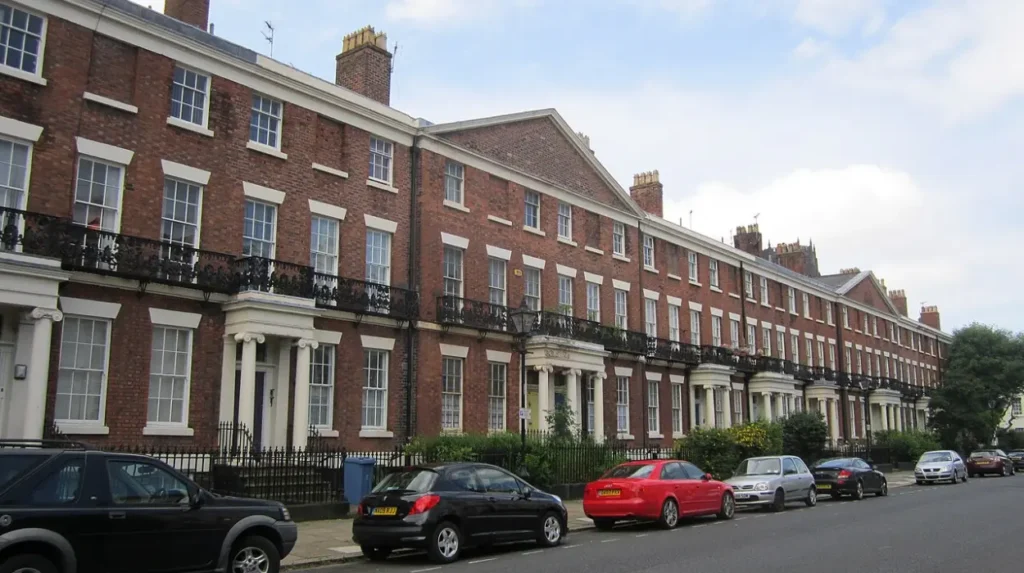
Dining and entertainment expenses also exhibit notable variations between suburban Woolton and the bustling city centre. Neighborhood pubs and local cafes in Woolton typically feature lower prices for food and drink compared to trendy city centre establishments. High end dining venues, premium cocktail bars, and tourist targeted attractions in the urban core command top tier pricing. However, the city centre also provides affordable fast casual dining options and supermarket chains tailored to budget conscious backpackers and students. Evaluating total trip expenses requires balancing lodging savings against daily suburban transport costs.
Transportation expenditures depend heavily on the chosen base location and the intended daily sightseeing itinerary of the traveler. Visitors based in the city centre often spend zero pounds on local transit because all major museums and galleries sit within walking distance. Commuters traveling daily from Woolton into the city centre must purchase multi-zone bus passes or pay individual fares averaging a few pounds per journey. Renting a car provides an alternative, though city centre parking fees can quickly accumulate during extended stays. Calculating these logistical variables helps travelers design an accurate and realistic vacation budget.
Long term financial planning for group travel or family vacations often favors suburban rentals for space and cost efficiency. Larger family groups require multiple hotel rooms in the city centre, whereas a single suburban house in Woolton accommodates everyone comfortably. Self catering facilities in suburban properties allow families to prepare their own meals, reducing overall daily dining expenditure significantly. Business travelers and solo tourists focused on short stays usually find the time saving convenience of city centre hotels offsets higher nightly rates. Understanding these financial trade offs ensures optimal resource allocation for every traveler.
Frequently Asked Questions
What Is The Best Way To Travel From Liverpool City Centre To Woolton?
Traveling from Liverpool city centre to Woolton is most efficiently achieved by taking direct local bus services such as the 75 or 78 routes. These buses depart frequently from central hubs like Liverpool ONE and take approximately thirty to forty minutes. Taxis and rideshare vehicles provide a faster alternative, taking roughly twelve to twenty minutes depending on traffic conditions.
Are There Beatles Attractions Located In Woolton?
Woolton holds immense significance for Beatles fans as the location where John Lennon and Paul McCartney met at St Peter Church on July 6, 1957. Visitors can tour the nearby Strawberry Field exhibition, explore Mendips where John Lennon spent his childhood, and view local sites mentioned in band history. The village provides a much quieter, reflective Beatles pilgrimage experience compared to downtown sites like the Cavern Club.
Is Woolton Suitable For Families With Young Children?
Woolton is exceptionally well suited for families traveling with young children due to its quiet residential streets, low traffic volume, and abundance of parks. Families can explore Woolton Woods, Camp Hill, and nearby Calderstones Park, which feature open lawns, playgrounds, and safe walking paths. The area offers family friendly traditional pubs and local cafes with relaxed atmospheres away from noisy nightlife districts.
How Far Is Woolton From The Main Liverpool Waterfront Attractions?
Woolton sits approximately six to eight miles southeast of the Liverpool waterfront and the Albert Dock complex. Direct road journeys via the A562 take between fifteen and twenty minutes by car or taxi. Public bus transit takes slightly longer, typically requiring around thirty five to forty five minutes of travel time depending on scheduled stops.
Which Location Offers Better Dining Options For Food Enthusiasts?
Liverpool city centre offers superior culinary diversity for food enthusiasts, featuring Michelin rated restaurants, international food halls, and trendy independent bistros on Bold Street. Woolton provides a more traditional dining landscape centered around classic British country pubs, cozy coffee shops, and local family run eateries. Travelers prioritizing fine dining and global cuisines should choose the city centre, while those seeking traditional pub fare prefer Woolton.