Key Points
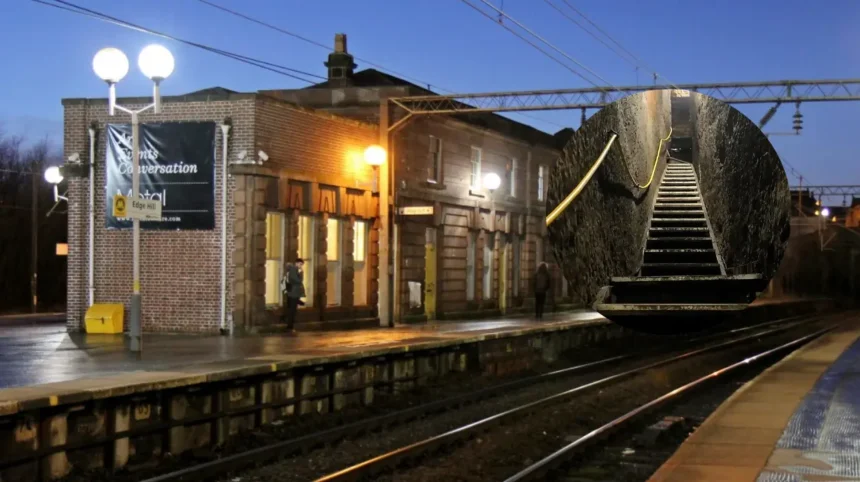
- There have been many discoveries of multi-level tunnels and chambers dating back to the 19th century at depths of about 60 feet under Edge Hill, Liverpool.
- This network was constructed under the orders of Liverpool tobacco merchant Joseph Williamson, who purchased some land at Edge Hill in 1806.
- The Paddington site is the largest one among the dozen or so sections that have been discovered so far.
- Volunteers started their hunt for the “long-lost cellar system” in 1999, thanks to construction workers building student accommodation near the site.
- The tunnels had been buried underneath the rubble for more than a century before their discovery and excavation began in the 1990s.
- Philanthropy seems to be the most probable reason why the cellars were built: the need to give employment and training to unemployed men.
- Smuggling and apocalypse cult were other hypotheses proposed; however, the organisations responsible for maintaining this historical site are convinced of the employment theory now.
- The site features the 27-foot tall “Banqueting Hall” and 65-foot-long “cellar” located beneath Mason Street.
- The Friends of Williamson Tunnels and Williamson Tunnels Heritage Centre organise guided tours through the underground network.
Liverpool (Liverpool standard) October 27, 2026 – Workers have uncovered a hidden maze of 19th-century tunnels stretching at least 60 feet below Edge Hill, Liverpool, in one of England’s most unusual heritage sites. As reported by Maureen O’Hare of CNN, the underground network may extend across an area of about a square mile or more, although its full extent remains uncertain.
- Key Points
- Why Did Joseph Williamson Build the Tunnels?
- How Were the Tunnels Rediscovered?
- What Is Inside the Williamson Tunnels?
- Why Were the Tunnels Kept Secret?
- What Theories Were Previously Considered?
- Who Preserves the Williamson Tunnels Today?
- Background of the Development
- Prediction: What Could This Mean for Visitors and Liverpool?
The tunnels and chambers were built in the early 19th century under the direction of Joseph Williamson, a wealthy tobacco merchant known locally as “The Mole of Edge Hill”. They lie beneath his former home and the surrounding neighbourhood, and were hand-carved from local sandstone before being finished with vaulted brickwork ceilings.
CNN’s accompanying video report, credited to Phil Clarke-Hill, describes the discovery as a “hidden maze” and says the central challenge is now to establish why the tunnels were built.
Why Did Joseph Williamson Build the Tunnels?
The organisations caring for the site now believe the most likely reason was philanthropy. As reported by CNN’s Maureen O’Hare, both the Friends of Williamson Tunnels and the Williamson Tunnels Heritage Centre have reached the same conclusion: Williamson appears to have used the work to provide employment and practical skills for men facing hardship.
Tom Stapledon, a tour guide and volunteer with the Friends of Williamson Tunnels, told CNN that Williamson wanted to keep men busy at a time when many could otherwise have struggled to feed their families. “He got to a stage in his life where everything was about just keeping men busy, men who needed work, who would otherwise be standing around on street corners, getting into trouble, and ending up in prison, not being able to feed their families,” Stapledon said.
The explanation fits the historical context described by CNN: early 19th-century Liverpool was a booming maritime city, but casual dock work was precarious, industrialisation displaced skilled artisans, and the end of the Napoleonic Wars in 1815 left many former soldiers without work.
How Were the Tunnels Rediscovered?
The tunnels were filled with rubble and demolition material after Williamson’s death and remained forgotten for more than a century. As reported by CNN, they were rediscovered at the turn of the 21st century and have since been excavated by volunteers.
Stapledon said the Friends of Williamson Tunnels began looking for a way into the “long-lost cellar system” beneath former buildings in 1999. With assistance from construction workers building student accommodation beside the site, the group managed to enter the underground network.
The Paddington site is now the largest known section uncovered. From one chamber, CNN reported, visitors can follow three routes: a narrow dark cul-de-sac, steps leading to lower chambers, and a passage into a room displaying crockery, bottles and doll heads recovered during excavation.
What Is Inside the Williamson Tunnels?
The network includes large chambers, passages and multi-level spaces carved from red sandstone. CNN described the first chamber at the Paddington site as dry, well lit and resembling “an elegant wine cellar”, with portraits of Williamson and his wife Elizabeth displayed at one end.
The most dramatic known space is the Friends of Williamson Tunnels’ “Banqueting Hall”. CNN reported that it is 27 feet high and 65 feet long, with a gothic arch above; the apparent floor is actually dense rubble, which the organisation estimates may be up to 20 feet deep at its thickest point.
The name is linked to a possibly apocryphal story that Williamson invited wealthy guests to his home, served them a modest meal of bacon and beans, and then offered loyal visitors a grand feast in the underground hall. CNN noted that this account may not be historically reliable.
Why Were the Tunnels Kept Secret?
Williamson left no written records or maps explaining the purpose or scale of the project. As reported by CNN, he did not publicly discuss his plans, was not known to invite people to view the work, and appears to have instructed his workers to remain silent.
Stapledon told CNN that the underground work was only discovered a few years after Williamson’s death. He said the spaces were later filled with rubbish and demolition material from buildings above, causing the network to fade into local folk memory.
Interest returned just over a century ago after articles by historian Charles Hand led to official surveys in 1926. CNN reported that the Joseph Williamson Society was founded in 1989, eventually leading to two separate preservation organisations: the Friends of Williamson Tunnels and the Williamson Tunnels Heritage Centre.
What Theories Were Previously Considered?
Before the current explanation gained support, the tunnels attracted a range of speculative theories. As reported by CNN, these included suggestions that the passages were used for smuggling contraband or served as the headquarters of an apocalyptic cult.
Stapledon said researchers had struggled for 30 years to make sense of the story because Williamson was secretive and his activities were highly unusual. “We have struggled for 30 years with our research, trying to make sense of the story, and it’s very difficult because he was a very secretive man, and what he was doing was very strange and very eccentric,” he told CNN.
CNN also reported colourful stories about Williamson, including an account involving railway workers on what became the West Coast Main Line in the 1830s. Tour guide and volunteer Billy Moran told CNN that Williamson’s men reportedly emerged from a tunnel covered in mud, before Williamson greeted the workers and offered to teach them about tunnels.
Who Preserves the Williamson Tunnels Today?
Two organisations now preserve and present the site. The Friends of Williamson Tunnels cares for the former Williamson home and operates the larger range of sites and longer tours, while the Williamson Tunnels Heritage Centre operates from nearby stableyards built after the merchant’s death.
CNN reported that the Friends of Williamson Tunnels runs tours every Wednesday and Sunday, while the Williamson Tunnels Heritage Centre is open on Fridays, Saturdays and Sundays. Both organisations describe the site as a working excavation and heritage project rather than a conventional visitor attraction.
Volunteers continue to clear, record and protect the underground spaces. CNN reported that the atmosphere at the Friends of Williamson Tunnels’ construction trailer is convivial, with volunteers meeting weekly to share their interest in the project and Liverpool’s local history.
Background of the Development
Joseph Williamson was born in Yorkshire in 1769 and moved to Liverpool at the age of 11 to train as a tobacco merchant under Richard Tate, the father of his future wife Elizabeth. According to CNN, he took over the business in 1803 and accumulated substantial wealth through tobacco and other ventures.
In 1806, Williamson bought land in Edge Hill, then an undeveloped area two to three miles from central Liverpool, with the aim of creating a middle-class suburb. CNN reported that he built houses along the street while his workers quarried sandstone below, with the underground work continuing for 34 years.
The firm sandstone provided stable ground for the chambers and passages. CNN reported that some workers dug holes and then filled them in again, supporting the view that the project’s principal value lay in providing employment rather than producing a usable commercial structure.
Prediction: What Could This Mean for Visitors and Liverpool?
For Liverpool’s heritage-tourism audience, the renewed attention is likely to increase interest in the Williamson Tunnels as a distinctive alternative to the city’s better-known maritime, music and football attractions. The site already attracts weekend tour groups, and CNN reported that both preservation organisations offer scheduled visits.
For local history enthusiasts, the continued excavation may bring further discoveries, particularly because the full scale of the network is still not established. CNN reported that the Paddington site is the largest of about a dozen known sections, suggesting that additional chambers or passages may still be identified.
For Liverpool’s wider visitor economy, the story could reinforce the city’s appeal to travellers interested in unusual heritage experiences. However, access remains dependent on guided tours and active conservation work, so visitors should expect a managed, site-specific experience rather than unrestricted exploration.