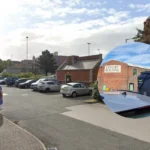

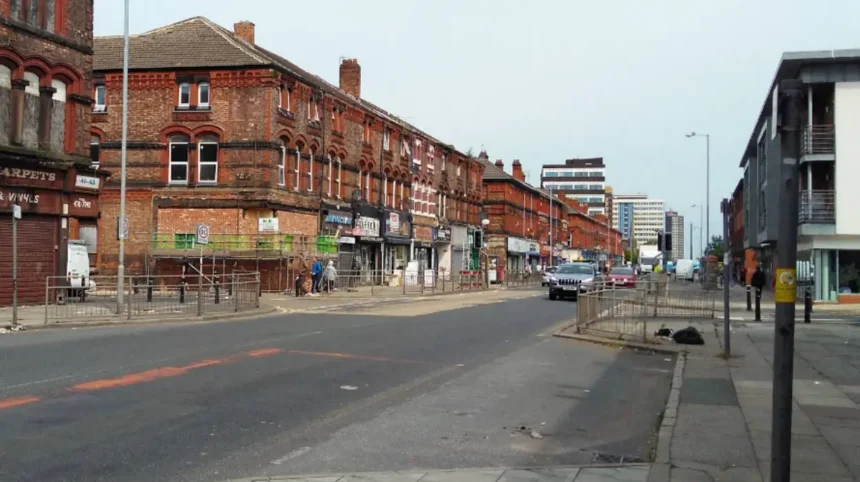
Bootle is historically known as a major maritime industrial hub situated in the Metropolitan Borough of Sefton within Merseyside, England. The town lies on the east bank of the River Mersey, positioned immediately north of Liverpool city center. Originally a small coastal hamlet, the area transformed rapidly into an industrial power during the nineteenth century due to dock development.
The geographical coordinates of the town place it directly adjacent to the Liverpool docks complex, making it an irreplaceable node for international maritime trade. In the early nineteenth century, wealthy merchants from Liverpool utilized the clear spring waters and coastal shores of Bootle as a private seaside bathing resort. The industrial revolution abruptly altered this landscape when the Leeds and Liverpool Canal opened, followed quickly by the construction of deep water docks along the River Mersey boundary. Heavy industry, warehousing, timber yards, and engineering works established operations alongside these transport routes. The strategic geographical location allowed raw materials like timber, grain, and cotton to enter the United Kingdom efficiently. The local population expanded significantly from fewer than one thousand residents in 1801 to over fifty thousand by the turn of the twentieth century. I
rish immigrants settled in large numbers during the nineteenth century, establishing enduring cultural ties, religious institutions, and community networks throughout the township. The municipal borough of Bootle received its royal charter of incorporation in 1868, granting official local governance structures. This administrative independence allowed local authorities to build substantial public infrastructure projects including waterworks, parks, and civic buildings. Modern Bootle remains defined by its maritime geographical alignment, serving as the main industrial and operational base for the northern docks of Merseyside.
What Role Did the Bootle Docks Play in Global Maritime Trade?
The Bootle Docks played a pivotal role in global maritime trade by handling huge volumes of international cargo and modern containerized shipping containers. Docks like Gladstone, Brocklebank, and Canada provided deep water access for massive transatlantic cargo ships throughout the nineteenth and twentieth centuries.
The construction of Gladstone Dock in the early twentieth century established one of the largest and most advanced dock systems in the British Empire. This dock facility enabled large ocean liners and freight vessels to berth safely regardless of tide conditions. Cargo operations in Bootle specialized in importing agricultural goods, timber, sugar, and raw minerals from North America, Africa, and Asia. Warehouses lined the perimeter of the docks, offering millions of square feet of secured storage capacity for global distribution chains. During the First World War and Second World War, the docks served as a vital lifeline for critical food supplies, military vehicles, and ammunition shipments entering Western Europe.
The Liverpool Blitz target lists included the Bootle docklands due to their supreme strategic necessity to the Allied supply networks. Severe bombardments damaged approximately ninety percent of residential houses in the town during wartime attacks. Following post-war reconstruction, the docks adapted rapidly to modern logistics technologies. The opening of the Royal Seaforth Dock container terminal in 1972 extended Bootle maritime operations into heavy containerization and bulk grain processing. Today, the Port of Liverpool container facilities located in Bootle handle millions of tons of cargo annually. The automated Liverpool2 deep-water container terminal permits giant ocean vessels to load and unload efficiently, maintaining the global trade prominence of the area.
What Architectural and Historical Landmarks Define Bootle?
Bootle is defined by Victorian municipal architecture, historic dock infrastructure, industrial engineering works, and expansive nineteenth century civic parks. Key structures include Bootle Town Hall, the Derby Park conservation area, and historic maritime warehouse complexes.
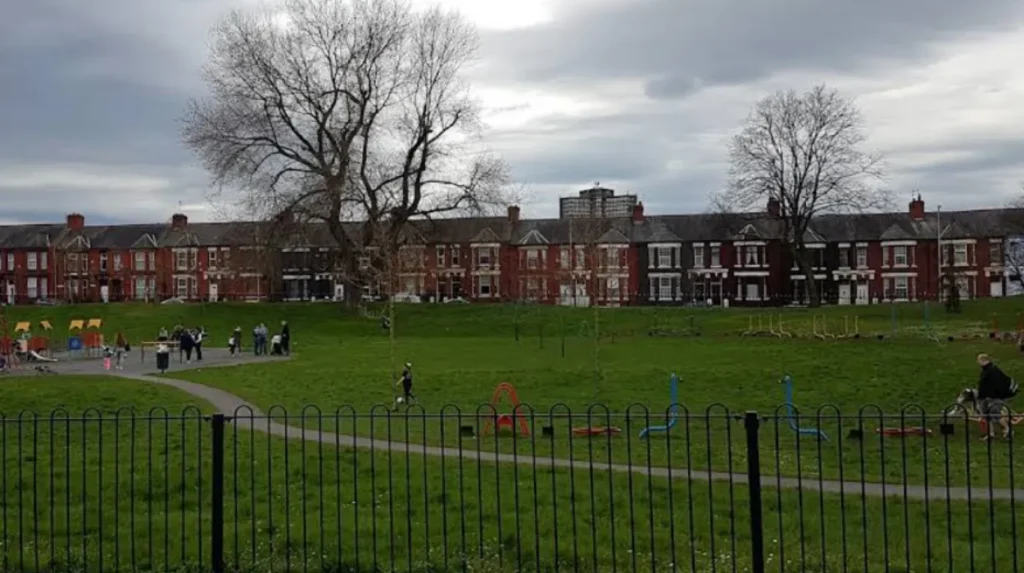
The Bootle Town Hall complex, constructed in 1882, presents Victorian renaissance architectural features built with local red brick and stone dressings. The building served as the administrative heart of the borough, housing council chambers, public halls, and municipal offices. Derby Park, opened in 1895, spans over twenty acres and represents a surviving urban Victorian public park complete with statutory listed features. The park features historic statues, ornamental ironwork gates, raised terraces, and formal gardens funded by local industrial benefactors. The Leeds and Liverpool Canal cuts through the heart of the town, featuring historic stone bridges, locks, and preserved towpaths constructed during the late eighteenth century.
St. James’s Church stands as an architectural milestone within the area, reflecting mid-nineteenth-century ecclesiastical design intended for the growing dockland population. The massive grain silos at Seaforth Dock dominate the local skyline, illustrating the sheer scale of twentieth-century maritime engineering and industrial capacity. Victorian commercial buildings along Stanley Road preserve traditional stone facades that housed bank branches, shipping agencies, and trading companies. Residential streets nearby maintain distinctive late-Victorian brick terrace houses constructed specifically for dockworkers and merchant sailors. Modern heritage conservation initiatives protect these sites, preserving the historical aesthetic of the town while integrating adaptive structural reuse project plans.
What Are the Key Cultural, Educational, and Community Assets in Bootle?
The key assets in Bootle include Hugh Baird College, the Strand Shopping Centre, diverse local arts collectives, and extensive community recreation centers. These entities provide critical educational pathways, commercial infrastructure, social welfare services, and creative platforms for the resident population.
Hugh Baird College serves as a primary higher and further education institute in Merseyside, catering to thousands of students annually. The college includes specialized campuses like the South Sefton Campus and the L20 Hotel School, offering vocational degrees, apprenticeships, and academic qualifications. The Strand Shopping Centre, constructed in the late 1960s, operates as the commercial hub of the town, housing retailers, banks, and community hubs. Community arts initiatives like the Salt and Tar outdoor event venue host live music performances, food festivals, and family events, revitalizing local town center culture.
The Bootle Library offers extensive digital archives, literary resources, and public educational programs dating back over a century. Sports facilities including the Bootle Leisure Centre feature indoor swimming pools, modern fitness suites, and hall spaces that support local athletics. Bootle Football Club, founded originally in 1879, represents the athletic heritage of the area and competes within the English football league system. Local charity organizations operate extensively across the town, delivering targeted social support, youth sports programs, and employment training initiatives. Cultural festivals regularly celebrate the rich maritime, working-class, and Irish heritage that shapes the identity of local residents. These community frameworks reinforce social cohesion while providing essential services to residents of all age groups.
What Regeneration Initiatives and Economic Trends Are Shaping Bootle?
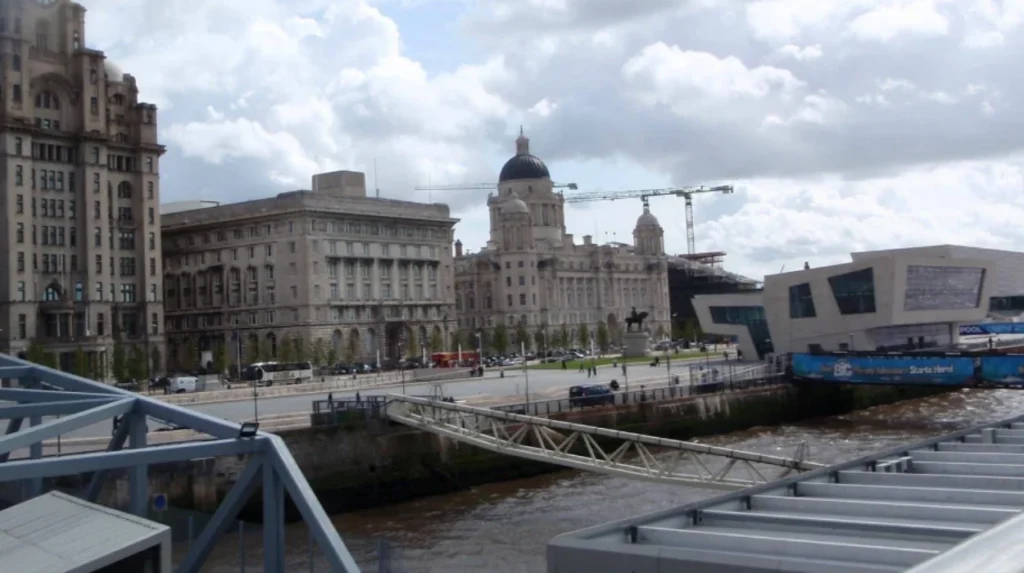
Bootle is being actively transformed through multi-million-pound urban regeneration schemes, public sector investments, property master plans, and commercial diversification projects. These projects focus on transforming town center spaces, modernizing transport hubs, and expanding green residential neighborhoods.
The Sefton Council master plan for Bootle town center focuses heavily on redeveloping the Strand Shopping Centre into a modern canal-side destination. Government levelling up funds and local authority investments finance the demolition of redundant retail spaces to create new public parks, leisure venues, and digital workspace hubs. The Salt and Tar complex represents a successful phase of this strategic transformation, attracting thousands of tourists and local visitors to canal-side entertainment events. The Port of Liverpool expansions continue to generate logistics jobs, driving private industrial investments into neighboring business parks. Office spaces around the Hugh Baird College precinct attract civil service departments, health sector agencies, and private technology companies.
Residential housing renewal projects target older terraced housing streets, replacing dilapidated housing stock with energy-efficient modern residential developments. Strategic investments in public transit infrastructure enhance direct rail connections via Bootle Oriel Road and Bootle New Strand railway stations to Liverpool Central. The expansion of clean energy initiatives around the docks aligns the local economy with national carbon reduction targets. Environmental initiatives focus on cleaning up former industrial brownfield land, expanding urban tree canopies, and restoring natural ecosystems alongside the canal. Commercial developments position the town as an affordable, accessible business base within the broader Liverpool City Region economy.
Frequently Asked Questions
Is Bootle considered a safe and good place to live near Liverpool?
Bootle offers affordable housing options and direct transport links into central Liverpool, making it popular for commuters. Like many industrial towns undergoing regeneration, safety varies by neighborhood. Active local investments are consistently improving housing quality, community safety, and local amenities.
What is the connection between Bootle and the Liverpool Docks?
Bootle contains a vast portion of the working Liverpool Docks, including major sites like Gladstone Dock and Royal Seaforth Dock. While historically named after Liverpool, these maritime facilities physically sit within the boundaries of Bootle in Sefton. They remain a primary economic engine for the region.
How far is Bootle from Liverpool city center and how is transport?
Bootle sits approximately three miles north of Liverpool city center. The town is exceptionally well-connected with two train stations, Bootle Oriel Road and Bootle New Strand, offering ten-minute train rides to Liverpool Central. Frequent bus routes and major roads like the A565 also link the areas.
Why was Bootle so heavily targeted during World War II?
Bootle was targeted during the Liverpool Blitz because its docks were vital for importing war supplies, food, and military equipment. The heavy German bombings destroyed or damaged nearly 90% of the homes in Bootle. It was one of the most heavily bombed municipal boroughs in Britain.
What is the Salt and Tar venue in Bootle?
Salt and Tar is a newly developed canal-side event space located near the Strand Shopping Centre in Bootle. It hosts live music concerts, comedy events, food markets, and community gatherings. It serves as a flagship project for the ongoing regeneration of Bootle town center.