

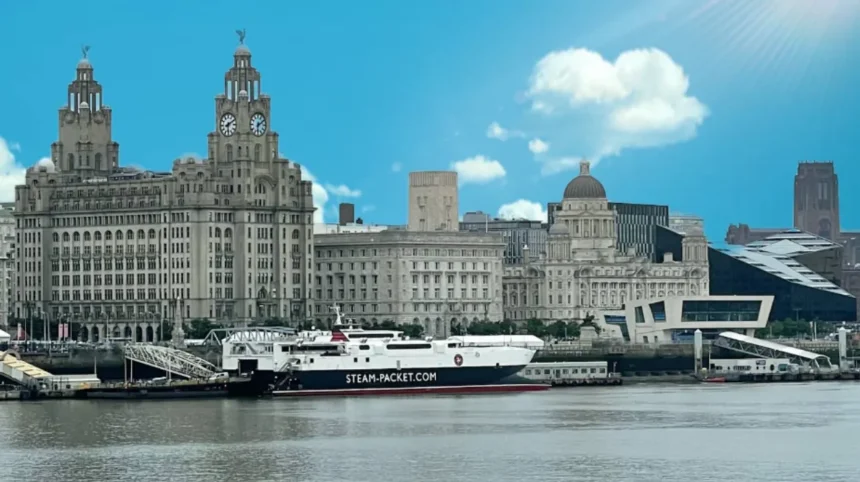
Liverpool provides immediate access to world-class cultural institutions, live music venues, and UNESCO Design City heritage, making it superior for travelers prioritizing urban entertainment. uk/local/birkenhead/">Birkenhead offers a quiet residential setting with historic maritime architecture, positioning it as an ideal peaceful retreat located just across the River Mersey.
- How Do Accommodation Costs Compare Between Liverpool and Birkenhead?
- What Are the Public Transport Links Between Birkenhead and Liverpool?
- Which Location Provides Better Access to Regional Attractions?
- What Are the Safety, Noise, and Atmosphere Differences?
- Frequently Asked Questions
- Is it easy to commute from Birkenhead to central Liverpool daily?
- Is staying in Birkenhead cheaper than staying in central Liverpool?
- How late do public transit services run between Liverpool and Birkenhead?
- Which location is better for families visiting the Merseyside area?
- Can you drive easily between Birkenhead and Liverpool?
Liverpool represents the economic and cultural hub of the Liverpool City Region, located on the eastern side of the Mersey Estuary in North West England. The city contains major historic districts, including the Royal Albert Dock and the Baltic Triangle. Birkenhead is a large town situated directly opposite Liverpool on the Wirral Peninsula in the ceremonial county of Merseyside. Choosing between these locations depends on whether a traveler values late-night access to entertainment or tranquil, low-density accommodation options.
Cultural institutions in Liverpool include the Tate Liverpool, the World Museum, and the Liverpool Philharmonic Hall. The city features over 300 licensed venues, music halls, and iconic spots such as the Cavern Club on Mathew Street. Visitors staying in central Liverpool can walk directly to theatres, art galleries, and historic sites without requiring public transit. This central density reduces travel time between daytime sightseeing and evening dining experiences.
Birkenhead features its own historic points of interest, such as Birkenhead Park, which opened in 1847 and served as the design template for Central Park in New York. The town also houses Hamilton Square, which contains the highest concentration of Grade I listed Georgian buildings outside of London. However, Birkenhead has fewer evening entertainment venues, with local activity centered mainly around traditional pubs and community arts spaces like the Williamson Art Gallery and Museum.
Accommodation choices in central Liverpool range from luxury waterfront hotels to boutique apartments, serving millions of global tourists every year. Nightlife districts operate late into the night, creating high street energy that appeals to social travelers, concertgoers, and short-stay tourists. The proximity to main attractions means visitors can return to their rooms easily throughout the day without managing ferry schedules or train timetables.
Travelers seeking a peaceful night’s sleep often prefer Birkenhead due to lower traffic volumes and residential quietness. The town provides an ideal base for families or business travelers who want to separate their daytime sightseeing from nighttime relaxation. While Birkenhead lacks the vibrant bar scenes found in central Liverpool, it delivers a calm atmosphere and quick daytime connectivity to the region’s main tourist hubs.
Staying in Liverpool is best for travelers who want immediate access to restaurants, museums, and historic music venues without commuting. Birkenhead is better for visitors who prefer a quiet town setting with historical parks and grand Georgian architecture. Both destinations offer distinct advantages based on individual travel schedules, sleep preferences, and daily itineraries across the Merseyside region.
How Do Accommodation Costs Compare Between Liverpool and Birkenhead?
Birkenhead consistently offers lower average nightly rates for hotels, serviced apartments, and holiday rentals compared to central Liverpool. Liverpool commands higher lodging premiums due to elevated demand surrounding international events, commercial centers, direct tourism infrastructure, and premium waterfront properties.
The primary lodging markets in Liverpool cover the City Centre, the Waterfront, the Knowledge Quarter, and the Ropewalks district. Accommodation options include international hotel chains, boutique hotels, youth hostels, and short-term residential apartments. In Birkenhead, accommodation is primarily composed of budget hotel chains, independent bed and breakfasts, self-catering holiday homes, and long-term residential rentals across regions like Woodside and Hamilton Square.
Average hotel prices in central Liverpool fluctuate based on seasonality, weekend demand, and scheduled major event dates. Peak booking periods coincide with Premier League football matches at Anfield and Goodison Park, music festivals, and major conferences. During these high-demand dates, nightly room rates in Liverpool can increase by 50 percent to 100 percent above standard mid-week pricing models.
Birkenhead maintains more stable pricing throughout the calendar year due to lower baseline tourist demand. Travelers can secure spacious multi-room apartments or full townhouse rentals in Birkenhead for the cost of a standard hotel room in central Liverpool. This price differential provides significant budget relief for families, groups, and extended-stay visitors willing to cross the river daily for sightseeing activities.
Value considerations extend beyond initial room rates to include auxiliary expenses like parking and amenities. Central Liverpool hotels frequently charge daily fees for overnight vehicle parking due to limited space and urban congestion zones. In contrast, many Birkenhead lodging options provide free off-street parking or cheaper long-stay municipal parking permits, generating additional daily savings for road travelers.
Budget-conscious travelers often leverage Birkenhead to lower total trip expenses while maintaining full access to Liverpool’s tourism assets. The money saved on lodging in Birkenhead can offset dining expenses, attraction entrance fees, and regional transport tickets. However, travelers staying in Liverpool save time and public transit costs, which balances out higher initial booking fees for short stays.

Liverpool provides higher accommodation density with a wider range of luxury amenities, while Birkenhead offers cost savings and larger floor plans. Budget travelers and long-term visitors gain maximum economic efficiency in Birkenhead. Travelers prioritizing convenience, hotel services, and walking access to attractions find higher value in Liverpool despite the elevated room prices.
What Are the Public Transport Links Between Birkenhead and Liverpool?
Birkenhead and Liverpool are connected by direct rail lines through the Merseyrail underground network, public bus services through road tunnels, and historic Mersey Ferry routes. Transit between the two locations takes under ten minutes by rail, ensuring continuous movement across the Mersey Estuary.
Transportation infrastructure across the River Mersey includes two road tunnels, a dedicated underground railway system, and river ferry crossings. The Queensway Tunnel links Birkenhead to central Liverpool for vehicular traffic, while the Merseyrail Wirral Line runs directly underneath the river bed. The Mersey Ferries operate daily cross-river commuter and tourist services between Woodside Ferry Terminal in Birkenhead and Pier Head in Liverpool.
Merseyrail provides the fastest public transport link between Birkenhead and central Liverpool. Trains run every 5 to 10 minutes from key Birkenhead stations, including Hamilton Square, Birkenhead Central, and Birkenhead Park. The journey from Hamilton Square to Liverpool James Street or Liverpool Lime Street takes approximately 6 to 8 minutes, providing rapid connection to the national rail network.
Public buses operated by regional transport providers run continuously through the Queensway Tunnel, connecting Birkenhead Bus Station directly to Liverpool ONE Bus Station. Express bus journeys take roughly 10 to 15 minutes depending on road traffic flow. Cross-river bus travel offers cheap point-to-point transit, making it a reliable option for daily commuters and visiting tourists alike.
The Mersey Ferry provides a scenic transit option connecting Woodside Terminal in Birkenhead to the iconic Pier Head in Liverpool. The standard ferry crossing takes about 10 minutes, offering views of the Liverpool waterfront skyline and the Royal Liver Building. While less frequent than train service, the ferry serves as both a commuter link and a sightseeing trip across the river estuary.
Nighttime connectivity requires advance planning for travelers staying in Birkenhead after spending the evening in Liverpool. Merseyrail services conclude around midnight, after which cross-river transit shifts to night bus routes or taxi services through the Queensway Tunnel. Taxis and ride-hailing services operate 24 hours a day between both locations, with travel times averaging 10 to 15 minutes late at night.
Public transit between Birkenhead and Liverpool is quick, reliable, and affordable across all modes of movement. Merseyrail offers the fastest travel time for daily commuters. The availability of rail, road, and ferry routes ensures visitors staying in Birkenhead can access central Liverpool quickly at almost any hour of the day.
Which Location Provides Better Access to Regional Attractions?
Liverpool provides immediate walking access to city-center landmarks, while Birkenhead serves as a strategic gateway for exploring the Wirral Peninsula, Chester, and North Wales. Both locations offer direct transport pathways to major tourist destinations across North West England.
Regional attraction distribution spans urban culture in Liverpool and natural landscapes on the Wirral Peninsula. Key sites in Liverpool include the Royal Albert Dock, Beatles Story Museum, Liverpool Cathedral, and St George’s Hall. The Wirral Peninsula features coastal villages, wildlife reserves, golf courses, and historic parklands located within short driving or cycling distances from central Birkenhead.
Staying in central Liverpool allows tourists to explore urban sights entirely on foot. Visitors can walk between major museums, historic shipping docks, shopping centers, and music venues within 15 to 20 minutes. Liverpool Lime Street station provides direct main-line train links to Manchester, London Euston, Edinburgh, and Birmingham, making it a powerful transit base for nationwide UK travel itineraries.
Birkenhead provides strategic advantages for visitors planning to explore destinations beyond the urban core. The town offers quick rail and road links south toward the historic walled city of Chester and the Cheshire countryside. Travelers using a car or local transit from Birkenhead can easily reach coastal destinations such as West Kirby, Hoylake, and Hilbre Island Nature Reserve.
Golf enthusiasts staying in Birkenhead enjoy proximity to world-renowned courses along the Wirral coast, including Royal Liverpool Golf Club in Hoylake. Birkenhead also connects directly to the M53 motorway, allowing drivers to travel into North Wales within 40 minutes. This positioning makes Birkenhead convenient for tourists balancing urban day trips with regional coastal drives.
Choosing the ideal location depends on whether a trip focuses on city center sightseeing or broader regional exploration. Liverpool eliminates transit overhead for city-focused vacations, while Birkenhead reduces travel times toward coastal sites, country parks, and historic regional towns. Both locations function smoothly within the wider Merseyside public transit authority network.
Liverpool is the clear winner for tourists concentrating on urban culture, maritime history, and city shopping. Birkenhead serves as a practical launchpad for exploring the Wirral coastline, Chester, and North Wales. Selecting the right base depends entirely on the geographical focus of the planned trip itinerary.
What Are the Safety, Noise, and Atmosphere Differences?
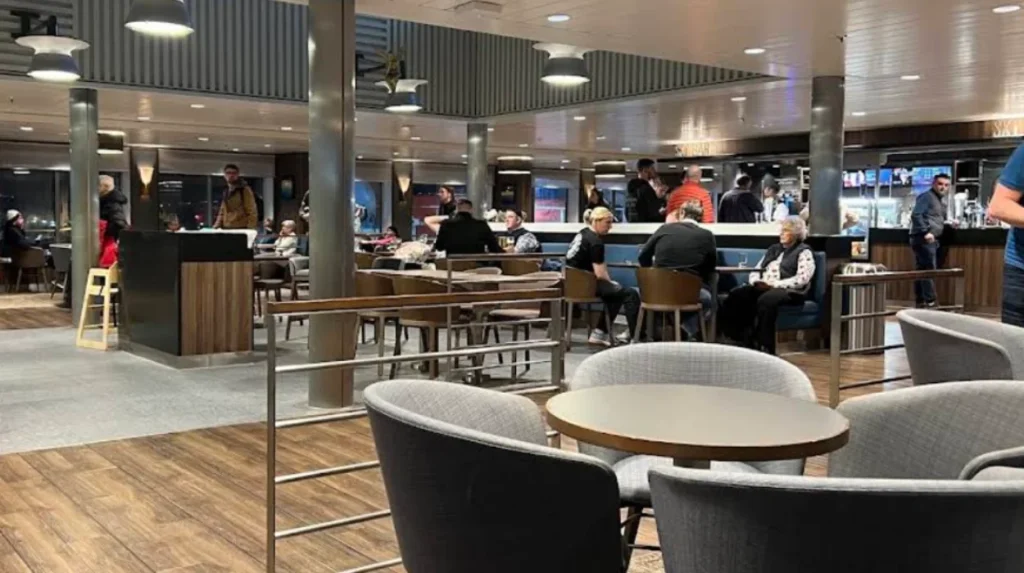
Liverpool offers a bustling, energetic urban atmosphere with higher noise levels, while Birkenhead provides a calmer, low-density suburban environment. Both locations maintain typical safety profiles for urban districts in the United Kingdom, requiring standard personal awareness in high-density areas.
Urban density shapes the daily atmosphere of both Merseyside destinations. Liverpool operates as a vibrant metropolitan center characterized by heavy pedestrian foot traffic, commercial noise, and late-night social activities. Birkenhead functions largely as a residential and commercial market town with lower ambient noise levels, fewer late-night entertainment venues, and a relaxed daily routine.
Noise factors in central Liverpool correlate directly with proximity to commercial districts, nightlife corridors, and main transit routes. Hotel rooms situated near Concert Square, Mathew Street, or major roadways experience late-night street noise, particularly on weekends. High-rise hotel accommodations near the docks or Knowledge Quarter offer quieter environments while maintaining central locations.
Birkenhead offers a quieter residential atmosphere day and night. The areas around Hamilton Square and Birkenhead Park feature quiet streets lined with historic residential architecture. Visitors staying in Birkenhead experience negligible night noise, making the town appealing for families, business travelers, and visitors sensitive to urban sound environments.
Safety dynamics across both areas align with standard British urban safety metrics. Central Liverpool benefits from visible regular policing, extensive municipal CCTV networks, and street warden presence throughout key shopping and nightlife zones. Standard personal precautions apply, particularly in crowded bar districts during late hours or when carrying visible valuables.
Birkenhead experiences low foot traffic during late evening hours across its commercial center. Residential neighborhoods and historic squares remain quiet, though isolated industrial zones can feel quiet after business hours. Travelers staying in Birkenhead enjoy a peaceful environment, provided they follow general safety practices when walking at night.
Liverpool provides a lively, energetic setting suited for travelers who thrive on street life and urban energy. Birkenhead offers a quiet atmosphere with reduced noise levels, ideal for restful stays. Travelers should select their lodging location based on their personal sensitivity to urban noise and preferred evening environment.
Frequently Asked Questions
Is it easy to commute from Birkenhead to central Liverpool daily?
Yes, commuting from Birkenhead to central Liverpool is fast and simple. Merseyrail trains run every 5 to 10 minutes from stations like Hamilton Square, taking under 10 minutes to cross the river into Liverpool Lime Street or James Street. Buses and taxis also operate regularly through the Queensway Tunnel.
Is staying in Birkenhead cheaper than staying in central Liverpool?
Birkenhead offers lower average rates for hotel rooms, holiday rentals, and long-stay apartments compared to central Liverpool. Staying in Birkenhead allows travelers to secure larger properties at lower costs, though daily cross-river transit fares should be factored into overall trip budgets.
How late do public transit services run between Liverpool and Birkenhead?
Merseyrail train services operate continuously until around midnight every day. After midnight, cross-river transportation shifts to night buses and 24-hour taxi services that travel through the Queensway Tunnel, taking approximately 10 to 15 minutes to reach Birkenhead.
Which location is better for families visiting the Merseyside area?
Birkenhead is ideal for families seeking quiet residential neighborhoods, historic parks, and lower accommodation costs. Liverpool is better for families wanting immediate walking access to major museums, waterfront docks, restaurants, and central family attractions without using public transportation.
Can you drive easily between Birkenhead and Liverpool?
Driving between Birkenhead and Liverpool is straightforward via the Queensway Tunnel. The drive takes around 10 to 15 minutes outside of peak rush hours. Drivers must account for small toll charges when using the tunnel and higher parking rates in central Liverpool.