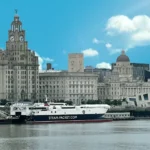


Birkenhead is worth visiting for tourists seeking historic architecture, quiet public parks, and rich maritime heritage without city center crowds. Located directly across the River Mersey from Liverpool, the town offers historical landmarks and cultural sites accessible within a ten-minute ferry or train ride.
- How Do You Get to Birkenhead from Central Liverpool?
- What Is the Historical Significance of Birkenhead Park?
- Why Is Hamilton Square Important for Architecture Lovers?
- What Attractions Can You Visit at Birkenhead Priory?
- What Are the Top Museums and Cultural Sites in Birkenhead?
- Frequently Asked Questions
The town of uk/local/birkenhead/">Birkenhead sits on the Wirral Peninsula in Merseyside, England. It functions as an extension of the broader Liverpool City Region while maintaining a distinct industrial and architectural identity. Travelers staying in central Liverpool often overlook Birkenhead due to its reputation as a former industrial hub. However, the urban center contains significant historic infrastructure, including the oldest standing building in Merseyside and a publicly funded civic park that served as the design blueprint for Central Park in New York.
Visiting Birkenhead allows tourists to experience key heritage sites without high ticket costs or dense tourist crowds. The town features one of the highest concentrations of Grade I listed Georgian buildings outside London, alongside unique transport museums and medieval monastic ruins. The proximity to Liverpool makes it an efficient half-day or full-day excursion. Crossing the river via the famous Mersey Ferry provides scenic views of the UNESCO-recognized Liverpool waterfront skyline before landing directly at Birkenhead’s Woodside Terminal.
How Do You Get to Birkenhead from Central Liverpool?
Travelers reach Birkenhead from central Liverpool using the Merseyrail underground train network or the historic Mersey Ferry service. Merseyrail trains take approximately six minutes from James Street Station, while the Mersey Ferry takes fifteen minutes from the Pier Head to Woodside Terminal.
Public transit between Liverpool and Birkenhead operates continuously throughout the day. The Merseyrail Wirral Line connects Liverpool city center directly to Birkenhead. Passengers board at central stations including Liverpool Lime Street, Liverpool Central, and James Street. Trains run every five minutes during peak hours and arrive at Hamilton Square Station in Birkenhead within six minutes. The rail tunnel under the River Mersey opened in 1886 as the Mersey Railway, establishing one of the earliest underground electric transit routes in the world.
Alternative transit methods include the iconic Mersey Ferry and road vehicular tunnels. The Mersey Ferry departs from Liverpool Pier Head and docks at Woodside Ferry Terminal in Birkenhead. The crossing takes 15 minutes and functions as both practical transit and a sight-seeing route. For vehicular transport, the Queensway Tunnel opened in 1934 to carry automotive traffic under the river via the A41 road. Bus routes operated by Arriva Northwest also cross the Queensway Tunnel regularly, connecting Liverpool One Bus Station directly to the Birkenhead Bus Station in less than fifteen minutes.
What Is the Historical Significance of Birkenhead Park?
Birkenhead Park is historically significant as the world’s first publicly funded municipal park, opening officially on April 5, 1847. Designed by Joseph Paxton, it established the framework for urban public parks globally and directly inspired the design of Central Park in New York.
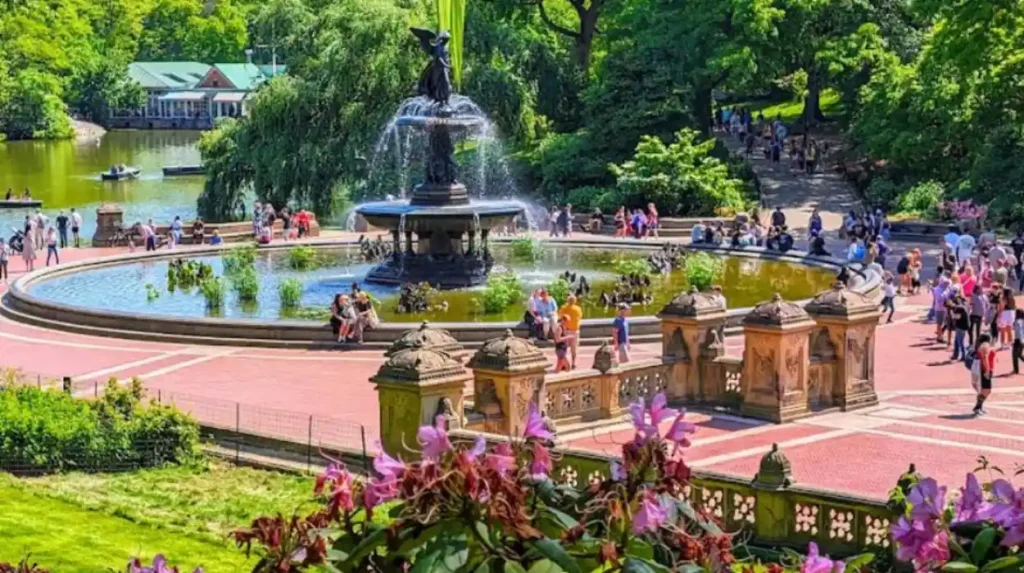
Birkenhead Park emerged during the Industrial Revolution to improve public health among urban working-class residents. Prominent landscape architect Sir Joseph Paxton designed the grounds using public funds raised by the Birkenhead Improvement Commissioners. Paxton integrated artificial lakes, winding drainage paths, rockeries, and varied tree species to create an informal, countryside landscape within an expanding industrial town. Distinct architectural features include the Ionic Grand Entrance designed by Lewis Hornblower and the historic Swiss Bridge.
The park achieved international influence after American landscape architect Frederick Law Olmsted visited the site in May 1850. Impressed by its open public access regardless of social class, Olmsted declared it a democratic institution. When Olmsted and Calvert Vaux designed New York City’s Central Park in 1858, they utilized Paxton’s Birkenhead layout as their primary structural blueprint. Today, Birkenhead Park remains a Grade I listed landscape and sits on the United Kingdom’s tentative list for UNESCO World Heritage Site status.
Why Is Hamilton Square Important for Architecture Lovers?
Hamilton Square contains the highest concentration of Grade I listed buildings in England outside Trafalgar Square in London. Designed by Scottish architect James Gillespie Graham in the early nineteenth century, it showcases exceptionally preserved Georgian townhouse architecture.
Commissioned by local shipbuilder William Laird in 1824, Hamilton Square was conceived as the centerpiece of a grand planned town intended to mirror Edinburgh New Town. Construction began in 1825 and finished in 1847, utilizing high-quality sandstone facades, strict symmetry, and classical proportions. The square surrounds a large central landscaped garden featuring a stone war memorial modeled after the medieval Eleanor Crosses, alongside a monument dedicated to Queen Victoria.
The dominating structure on the square’s western perimeter is the Birkenhead Town Hall, built in 1887 out of Scottish granite and local Storeton sandstone. Designed by Charles Ellison, the building features a clock tower rising 200 feet. Architectural details across the surrounding terraces include original iron railings, sash windows, and fanlight doorways maintained under strict conservation regulations. Walking through Hamilton Square offers clear insight into nineteenth-century British civic planning and high-status residential design.
What Attractions Can You Visit at Birkenhead Priory?
Birkenhead Priory features the preserved ruins of a 1150 Benedictine monastery, making it the oldest standing building in the Merseyside region. Visitors can explore the medieval chapel, inspect monastic scriptorium ruins, and climb St. Mary’s Tower for views over the River Mersey.
Founded around 1150 by Baron Hamon de Masci, Birkenhead Priory housed a small community of Benedictine monks for nearly four centuries. The monks established the first official ferry service across the River Mersey in 1330 after receiving a charter from King Edward III to shelter and transport travelers to Liverpool. The site survived the Dissolution of the Monasteries under King Henry VIII in 1536, preserving key stone walls, the chapter house, and the original vaulted undercroft.
| Attraction Site | Historical Period | Primary Feature |
| Monastic Chapter House | 12th Century (1150) | Consecrated chapel with original Norman stone vaulting |
| St. Mary’s Tower | 19th Century (1821) | Spire remnants of Birkenhead’s first parish church |
| Refectory Undercroft | 14th Century | Historic stone hall used for monk gather spaces |
| Cammell Laird Overlook | Modern / Industrial | Elevated viewpoint of active historic shipyards |
Today, the Priory grounds incorporate the surviving tower of St. Mary’s Church, built on the site in 1821. Climbing the 101 steps of St. Mary’s Tower offers direct views of the active Cammell Laird shipyard, where historic vessels such as the CSS Alabama and the RSS Sir David Attenborough were constructed. The site functions as a free public museum documenting medieval monastic life alongside modern shipbuilding achievements.
What Are the Top Museums and Cultural Sites in Birkenhead?
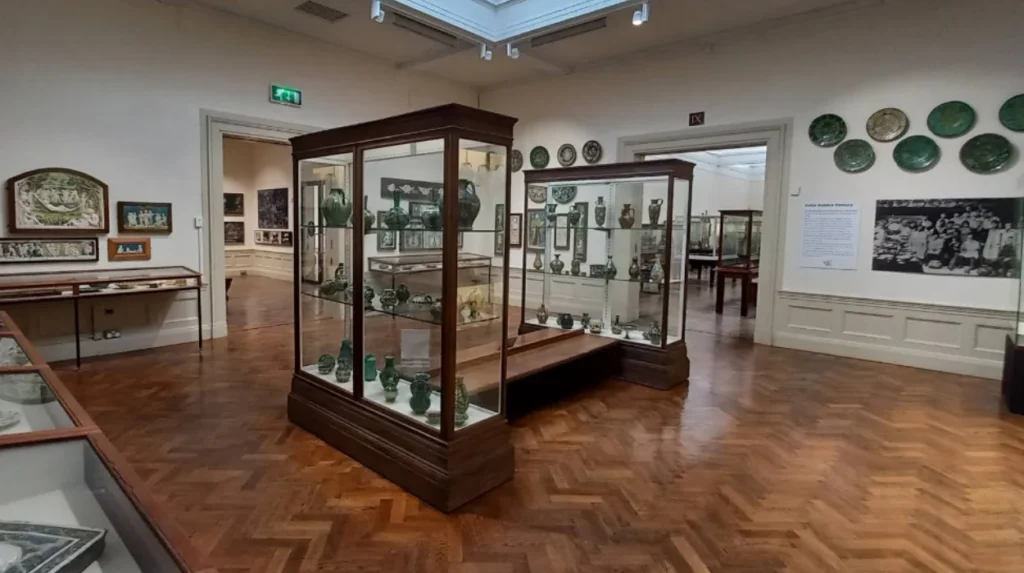
Birkenhead houses several notable cultural sites, including the Williamson Art Gallery and Museum, the Wirral Transport Museum, and the Future Yard live music venue. These institutions detail regional fine art, historic public transit, and emerging music scenes.
The Williamson Art Gallery and Museum, located on Slatey Road, opened in 1928 through funding from local philanthropists. It houses an extensive collection of British watercolors, oil paintings, and the largest public display of Della Robbia pottery, which was manufactured locally in Birkenhead between 1894 and 1906. The gallery also displays historic maritime ship models built at the nearby Mersey docks, documenting the industrial evolution of Wirral.
The Wirral Transport Museum on Taylor Street offers interactive historic transport displays. Managed in partnership with volunteers, the museum houses a collection of operational vintage trams, classic buses, and historic emergency vehicles. Visitors can ride fully restored heritage streetcars running along the Birkenhead Street Tramway line, which originally opened in 1860 as the first street tramway in Europe. For modern culture, Future Yard on Argyle Street functions as a community music venue supporting regional independent musicians
Frequently Asked Questions
What is the best time of year to visit Birkenhead Park?
The best time to visit Birkenhead Park is between May and September. During these months, the park’s historic trees are in full foliage, and outdoor locations such as the Swiss Bridge and lakes can be enjoyed in mild weather. The visitor center and cafe also operate full seasonal hours during summer.
Can you walk to Birkenhead from Liverpool via a bridge?
No, you cannot walk across the River Mersey to Birkenhead because there are no pedestrian bridges over the river channel. Pedestrians must cross using the underground Merseyrail train network or take the Mersey Ferry service between the Liverpool Pier Head and Woodside Terminal.
Is Birkenhead cheap to visit compared to central Liverpool?
Yes, Birkenhead is generally very affordable to visit compared to central Liverpool. Key historic attractions such as Birkenhead Park, Hamilton Square, and Birkenhead Priory offer completely free entry. Local dining and public transit fares cross-river are also priced lower than major tourist centers.
How much time should a tourist spend exploring Birkenhead?
A typical tourist should spend between four to six hours exploring Birkenhead. This duration allows enough time to visit Hamilton Square, walk through Birkenhead Priory, explore Birkenhead Park, and enjoy a historic tram ride without rushing.